Elkhart County Indiana 4-H Fair Festival
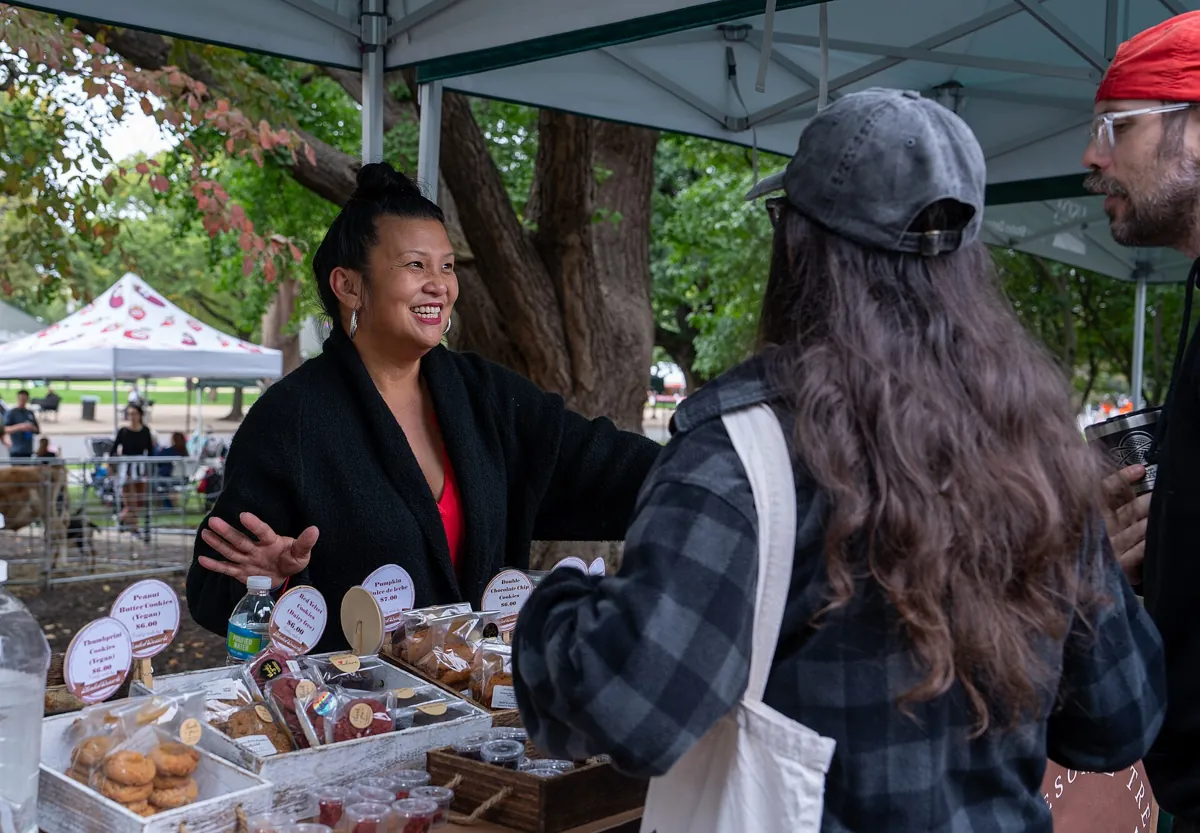
For one week each summer, the towns and farm townships of northern Indiana fold into a single busy place: the Elkhart County 4-H Fair. Families from Goshen, Elkhart, Nappanee, Middlebury, and Bristol arrive with coolers, lawn chairs, and kids who have spent months raising animals and finishing projects for judging. What follows is part county showcase, part family reunion, part small-town carnival — held together by 4-H.
Elkhart County is a 467.97-square-mile stretch of northern Indiana with a population of 207,047 and a county seat in Goshen. The county was founded on April 1, 1830, and its identity has been tied to agriculture, manufacturing, and hardworking small towns ever since. The 4-H Fair is where those threads show up in public — in show rings, exhibit halls, food stands, and grandstand seating.
This is not an event built around one headliner or one theme. It is a county fair in the older sense: a week when a community’s work is displayed, judged, eaten, watched, and celebrated. If you have never been, the guide below covers what happens, how to plan a visit, and why the fair still matters here.
Elkhart County 4-H Fair: Ten Details Worth Knowing
| Festival | Elkhart County 4-H Fair |
| Location | Elkhart County area, northern Indiana |
| County seat | Goshen |
| County founded | April 1, 1830 |
| Population / land area | 207,047 residents across 467.97 square miles |
| Region | Northern Indiana, often called Michiana |
| Typical timing | One week each summer, usually in July |
| Admission | Entry to the grounds is typically free; rides, food, and grandstand events cost extra |
| Setting and features | Rural fairgrounds with 4-H barns, exhibit halls, a midway, and a grandstand |
| Organizer | Local 4-H program with county volunteers and community supporters |
What the Elkhart County 4-H Fair Actually Is
The Elkhart County 4-H Fair is the county’s annual showcase of youth agriculture, homemaking, and community life. For a week in summer, 4-H members bring cattle, hogs, sheep, goats, poultry, rabbits, and horses to the barns, while others fill exhibit halls with photography, woodworking, baking, gardening, sewing, and mechanical projects. Judges score the work, ribbons appear on pens and display boards, and families crowd the aisles to see how a year of effort turned out.
Beyond the competition, the fair is a full-scale public event: a midway, a grandstand schedule, food rows, commercial tents, and enough walking to wear out a pair of shoes. Entry to the grounds is typically free, with spending concentrated on rides, meals, and grandstand events — a structure that keeps the fair reachable for local families. The fairgrounds sit in the Elkhart County countryside, with Goshen, the county seat, close at hand.
For another look at how a community turns its own traditions into a gathering, see the Dubuque County Iowa DubuqueFest Fine Arts Festival for a useful comparison.
How the Elkhart County Fair Grew Alongside Its Farm Families
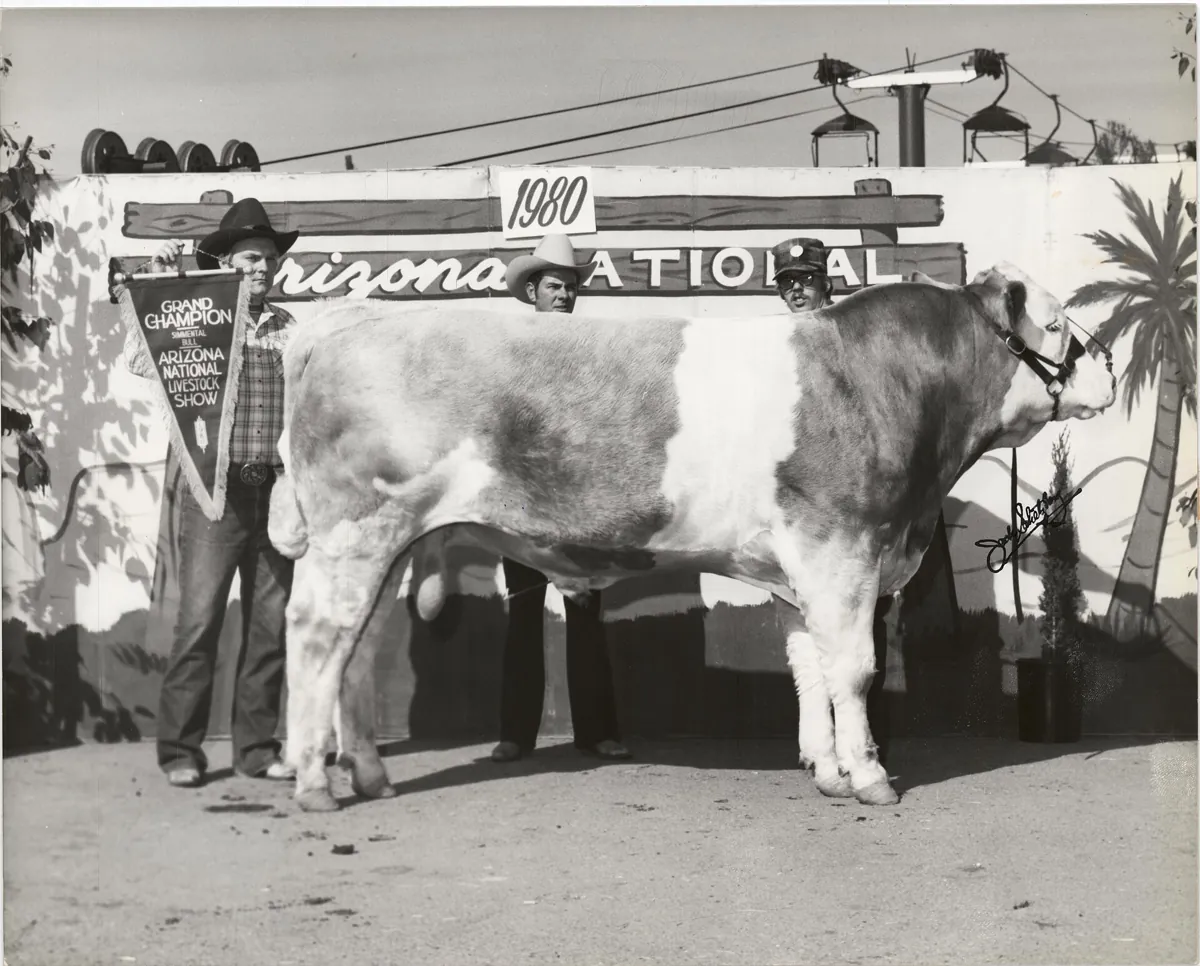
The fair is older than most of the houses around it. Elkhart County was established on April 1, 1830, and for its first century the local calendar revolved around planting, harvest, and the markets that moved grain and livestock. When 4-H clubs took root across Indiana in the early decades of the twentieth century, they gave rural families a structured way to teach young people farming, homemaking, and citizenship — and a reason to gather in one place each summer.
That gathering became the fair. Barns went up, exhibit halls filled, and a midway arrived. Over the decades the event added grandstand entertainment, motor sports, and commercial exhibits while keeping the judging rings at its center. Generations of Elkhart County families have shown animals on the same grounds where their grandparents showed animals, and the schedule still bends around the livestock shows rather than the other way around.
The county’s growth — 207,047 residents across 467.97 square miles — changed the audience without changing the point. Many fairgoers now work in Elkhart’s factories or Goshen’s offices rather than on farms, but they still come to see the hogs, the pies, the tractors, and the neighbors.
A Day Among the Barns, the Midway, and the Grandstand
A day at the fair has a rhythm. Mornings belong to the barns, when animals are washed, fed, and walked. Afternoons fill the exhibit halls and the midway. Evenings pull everyone toward the grandstand and the food rows, when the lights come on and the crowd thickens.
Fair Food Rooted in Elkhart County Farm Cooking
Fair food here is Indiana fair food: pork burgers and tenderloins, grilled sausage, corn on the cob, hand-cut fries, lemon shake-ups, elephant ears, and soft-serve ice cream. Church groups, civic clubs, and 4-H families run many of the stands, which means the menu leans homemade rather than corporate. Dairy barn treats are usually within sight of the cattle barns, and pie and baked-goods sales draw a steady line. Bring cash for the small stands and a card for the larger ones, and plan to eat earlier or later than the noon and six o’clock rushes.
Grandstand Nights and Homegrown Entertainment
The grandstand carries the evening program, and the lineup typically mixes motor sports, tractor and truck pulls, demolition-style events, and musical acts drawn from regional and national touring circles. Some nights sell tickets separately, so it pays to check the schedule before you commit to an evening. Away from the grandstand, you will find talent showcases, band performances, and roving entertainment on the grounds — often featuring local students and county musicians.
Family Activities Beyond the Show Ring
Families with small children usually start in the livestock barns, where kids can watch grooming, ask questions of 4-H members, and get close to animals they otherwise only see in books. The midway handles the rides and games, while exhibit halls offer quieter, air-conditioned browsing through projects, crafts, and crops. Stroller-friendly paths connect most of the grounds, and shaded areas near the barns make good rest stops during the hottest part of the afternoon.
Planning a Summer Trip to the Elkhart County Fairgrounds
Getting There From Goshen, Elkhart, and Beyond
The fairgrounds sit in the Elkhart County countryside within easy reach of Goshen and Elkhart. Major routes through the county — including U.S. 20, U.S. 33, State Road 15, and the Indiana Toll Road corridor — feed into the local road network, and most visitors arrive by car. From South Bend, Fort Wayne, or the Chicago area, the drive is a straightforward northern Indiana run with farmland on both sides.
Where to Stay in and Around Elkhart County
Goshen and Elkhart have the widest choice of hotels and motels, with more options in Middlebury, Nappanee, and the Shipshewana area to the east. Amish-country inns and bed-and-breakfasts appeal to visitors who want a slower pace, and several campgrounds and RV parks serve the region. Fair week fills rooms quickly, so booking well ahead in July is wise.
Parking at the Elkhart County 4-H Fair
Parking is generally handled in designated lots around the fairgrounds, sometimes for a modest fee, with staff directing traffic at peak hours. Arrive before mid-afternoon or after the dinner rush for the shortest walk to the gates. Wear comfortable shoes regardless — the distance from car to barn to grandstand adds up over an evening.
Admission, Rides, and What a Day Costs
Entry to the fairgrounds is typically free, which makes the fair an inexpensive outing for families who mainly want to walk the barns and halls. Budget for food, midway rides and games, and any ticketed grandstand shows. Many vendors take cards, but small 4-H and church stands often prefer cash, so carry some of both.
July Weather in Northern Indiana
Expect heat, humidity, and the occasional afternoon thunderstorm. Mornings and evenings are the most comfortable times to be outdoors, and the barns and exhibit halls offer shade and fans when the sun is high. Sunscreen, a refillable water bottle, and a light rain jacket cover most situations. If storms roll in, the fair may pause outdoor activities briefly and resume once the weather clears.
A Sample Weekend at the Elkhart County 4-H Fair
Friday evening: Arrive in the late afternoon, walk the food row while the crowd is still light, then spend an hour in the livestock barns before the evening shows begin. Finish at the grandstand or with a slow loop through the midway lights.
Saturday: Come early for the show ring. Livestock judging is the heart of the fair, and watching 4-H members present an animal they raised is the most memorable hour most first-time visitors spend here. Break for lunch, tour the exhibit halls, then rest during the hottest stretch of the afternoon.
Sunday: A slower day. Browse the commercial tents, catch a talent showcase or musical performance, buy something from a baked-goods stand, and let children ride the midway before heading home. It is a good day for visitors who want the fair without the biggest crowds.
Elkhart County’s Fair Next to Nearby Indiana Events
Compared with the Nappanee Apple Festival, which fills a smaller town with a harvest-season street celebration, the Elkhart County 4-H Fair is broader and longer — a full week of agriculture, exhibits, and grandstand programming rather than a single weekend downtown. Compared with the Shipshewana flea market and auction scene to the east in LaGrange County, the fair is less about shopping and more about competition, youth projects, and community ritual.
Goshen’s own downtown events and Elkhart’s riverfront gatherings round out the county’s calendar, but none of them carries the same weight with farm families. If you are choosing one northern Indiana summer tradition, the fair offers the deepest look at how this county actually works.
A Fairgoer’s Checklist for Elkhart County
Bring sunscreen, a hat, refillable water, comfortable walking shoes, and a light rain layer; carry cash for small stands plus a card for larger vendors; check the grandstand schedule in advance if a specific show matters to you; plan around the hottest hours of the afternoon; keep an eye on children near the midway and animal pens; leave pets at home; and ask 4-H members questions — they are usually happy to explain what they raised and how they prepared it.
Beyond the Barns: Elkhart County Between Fair Days
The fair is a good reason to spend a weekend in the county rather than a single evening. Goshen’s downtown has independent shops, restaurants, and a walkable historic core, and the Pumpkinvine Nature Trail threads through the countryside between Goshen and Shipshewana. Bonneyville Mill County Park near Bristol preserves an old mill and miles of trails, and Elkhart’s riverfront and manufacturing heritage — including its long association with the recreational vehicle industry — make a worthwhile half day.
Drive the county roads and you will pass working farms, produce stands, and small towns like Middlebury, Wakarusa, and Millersburg. That landscape is the context for everything the fair puts on display.
Why the 4-H Fair Still Anchors Elkhart County Summers
The fair matters because it is one of the few remaining events that pulls an entire county into the same place at the same time. It is where a 4-H member learns to speak confidently about a project, where grandparents watch a grandchild lead a calf, and where neighbors who rarely cross paths all summer end up sharing a picnic table. Volunteers keep it running — thousands of hours from parents, club leaders, and community groups.
In a county of 207,047 people spread across 467.97 square miles, that shared week is a form of civic glue. It connects a manufacturing and agricultural economy to its rural roots and gives young people a stage that is genuinely theirs.
Where the Elkhart County 4-H Fair Sits on the Map
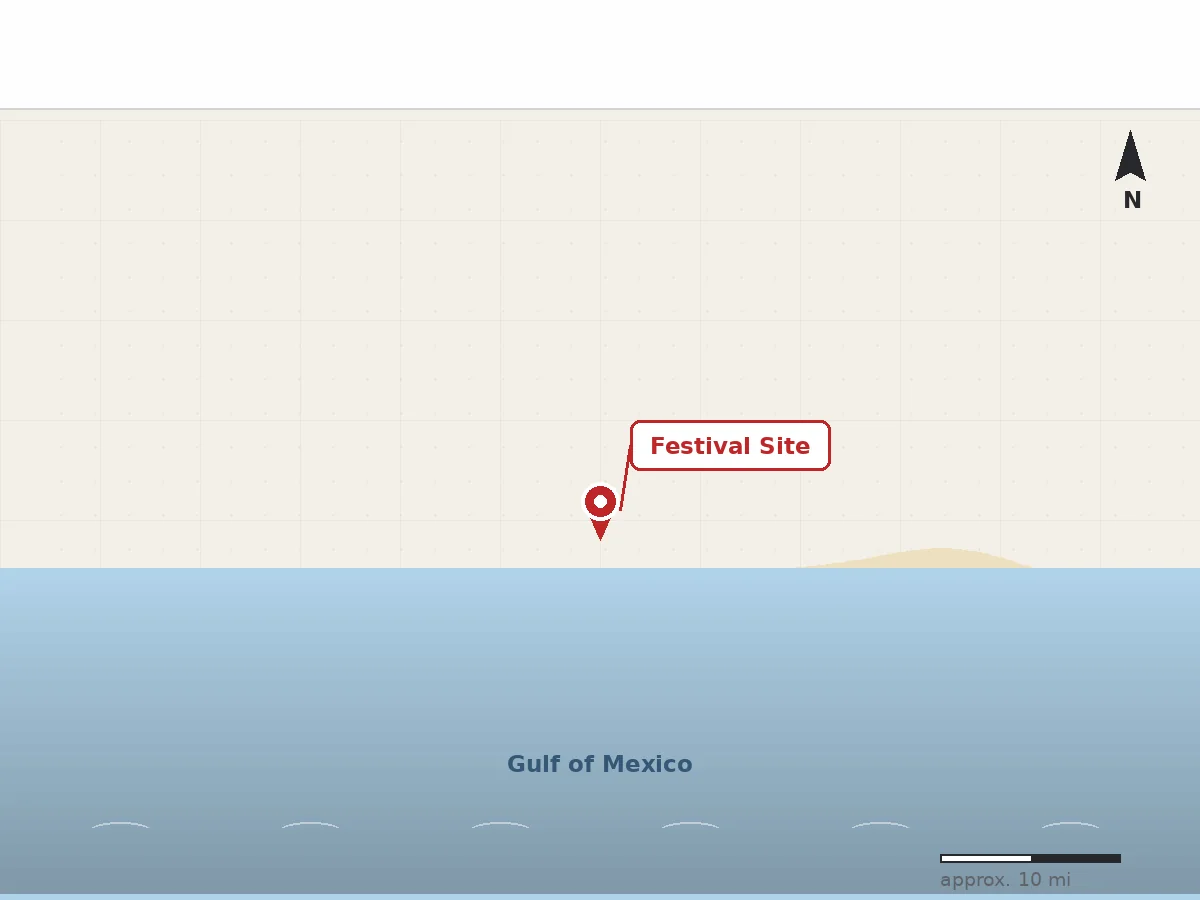
The Elkhart County 4-H Fair takes place at the county fairgrounds in the Elkhart County area of northern Indiana, with Goshen — the county seat — serving as the nearest hub for visitors.
Elkhart County 4-H Fair Questions, Answered
Is the Elkhart County 4-H Fair free to attend?
Entry to the fairgrounds is typically free, so walking the barns, exhibit halls, and commercial tents usually costs nothing. Money goes toward food, midway rides and games, and any grandstand events that sell tickets separately. That mix keeps the fair affordable for families while still funding the week’s programming.
When does the fair usually take place?
The fair is held over one week each summer, most often in July. Because the schedule follows the 4-H calendar and local conditions, exact dates shift from year to year, so check the current season’s schedule before you plan travel. Midweek days tend to be quieter than weekends.
How much time should a first-time visitor allow?
An evening gives you a taste: food row, a walk through the barns, and a grandstand show. A full day lets you watch livestock judging, browse the exhibit halls, and still have energy for the midway. Two visits across a weekend is the most comfortable pace, especially with children or in hot weather.
Is the fair only for farm families?
Not at all. Most of Elkhart County no longer farms for a living, and the fair welcomes anyone curious about where local food, animals, and crafts come from. Come with questions, an appetite, and comfortable shoes, and you will find plenty to do whether or not you have ever set foot in a barn.
What the Next Elkhart County 4-H Fairs May Look Like
The fair’s future looks a lot like its past, with adjustments. Expect continued emphasis on youth exhibitors and hands-on projects, alongside broader programming in technology, animal science, and small-scale agriculture as family farms change shape. Grandstand entertainment will keep evolving toward regional acts and motor-sport nights that reliably draw crowds.
Growth in the county — now 207,047 residents — means more first-time fairgoers each year, and organizers will keep balancing tradition with parking, shade, accessibility, and crowd flow. However the schedule shifts, the core will remain: a week in summer when Elkhart County gathers to see what its young people have built, raised, and baked.
Last updated: October 2026
If you go, go with time to spare. The Elkhart County 4-H Fair is best experienced slowly — one barn at a time, one conversation at a time, with a lemon shake-up in hand and no particular hurry to leave.
One Comment