DeKalb County Indiana Free Fall Fair Festival
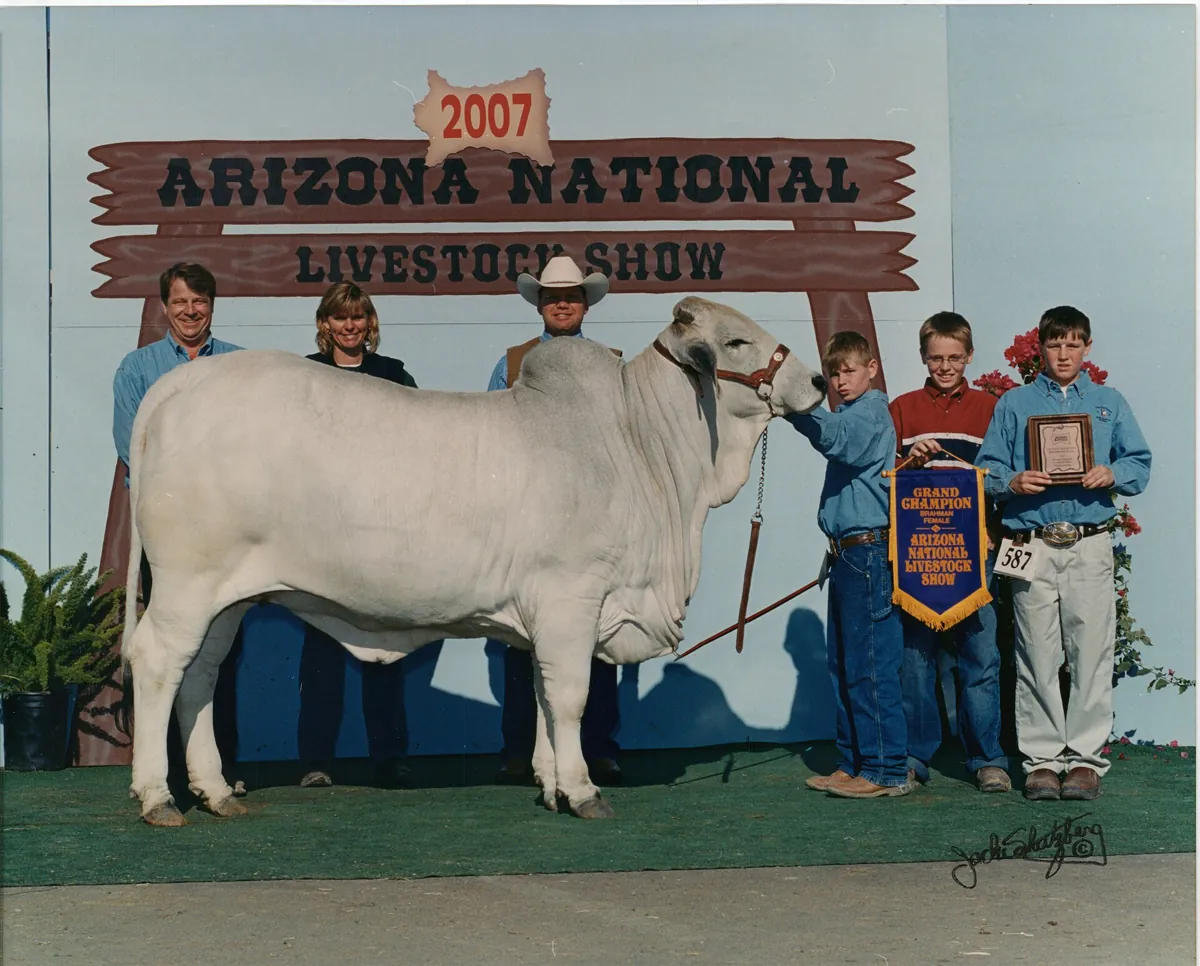
By mid-morning the Hartman family’s truck is already parked in the grass at the edge of the grounds, and the youngest has talked her way into a ride wristband before her parents have finished unfolding the stroller. This is the Free Fall Fair in the DeKalb County area — an autumn weekend that pulls farm families, town families, and anyone within an easy drive of Auburn onto the same few acres for a few unhurried hours.
The day that follows — food first, then the midway, then folding chairs near the stage as the light turns gold — is a fair day most DeKalb County families would recognize on sight. It is also a practical map for anyone visiting the Free Fall Fair for the first time.
Free Fall Fair Essentials: The Facts Before the Fried Food
| Town / place | DeKalb County area, northeast Indiana |
| County | DeKalb County, Indiana |
| County seat | Auburn |
| Population | 43,265 |
| Region | Northeast Indiana |
| Typical timing | Autumn, usually on a weekend in September or October |
| Admission | Typically free; rides, games, and food sold separately |
| Setting | Open fairground-style grounds in the DeKalb County area |
| Features | Midway rides, fair food, live entertainment, family games, community exhibits |
| Organizer | Local volunteers and community organizations across the DeKalb County area |
What the Free Fall Fair Is, in DeKalb County Terms
The Free Fall Fair is a seasonal community celebration in the DeKalb County area, the kind of fair where parking is a field, the entertainment is local, and nobody is in a hurry to leave. DeKalb County covers 363.85 square miles and is home to 43,265 people, with Auburn as the county seat, and the fair matches that scale: large enough that you will run into neighbors you have not seen since summer, compact enough that you can walk the whole grounds twice in an afternoon.
Expect the classic fairground vocabulary. A midway, food trailers, at least one stage, games, exhibits, and a great deal of standing around talking. Admission is typically free, which means money changes hands for rides, games, and food rather than at the gate. Families come for a few hours in the afternoon; teenagers drift back in the evening. Bring cash, wear shoes you can walk in, and pack a jacket for after sunset.
From 1835 Auburn to Today’s Free Fall Fair
DeKalb County was authorized on February 7, 1835, and organized in 1837, with Auburn as its seat. That makes the county older than most of the towns inside it, and it makes the fair part of a long local habit: when the growing season ends, the county gathers. Fall fairs grew out of that rhythm — a harvest-time excuse to trade news, show off livestock and handiwork, feed everyone, and let the kids run until dark.
For another look at how a community turns its own traditions into a gathering, see the Decatur County Iowa 4-H & FFA Fair Festival for a useful comparison.
A modern Free Fall Fair looks different from whatever the earliest version was. There are more lights, better sound, and considerably more fried food. But the shape has held: a midway, a stage, a place to eat, a place to sit, and a reason to see people you would otherwise only wave at from a truck. For families like the Hartmans, the fair is less an event than an annual appointment — the weekend that marks the turn from harvest to winter. Continuity, not novelty, is what keeps it on the calendar.
Inside a Free Fall Fair Day in DeKalb County
Fair Food: Tenderloins, Funnel Cakes, and Kettle Corn
Food is the first stop and the last one. The Hartmans’ house rule is eat before you ride. Expect the standard Indiana fair lineup: breaded pork tenderloins, corn dogs, elephant ears, funnel cakes, kettle corn, lemonade shake-ups, and at least one stand selling something fried that nobody can fully identify until it arrives. Lines move fastest in the early afternoon and slow sharply after dusk. Portions are generous, prices are fairground prices, and most stands appreciate cash.
Live Music and Entertainment Around the Grounds
Entertainment at the Free Fall Fair leans local: regional country and rock bands, younger performers on a smaller stage, and announcements between sets that carry across the whole grounds. Sets usually run from the afternoon into the evening. If you plan to settle in near the stage for the last set, bring folding chairs or a blanket, because seating is first come, first claimed. Between sets, the midway is its own performance — bells, generators, and a caller who never seems to breathe.
Family Activities for Every Age Group
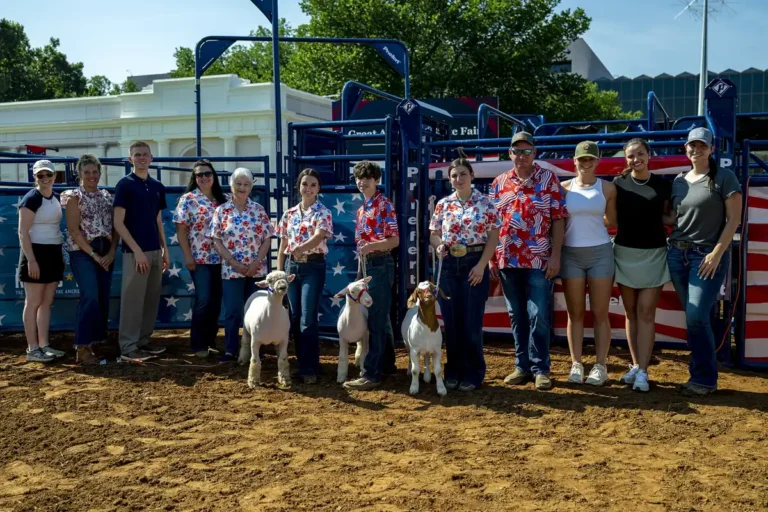
Rides span the full range, from slow spinners for small children to machines that require a strong stomach and a signed agreement with gravity. Beyond the midway there are games, face painting, craft and livestock exhibits, and usually a quieter corner where grandparents can sit in the shade and watch. Teenagers orbit the rides and the stage; toddlers burn out by late afternoon. Families with young children do best early, when lines are short and the sun is gentler.
Planning a DeKalb County Fair Weekend
Getting to the Free Fall Fair From Auburn and Beyond
Auburn, the county seat, is the natural reference point for the drive. DeKalb County sits in northeast Indiana within reach of Interstate 69, and most visitors arrive by county road, which means the last few miles are two-lane, flat, and lined with corn. From Fort Wayne, Kendallville, or Angola, the Free Fall Fair is a regional day trip. Traffic stacks up near the entrance as the evening crowd arrives, so add buffer time.
Where to Stay Near DeKalb County
Lodging around the fair is the usual regional mix: chain hotels near the interstate in and around Auburn and Fort Wayne, plus independent motels and campgrounds within a half-hour drive. Fair weekends fill rooms early, especially when college football and fall festivals compete for the same Saturday. Book well ahead, or plan the fair as a long day trip and sleep at home.
Parking on and Around the Grounds
Parking is typically field parking, with volunteers waving cars into rows. Arrive before the mid-afternoon rush if you want to park close. Park facing out where the grass allows, note a landmark near the entrance, and keep an eye on where the exits are. If you end up on a rural shoulder, keep all four wheels clear of the roadway.
Admission, Wristbands, and What Things Cost
Admission to the Free Fall Fair is typically free, which is a large part of why local families treat it as a default weekend plan. The spending happens inside: ride tickets or wristbands, games, food, raffles, and whatever the kids spot on the way out. Wristbands generally make sense for children who intend to ride all afternoon; ticket sheets suit everyone else. Carry cash, and decide on a midway budget before you walk through the gate.
Autumn Weather in Northeast Indiana
Fall weather in northeast Indiana swings hard. A warm, sunny afternoon can turn into a genuinely cold evening, and a passing shower can leave the grass soft underfoot. Layers beat a single heavy coat, because you will shed one and want the other. Waterproof shoes are worth more than an umbrella. Rain rarely shuts a fair down, but lightning will pause the rides.
A Sample Free Fall Fair Weekend, Told in Hours
Saturday, mid-morning: The Hartmans arrive early, park in the first rows, and head straight for food. By late morning the kids are on the rides while the adults walk the exhibits.
Saturday, early afternoon: The midway is at its busiest and the food lines are longest. This is the window for games, face painting, and the quieter corners of the grounds. Refill water bottles.
Saturday, late afternoon: A deliberate slowdown. Sit in the shade, listen to the first band, let the youngest nap in the stroller.
Saturday, evening: The lights come on, the stage gets loud, and the fair becomes a different event entirely. Stay for one last ride on something tall enough to see the whole county, then beat the worst of the exit traffic.
Sunday: A shorter, calmer version of the same day. Exhibits, lunch, and home before dark. Many families pick Sunday precisely because it feels less like a crowd and more like a neighborhood.
How the Free Fall Fair Compares With Nearby Towns and Counties
Within DeKalb County, the Free Fall Fair is the big autumn gathering, while towns like Garrett and Waterloo keep their own quieter rhythms — smaller events, shorter lines, and a stronger sense of running into the same dozen people all afternoon. Neighboring county seats such as Kendallville in Noble County and Angola in Steuben County host their own seasonal calendars, usually with a similar mix of food, music, and small-town scale. Fort Wayne, in Allen County, offers the metropolitan alternative: bigger venues, bigger crowds, and no field parking. If you want the fairground experience with a county-seat feel, the Free Fall Fair is the middle ground — larger than a town festival, smaller than a city one.
Free Fall Fair Checklist: What to Bring and Confirm
| Cash in small bills | Many stands and games move faster with cash |
| Layers and a rain shell | Afternoons are warm; evenings are not |
| Closed-toe, mud-friendly shoes | Grass parking and dirt midway aisles |
| Folding chairs or a blanket | Stage seating is first come, first served |
| Sunscreen and hats | Fall sun is deceptive in open fields |
| Wipes and hand sanitizer | Livestock exhibits, rides, and fair food |
| An agreed meeting point | Cell service gets crowded when the grounds fill |
| Reusable water bottles | Refilling beats buying bottles all evening |
| A ride-home plan | The evening crowd leaves all at once |
Beyond the Fair: Auburn and the Rest of DeKalb County
The fair is a few acres; DeKalb County is 363.85 square miles of it. Spend an extra hour on the back roads and the trip becomes something more than a midway. Auburn, the county seat, is where the county does its business, and downtown makes an easy stop for coffee or a late lunch before the drive home. Out in the countryside, autumn is the main attraction: harvested fields, tree lines turning, and the low gold light that makes every county road look like a photograph. Fill the tank before you leave town, because gas stations thin out quickly once you are past the last stoplight.
What the Free Fall Fair Means to 43,265 Neighbors
A county of 43,265 people does not get many chances to be in one place. The Free Fall Fair is one of them. It is where volunteer fire departments and church groups run food stands that fund the rest of their year, where teenagers get their first jobs handing out tickets, and where grandparents watch their grandchildren ride the same rides they rode. The economic effect is modest and local; the social effect is not. For a few days each autumn, DeKalb County stops being a set of separate towns and becomes one long, loud, well-fed neighborhood.
Where the Free Fall Fair Happens on the DeKalb County Map
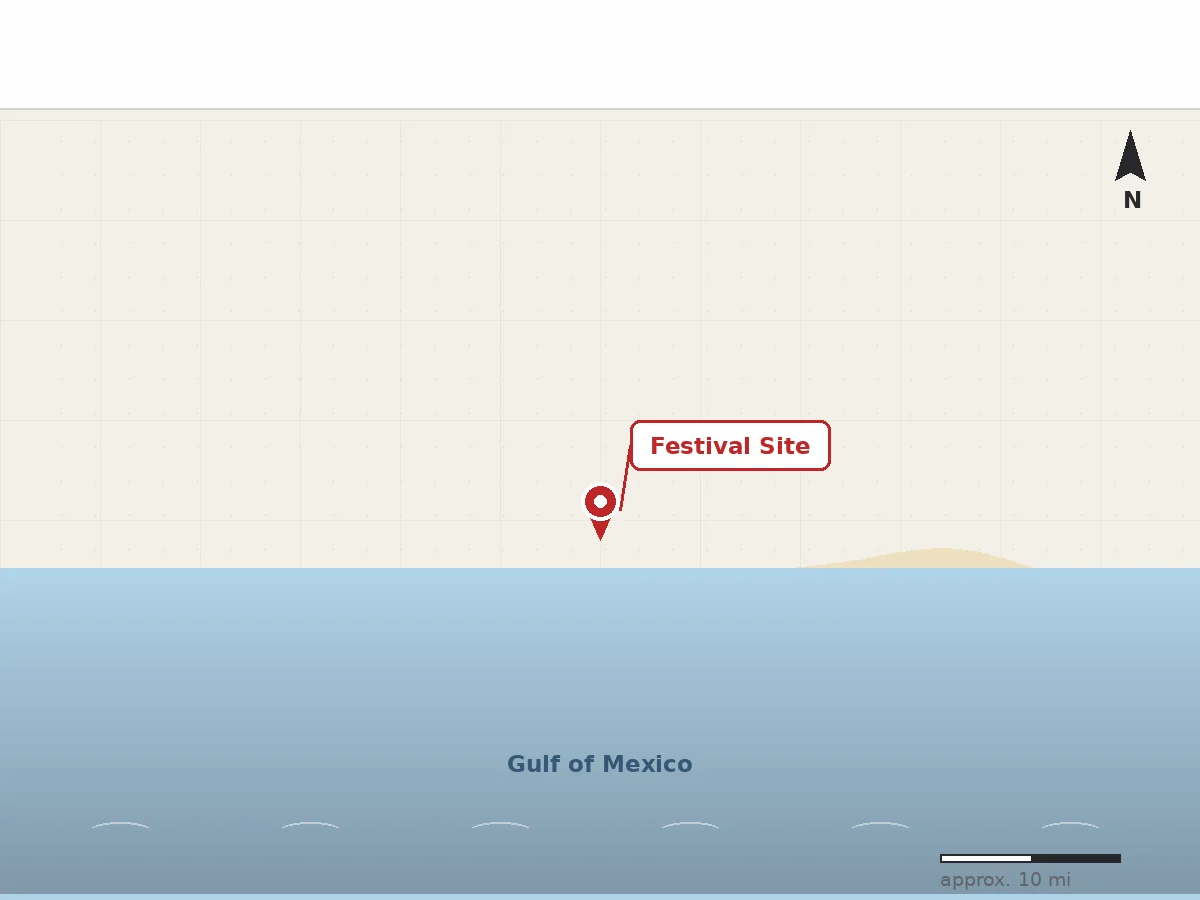
The Free Fall Fair takes place in the DeKalb County area of northeast Indiana, with Auburn — the county seat of a 363.85-square-mile county — acting as the hub for visitors coming from every direction.
Free Fall Fair Answers for DeKalb County First-Timers
Is the Free Fall Fair free to attend?
Admission is typically free, and that is one of the fair’s defining features. You pay for what you use — rides, games, food, raffles — rather than at the gate. Budget for the midway rather than the entrance, and bring cash, since many stands and games process cash faster than cards.
What time of year does the Free Fall Fair take place?
The fair is an autumn event, usually held on a weekend in September or October. Because it follows the harvest calendar, the exact weekend shifts from year to year. Check local listings before you plan a trip, and treat any warm, dry weekend in early fall as a strong candidate.
Is the Free Fall Fair a good fit for young children?
Yes. Mornings and early afternoons are the friendliest window: shorter ride lines, gentler sun, and fewer crowds around the stroller. Bring wipes, a change of clothes, and a plan for the inevitable meltdown around nap time. Strollers handle the grass and gravel fine in dry weather, less so after rain.
How long should we plan to stay?
Most families spend three to five hours at the fair and call it a day. If you stay for the evening music, plan on six or more, plus time to get out of the parking field. A two-day visit — a long Saturday and a shorter Sunday — is the relaxed version, and it lets you see exhibits you walked past the first time.
Looking Ahead to Future Free Fall Fair Seasons
The Free Fall Fair’s future looks a lot like its past: a weekend each autumn, a midway, a stage, and a county that shows up. What changes are the details. Fair organizers everywhere are balancing rising costs for rides and insurance against the expectation that admission stays free, and volunteer crews keep getting older. The fairs that thrive are the ones that keep bringing in younger families, whether through better kids’ programming, more local food vendors, or simply the fact that the whole town is there. DeKalb County has the advantage of a genuine tradition and a population that still thinks of the fair as something you do, not something you consider. As long as that holds, the lights will come on again next fall.
Last updated: October 2026
By the time the Hartmans pull out of the parking field, the youngest is asleep in her car seat with a sticker still stuck to her hand, and the truck smells faintly of kettle corn. Nobody says much on the drive back toward Auburn — there is nothing left to plan, and the weekend has done its job. That is the Free Fall Fair: a few acres, a few hours, and a county that keeps remembering why it shows up.
One Comment