Crawford County Iowa Crawford County Fair Festival

In Crawford County, fair week is less an event than a shift in the local rhythm. Denison, the county seat, empties a little earlier in the afternoon. Coolers get packed. Kids who spent spring halter-breaking a calf start checking the forecast every morning. “We don’t really decide whether we’re going,” one longtime Denison resident says. “We decide what time we’re getting there.” That habit — half tradition, half routine — is what the Crawford County Fair runs on.
Crawford County Fair Basics: Denison, July, and the Fairgrounds
| Festival | Crawford County Fair |
| County | Crawford County, Iowa |
| County seat | Denison |
| Population | 16,525 (2020 census) |
| Land area | 715.037 square miles |
| Region | Western Iowa |
| Typical timing | Mid-summer, usually July |
| Admission | Typically free to walk the grounds |
| Setting | Rural fairgrounds a short drive from Denison |
| Signature features | Livestock shows, 4-H and FFA exhibits, grandstand entertainment, carnival, fair food |
The Fair That Belongs to Crawford County’s Farm Families and Town Kids
Every county fair claims to be local. The Crawford County Fair has a stronger case than most. It draws from a county of 715.037 square miles of western Iowa farmland and small towns, with Denison as its seat, and from a population counted at 16,525 in the 2020 census. That is small enough that the fair’s volunteer organizers, exhibitors, and regulars tend to know one another by name — or at least by the breed of cattle they show.
The fair is built around the rhythms of rural life: livestock shows, 4-H and FFA project exhibits, a carnival midway, grandstand entertainment, and food stands run by local churches, clubs, and booster groups. It is a place where a kid’s year of work with a hog or a photography project gets displayed in public, and where grandparents who showed in the same barns decades ago come back to watch.
Because the fair is organized by volunteers from across the county rather than a large commercial promoter, its character changes slowly. Denison residents describe it in terms of habit: the same families work the same shifts, the same parking volunteers wave cars into the same rows, and the same benches near the show ring fill up each evening.
From 1851 County Lines to a Fair Week Denison Never Skips
Crawford County was created in 1851 and formally organized in 1855, named for William Harris Crawford. Denison became its seat, and the surrounding prairie was broken into the farm ground that still defines the landscape today. County fairs across Iowa took shape in that same era, when agricultural societies organized competitions to improve livestock, crops, and household skills.
For another look at how a community turns its own traditions into a gathering, see the Clinton County Iowa Clinton County Fair Festival for a useful comparison.
Crawford County fit that pattern. As the county’s farm economy matured through the late nineteenth and early twentieth centuries, an annual gathering for judging, trading, and socializing became a fixed point on the calendar. The fair’s modern form — a week of livestock judging, project exhibits, grandstand shows, and midway rides — reflects decades of accumulated volunteer effort rather than any single dramatic origin story.
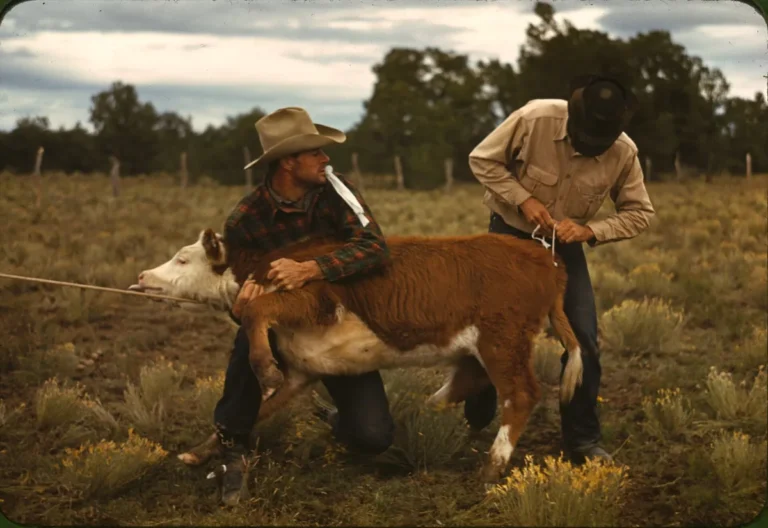
What has stayed constant is the agricultural core. Cattle, swine, sheep, poultry, and rabbits still occupy the barns. Baking, canning, quilting, and photography still fill the exhibit halls. And the county’s 4-H and FFA programs still use fair week as the culmination of a year’s work, which is why so many Crawford County adults can trace their first public speaking, first paycheck, or first trophy to a fairgrounds building.
Fair Week in Crawford County: What Actually Happens on the Ground
Fair week runs on a schedule that most families learn by heart. Mornings belong to weigh-ins, judging, and barn chores. Afternoons are for exhibits and rides. Evenings bring the grandstand crowd and the busiest food lines. If you only have one day, come for the late afternoon and stay through dark.
Fair Food Locals Schedule Their Day Around
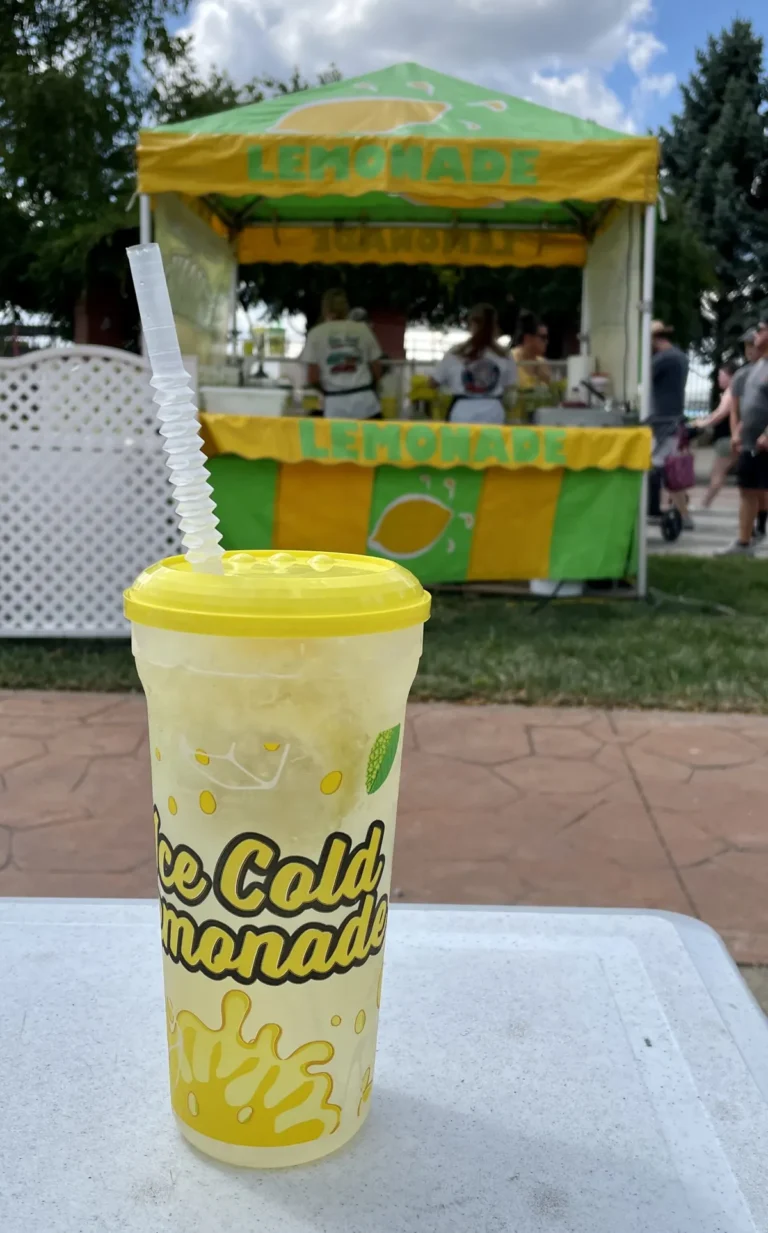
The food stands are run largely by local organizations, which is why the menu reads like a church cookbook crossed with a carnival. Expect pork producers’ sandwiches, beef sundaes, walking tacos, funnel cakes, homemade pies, and lemonade shaken while you wait. “We eat lunch at the fair and then eat lunch again,” one Crawford County parent jokes. Lines are longest right after the evening grandstand lets out, so regulars buy early and graze all night.
Grandstand Nights and Local Bands
Evening entertainment anchors the week. Grandstand programming in most years includes a mix of motorsports-style events and musical performances, while smaller stages and beer gardens feature regional bands and local talent. Families who have attended for years know to claim a spot on the grass early, spread a blanket, and let the kids run while the sound check finishes.
Family Activities, 4-H Barns, and Kid-Sized Traditions
For families, the fair is a walking loop with rewards at every turn: the petting areas, the carnival rides, the rabbit and poultry barns, and the exhibit hall where a neighbor’s child has a blue ribbon pinned to a poster. A common Crawford County habit is the “barn tour” — grandparents, parents, and kids moving from cattle to swine to sheep, greeting exhibitors by name. Little ones usually end up at the rides; teenagers end up wherever their friends are.
Planning Your Crawford County Fair Visit from Out of Town
The fair is a straightforward destination for anyone traveling through western Iowa, but a little planning makes a summer day much easier.
Getting to the Crawford County Area
Denison sits in western Iowa, reachable by car via the region’s highway network. Most visitors drive in from surrounding counties or make the trip from larger Iowa cities as a day out. There is no practical public transit option for the fairgrounds, so plan on driving.
Where to Stay Near Denison
Denison has the county’s largest concentration of lodging, with motels and guest accommodations in and around town. Visitors often base themselves in Denison and drive to the grounds, or stay with family in the county’s smaller communities. Book early for fair week — it is one of the busiest stretches of the summer locally.
Parking on Busy Fair Nights
Fairgrounds parking is typically handled by local volunteers and fills quickly on grandstand nights. Arriving before the evening rush is the simplest strategy. Expect some walking from outer lots, and wear shoes you don’t mind getting dusty.
Admission and What Things Cost
Admission to the fairgrounds is generally free in most years, with individual costs falling on food, carnival rides, and certain grandstand events. Bring cash for stands run by local groups, and check locally posted schedules for any ticketed programming.
Crawford County Weather in Fair Season
Mid-summer in western Iowa means heat, humidity, and the occasional thunderstorm. Mornings are the most comfortable for barn visits; shade is scarce in the middle of the day. Pack water, sunscreen, and a light rain layer, and keep an eye on the sky if storms are forecast.
A Sample Weekend at the Crawford County Fair
Friday afternoon. Arrive mid-afternoon, park, and walk the barns while they’re still relatively calm. Grab an early dinner from a local food stand before the lines build. Spend the early evening at the carnival with kids, then settle near the grandstand for the night’s entertainment.
Saturday morning. Come back early for livestock judging and the exhibit hall. This is when the fair feels most like itself — exhibitors in show clothes, parents holding coffee, judges working through classes. Walk the poultry and rabbit barns with younger children, who tend to prefer them to the cattle.
Saturday evening. Return for the busiest night of the week. Eat your way through the midway, catch the grandstand show, and stay for the lights. Leave a little before the final rush if you want an easy exit from the parking lot.
How the Crawford County Fair Compares with Nearby Fairs
County fairs across this part of western Iowa share a common DNA — livestock, 4-H exhibits, a midway, a grandstand — and differ mostly in scale and personality. Fairs in neighboring counties to the north and south tend to run on similar summer timing, which means travelers can sometimes catch more than one in a season.
What sets Crawford County apart is its size-to-enthusiasm ratio. With a population of 16,525, the county produces a fair week that feels considerably bigger than the numbers suggest, largely because so many families are directly involved as exhibitors, volunteers, or both. Compared with fairs in larger regional towns, Crawford County’s version is easier to walk, cheaper to enjoy, and more likely to involve running into someone you know.
Crawford County Fair Checklist for First-Timers
Bring: cash, water bottles, sunscreen, hats, comfortable closed-toe shoes, and a light jacket for after dark.
Plan: check the fair schedule before you drive out, and decide which evening’s grandstand programming you want.
Respect: ask before touching animals, keep strollers clear of the show ring, and follow exhibitor instructions in the barns.
Skip: arriving at peak dinner hour on a grandstand night unless you enjoy waiting in line.
Beyond the Fairgrounds: Denison and the Rest of Crawford County
Fair week is a good excuse to see more of the county. Denison, the county seat, is the natural base — its downtown blocks, local restaurants, and shops make an easy morning or a rainy-day backup. The county’s smaller communities each have their own character, and a drive across Crawford County’s 715.037 square miles passes working farms, grain elevators, and small-town main streets that explain a lot about why the fair looks the way it does.
Visitors often pair the fair with a stop at a local diner or a look around Denison before heading home. If you’re coming from out of the area, build in an extra hour just to drive the county roads — the landscape is the context for everything happening in the barns.
What Fair Week Still Means in a County of 16,525
In a county this size, the fair is one of the few events that gathers nearly every part of the community at once. Farmers, town residents, school families, church groups, and local businesses all show up in the same place for the same week. For 4-H and FFA members, it is a public test of a year’s work. For older residents, it is a reunion. For kids, it is the week summer is measured against.
That mix is fragile in the sense that it depends entirely on volunteers — people who take vacation days to run a food stand or spend evenings sweeping a barn aisle. Crawford County keeps producing them, which is why the fair has remained a fixture rather than a memory.
Finding Your Way to the Crawford County Fairgrounds
The fairgrounds sit in the Crawford County area, a short drive from Denison, Iowa, and are easiest to reach by car via the region’s highways.
Crawford County Fair Questions Locals Hear Every July
Is the Crawford County Fair free to attend?
In most years, admission to the fairgrounds is free, with costs limited to food, carnival rides, and certain grandstand events. Because details can change from year to year, check locally posted information before you go.
When is the Crawford County Fair usually held?
The fair is a mid-summer event, typically falling in July, which is standard timing for county fairs across Iowa. Confirm the current year’s schedule through local sources rather than relying on memory.
What should first-time visitors bring?
Cash, water, sunscreen, and comfortable shoes top the list. Add a light layer for cool evenings and a rain jacket if storms are in the forecast. If you plan to spend time in the barns, closed-toe shoes are essential.
Is the fair good for young children?
Yes. The small-animal barns, carnival rides, and food stands are all family-friendly, and the grounds are compact enough for a stroller. Mornings are the easiest time to visit with little kids, before the heat and crowds build.
Looking Ahead to Future Crawford County Fair Seasons
The fair’s future depends on the same things it always has: volunteers, exhibitors, and families willing to show up. Crawford County’s 4-H and FFA programs continue to feed new generations into the barns, and the volunteer board that organizes fair week keeps the event rooted in local hands rather than outside promoters. For visitors, that means the fair is likely to keep looking and feeling much as it does now — modest in scale, heavy on tradition, and best experienced slowly.
Last updated: October 2026
If you go, go the way Crawford County goes: early in the day, back again in the evening, and with cash in your pocket for whatever the food stand is frying. The fair is not a spectacle you cross off a list. It is a week the county has been keeping for generations, and the best way to understand it is simply to walk in, find a bench near the show ring, and stay awhile.


One Comment