Clarke County Iowa 4-H Fair Festival
Osceola has been the seat of Clarke County since the county was organized in 1846, and the town’s rhythm has always run on the farm calendar. Clarke County covers 432 square miles of rolling south-central Iowa ground and counted 9,748 residents in the 2020 census; it was named for James Clarke, and its courthouse square in Osceola still serves as the place where the county gathers. Every summer, that gathering shifts a short distance to the fairgrounds for the Clarke County Iowa 4-H Fair, where club members bring bucket calves, rabbits, photography, cookies and woodworking to be judged — and where neighbors bring their appetites.
The Clarke County 4-H Fair, Condensed Into One Table
If you want the essentials before reading further, this is the fair in ten lines.
| Town / area | Osceola and the surrounding Clarke County countryside |
| County | Clarke County, Iowa — founded 1846, named for James Clarke |
| County seat | Osceola |
| Population | 9,748 (2020 census) |
| Land area | 432 square miles |
| Region | South-central Iowa |
| Typical timing | A summer weekend, most often in July |
| Admission | Typically free at the gate |
| Features | Livestock shows, static exhibits, food stands, rides, grandstand events |
| Organizer | Clarke County 4-H clubs and local volunteers |
What a 4-H Fair in Clarke County Actually Is
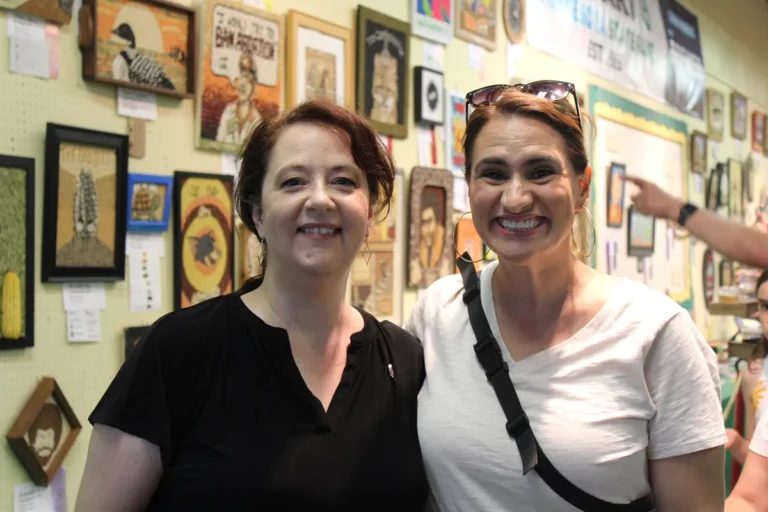
A county 4-H fair is not a carnival with livestock attached; it is a youth program with a carnival attached. In Clarke County, the fair is the annual showcase for club members who have spent months on a single project — a bucket calf, a pen of rabbits, a photography portfolio, a batch of cookies, a rebuilt wood project. Judges evaluate every entry, ribbons get pinned to display boards and stall fronts, and the strongest work often advances to larger competitions beyond the county line.
Around that core, the fair assembles a few days of community life: barns full of animals, a show ring with bleachers, a building of static exhibits, food stands run by clubs and local groups, and grandstand entertainment in the evening. Gate admission at Iowa county 4-H fairs is typically free, with money changing hands instead for food, rides, raffle tickets and the livestock sale. For families in and around Osceola, it is simultaneously a competition and a reunion — the same faces in the same barns, one summer after another.
Osceola, James Clarke, and the Farm Roots Behind the Fair
Clarke County was established in 1846 and named for James Clarke, and Osceola became its county seat. The surrounding 432 square miles settled into the pattern that still defines the place: corn and soybeans, hay ground, cattle, hogs, and small towns linked by gravel roads. With a 2020 census population of 9,748, the county is small enough that the fair functions as a genuine all-hands event rather than an anonymous crowd.
For another look at how a community turns its own traditions into a gathering, see the Chickasaw County Iowa Big Four Fair Festival for a useful comparison.
County fairs across Iowa grew out of nineteenth-century agricultural societies that wanted farmers comparing notes on seed, stock and machinery. The 4-H idea arrived in the early 1900s, organized through rural schools and extension work, and it gradually became the engine of the county fair — shifting the emphasis from prize livestock owned by adults to projects raised, baked, built and photographed by young people. Clarke County’s fair followed that arc. The grounds became a permanent summer address, and the fair tracked every change the county went through: mechanization, the consolidation of family farms, and families moving into Osceola while still working ground outside town. What never changed is the central ritual — a young exhibitor walking an animal into the ring while a judge watches, and a whole set of bleachers watching both of them.
What a Fair Weekend in the Clarke County Area Looks Like
Expect a compact, walkable fairgrounds where the distance from the hog barn to the pie stand is measured in steps rather than blocks. The days start early with weigh-ins and judging, quiet down in the heat of the afternoon, and come back to life after supper.
Food Stands, Pie Slices, and Small-Town Cooking
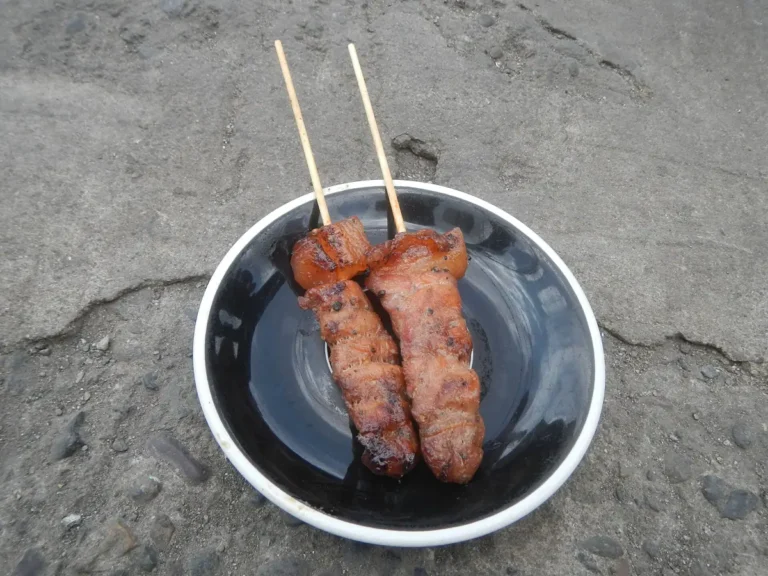
Food is half the reason people come. The menu is the classic county fair lineup — burgers and brats off a flat-top, walking tacos, tenderloins, funnel cakes, soft-serve, lemonade by the gallon — and much of it is sold by volunteer groups, church committees and 4-H clubs raising money for the year ahead. Look for the stand with the handwritten sign and the line of locals; that is usually where the pie and the homemade ice cream are.
Grandstand Nights and Local Talent
Evenings belong to the grandstand, where county fairs in this part of Iowa typically program tractor pulls, a demolition derby, a rodeo night or live music from regional bands. Between the bigger draws, you will find talent shows, karaoke, and announcements over a PA system that reaches every corner of the grounds. Arrive early for a seat on the bleachers; the best view of the track is also the most popular one.
Family Activities From Judging Morning to Ride Lights
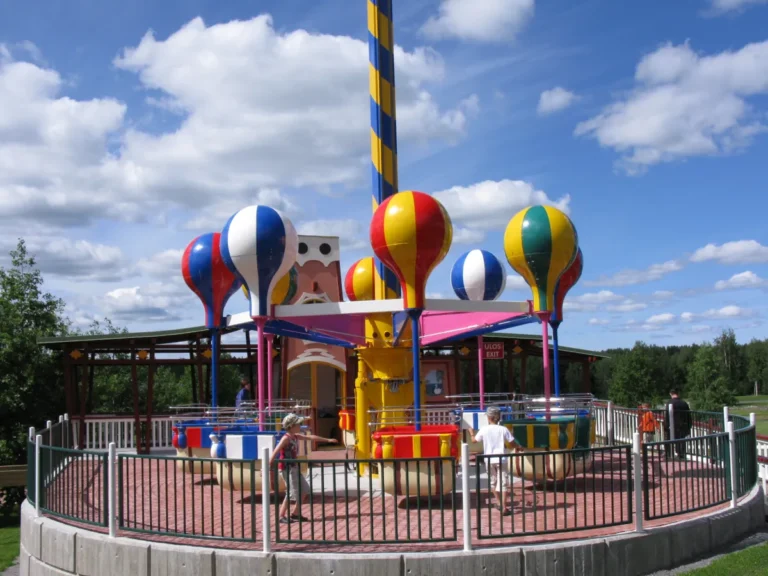
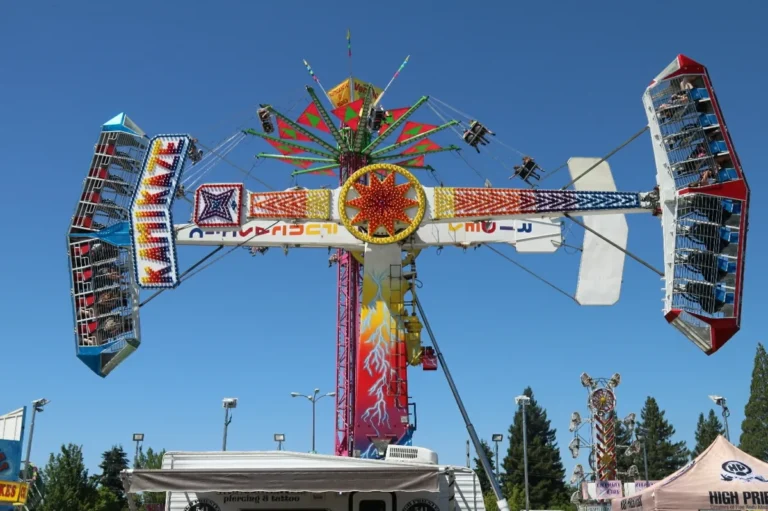
Families with younger children tend to build their day around the petting areas, the carnival rides, games, face painting and the chance to watch older kids work with animals. Static exhibit buildings are underrated with small children — they can see what someone their own age made and, in many cases, try a hands-on activity. Clover Kid events, geared to the youngest members, keep the pipeline full for the years ahead.
Planning a Trip to Osceola for Fair Weekend
Getting to Clarke County
Osceola sits in south-central Iowa along the Interstate 35 corridor, which makes the drive straightforward from Des Moines to the north and from the Missouri border counties to the south. Once you leave the interstate, county roads and a short in-town drive take you the rest of the way. Des Moines International Airport is the nearest large commercial airport for out-of-state visitors.
Where to Stay Around Osceola
Most visitors stay in Osceola, where lodging clusters near the interstate interchange and fills quickly on fair weekends. Book well ahead if you are coming for a specific night. Some fairgoers prefer to camp; if that appeals to you, contact the fair office directly about whether camping or hookups are available on the grounds, since policies vary from year to year.
Parking at the Fairgrounds
Fairgrounds parking is generally on grass or gravel in designated lots, with volunteers directing traffic at peak times. Come early for the best spot and an easier exit, and expect a short walk from the outer lots. Follow the signs rather than parking along the road, and keep an eye out for pedestrians and livestock trailers moving through the same space.
Admission, Costs, and Cash
Gate admission to county 4-H fairs in Iowa is typically free, so the real spending happens inside: food, carnival rides, raffle tickets, game booths and grandstand concessions. Carry some cash even though many stands now take cards, because small volunteer operations sometimes do not. If you are attending the livestock sale, know in advance what you are comfortable bidding.
Summer Weather in South-Central Iowa
July in this part of Iowa means heat, humidity and the real possibility of an afternoon thunderstorm. Wear light clothing, bring a hat and refillable water bottle, and treat the shade of the exhibit buildings as a legitimate itinerary stop. Evenings cool off pleasantly, which is why grandstand events and the midway feel best after sunset. Keep a light rain jacket in the car.
A Sample Weekend Itinerary in Clarke County
Friday evening: Arrive as the barns settle in. Walk the livestock aisles while exhibitors are still grooming, grab supper from a club food stand, and stay for whatever the grandstand has scheduled.
Saturday morning: This is the heart of the fair. Livestock shows begin early, and the show ring is where the year’s work gets tested. Bring a folding chair or claim bleacher space early.
Saturday afternoon: Move indoors to the static exhibit building during the hottest hours, then let the kids loose on the rides and games. Refill water bottles. Eat pie.
Saturday evening: Grandstand event, midway lights, and the fairgrounds at its most social. This is when you run into people you have not seen since last summer.
Sunday: A quieter morning, often with a final round of shows or a livestock sale, followed by the slow business of loading out. It is the best time to talk with exhibitors, who finally have a free hand.
How the Clarke County Fair Compares With Neighboring Counties
Clarke County’s fair is a small-county fair, and that is its advantage: shorter lines, easier parking, and a pace that lets you actually watch a class from start to finish. Nearby Madison County, with Winterset as its seat, pairs its fair with the covered-bridge tourism that draws visitors year-round. Lucas County, based in Chariton, runs a similarly scaled fair with a strong local following, while Union County’s fair in Creston draws from a somewhat larger trade area. Farther north, Indianola’s balloon festival season gives Warren County a very different kind of summer draw. If you are touring fairs, Clarke fits neatly between them — a genuine, unhurried version of the tradition.
What to Bring and Remember for the Clarke County 4-H Fair
Pack for a farm field on a hot day: closed-toe shoes for barn aisles, sunscreen, a hat, a refillable water bottle, insect repellent for the evening, and a light rain jacket. Bring a folding chair if you plan to sit through a long show, and a small towel or wipes if children will be handling animals.
Leave the dogs at home unless the fair publishes otherwise, keep strollers to the edges of barn aisles, and ask before photographing or touching any animal — exhibitors are proud of their projects and almost always happy to talk, but a startled animal is a real risk. Wash hands after visiting barns, particularly before eating. Finally, remember that the people running the stands and the gates are volunteers, often the same families who have been doing it for decades.
Beyond the Fairgrounds in Osceola and Rural Clarke County
Ribbons, Auctions, and Why Clarke County Keeps Showing Up
Osceola’s courthouse square is worth an hour of your weekend, with its county buildings, small storefronts and cafes that fill up on fair mornings. Outside town, Clarke County opens into the farmland that the fair exists to celebrate — county conservation areas, gravel roads, and the kind of low, green horizon that makes south-central Iowa feel wide open. The Interstate 35 corridor makes it easy to extend the trip north toward Des Moines or south toward the Missouri border.
For a county of 9,748 people, the fair is a remarkable piece of infrastructure. It is where a nine-year-old learns to speak to a judge, where a teenager learns that months of work can be evaluated in ninety seconds, and where a buyer at the livestock sale quietly teaches a lesson about the value of effort. Those are not abstract benefits; they show up in the same families returning year after year, in grandparents in the bleachers, and in alumni who still come back to watch. The fair survives on volunteers, on clubs, and on the simple fact that Clarke County has never stopped believing the tradition is worth the work.
Where the Clarke County Fairgrounds Sit
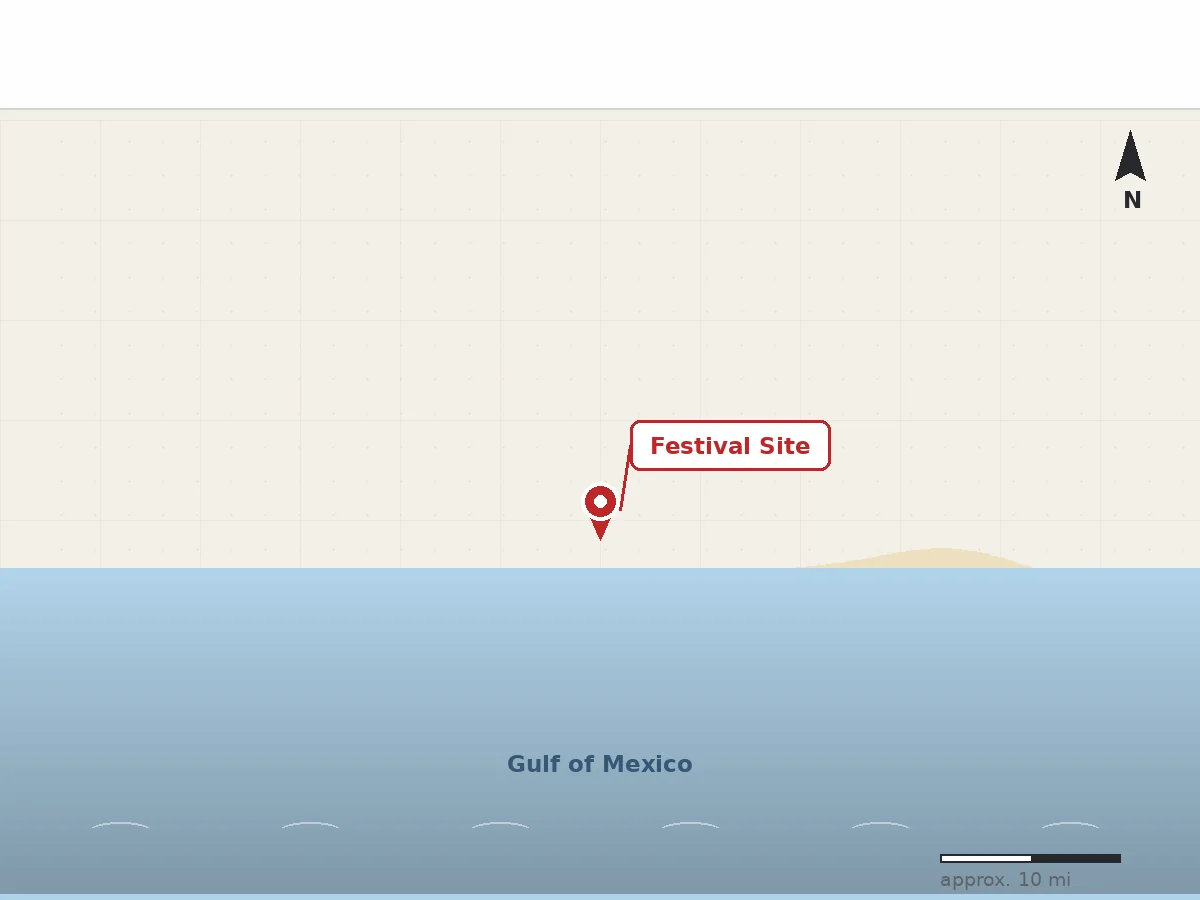
The Clarke County 4-H Fair takes place at the county fairgrounds serving Osceola, the county seat of Clarke County in south-central Iowa.
Straight Answers About the Clarke County 4-H Fair
Is there an admission charge?
Gate admission at county 4-H fairs in Iowa is typically free, and Clarke County follows that pattern in most years. Your spending will be inside the grounds — food, rides, games, raffles and grandstand concessions. Because policies can shift, it is worth checking locally before you go, but plan on no ticket at the gate.
When is the fair usually held?
It is a summer fair, most often on a weekend in July, which is when Iowa county fairs traditionally run. Exact dates move from year to year, so confirm the current schedule through the county’s 4-H office or local listings before planning travel around it.
Can anyone exhibit, or only 4-H members?
Exhibiting is for enrolled 4-H members, who enter projects through their clubs and complete them during the year. Everyone else is welcome as a spectator, and many families use the fair as a first look at what the program involves before signing a child up for the next season.
Is the fairgrounds manageable for strollers and wheelchairs?
Most Iowa fairgrounds are flat, grassy and reasonably easy to navigate, though gravel and unpaved paths can be rough in spots and crowded barn aisles take patience. Ask a volunteer about the easiest route to the show ring or exhibit building; they know which entrances avoid the worst footing.
What Future Summers Might Bring to the Clarke County Fair
Like county fairs across Iowa, Clarke County’s faces the same quiet pressures: an aging volunteer base, rising costs for insurance and entertainment, and young families with more competing demands on a summer weekend. What works in the fair’s favor is its size. A county of 9,748 people can still fill a fairgrounds when the fair is treated as the event of the season rather than one option among many.
The likeliest future is continuity with adjustments — more digital entries and online sale bidding, continued investment in barns and exhibit space, and a stronger push to bring in families who have no farming background but plenty of curiosity. The core, though, should hold: kids, animals, ribbons, pie, and a grandstand full after dark. Last updated: October 2026
For anyone passing through south-central Iowa in July, the Clarke County 4-H Fair is a reminder of what a county can still do when it decides a tradition is worth keeping. Come for an afternoon, stay for the evening, and you will leave understanding why Osceola has been showing up to this fair for generations.