Buchanan County Iowa Buchanan County Fair Festival
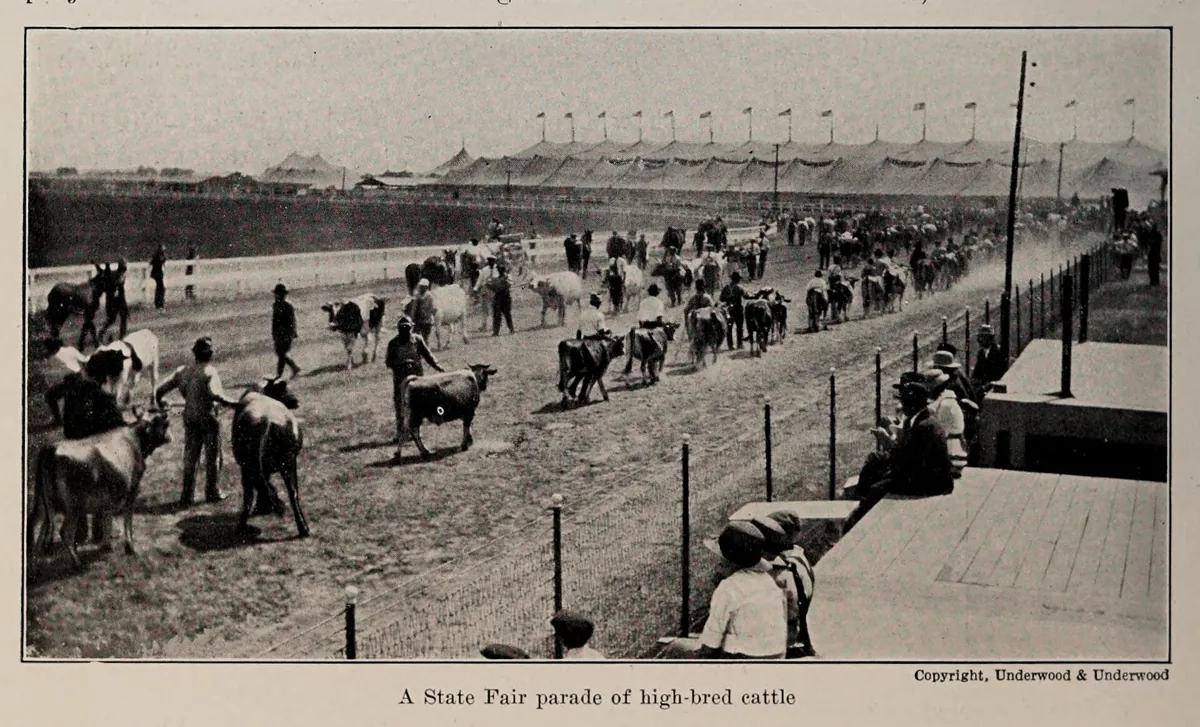
Summer in northeast Iowa has its own rhythm, and for families across Buchanan County that rhythm includes a stretch of days at the fairgrounds. The Buchanan County Fair packs livestock barns, a midway, grandstand nights, and food trailers into one of Iowa’s most tradition-bound county fair settings. Whether you live minutes from Independence or you’re passing through on a Midwest road trip, the fair rewards a little planning. Here’s what to know before you pull into the lot.
Buchanan County Fair: The Core Facts for First-Time Visitors
| Town or area | Buchanan County area, Iowa |
| County | Buchanan County |
| County seat | Independence |
| Population | 20,565 (2020 census) |
| Region | Northeast Iowa |
| Typical timing | A multi-day run in mid-summer, most often July |
| Admission | Generally free to enter the grounds; rides, food, and some grandstand events cost extra |
| Setting | Fairgrounds in the Buchanan County area, with Independence as the nearest anchor town |
| Features | Livestock and youth exhibits, midway rides, grandstand entertainment, fair food |
| Organizer | Local volunteer fair organizers |
What Makes the Buchanan County Fair Tick
Buchanan County covers 573 square miles of northeast Iowa — farmland, small towns, and country roads that all seem to funnel toward Independence, the county seat, when fair week arrives. With a population of 20,565 at the 2020 census, the county is small enough that the fair feels like a reunion and large enough to support a full slate of events.
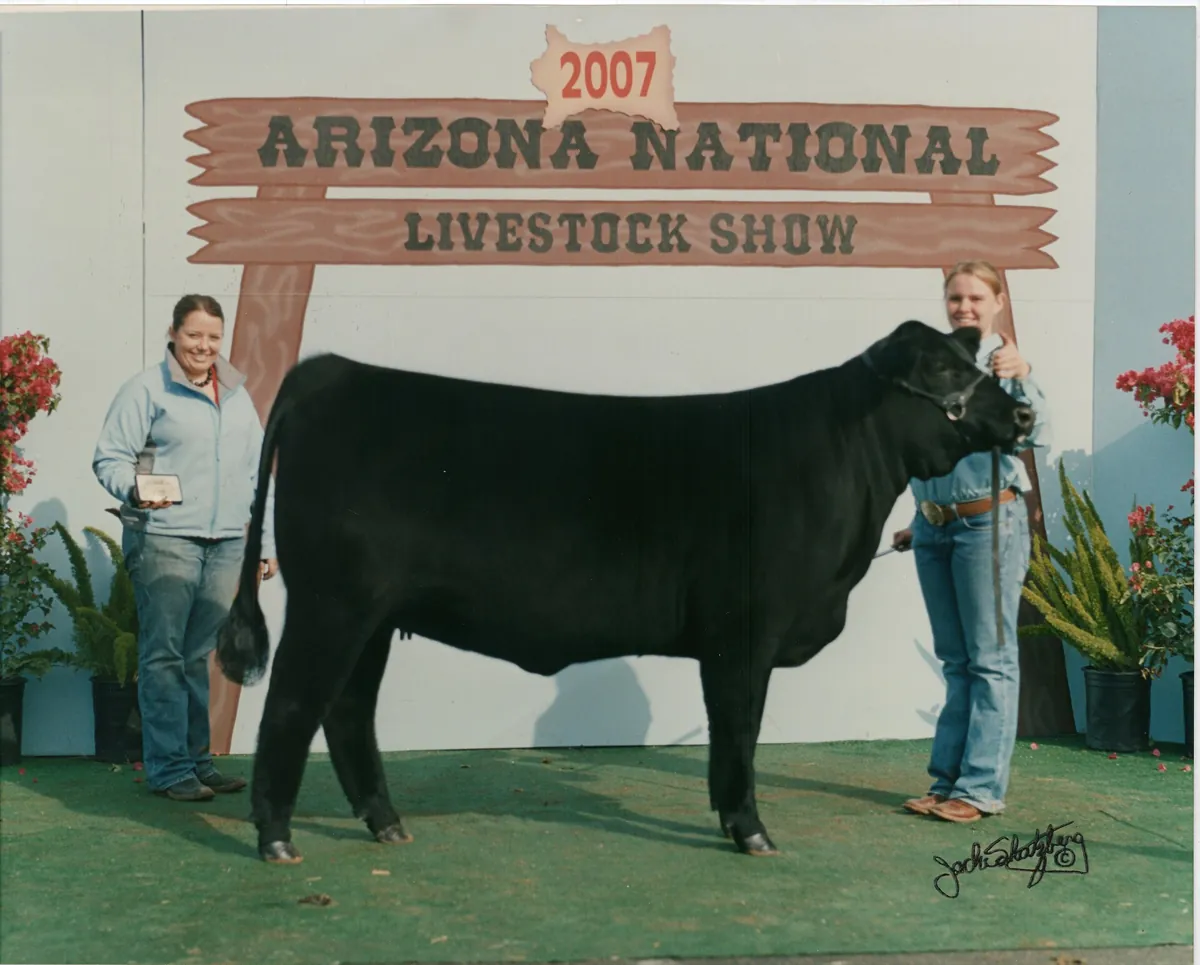
The heart of the fair is the barns and exhibit halls. Young exhibitors show cattle, swine, sheep, goats, poultry, and rabbits, while static exhibits run from photography and baking to woodworking and horticulture. Judges work through classes in the morning; families drift in during the afternoon and evening.
Around that core sits the midway, a ring of food trailers, and a grandstand that fills on the biggest nights. Because this is a county fair rather than a sprawling regional event, the scale stays walkable: you can park once, see the barns, ride the rides, eat dinner, and be back at your car before the lights go down.
A County Founded in 1837 and the Fair That Followed
Buchanan County was founded in 1837, and Independence became its county seat as settlers moved into the prairie and river country of northeast Iowa. Agriculture shaped everything that followed — the towns, the roads, the school calendar, and the annual gathering that became the county fair.
For another look at how a community turns its own traditions into a gathering, see the Bremer County Iowa Bremer County Fair Festival for a useful comparison.
Like most Iowa counties, Buchanan County’s fair grew out of the nineteenth-century agricultural society movement, when farmers organized to compare livestock, share seed and equipment, and celebrate a year’s work. Those roots still show. The schedule is built around judging, exhibits, and the competitions that matter to exhibitors, with entertainment layered on top rather than the other way around.
The county’s population reached 20,565 by the 2020 census, and while the number of farms has changed over the decades, the fair’s purpose has not: it is the one week when a county of 573 square miles measures itself.
What a Day at the Buchanan County Fairgrounds Looks Like
A typical fair day has three moods — quiet mornings in the barns, busy late afternoons on the midway, and loud evenings at the grandstand. Plan around those rhythms and you’ll see more and stand in fewer lines.
Fair Food Along the Buchanan County Midway
Expect the Iowa county fair canon: pork chops on a stick, corn dogs, funnel cakes, tenderloins, lemonade shake-ups, and soft-serve. Local church and civic groups often run stands alongside commercial vendors, and that’s usually where you find the best value and the shortest lines. Cash still moves faster than cards at some trailers, so carry a little of both.
Grandstand Nights and Live Music in Independence
Evenings anchor the fair. Grandstand programming at a county fair of this size usually mixes motorsport-style events, tractor pulls, and live music, with a different draw on each night of the run. Seating is often general admission in the bleachers, and some nights carry a separate ticket. Arrive early for a good seat, and bring a blanket for the metal benches.
Family Activities and Youth Exhibits Across Buchanan County
The midway handles the rides, but the family value is in the barns and exhibit halls. Kids can watch a calf being washed, pet a rabbit, or find their own artwork on display. Many fairs add a petting zoo, a kids’ tractor pull, and hands-on activities in the conservation or extension building. Strollers handle the gravel paths fine; the real challenge is shade, so plan a mid-afternoon break.
Planning Your Trip to the Buchanan County Fair
Driving In to the Buchanan County Area
Independence, the county seat, is the natural reference point for the fairgrounds in the Buchanan County area. Most visitors arrive by car on county and state roads, and traffic thickens in the hour before grandstand events. If you’re coming from out of town, treat the county seat as your navigation anchor and follow local fair signage from there.
Where to Stay Near Independence
Lodging in a rural Iowa county is limited, so the practical options are a hotel or motel in Independence or a nearby larger town, a campground, or a short drive from a neighboring community. Book early for fair week — it’s the busiest stretch of the local summer calendar. Campers often stay at area campgrounds and drive in daily.
Parking Around the Buchanan County Fairgrounds
Expect grass and gravel lots adjacent to the grounds, staffed by volunteers, sometimes with a modest fee or free-will donation. Come early for the closest spots; come late and you’ll walk. Note where you parked before you go in — fairground lots look identical after dark.
What a Day at the Buchanan County Fair Costs
Entry to the grounds is typically free at a county fair of this size. Your spending concentrates in rides, food, games, and any separately ticketed grandstand night. Set a cash budget for the kids, look for ride wristband specials on slower afternoons, and check the current schedule for any admission changes before you go.
Iowa Weather and What to Wear in July
Fair week lands in the middle of an Iowa summer: hot, humid afternoons, warm evenings, and a real chance of a thunderstorm. Wear light clothing, bring a hat, and pack a rain jacket rather than an umbrella if you plan to be near the grandstand. Sunscreen and refillable water bottles matter more than most first-timers expect.
A Sample Weekend at the Buchanan County Fair
Friday. Arrive mid-afternoon and walk the barns while judging winds down. Eat dinner from a civic group stand, then claim a grandstand seat early. Stay through the headline event, and let the crowd thin before you head for the lot.
Saturday. This is the busiest day, so come with a plan. Catch the morning livestock show, grab lunch on the midway, spend the afternoon on rides and in the exhibit halls, and finish at the grandstand. If you have young kids, an early arrival beats a late one by a wide margin.
Sunday. The pace slows. Final classes wrap up, exhibits get packed away, and vendors often cut deals on the last afternoon. It’s the easiest day for grandparents, small children, and anyone who wants a quiet look at the animals.
How the Buchanan County Fair Compares to Neighboring Iowa Fairs
The counties around Buchanan — Bremer, Benton, Delaware, Fayette, Black Hawk, and Linn — each hold their own summer fairs, and travelers in northeast Iowa can string two or three together in a single season. Buchanan’s version sits in the middle on scale: bigger and more programmed than a one-day town celebration, smaller and more personal than the fairs held in metro counties.
Against a big-city festival, the Buchanan County Fair is cheaper, easier to park at, and far less crowded. Against a small town festival, it offers more to do across more days. That middle position is the appeal: enough going on to fill a weekend, small enough that you’ll run into the same faces twice.
Your Buchanan County Fair Checklist
| Cash and a card | Some food trailers and game booths still prefer cash |
| Sunscreen and a hat | Afternoon shade is limited on the midway |
| Refillable water bottles | Heat is the biggest comfort issue in July |
| A rain jacket | Iowa summer storms move in fast |
| Comfortable shoes | Gravel, grass, and a lot of walking |
| A blanket or stadium cushion | Grandstand benches are metal |
| A meet-up plan for your group | Cell service can get congested at peak hours |
| A battery pack | A full fair day drains a phone |
Beyond the Fairgrounds in Buchanan County
Independence, the county seat, is worth an hour before or after the fair. As the civic center of a 573-square-mile county, it has the courthouse-square feel that small Iowa county seats do well, with local restaurants and shops that see a spike in traffic during fair week.
The rest of the county is farm country — country roads, grain elevators, and small towns that rarely make a travel itinerary. That’s part of the appeal. A slow drive through Buchanan County between fair events gives you a sense of the agricultural economy the fair exists to celebrate.
What the Fair Means to Buchanan County
For a county of 20,565 people, the fair is a civic project as much as an entertainment event. It runs on volunteers — parents, alumni, business owners, and retirees who staff gates, judge exhibits, and set up chairs. Money raised at food stands often flows back to churches, schools, and service clubs.
The fair also serves as a stage for the county’s young people. For exhibitors, a ribbon here is a genuine achievement and, for some, a step toward state competition. That pipeline — from a first-year project to a final year of showing — is the thread connecting generations in Buchanan County.
Where the Buchanan County Fair Sits on the Map
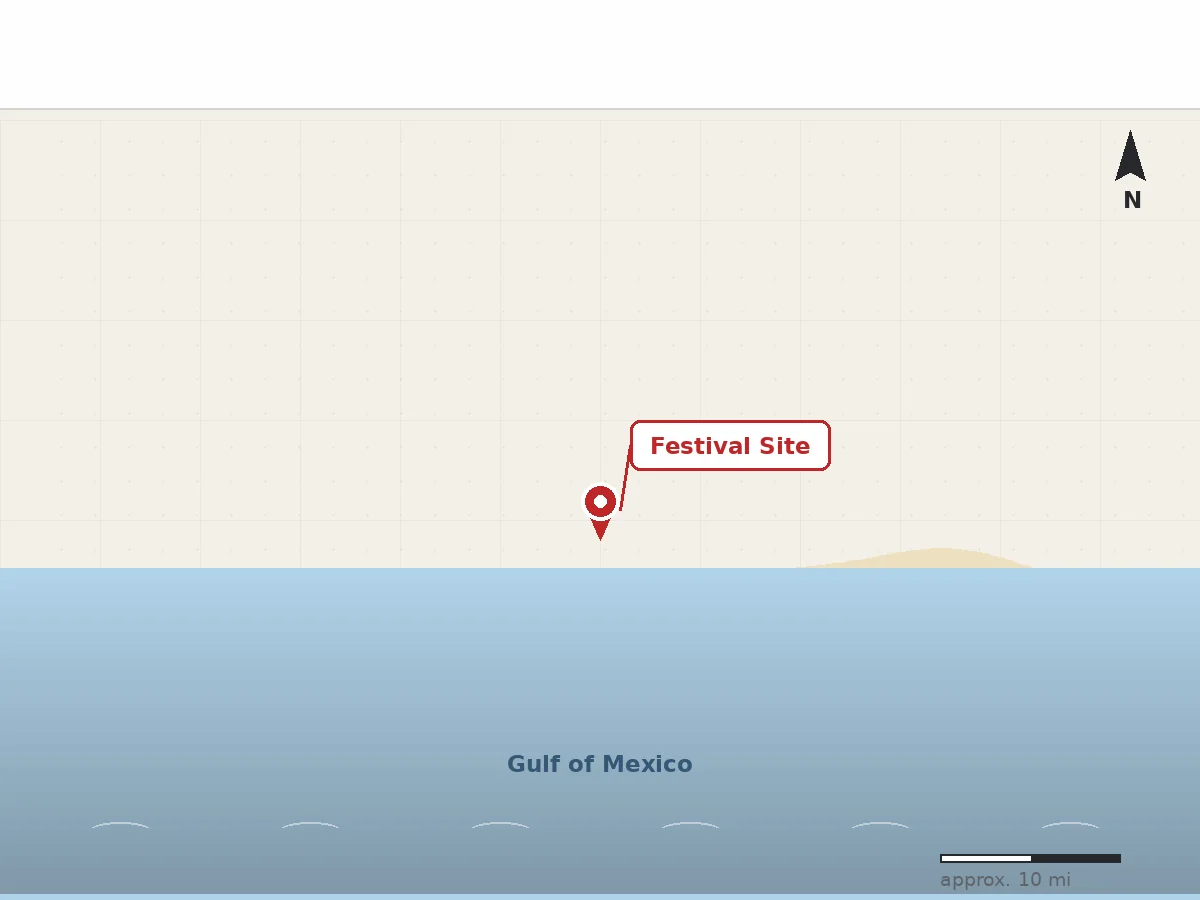
The Buchanan County Fair is held on the fairgrounds in the Buchanan County area of northeast Iowa, with Independence, the county seat, as the nearest anchor town.
Answers for Buchanan County Fair Newcomers
When Does the Buchanan County Fair Take Place?
The fair is a summer event, typically a multi-day run in July, though the exact week shifts from year to year. Because dates change, confirm the current season’s schedule through the fair’s official channels or local listings before you plan travel. Midweek days are noticeably quieter than weekends.
What Does It Cost to Visit the Buchanan County Fair?
Grounds admission is typically free, which makes the fair an easy stop for families. Budget for rides, games, food, and any separately ticketed grandstand night. Ride wristbands and afternoon specials are common ways to stretch a dollar, and cash remains useful at the smaller stands.
Is the Buchanan County Fair Easy for Families and Older Visitors?
Yes. The grounds are compact and walkable, with gravel and grass paths that work for strollers and wheelchairs, though a rainy week can leave them soft. Seating is available at the grandstand and near food areas, and mornings are the coolest, calmest time to visit with young children or grandparents.
How Do I Confirm the Current Year’s Schedule?
Schedules for county fairs are published shortly before the season begins. Check the fair’s official website and social pages, the local newspaper, and county extension listings for the daily lineup, grandstand tickets, and any entry deadlines for exhibitors.
The Next Season of the Buchanan County Fair
County fairs in Iowa don’t stand still. Expect the next Buchanan County Fair to keep the traditions that fill the barns — livestock shows, static exhibits, youth competitions — while refreshing the midway, food lineup, and grandstand bookings that bring in casual visitors.
For travelers, that means the fair stays one of the most affordable summer outings in northeast Iowa and one of the easiest to plan around. Watch for the season’s schedule to appear in late spring, block out a weekend, and treat the rest as flexible.
Last updated: October 2026
The Buchanan County Fair isn’t trying to be a mega-festival, and that’s exactly why it works. Come for the barns and the grandstand, stay for a pork chop and a walk down the midway, and you’ll understand why a county of 20,565 keeps showing up year after year.

One Comment