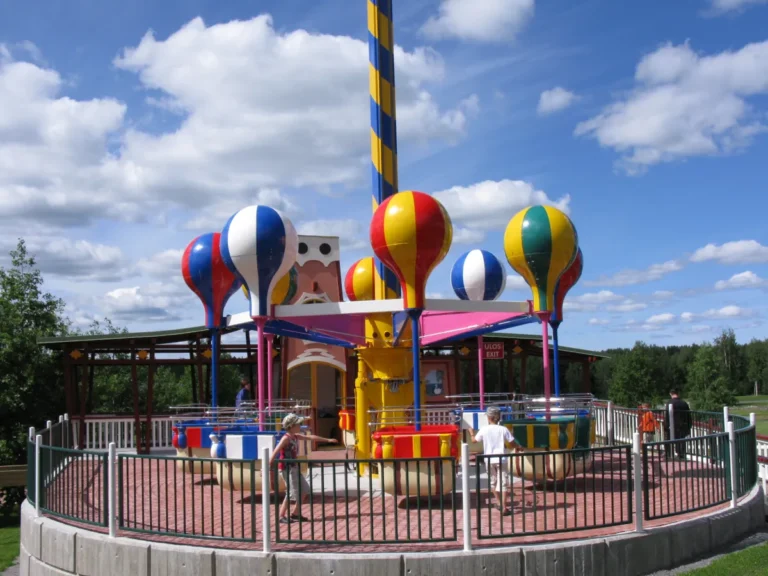
Winnebago County Illinois Winnebago County Fair Festival
The Winnebago County Fair turns the middle of summer into a countywide gathering. It is a fair built on farmland, livestock barns, and food that tastes best eaten standing up, and it happens in the Winnebago County area of northern Illinois, within easy reach of Rockford. A little planning beforehand makes the day noticeably better: you will know where to park, when to eat, and how to fit the barns, the midway, and the grandstand into one unhurried afternoon.
Winnebago County Fair Essentials: What to Know First
| Town / area | The Winnebago County area, northern Illinois |
| County | Winnebago County, Illinois |
| County seat | Rockford |
| Population | Centered on Rockford and its surrounding townships |
| Region | Northern Illinois, Rock River valley, near the Wisconsin line |
| Typical timing | Mid-summer, most often during July |
| Admission | Typically free general admission |
| Setting | Rural fairgrounds ringed by farmland, a short drive from Rockford |
| Signature features | Livestock and 4-H exhibits, carnival midway, grandstand shows, fair food |
| Organizer | A volunteer fair board rooted in the county’s farming and business communities |
What the Winnebago County Fair Is — and Who It Suits
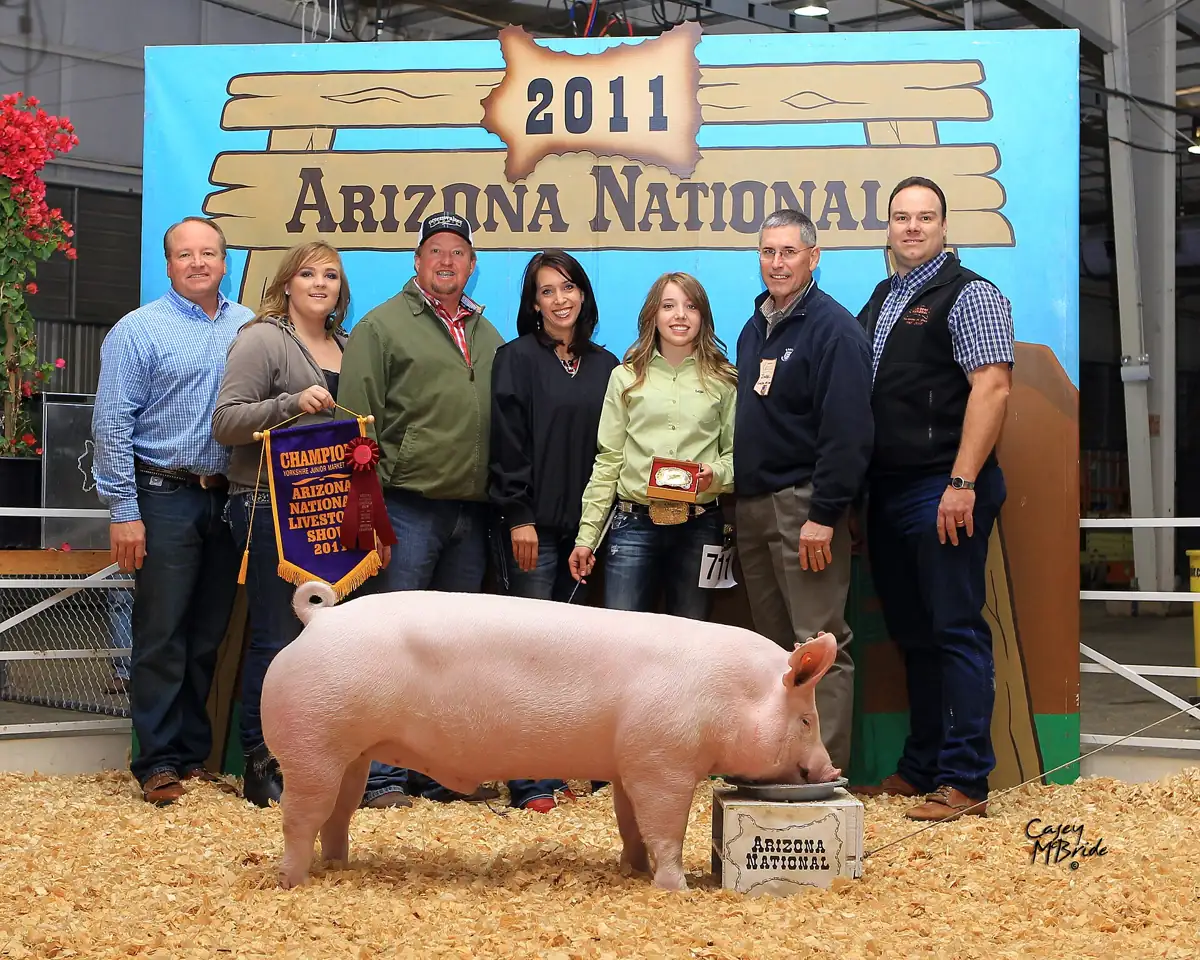
The Winnebago County Fair is a county agricultural fair in the classic Illinois mold. The barns are the heart of it: cattle, swine, sheep, goats, poultry, and rabbits, much of it shown by young people who spent months raising an animal for exactly this week. Around that core sits everything else — a midway, food stands, a grandstand, commercial tents, and the steady hum of people who see each other once a year and pick up where they left off.
It suits families with small children, teenagers working the midway, older residents who remember when the fair was mostly horses, and anyone who simply wants a summer evening outdoors with music and fried food. Because the grounds sit in the Winnebago County area rather than in a major downtown, the pace stays unhurried and the crowd stays local. You will hear as many conversations about crops and school districts as about the rides.
From 1836 Farm Fields to a Winnebago County Tradition
Winnebago County was organized on January 16, 1836, with Rockford as its county seat. The county covers 519 square miles of northern Illinois — prairie, timber, and the Rock River valley — and its economy for most of the nineteenth century rested on farms. County fairs grew out of that world. Township gatherings, agricultural societies, and granges gave farmers a reason to compare seed, stock, and machinery, and the fair became the annual occasion for doing exactly that in public.
Over the decades the fair broadened. Livestock judging and produce displays stayed, but a midway appeared, then grandstand entertainment, then youth programs that made the fair a showcase for 4-H projects and school-age exhibitors. The fairgrounds themselves became a piece of county infrastructure, used for other events through the year. What has not changed is the rhythm: a stretch of summer days when the county’s rural and urban halves meet in the same place.
For another look at how a community turns its own traditions into a gathering, see the Williamson County Illinois Illinois Fair Festival for a useful comparison.
What a Day at the Winnebago County Fairgrounds Feels Like
Fair days tend to sort themselves into three phases: a slow morning around the barns, a busy late afternoon on the midway, and an evening at the grandstand. Plan around that shape rather than against it.
Fair Food and the Midway Menu
Food is the through-line of the day. Expect the standard county-fair repertoire — corn dogs, elephant ears, funnel cakes, lemonade shaken in a barrel, pork chops on a stick, nachos, and ice cream — alongside vendors selling whatever is fried this year. Portions are large and prices are set by individual operators, so it pays to walk the midway once before committing. Lines run shortest mid-afternoon and longest right after the evening grandstand lets out.
Grandstand Music and Evening Entertainment
Evenings belong to the grandstand. Local and regional acts, tribute bands, and community performers typically fill the schedule, alongside the kind of events that only make sense at a county fair — tractor pulls, motocross, harness racing, or a demolition derby, depending on the year. Seating fills early on weekend nights, so arrive before the announced start time if you want a good view. Many fairs keep the midway running afterward, which turns the walk back to the car into part of the experience.
Family Activities, Livestock Barns, and 4-H Exhibits
For families, the fair’s real value is variety within a small footprint. Children can watch a calf being groomed, pet animals in a designated area, ride the smaller carnival rides, and take in a magic show or a pie-eating contest without walking more than a few hundred yards. The barns stay open most of the day and are the quietest place on the grounds — a useful reset when the midway gets loud. Exhibits of photography, baking, canning, and crafts are usually displayed indoors and make a good air-conditioned break on a hot afternoon.
Planning Your Trip to the Winnebago County Fair
Most of the friction at any county fair comes down to three things: arriving at the wrong time, parking in the wrong place, and underestimating the weather. Handle those and the rest is easy.
Getting There from Rockford and Across the County
The fairgrounds sit within the Winnebago County area, so anyone coming from Rockford or one of the county’s smaller communities is looking at a short drive rather than a regional trek. Traffic thickens in the hour before the evening grandstand, when everyone arrives at once on the same rural roads. Leaving home an hour earlier than you think you need to is the single best decision you can make. Carpooling with neighbors helps both the parking situation and the mood on the way out.
Where to Stay in and Around Rockford
Because the fair sits in a working county rather than a resort area, lodging is practical rather than picturesque. Rockford, the county seat, offers the widest choice of hotels and motels, with far fewer options in the surrounding towns. Book early for a fair weekend, since summer calendars in northern Illinois fill with youth tournaments, weddings, and family reunions. Visitors traveling with livestock or equipment should contact the fair directly about exhibitor camping rather than assuming a spot will be available.
Parking and Gate Logistics
Parking at county fairs is usually a field, and fields behave differently after a rain. Follow the attendants rather than your own instincts, and pick a landmark — a tent, a tree line, a sign — so you can find your car after dark. Keep a little cash on hand for lot fees and vendors, since not every operation takes a card. If you are meeting friends, choose a specific spot inside the gate; the entrance area gets crowded and cell service slows when everyone is trying to text at once.
Admission, Ride Costs, and Budgeting
General admission to the Winnebago County Fair is typically free, which changes the math of a visit considerably. The money goes to rides, games, food, and grandstand events, each priced separately by its operator. Set a rough per-person budget before you walk in and you will avoid the slow accumulation of small purchases that makes a fair expensive. Where wristbands are offered, they usually pay off for anyone planning to ride for hours; casual riders generally do better paying per ride.
Northern Illinois Weather and What to Pack
July in northern Illinois means heat, humidity, and a genuine chance of an afternoon thunderstorm. Pack a water bottle, sunscreen, hats, and comfortable closed-toe shoes that can handle grass, gravel, and the occasional muddy patch. A light rain layer costs little space and saves an evening. Evenings cool off more than people expect after a hot day, so a thin jacket in the bag is rarely wasted.
A Sample Weekend at the Winnebago County Fair
Friday afternoon and evening. Arrive mid-afternoon while the grounds are still calm. Walk the barns first, when exhibitors have time to talk and the animals are awake. Eat early, around five, before the food lines form. Finish with the grandstand show and one slow pass through the lit midway before heading home ahead of the exit crush.
Saturday. Come for the morning and stay for the night. Start in the exhibit halls and the small-animal barn while the day is still cool, break during the hottest hours in the shade or indoors, then give the midway its due in the late afternoon. Saturday is the busiest day, so park early and plan the grandstand as your anchor for the evening.
Sunday. Sundays run quieter and are the best day for young children and anyone who wants photographs without a crowd. If a livestock sale is scheduled, it is often the emotional high point of the whole fair — the moment months of work turns into a handshake and a ribbon. Leave by late afternoon and you will miss the weekend’s final traffic push.
How the Winnebago County Fair Compares with Nearby Fairs
Neighboring counties each hold their own summer fairs, and the differences come down mostly to scale and setting. Boone County, just to the east, and Ogle County to the south both run traditional agricultural fairs with similar barn-and-midway layouts. Stephenson County, to the west, anchors its fair around Freeport. Winnebago County’s version sits in the middle of that family: large enough to draw solid grandstand entertainment, small enough that you can walk the whole grounds in an afternoon.
Rockford’s own downtown and riverfront festivals offer a different experience entirely — urban, walkable, and built around music and food rather than livestock. Visitors with a free weekend can pair both: a county fair day in the countryside and an evening in the city, twenty minutes apart in spirit if not in distance.
A Winnebago County Fair Checklist Worth Printing
| Checklist item | Why it matters |
| Cash for vendors and lot fees | Not every stand or parking operation takes cards |
| Water and sunscreen | Midway pavement and July sun are unforgiving |
| Closed-toe shoes | Grass, gravel, and livestock areas punish sandals |
| The day’s schedule | Grandstand times shape the whole evening |
| A group meet-up plan | Cell service slows when the grounds fill up |
| A light rain layer | Afternoon storms build quickly in northern Illinois |
Beyond the Fairgrounds: Rockford and the Rock River Valley
The fair is a good excuse to see more of the county. Rockford, the county seat, holds the area’s densest concentration of restaurants, museums, and riverfront parks, and it makes an easy evening add-on after a day on the grounds. Outside the city, the county’s rural roads run past working farms, roadside stands, and small towns with their own summer celebrations. The Rock River valley itself rewards a slow drive, particularly in the golden hour before sunset.
What the Winnebago County Fair Means to Its Communities
A county fair does something no single festival can. It puts a county’s different worlds in the same field for a few days — farm families and city families, longtime residents and newcomers, teenagers and grandparents — and gives them a shared schedule. For exhibitors, the fair is the payoff for months of daily chores. For volunteers, it is a week of long shifts and short sleep. For everyone else, it is the annual reminder that Winnebago County has been gathering this way since it was organized in 1836.
Where the Winnebago County Fair Sits on the Map
The Winnebago County Fair takes place on fairgrounds within the Winnebago County area of northern Illinois, a short drive from Rockford, the county seat.
Winnebago County Fair Questions, Answered
When is the Winnebago County Fair held?
It typically falls in mid-summer, most often during July, across a run of days that includes a weekend. Exact dates shift from year to year, so confirm the current schedule before you book travel or arrange time off.
Is admission to the Winnebago County Fair free?
General admission is typically free. Rides, games, food, and grandstand events are priced separately by their operators, so budget for those rather than for a gate fee. That structure makes the fair an inexpensive outing for anyone content to wander the barns and exhibits.
How far is the fair from Rockford?
The grounds sit within the Winnebago County area, a short drive from Rockford. Because the county covers 519 square miles and its communities are spread across it, driving is the practical way to arrive. Rideshare works best if you set a specific meeting point away from the gate rather than relying on a pin drop in a crowded lot.
What happens if it rains during the fair?
Summer storms in northern Illinois tend to build in the afternoon and move through quickly. Indoor exhibit halls, barns, and commercial tents offer shelter, and staff may pause rides and grandstand events until conditions clear. Treat a passing storm as a good moment to eat, then rejoin the evening once the sky opens up.
The Next Chapter for the Winnebago County Fair
Like county fairs across the Midwest, Winnebago County’s faces a familiar set of pressures: rising costs, unpredictable summer weather, and the endless work of finding volunteers willing to run a week-long event on top of full-time jobs. The fair’s advantage is its foundation. Livestock shows, 4-H projects, and youth exhibitors keep the agricultural core alive, while grandstand entertainment and the midway bring in visitors who might never otherwise set foot in a barn. Holding both halves together is the whole trick.
Expect the fair to keep evolving — more digital ticketing and scheduling, more variety in food and music, and continued investment in the grounds themselves. What is unlikely to change is the calendar anchor it provides: a few summer days when the county gathers in one place, exactly as it has since Rockford became the seat of a newly organized county on January 16, 1836.
Last updated: October 2026
Plan the Winnebago County Fair as you would any good summer day: early, unhurried, and with a little cash in your pocket. Arrive before the crowd, eat before the lines, and save the grandstand for last. Do that and the fair stops being a logistical puzzle and becomes what it was always meant to be — a long, easy evening in the middle of a northern Illinois July.