Whiteside County Illinois Whiteside County Fair Festival
Ask anyone in northwest Illinois what they remember about a county fair and the answer usually starts with food. The Whiteside County Fair is no exception. Held in the Whiteside County area each late summer, it is the kind of fair where the smell of charcoal and frying oil reaches the parking lot before you reach the gate, and where the longest line of the day often forms at a pork chop stand rather than at a ride.
This is farm country. Whiteside County was organized in 1836 and spreads across 697 square miles of prairie, river bottoms, and small towns, with Morrison as the county seat. The fair is the stretch of days each year when that landscape arrives at the fairgrounds in the form of livestock trailers, pie carriers, and food wagons — and visitors get to eat their way through it.
Whiteside County Fair: The Food-Lover’s Essentials
| Town / Area | The Whiteside County area, northwest Illinois |
| County | Whiteside County, Illinois |
| County seat | Morrison |
| Population | Small towns and rural townships; crowds swell noticeably during fair week |
| Region | Northwest Illinois, Rock River valley |
| Typical timing | Late summer, usually a multi-day run in July or August |
| Admission | Generally free to enter the grounds; food, rides, and some events priced individually |
| Setting | A traditional county fairground with barns, a show ring, grandstand, midway, and open-air food row |
| Features | Livestock and 4-H exhibits, grandstand events, carnival rides, live music, and dozens of food stands |
| Organizer | Local fair board and county volunteers |
A Fair Built Around Whiteside County’s Farm Calendar
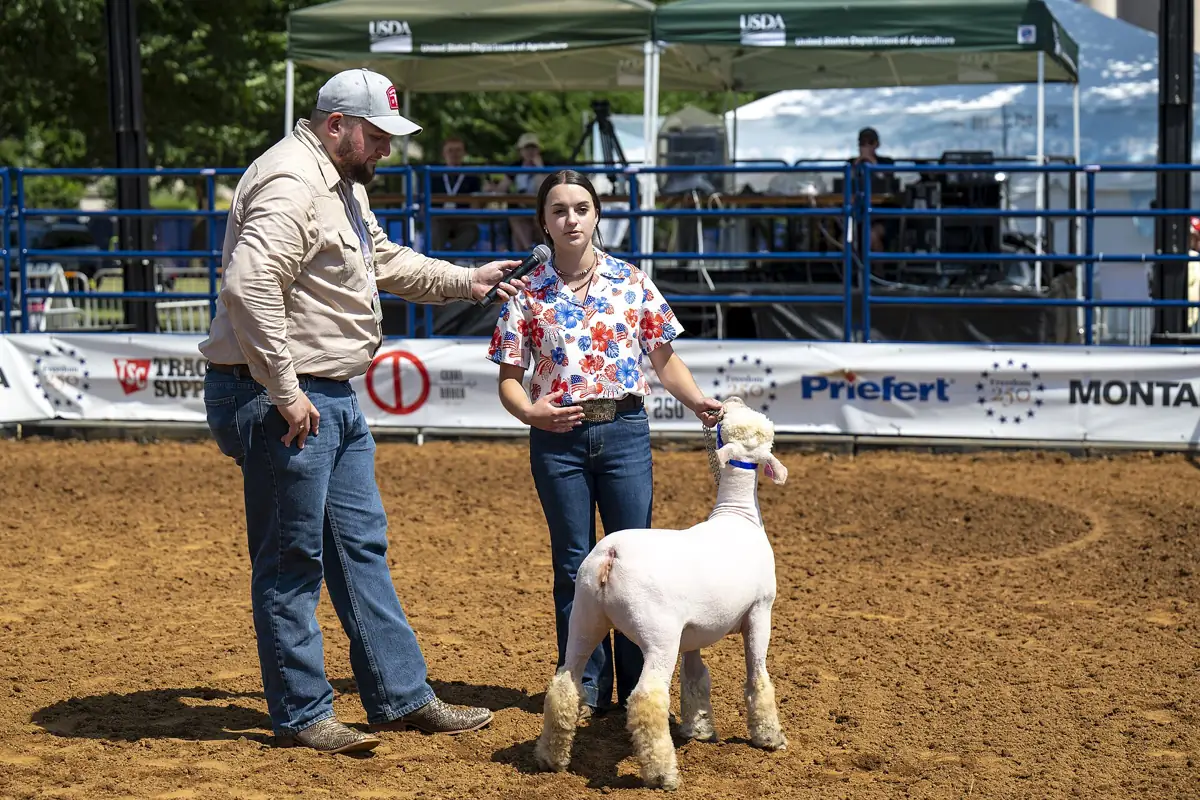
The Whiteside County Fair is a classic multi-day county fair, the sort that still organizes itself around barns and show rings rather than around a midway alone. Exhibitors bring cattle, swine, sheep, poultry, and rabbits; open-class entries fill tables with vegetables, canned goods, baked breads, and flowers. Families arrive in the morning with coolers and lawn chairs and stay until the grandstand lights come on.
What makes it food-forward is not a single signature dish but the sheer density of eating. Fair food here is agricultural product turned into a plate: pork from county hog farms, beef from local herds, sweet corn picked within driving distance, and dairy turned into ice cream and milkshakes. The fairground layout encourages grazing — you eat something, walk a barn, eat something else.
It is also a genuinely local event. Volunteers staff the gates, church groups and civic clubs run stands, and the people serving your food are often the same people who raised it. That short distance between field and fryer is the fair’s real flavor.
For another look at how a community turns its own traditions into a gathering, see the White County Illinois White County Fair Festival for a useful comparison.
From 1836 County Roots to a Summer Fair Tradition
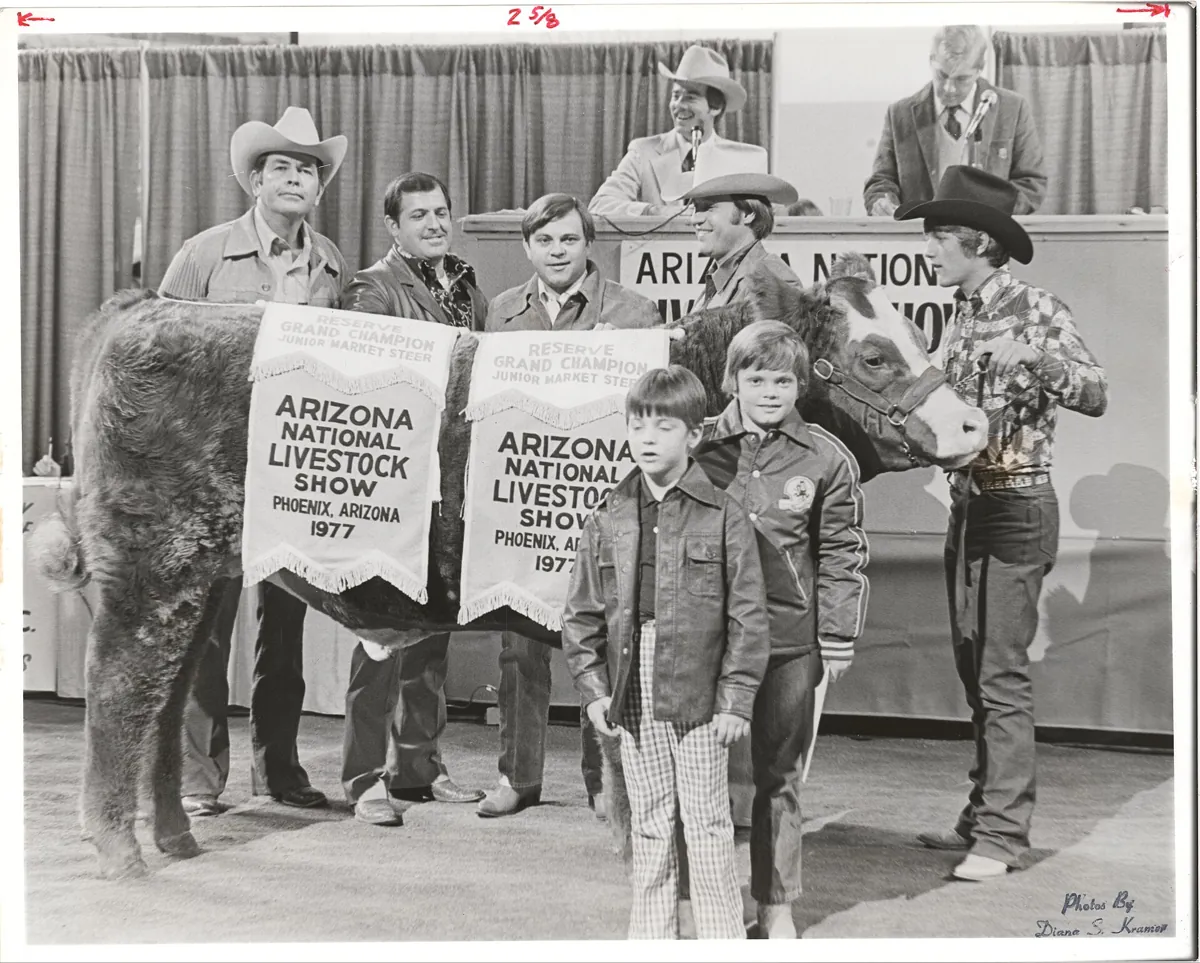
Whiteside County was founded in 1836, when this part of Illinois was still being surveyed into farms. Morrison became the county seat, and the surrounding 697 square miles filled with corn, soybeans, hogs, and cattle. In communities like these, agricultural societies formed to compare seed, bloodlines, and methods — and those gatherings are the ancestors of today’s county fairs.
Over the decades, the fair grew from a stock-judging meet into a full week of entertainment. Grandstands were built, midway rides arrived, and food stands multiplied. Through wars, droughts, and the long shift of rural populations toward cities, the fair kept its place on the calendar, adapting each generation while keeping the barns at its center.
The result is a fair that feels old-fashioned in the best sense. Prize ribbons still matter. Kids still wash animals the night before judging. And the food still tastes like it was made by someone who knows exactly how a hog was raised two townships over.
Tasting Your Way Across the Whiteside County Fair
Come hungry and come early. The best strategy at a fair this size is to eat in small rounds rather than commit to one enormous meal, because the stands are spread across the grounds and the walk between them is half the fun.
Fair Food in Whiteside County: What to Eat First
Start with the grill. Pork producers’ stands are a Midwest fair staple for good reason: thick-cut chops, porkburgers, and sausage served on a bun with a squirt of sauce. Beef stands offer ribeyes and cheeseburgers, and you can usually find a local cattlemen’s trailer doing a steady business all evening.
Then work the fried side. Corn dogs, hand-dipped onion rings, cheese curds, funnel cakes, elephant ears, and deep-fried anything-on-a-stick are all part of the ritual. Look for a lemonade shake-up stand — the kind where someone shakes it by hand until the ice froths — and finish with ice cream from a dairy stand.
Do not skip the exhibit halls. Church and civic groups often sell pie by the slice, homemade noodles, walking tacos, or a hot beef sandwich, and these stands tend to be the best value on the grounds. If you only have one meal, make it something a volunteer group made in a kitchen rather than something dropped in a fryer.
Music, Grandstand Nights, and Evening Entertainment
Evenings belong to the grandstand. Expect a rotating lineup of the things county fairs do well: live country and rock cover bands, tractor pulls, a demolition derby, and livestock auctions that draw a crowd of their own. Smaller stages and tents around the grounds host acoustic sets and local performers during the day.
The rhythm is predictable in a comforting way. Families eat around six, the midway lights up at dusk, and the grandstand fills for the main event. Bring a blanket or a lawn chair, claim a spot near the track, and settle in with something fried in hand.
Family Activities That Aren’t Just About Eating
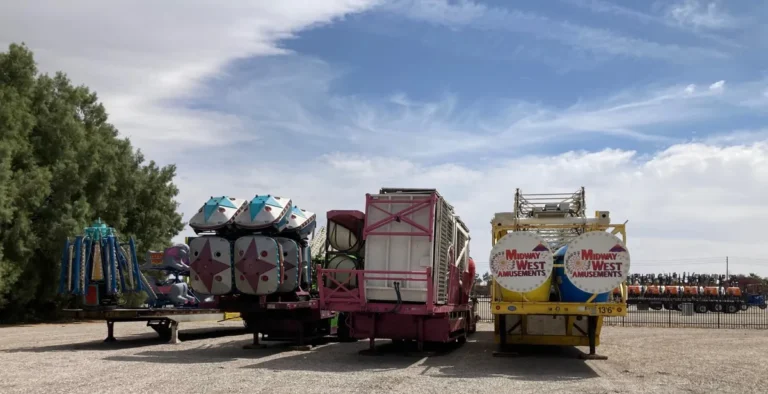
Between meals there is plenty to do. Barns are open for visiting animals, and kids can usually watch or join youth competitions. Carnival rides run all afternoon and evening, and there are typically games, face painting, and small animal displays suited to younger children.
For older visitors, the fair is a walking tour of local agriculture: equipment displays, conservation booths, and exhibitors happy to explain what they do. Give yourself at least an hour in the barns before the food coma sets in.
Planning a Food-Focused Trip to Whiteside County
Getting to the Fairgrounds From Morrison and Beyond
The fair sits in the Whiteside County area, with Morrison as the county seat and the main reference point for drivers. Most visitors arrive by car on county and state highways that thread through farmland, so the drive itself is part of the experience — straight roads, corn on both sides, and grain elevators on the horizon.
Where to Stay in and Around Whiteside County
Lodging in a rural county is limited, so plan ahead during fair week. Options typically include small motels and inns in the county’s towns, plus a handful of chain hotels in the larger neighboring communities along the Rock River. Campers often stay at area campgrounds or in RVs, and some fairgrounds welcome overnight camping during the run.
Parking, Traffic, and Arrival Timing
Parking is usually on or adjacent to the grounds and is handled by volunteers, with lots filling quickly on weekend evenings and during grandstand events. Arrive before the dinner rush if you want an easy spot, or come mid-afternoon and stay through the evening. Expect slow-moving traffic near the gates right around dusk.
Admission, Food Budgets, and What Things Cost
In most years, entry to the fairgrounds is free, which is one reason local families come back multiple nights. Money goes to food, rides, games, and grandstand tickets instead. Set a cash budget: many stands are run by volunteers and small vendors, and while cards are increasingly common, cash still moves fastest in a food line.
Late-Summer Weather in Northwest Illinois
Fair week lands in the hottest, most humid stretch of the Illinois year. Afternoons can be sticky and storm-prone, while evenings cool off nicely. Wear light clothing, bring a hat, and keep a rain jacket in the car — a passing thunderstorm is normal and usually clears fast.
A Sample Fair Weekend in the Whiteside County Area
Friday afternoon: arrive a couple of hours before dinner, walk the barns while they are still quiet, and get your first lemonade shake-up. Around five, hit the grill stands before the lines build. Stay for the grandstand event, then grab a funnel cake for the walk back to the car.
Saturday morning: come early for livestock judging and the exhibit halls, when the baked goods and canned entries are still on display. Eat breakfast from a church stand — pancakes, sausage, and coffee — then tour the equipment and conservation displays.
Saturday evening: this is the busiest stretch. Ride the midway, graze your way down food row in small portions, and claim a grandstand seat early. Sunday: return for a slower visit, a hot beef sandwich, and a last look at the animals before the grounds empty out.
How the Whiteside County Fair Compares With Neighboring Towns and Fairs
Whiteside County sits in a cluster of strong fair traditions. Neighboring counties in northwest Illinois — Lee, Henry, and Rock Island among them — all hold their own summer fairs, and each has its own food personality: some lean harder on pork, others on dairy or sweet corn.
Within the county, the towns shape the experience. Morrison, the county seat, is the civic anchor. Sterling and Rock Falls, along the Rock River, bring a more industrial, river-town feel and more dining options before or after the fair. Fulton, on the Mississippi side, adds a riverfront stop to any fair-week road trip.
Whiteside County Fair Packing and Prep Checklist
Bring cash in small bills, a refillable water bottle, sunscreen, a hat, and a light rain jacket. Pack lawn chairs or a blanket for the grandstand, wet wipes for sticky hands, and a tote bag for exhibit-hall purchases. Wear closed-toe shoes that can handle gravel, mud, and barn aisles.
Before you go, check the fair’s schedule for grandstand times, confirm camping or lodging arrangements, and plan a meeting point in case your group splits up. Charge your phone, but expect to use it less than you think.
Beyond the Fairgrounds: Eating and Exploring in Whiteside County
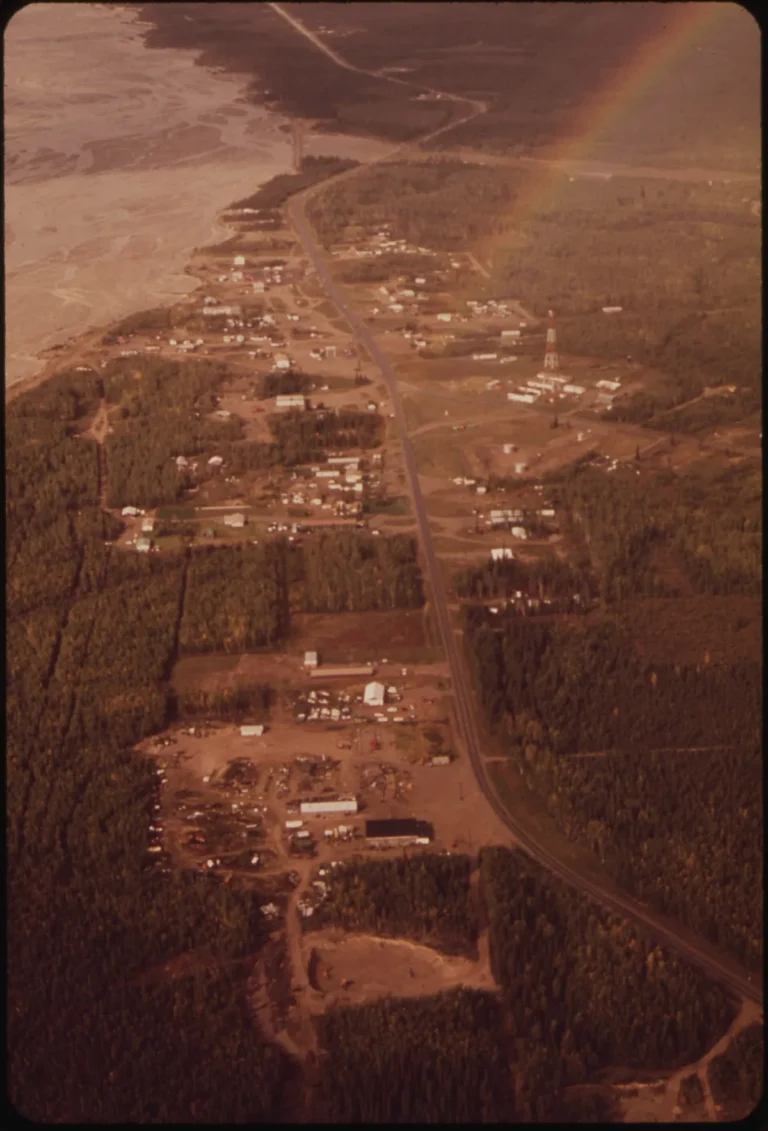
Make a weekend of it. Whiteside County’s 697 square miles include river towns, small main streets, and a lot of open farmland worth driving through. The Rock River corridor around Sterling and Rock Falls offers parks, riverfront walks, and local diners serving the kind of breakfast that fuels a fair day.
Look for farm stands and roadside sweet corn in late summer, small-town bakeries, and supper clubs that still do a Friday fish fry. Morrison’s courthouse square gives you a sense of the county’s civic history, and the back roads between towns are quiet, flat, and easy to explore by bicycle or car.
Feeding a County: The Fair’s Role in Whiteside County Life
For a county of this size, the fair is more than entertainment. It is an economic showcase for farmers and small businesses, a fundraiser for churches and civic groups, and one of the few times each year when the whole county occupies the same few acres.
It is also a handoff between generations. Older exhibitors teach younger ones how to fit an animal for show; teenagers learn to run a cash box at a food stand; kids learn where a pork chop actually comes from. That education happens over a paper plate, which may be the most effective classroom in the county.
Where the Whiteside County Fair Sits in Northwest Illinois
The fair takes place in the Whiteside County area of northwest Illinois, with Morrison as the county seat and the surrounding farm towns within a short drive.
First-Timer Questions About the Whiteside County Fair, Answered
Is the Whiteside County Fair free to attend?
In most years, entry to the fairgrounds is free, which keeps the fair accessible for local families who come several nights in a row. You will still pay for food, carnival rides, games, and some grandstand events, so budget for those rather than for a gate ticket.
What time of year is the Whiteside County Fair held?
It is a late-summer fair, typically running for several days in July or August. That timing lines up with the peak of the growing season, which is exactly why the food tastes the way it does — sweet corn, tomatoes, and fresh dairy are all at their best.
What food should I not miss?
Start with a grilled pork chop or porkburger, then try a hand-shaken lemonade and something from a church or civic group’s stand, whether that is pie, noodles, or a hot beef sandwich. Finish with ice cream or a funnel cake. Skip the chain-style options and eat what the county grows.
Is the fair good for young kids and older visitors?
Yes. The grounds are flat and walkable, with barns, animals, and rides that suit young children, and plenty of seating for anyone who needs to rest. Mornings are cooler and quieter, which works better for grandparents and toddlers alike. Bring a stroller that handles gravel.
The Next Chapter for the Whiteside County Fair
Like county fairs across the Midwest, this one balances tradition with the need to keep younger visitors coming back. That means maintaining the barns and exhibit halls while upgrading food row, entertainment, and accessibility. The core appeal — good food, local agriculture, and a county gathered in one place — is unlikely to change.
For travelers, the fair remains one of the most honest ways to taste northwest Illinois. Come for the pork chops, stay for the grandstand, and leave knowing a little more about the 697 square miles that fed you.
Last updated: October 2026
If you plan a trip around the Whiteside County Fair, plan it around your appetite. Arrive early, eat in rounds, talk to the people behind the counters, and let a county that has been farming since 1836 feed you for a weekend.