Union County Illinois Union County Fair Festival
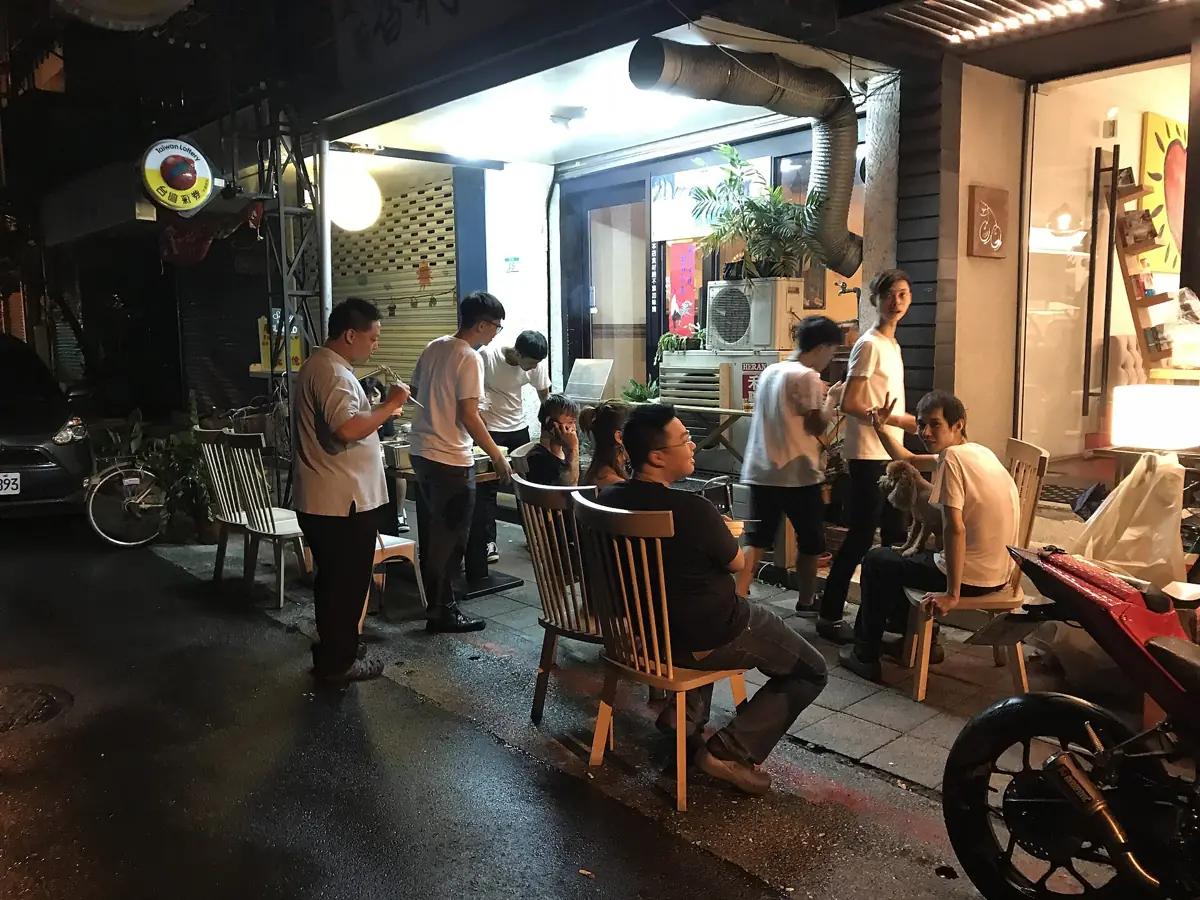
Every summer, the Union County area of southern Illinois turns its attention to the fairgrounds. The Union County Fair is the kind of county fair that still smells like sawdust and fried dough, still runs on volunteer hours, and still pins a ribbon on a prize hog or a jar of preserves. It is a local festival rather than a tourist spectacle, and that is precisely what makes it worth building a trip around.
This guide is written for the visitor who has never been: what the fair is, when it typically happens, what a day costs, where to sleep, and how to shape a weekend in Union County, Illinois around it. Bring cash, comfortable shoes, and patience for small-town traffic.
The Union County Fair at a Glance, Minus the Guesswork
| Town / place | The Union County area, anchored by Jonesboro |
| County | Union County, Illinois |
| County seat | Jonesboro |
| County founded | January 2, 1818 |
| Land area | 422 square miles |
| Region | Southern Illinois, Shawnee Hills country |
| Typical timing | A summer weekend, most often July or August |
| Admission | Typically free entry, with some rides and grandstand events ticketed separately |
| Setting | Open-air fairgrounds with barns, an exhibit hall, a midway and grandstand seating |
| Organizer | Local volunteers, agricultural groups and community organizations from across the county |
What the Union County Fair Actually Is
Strip away the marketing language and a county fair is a simple proposition: neighbors showing each other what they grew, baked, built or raised, and everyone else showing up to eat, watch and visit. The Union County Fair fits that mold closely. It is a multi-day community gathering on fairgrounds in the Union County area, organized around livestock, youth projects, home arts and an evening program that fills the grandstand.
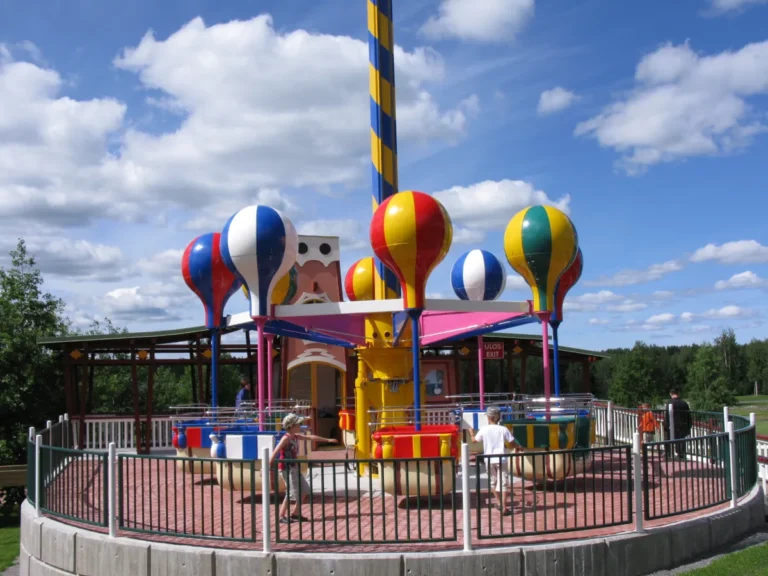
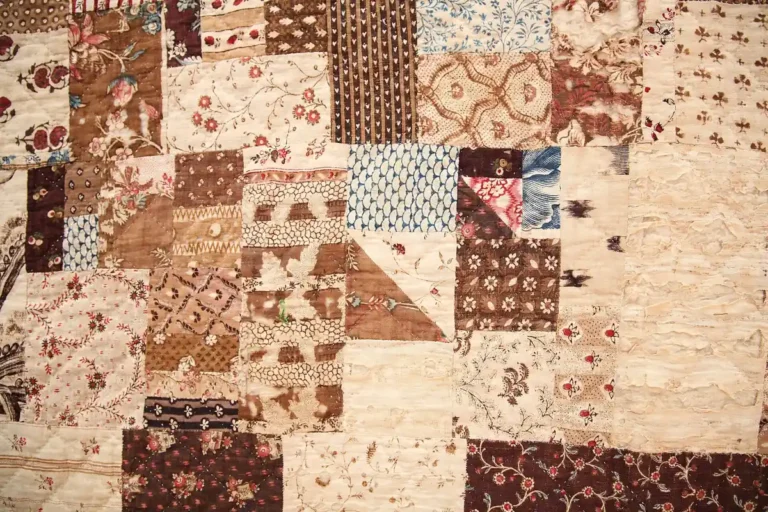
Expect the classic building blocks. Barns hold cattle, swine, sheep, goats and poultry during show times. An exhibit hall displays baking, canning, photography, quilting, vegetables and school art. A midway brings rides and games, usually brightest after dark. Evening grandstand programming tends to be the loudest part of the schedule, and the exact lineup shifts from year to year.
What distinguishes a fair this size is scale. You will not fight a stadium crowd or navigate a sprawling campus. You can park once, walk the whole grounds in an afternoon, and still recognize half the people you pass. Families treat it as a reunion, farmers treat it as a deadline, and teenagers treat it as the social event of the season.
For another look at how a community turns its own traditions into a gathering, see the Union County Illinois Pumpkin Town Festival for a useful comparison.
Two Centuries of Union County Farming Behind One Fairground
Union County was founded on January 2, 1818, making it one of the older counties in Illinois, and Jonesboro has served as its county seat across those generations. The county’s 422 square miles stretch across rolling ground in the state’s southern tier, where the economy has always leaned on agriculture, timber and small-town trade.
County fairs in this part of the Midwest grew out of nineteenth-century agricultural societies that wanted a yearly showcase for better seed, better stock and better methods. Over time the educational purpose softened into something broader, and the fair became equal parts competition, carnival and homecoming. The Union County Fair carries that inheritance: the judging still matters, but so does the corn dog.
What has stayed constant is who runs it. Fairs of this size depend on volunteer labor — people who set up pens, sell tickets, judge entries, park cars and clean up at midnight. That is why the fair feels personal, and why supporting it by showing up matters more than any single attraction on the schedule.
What a Day at the Union County Fair Feels Like
A fair day has a rhythm. Mornings belong to exhibitors and animals. Afternoons bring families and the first ride queues. Evenings fill the grounds, light the midway and push the crowd toward the grandstand. Plan around that rhythm and you will enjoy it far more.
Fair Food With a Southern Illinois Accent
Fair food is its own food group. Expect the standard lineup: corn dogs, funnel cakes, elephant ears, nachos, lemonade shake-ups, cotton candy, ice cream and a rotating cast of grilled and fried options. Local church and civic groups often run stands, which is where you will find the most regionally specific cooking — think barbecue, pulled pork, homemade pies and sweet corn when it is in season.
Two practical notes. Bring cash even if some vendors take cards, because small stands still run on bills. And eat before the dinner rush, which tends to hit shortly after the evening session opens.
Music, Grandstand Shows and Evening Entertainment
Evening is when the fair makes noise. Grandstand programming in southern Illinois county fairs commonly includes live country and rock bands, tractor pulls, demolition derbies, motocross and pageants, though the mix changes year to year. Smaller stages and tents around the grounds often feature local musicians, karaoke or DJ sets between the bigger events.
Grandstand events sometimes require a separate ticket beyond general entry, and the most popular nights sell out of seating. Check the fair’s current schedule before you commit to a specific evening, and arrive early if you want a good seat rather than a spot behind the fence.
Family Activities, Livestock Barns and Exhibit Halls
For families, the fair is unusually easy. The grounds are walkable, the distances short, and there is always something free to look at between paid attractions. The livestock barns are the sleeper hit with young children, especially during show times when animals are being washed, walked and judged. The exhibit hall rewards a slow lap: quilt racks, canned goods, giant vegetables, photography and school artwork.
Rides and games cost money and are usually the biggest expense of the day. Many families set a per-child budget on arrival, spend the afternoon on animals and exhibits, and save the midway for after dark when the lights come on.
Planning a Union County Fair Weekend
Getting to the Union County Area
Union County sits in the far southern part of Illinois, and Jonesboro is the county seat. Most visitors arrive by car on regional highways, with larger towns in the surrounding region serving as the practical approach routes. From the north, plan on a drive through the Shawnee Hills; from the south, you will be crossing into Illinois from the Kentucky side of the region.
Cell service is generally fine on main roads and patchier on rural back roads. Download your map before you leave, and top off the tank when you see a station — distances between services can be longer than they look on a screen.
Where to Stay Near Jonesboro and Union County
Lodging in the immediate area is limited, which is normal for rural southern Illinois. Options typically include small motels, cabins, bed-and-breakfast style stays and campgrounds, with a wider choice of chain hotels in the larger regional towns within driving distance. During fair week, rooms in the area fill quickly.
Book well ahead if you are coming for a specific weekend, and consider staying two nights so you get both an evening session and a relaxed morning. Campers should confirm availability, hookups and rules directly with the property rather than assuming.
Parking at the Fairgrounds
Parking is usually on or adjacent to the fairgrounds and is handled by volunteers directing traffic. It is generally straightforward on weekday evenings and busier on weekend nights when grandstand events draw a crowd. Arrive before the evening rush, follow the attendants rather than improvising your own spot, and note a landmark near your car so you can find it in the dark.
Admission and What a Day Will Cost
Entry to fairs of this kind is typically free, with costs concentrated in rides, games, food and any ticketed grandstand events. That means your budget is largely self-determined. A frugal afternoon of exhibits and animals can cost almost nothing beyond food; an evening of rides and a grandstand show will cost considerably more.
Because prices and policies change, confirm current admission, ride wristband deals and event tickets with the fair before you travel. Carry cash for small vendors and parking donations.
Southern Illinois Weather and What to Wear
Summer in southern Illinois means heat and humidity, with afternoon storms that build quickly and pass quickly. Dress in light layers, wear closed-toe shoes that can handle dust or mud, and bring a hat. Sunscreen and insect repellent are worth packing.
Keep a poncho or compact umbrella in the car. If a storm rolls through, most fairs pause and resume once it clears, and the grounds get considerably muddier in the meantime.
A Sample Fair Weekend in Union County, Start to Finish
Friday afternoon. Arrive early, park once, and walk the grounds before the crowds build. Start in the exhibit hall, then drift through the barns while exhibitors are still working with animals. Grab an early dinner from a civic group stand.
Friday evening. Stay for the grandstand program if something on the schedule appeals, or simply watch the midway light up and let the kids burn off energy on the rides. Leave before the final rush and you will exit the lot in minutes.
Saturday. Sleep in, then spend the middle of the day away from the fairgrounds exploring the surrounding countryside. Return late afternoon for livestock shows, the busiest midway of the weekend and the biggest evening crowd.
Sunday. Come back for a slower, family-heavy day. Revisit anything you missed, buy one last funnel cake, and head home before dark if you have a long drive.
How the Union County Fair Compares With Other Regional Options
The nearest comparison is scale. Larger regional fairs — the state fairgrounds operation at Du Quoin being the obvious example in this part of Illinois — offer bigger name entertainment, more vendors and heavier traffic. The Union County Fair trades that scale for walkability and a genuinely local crowd.
Carbondale, to the northeast, offers a college-town weekend of restaurants, music and shopping, but no county fair atmosphere. Smaller Union County towns such as Anna and Cobden deliver quiet main-street charm and countryside scenery rather than a midway.
If you want a big production, go bigger. If you want to talk to the person who raised the rabbit you are looking at, stay in Union County.
Your Union County Fair Checklist
Before you go, confirm the current dates and daily schedule directly with the fair, since timing shifts year to year. Book lodging early if you need a room. Check the weather forecast the morning you leave.
Pack cash, sunscreen, insect repellent, a refillable water bottle, closed-toe shoes, a light rain layer and a phone charger for the car. Bring a tote bag for anything you buy and a sweater for late evenings. If you have young children, write your phone number on their wrist or arm in case you get separated in the midway crowd.
Beyond the Fairgrounds: Exploring Union County and the Shawnee Hills
The fair is a good reason to see the surrounding area rather than a reason to drive in and out. Union County sits in the Shawnee Hills region of southern Illinois, close to the Shawnee National Forest, where the landscape shifts from farmland to wooded ridges, bluffs and creek bottoms. Scenic driving, hiking and photography are the main draws.
Jonesboro, the county seat, gives you a small courthouse-square town to wander, and the surrounding countryside is a patchwork of orchards, vineyards, pasture and timber. Give yourself half a day outside the fairgrounds and the weekend becomes a proper trip rather than a single event.
What the Fair Means to Union County’s Small Towns
In a county of 422 square miles with no large city at its center, the fair functions as shared civic space. It is where the school districts, churches, farm families and small businesses of Union County end up in the same place at the same time. For the young people who show livestock and enter projects, it is a public test of months of work.
It is also an economic and social anchor for the area. Vendors, local groups and volunteers all depend on the week going well. When you buy a ticket, a meal or a raffle entry, you are participating in something that sustains itself year after year without much outside help.
Union County Fairgrounds Location, Briefly
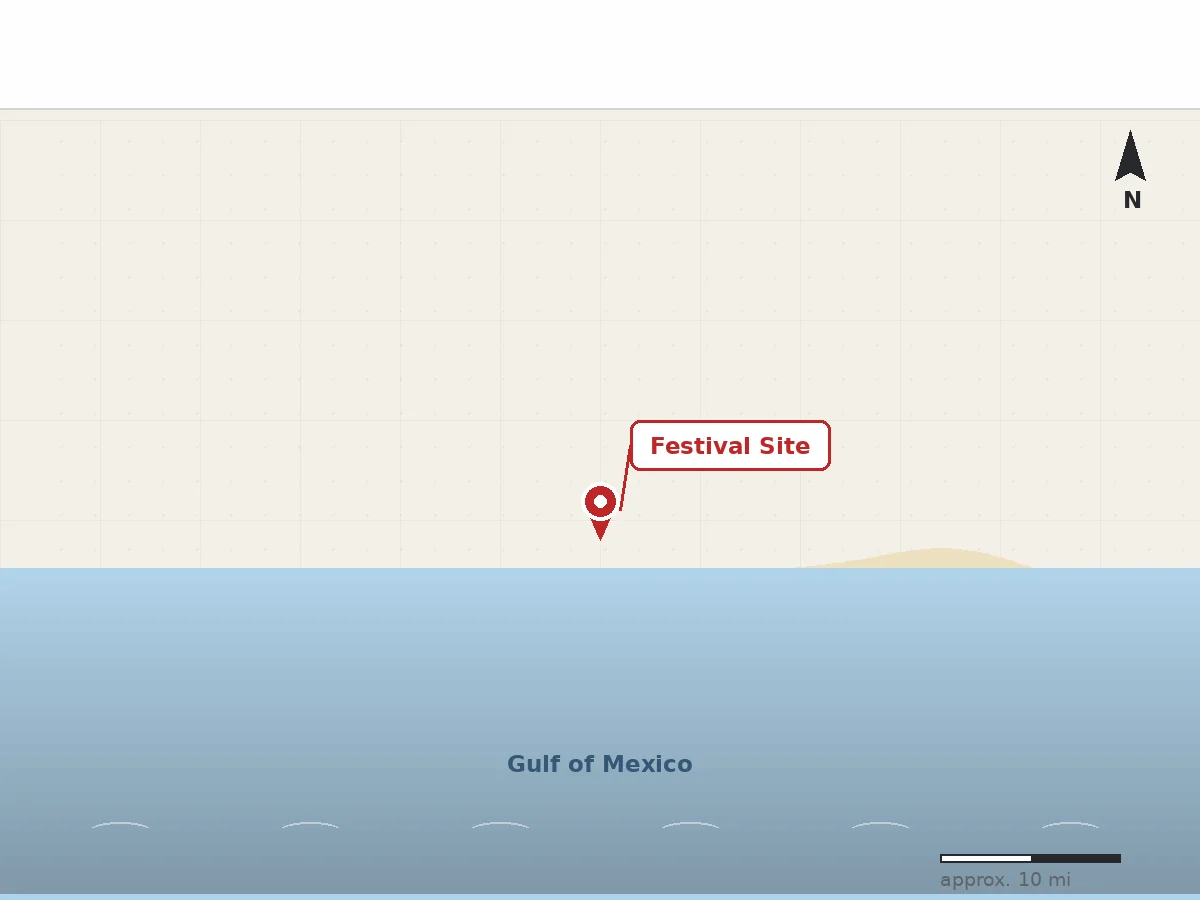
The Union County Fair takes place on fairgrounds in the Union County area of southern Illinois, near the county seat of Jonesboro.
Union County Fair Visitor Questions, Answered
When is the Union County Fair usually held?
It is a summer event, most often falling on a weekend stretch in July or August, which is standard timing for county fairs across Illinois. Because the exact dates shift each year, confirm the current schedule with the fair before you make travel plans or book a room.
Do I have to pay to get in?
Entry to fairs of this size is typically free, with money spent instead on food, rides, games and any ticketed grandstand events. Treat admission as a small or zero cost and budget for the extras, then verify current details locally, since policies and pricing do change.
Is it a good outing for young children and older visitors?
Yes. The grounds are compact and walkable, seating is available around the grandstand and exhibit areas, and there is plenty to see without spending money. The main challenges are heat, uneven ground and evening crowds, so plan around the middle of the day and bring water and shade protection.
Do I need to book anything in advance?
Not for the fair itself in most cases. Lodging is the exception. Accommodation in and around Union County is limited, so if you plan to stay overnight during fair week, reserve early. Grandstand events with limited seating are also worth checking ahead if a particular night matters to you.
The Road Ahead for the Union County Fair
County fairs everywhere are navigating the same pressures: rising costs, thinning volunteer ranks and competition from screens and travel. The fairs that endure tend to be the ones that keep their agricultural core while making room for newer entertainment and easier logistics for young families.
The Union County Fair has two things working in its favor — a deep farming tradition and a county that treats the fair as a shared annual appointment. Visitors who show up, spend locally and come back the next year are part of how that continues.
Last updated: October 2026
If you are planning a southern Illinois summer, put the Union County Fair on the calendar and build the rest of the weekend around it. Come for the livestock and the lemonade shake-ups, stay for the evening lights on the midway, and leave with a better sense of what small-town Illinois does well. Check the current schedule before you drive, and enjoy the fair.
One Comment