Union County Illinois Annabelle Festival
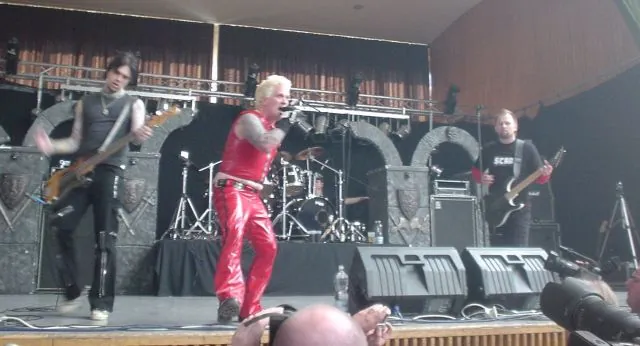
Jonesboro has held the seat of Union County, Illinois, since the county was organized on January 2, 1818, and its courthouse square still anchors a town built into the folds of the Shawnee Hills. The county stretches across 422 square miles of southern Illinois — hardwood ridges, orchard rows, creek bottoms, and small communities that mostly know one another by name.
Most weeks, that landscape is quiet in the particular way rural southern Illinois is quiet: a pickup easing around a tractor, a bell over a school door, a wave from a porch. Once a year the scattered pieces come together, and the Union County Illinois Annabelle Festival turns a single weekend into a reunion of neighbors.
The name Annabelle carries a warm, familiar ring — the sort of name that sounds like an aunt, a neighbor, or a girl who sang in the church choir a generation back. That tone matches the festival itself: unpretentious, locally run, and shaped around the people who actually live here rather than around a slogan.
What follows is a history-led look at Annabelle and the place that hosts it, from the county’s earliest years through the practical details a first-time visitor needs — what to expect, how to plan, where to stay, and what else deserves a stop in Union County once the weekend winds down.
Annabelle Festival Essentials in Union County, Illinois
The basics, for anyone mapping out a first visit to the Union County area.
For another look at how a community turns its own traditions into a gathering, see the Tazewell County Illinois Pekin Marigold Festival for a useful comparison.
| Festival | Union County Illinois Annabelle Festival |
| Location | Union County area, southern Illinois |
| County seat | Jonesboro |
| County founded | January 2, 1818 |
| Land area | 422 square miles |
| Population | Rural and small-town, with residents spread thin across the county |
| Typical timing | A weekend in autumn, in most years |
| Admission | Typically free |
| Setting | Small-town streets and courthouse-square country in the Shawnee Hills |
| Signature draws | Local food, live music, family activities, community vendors |
The Annabelle Festival and the Union County It Belongs To
Annabelle is a community celebration staged in the Union County area of southern Illinois, usually on an autumn weekend. It is the kind of event where the schedule matters less than the wandering. You come for one thing and stay for three, because you run into someone you have not seen since the last time the whole county turned out for something.
Admission is typically free, which matters in a county this rural, where a family outing should not require a budgeting session. The festival leans on local vendors, local cooks, local musicians, and volunteers who have been setting up tables for events like this since they were kids. Nothing about it is imported for the sake of polish.
It is a festival for residents first — a chance to see neighbors, show off a project, or let a kid run loose for an afternoon. Visitors are welcome and tend to be absorbed quickly into the rhythm, which is less about watching and more about joining in.
From an 1818 Courthouse Square to Annabelle Weekend
Union County was organized on January 2, 1818, making it one of the older counties in a state that was barely a year into statehood itself. Jonesboro became the county seat, and for two centuries the town has been the place where Union County business gets done — deeds filed, verdicts read, taxes argued over, marriages recorded.
In 1858, Jonesboro hosted one of the Lincoln–Douglas debates, an event that fixed the town in national memory and gave its square a permanent claim on the story of Illinois. For a community of its size, that is a remarkable piece of history to carry, and locals do not carry it quietly.
The decades that followed shaped the county’s working life: timber cut from the ridges, grain and fruit from the bottomland and hillsides, orchards that gave the region a reputation for apples and peaches, and later the arrival of the Shawnee National Forest, which redrew the map of what the land was for.
Through all of it, Union County kept the habit of gathering. School homecomings, church picnics, harvest sales, county fair weeks, benefit suppers for a family that lost a barn — the calendar was always full of reasons to show up somewhere and stand around talking. Annabelle belongs to that older pattern rather than replacing it. It is the same instinct in newer clothes: a name on a banner, the same neighbors underneath.
Inside an Annabelle Weekend in Union County
A first visit goes more smoothly if you know what the weekend is built from. Three things carry most of the day: food, music, and things for kids to do while the adults keep talking.
Food Along the Annabelle Festival Streets
Expect the cooking that shows up at southern Illinois gatherings: grilled and fried standbys, chili, barbecue, pies and cobblers, kettle corn, lemonade shake-ups, and sweets sold to raise money for a good cause. Vendors tend to be local organizations, church groups, and family operations rather than a traveling carnival of the same franchises you see everywhere else. Bring cash in small bills, since lines move faster that way and some stands may not take cards.
Music and Entertainment on the Local Stages
Live music is usually the heartbeat of the weekend — regional bands, church choirs, school groups, and solo performers working through country, gospel, bluegrass, and rock covers. The sound is often acoustic-leaning, which suits a county where bluegrass has deep roots. Between sets, you may find demonstrations, raffles, or announcements from the stage honoring someone who has spent decades volunteering. Those moments are not filler; they are the point.
Family Activities for Kids and Grandparents Alike
Annabelle is built for mixed-age groups. Expect games, crafts, face painting, contests, and open space where children can burn off an afternoon. Older visitors will find seating, shade, and plenty of people to talk to. Strollers and wheelchairs generally manage fine on paved sections, though some side streets and grass areas can be uneven after rain, so plan footwear accordingly.
Planning an Annabelle Weekend in Union County
The logistics are simple, but a little forethought makes the weekend better, especially if you are driving in from outside the county.
Getting to Union County and the Festival Area
Union County sits in far southern Illinois, reachable by car from the Carbondale area to the north and from the Mississippi River corridor to the west and south. There is no major airport inside the county, so most visitors drive. Fuel up before you arrive, keep an offline map handy, and expect two-lane roads once you leave the main highways — the drive itself is part of the appeal.
Where to Stay Around Jonesboro and Anna
Lodging in the immediate area runs toward small independent motels, bed-and-breakfasts, cabins, and campgrounds rather than large chain hotels. During festival weekends, nearby rooms fill early, so book well ahead if you are coming from a distance. Many visitors base themselves in the Carbondale area and make the drive down, which also puts restaurants and grocery stores within easy reach.
Parking Near the Annabelle Festival
Parking is typically on-street and in nearby lots, with volunteers directing traffic at the busiest hours. Arrive before midday for the easiest spot, and be patient leaving at the end of the evening. If you park on a residential street, keep driveways clear and watch for children crossing between cars.
Admission, Costs, and Cash
Admission is typically free, which keeps the weekend affordable for families. Your spending will mostly go to food, drinks, raffle tickets, crafts, and vendor goods. Carry cash in small denominations, set a rough budget for the kids, and treat any ticketed extras as optional rather than essential.
Southern Illinois Weather and What to Pack
Autumn in this part of Illinois can swing from warm afternoons to chilly evenings in the space of a few hours. Dress in layers, bring a light rain jacket, and choose comfortable walking shoes. Sunscreen and insect repellent are worth tossing in the bag, and a folding chair will earn its place if you plan to settle in for music.
A Sample Annabelle Weekend, Friday Through Sunday
Friday. Arrive in the late afternoon, check in, and take a slow drive through Jonesboro to get your bearings. Eat dinner at a local diner or tavern, then walk the festival area as vendors set up. Evenings before the crowds arrive are the easiest time to talk with organizers.
Saturday. Come early for parking and breakfast, then work the food row before lines form. Spend the middle of the day on music and family activities, take an afternoon break in the shade, and return for the evening sets when the stage lights come on and the crowd thickens.
Sunday. Sleep in, then use the morning for the surrounding county — a scenic drive, an orchard stop, a short hike, or a look at the courthouse square. Head home in the afternoon, before the last of the weekend traffic builds.
Annabelle Beside Cobden, Alto Pass, and Murphysboro
Union County already has a busy festival calendar, and Annabelle sits comfortably inside it. Cobden, just up the road, is known for its peach celebration tied to the local harvest. Alto Pass anchors the Shawnee Hills wine trail, where tasting rooms and orchard stands draw a different, more grown-up crowd. Further north, Murphysboro’s apple festival in Jackson County is one of the region’s largest.
Compared with those, Annabelle feels broader and more hometown — less tied to a single crop or a single industry, more like the county throwing open its doors. If you are building a southern Illinois weekend, pairing Annabelle with a wine trail stop or an orchard visit makes for a fuller trip than the festival alone.
Annabelle Weekend Checklist for Union County Travelers
Book lodging early if you are staying overnight. Bring cash in small bills. Wear broken-in shoes and pack layers. Charge your phone and download an offline map before you lose signal on the back roads. Bring a folding chair, a refillable water bottle, and a tote for purchases. Check the weather the night before and again that morning. Keep children’s names and a meeting point written down in case the crowd separates you. Leave room in the car for whatever you end up carrying home.
Beyond the Festival: The Rest of Union County
Stay an extra day and the county opens up. The Shawnee Hills offer overlooks, forest roads, and trails suited to short walks or longer rambles, and the Shawnee National Forest covers a good share of the surrounding ridgeline country. Bald Knob Cross of Peace, near Alto Pass, is one of the region’s best-known landmarks and a fine place to watch the hills change color in autumn.
Orchards and farm stands around Cobden and Alto Pass sell apples, peaches, cider, and preserves in season, and the wine trail gives adults a relaxed afternoon of tasting rooms with long views. Jonesboro itself rewards a walk: the courthouse square, the older commercial blocks, and the local history tied to the 1858 debate make a quiet counterpoint to the noise of festival weekend.
What Annabelle Means to Union County
In a county of 422 square miles with no large city at its center, community does not happen by accident. It has to be built, weekend after weekend, by people willing to chair a committee, fry something in a tent, or haul chairs out of a storage shed. Annabelle is that effort made visible — proof that a rural county can still fill a street with its own people.
It also matters economically. Money spent at local stands and shops stays close to home, and the festival gives small vendors a stage they would not otherwise have. Just as important, it gives younger residents a reason to feel attached to a place that many of them will otherwise be tempted to leave.
Where the Annabelle Festival Sits in Union County
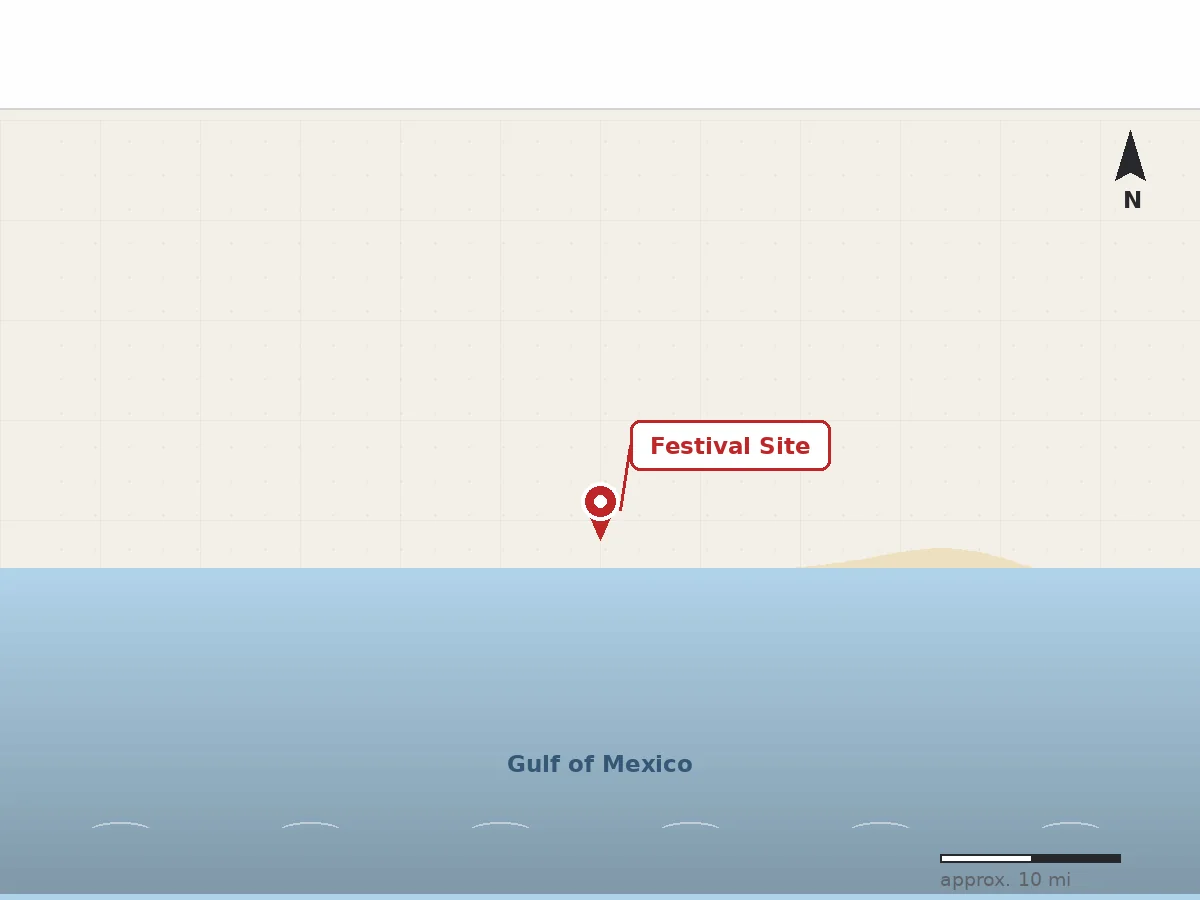
The festival takes place in the Union County area of far southern Illinois, with Jonesboro — the county seat — serving as the historical anchor of the surrounding communities.
Annabelle Festival: Four Things People Want to Know
Is the Annabelle Festival free to attend?
Admission is typically free, so you can walk in without buying a ticket. Plan to spend on food, drinks, crafts, and raffle tickets, and bring cash in small bills since not every stand is set up for cards.
What is the best time to arrive at Annabelle?
Morning is easiest for parking and shortest lines. Midday is the busiest stretch for food, and evening draws the biggest crowd for music. If you want a calmer experience, come early and stay through the afternoon.
Is Annabelle a good fit for young children and older visitors?
Yes. The weekend is designed around families, with games, crafts, and open space for kids, plus seating and shade for those who need to rest. Paved areas are manageable for strollers and wheelchairs, though grass and side streets can be uneven after rain.
Can I pair Annabelle with other Union County stops?
Absolutely. Cobden’s orchard country, the Alto Pass wine trail, Bald Knob Cross of Peace, and the forest roads of the Shawnee Hills are all within a reasonable drive. Many visitors turn the festival into a full weekend of southern Illinois exploring.
The Next Chapter for Annabelle in Union County
Annabelle’s future looks a lot like its past: local, volunteer-driven, and dependent on the goodwill of people who care about where they live. The challenges are the familiar ones for rural southern Illinois — an aging population, young people moving away, and the constant work of finding new hands to take over old jobs. The opportunity is equally clear. A festival with a warm name and a free gate is one of the cheapest, most effective ways a small county can remind its own residents that the place is worth staying for.
Expect the weekend to keep evolving — new vendors, new performers, maybe a longer schedule — while holding on to the parts that make it work. If you have never been, autumn is the time to fix that.
Last updated: October 2026
Union County has been gathering its people since 1818, and the Annabelle Festival is simply the latest excuse. Come for the food, stay for the music, and leave knowing a few more names than you did when you arrived — that is how this corner of southern Illinois has always worked.
One Comment