Richland County Illinois Richland County Fair Festival
Some county fairs are remembered for a headliner or a single ride. The Richland County Fair is remembered for its food — the smell of onions hitting a flat-top, the line that forms before dusk at the tenderloin stand, the pie table in the exhibit hall that gets picked over by mid-afternoon. Held in the Richland County area around Olney, this is the kind of summer fair where people plan the evening around eating first and walking the grounds second. Livestock barns, carnival lights, and a grandstand all sit within a short stroll of each other, so you can carry a corn dog from one end of the property to the other without missing anything.
Richland County Fair: The Details That Shape Your Visit
| Town / area | Richland County area, centered on Olney |
| County | Richland County, Illinois |
| County seat | Olney |
| Population | Rural and small-town, spread across 362 square miles |
| Region | Southeastern Illinois |
| Typical timing | A summer week, most often in July |
| Admission | Typically free or minimal at the gate; rides and some events cost extra |
| Setting | Fairgrounds with livestock barns, exhibit halls, a midway, and a grandstand |
| Features | Livestock and youth exhibits, carnival rides, grandstand shows, fair food |
| Organizer | Local fair board and volunteer committees |
What the Richland County Fair Is, in Plain Terms
The Richland County Fair is a traditional county fair in southeastern Illinois, with Olney serving as the county seat and the natural hub for visitors. Richland County covers 362 square miles, and much of what the fair celebrates comes straight out of that landscape: row crops, livestock, garden produce, baked goods, and the crafts and projects local kids spend months preparing.
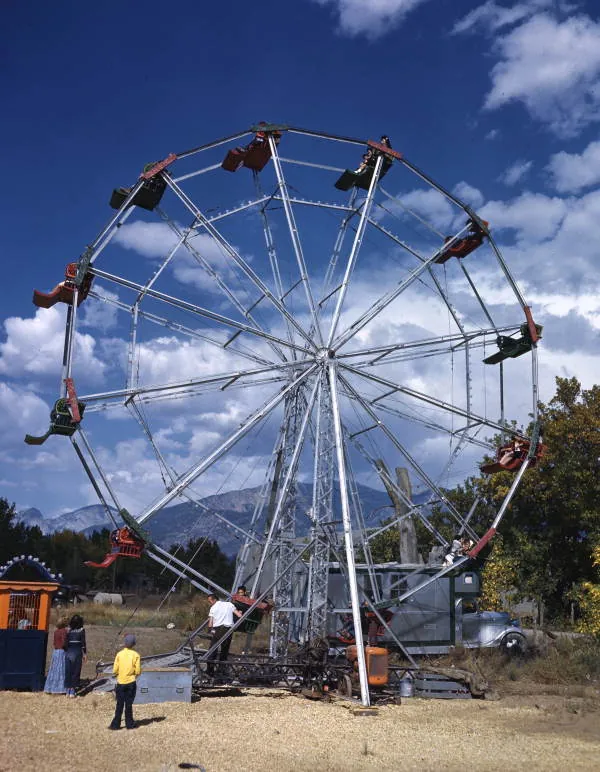
The grounds bring together the pieces you’d expect — barns full of animals, an exhibit hall lined with entries, a midway, a grandstand, and a ring of food trailers that tends to be the busiest part of the property after sunset. What sets the experience apart is scale. This is not a sprawling metropolitan exposition; it’s a county fair where the person handing you a pork burger may also be the person whose grandson showed the champion hog an hour earlier.
A Fair Tradition in a County Founded in 1841
Richland County was established on February 24, 1841, with Olney named as the county seat. Like most of rural Illinois, the county’s calendar came to be organized around agriculture — planting, growing, and the harvest that followed — and county fairs grew out of that rhythm as a place to compare crops, trade animals, and settle a year’s worth of friendly arguments about whose tomatoes were better.
County fairs across Illinois took shape through the nineteenth century, and the Richland County Fair belongs to that long tradition. The outline is familiar: a fair board or agricultural society organizes a grounds, exhibitors bring entries, and the event slowly adds the pieces that make it a social occasion — competitions, concessions, entertainment, and a midway. Over the decades the center of gravity has shifted toward youth programs such as 4-H and toward the food and grandstand shows that draw the widest crowds, but the agricultural core has never gone away.
For another look at how a community turns its own traditions into a gathering, see the Randolph County Illinois Steeleville Oktoberfest Festival for a useful comparison.
What has stayed constant is the fair’s role as a meeting point. Generations of Richland County families have walked the same grounds, entered the same categories, and bought food from the same kinds of stands. The buildings and the rides change; the ritual doesn’t.
Flavors, Stages, and Family Grounds at the Richland County Fair
An evening at the fair tends to follow a predictable arc: arrive, eat, wander, eat again, find a seat for the grandstand, and finish with something sweet on the walk back to the car.
Fair Food Worth Planning Your Evening Around
Expect the fryers and grills to be working hard: corn dogs, funnel cakes, elephant ears, lemonade shake-ups, pork burgers and tenderloins, nachos, and the deep-fried experiments that turn up at fairs everywhere. Local stands and civic groups often anchor the food row, which is part of what makes the eating feel specific to the county rather than generic. Lines move fastest in the early evening, before the grandstand crowd arrives, and cash is still handy at some stands even though card acceptance has spread widely.
The exhibit hall is where the food gets serious in a different way. Baked goods, canned preserves, garden vegetables, and decorated cakes are judged and displayed, and walking those tables is a free education in what people around here grow and cook.
Grandstand and Grounds Entertainment
Grandstand programming is typically the anchor of the evening, with a mix that varies by year — think motorsports, tractor pulls, demolition derbies, and musical acts rather than one fixed format. Smaller stages and open areas on the grounds often host local musicians, dance groups, and contests through the afternoon. Beyond the scheduled shows, the fairgrounds themselves provide the entertainment: the midway, the barns during show times, and the simple pleasure of running into people you haven’t seen since last summer.
Family Activities Across the Fairgrounds
Families tend to build their visit around the midway, the animals, and the food. Carnival rides and games usually occupy one section of the grounds, while the barns offer a free, hands-on counterweight — kids can watch grooming, feeding, and show preparation up close. Youth exhibits, craft displays, and small contests give younger visitors something to do that doesn’t cost ride tickets. Gravel and grass can make stroller wheels a chore after rain, so a wagon is often the better call.
Planning Your Trip to the Richland County Fair
Getting to the Olney Area
The fair serves the Richland County area, with Olney as the county seat and the most likely reference point for directions, lodging, and supplies. Most visitors arrive by car, and the drive through southeastern Illinois is straightforward — two-lane highways, farmland on both sides, and small towns spaced a few minutes apart. From outside the region, route yourself to a larger highway and follow local roads in from there.
Where to Stay Near Richland County
Olney is the practical base for an overnight trip, with the widest choice of motels and easy access to restaurants and fuel. Because the fair draws visitors from across the county during its run, booking well before your travel dates is smart, especially for weekend nights. Campers and RV owners sometimes stay at area campgrounds rather than in town.
Parking at the Fairgrounds
Parking is typically on-site or in adjacent lots with volunteers directing traffic. Arriving earlier in the evening usually means a shorter walk and an easier exit; arriving at peak grandstand time means the opposite. Keep a little patience for the lot after the main event lets out.
Admission and What You’ll Spend
Gate admission at county fairs of this kind is commonly free or low-cost, with the real spending happening on rides, games, food, and grandstand events. Budget for food first, since that’s where most families spend the most, and set a ride-ticket limit with kids before you walk in rather than negotiating it at the midway.
Southern Illinois Weather During Fair Season
Fair season here means heat and humidity, with the occasional summer storm rolling through in the afternoon or evening. Dress for warm evenings, bring water, and keep a light rain layer in the car. Comfortable shoes matter more than you’d think — you’ll cover more ground on gravel and grass than you expect.
A Sample Weekend at the Richland County Fair
Friday afternoon: Arrive before the dinner rush, walk the exhibit hall while it’s still quiet, and look over the baked goods and produce entries. This is also the best window for the barns, when exhibitors are settling animals in and the aisles aren’t crowded.
Friday evening: Eat your way down the food row — split items so you can try more than one stand — then find a spot for the grandstand event and finish with something fried and sweet on the walk back.
Saturday morning: Return early for livestock shows and youth judging. Mornings are cooler, the grounds are calmer, and the barns are at their most interesting.
Saturday midday: Lunch from the stands, then the midway and games while the kids still have energy. Take a break in the shade or in the exhibit hall when the heat peaks.
Saturday evening: Grandstand again, or a slower loop through the grounds if you’ve already seen the show. Many fairs wind down on the final day, so use the last hours for anything you skipped and take one more pass through the barns before the animals leave.
The Richland County Fair Beside Other Southeastern Illinois Towns
Richland County sits in a part of Illinois where county fairs are a summer staple, and comparisons help if you’re deciding where to spend a weekend. Olney, as the county seat, is the natural anchor here: it’s where you’ll find the most lodging, the most restaurant options, and the easiest access to supplies.
Neighboring communities across southeastern Illinois host their own fairs and summer events, generally with the same ingredients — barns, a midway, a grandstand, a food row — but each has a personality shaped by local exhibitors and the groups running the stands. Fairs in larger regional hubs such as Effingham tend to draw from a wider radius, while smaller town celebrations in places like Lawrenceville or Newton lean more toward a single-day community feel. The Richland County Fair lands between those poles, which makes it an easy addition to a summer of fair-hopping rather than a replacement for any one of them.
A Short Checklist Before You Drive to Olney
| Cash | Some stands and games still prefer it |
| Comfortable shoes | Gravel, grass, and more walking than you expect |
| Water bottle | Southern Illinois summer heat |
| Sunscreen and a hat | Open grounds with little shade at midday |
| Light rain jacket | Summer storms move through quickly |
| A set ride budget | Easier than negotiating at the midway |
| Charged phone or camera | The barns and exhibit hall are worth photographing |
| A note of where you parked | The lot looks different after dark |
Beyond the Fairgrounds in Richland County
The fair is a good excuse to see more of Richland County than the fairgrounds. The county covers 362 square miles of farmland, small communities, and two-lane roads, and Olney, the county seat, is the place to start. A drive out from town takes you past working fields, farm stands in season, and the kind of small-town downtowns that reward a slow lap and a stop for coffee.
Pair a fair visit with a meal in Olney and a drive through the countryside at golden hour. For families, the fair itself usually fills a full day; for couples or solo travelers, spreading the visit across an afternoon and evening leaves time to see the county around it.
What the Richland County Fair Means to the County
County fairs do quiet work. They give young exhibitors a reason to learn how to raise an animal, bake a cake, or finish a project and then stand behind it while a judge looks it over. They give local organizations a fundraising venue and a place to be visible. They give neighbors who live twenty minutes apart a reason to spend an evening in the same place.
For a county organized around agriculture since its founding on February 24, 1841, the fair is one of the few annual events that pulls the whole map together — town and country, kids and grandparents, exhibitors and people who just came for the food. That mix is why the fair has lasted, and why the food lines are as long as they are.
Where the Richland County Fair Sits in the Olney Area
The Richland County Fair takes place in the Richland County area of southeastern Illinois, with Olney as the county seat and the closest town for directions, fuel, and lodging.
Straight Answers About the Richland County Fair
Is there an admission fee?
Gate admission is typically free or minimal, with spending concentrated on food, rides, games, and grandstand events. Any ticketed events are announced in the current year’s schedule, so check that before you go if a specific show matters to you.
When during the year does the fair usually happen?
Like most Illinois county fairs, it falls in summer, most often during a week in July, when livestock shows, youth exhibits, and warm-weather entertainment all line up. Because the exact dates shift from year to year, confirm them with the fair’s current schedule rather than relying on last summer’s calendar.
Is the fair a good fit for young children?
Yes. The midway, the animal barns, and the food row are all built for families, and mornings are the easiest time to visit with small kids — cooler, quieter, and less crowded. Bring a wagon if you have one, since gravel and grass can be rough on strollers.
How much time should I set aside?
A single evening covers the food and one grandstand event comfortably. To see livestock shows, the exhibit hall, the midway, and the entertainment without rushing, plan on two visits or a full weekend, especially if you want to catch the judging in the barns.
Looking Ahead for the Richland County Fair
County fairs survive by adapting without losing their center. For Richland County, that means keeping the agricultural core — the livestock, the exhibits, the youth projects — while refreshing the entertainment and the food lineup that bring in a broader crowd. Expect the summer timing to hold, the grandstand schedule to keep mixing motorsports, music, and traditional fair events, and the food row to remain the busiest stretch of ground on the property.
For visitors, the practical advice stays the same from year to year: come hungry, come early in the evening, and give yourself more time than you think you need.
Last updated: October 2026
The Richland County Fair is a summer week in southeastern Illinois where the food is the through-line and everything else — the barns, the midway, the grandstand, the neighbors you run into by the funnel cake stand — happens around it. Come for dinner, stay for the evening, and start planning the return trip before the lights go out on another fair season.

One Comment