McLean County Illinois McLean County Fair Festival
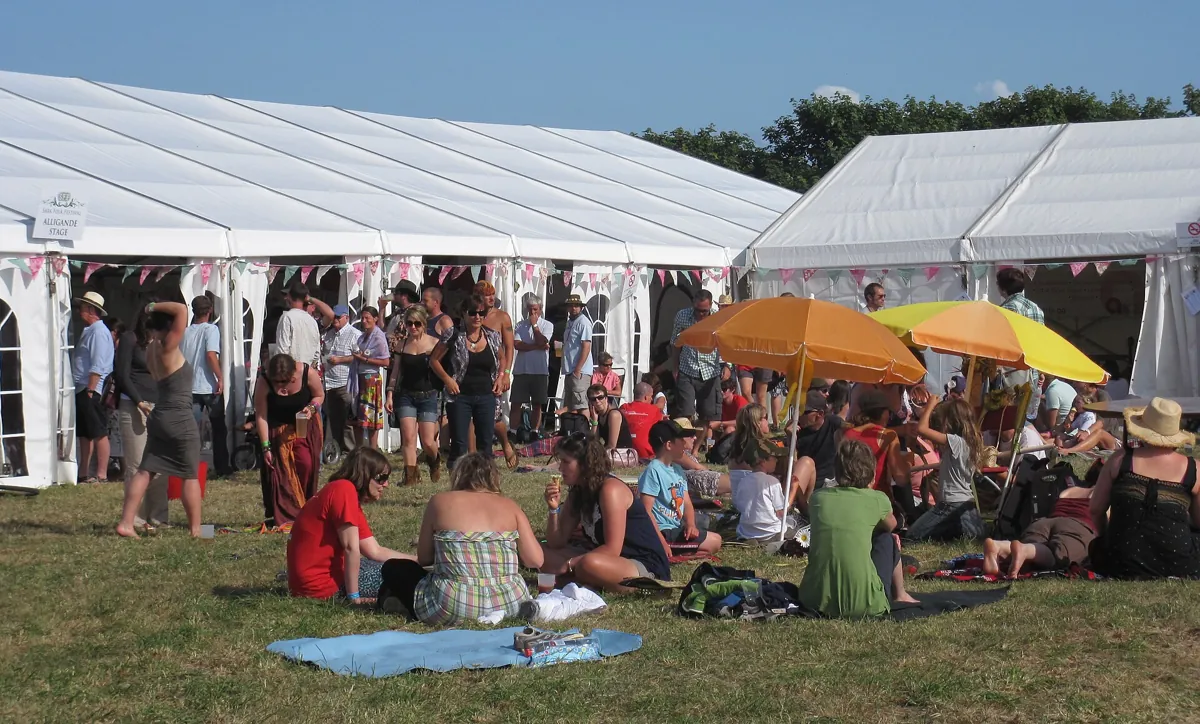
In McLean County, summer is measured less by the calendar than by the fair. Ask around Bloomington, the county seat, and you hear the same shorthand: “before the fair,” “right after the fair,” “we’ll see you at the fair.” The McLean County Fair is the kind of event that organizes an entire season for families who have been going for three generations — and for newcomers who moved into a subdivision on the edge of town last year.
The fair belongs to a county that spreads across 1,186 square miles of central Illinois farmland, small towns, and one busy county seat. That geography shapes everything about it: exhibitors roll in from the countryside, crowds come out from Bloomington, and the two meet in the same barns and grandstand seats every summer.
What follows is less a brochure than a set of local habits — how people here actually plan, eat, park, and linger at their county fair.
McLean County Fair Facts for a First Visit
| Town / area | The McLean County area, centered on Bloomington |
| County | McLean County, Illinois |
| County seat | Bloomington |
| Population base | Bloomington and the surrounding county communities |
| Region | Central Illinois |
| Typical timing | A summer weekend stretch, most often in late July or early August |
| Admission | No general gate fee in most years; vendors and individual activities set their own prices |
| Setting | Outdoor fairgrounds in the Bloomington area with agricultural buildings and open-air show space |
| Features | Livestock and youth exhibits, midway rides, fair food, grandstand entertainment |
| Organizer | Local agricultural and community volunteers |
The McLean County Fair in the Words of People Who Never Miss It
Nobody in McLean County talks about the fair as an attraction. They talk about it as a routine. “We go the same night every year,” one Bloomington parent says. “Same gate, same first stop for corn dogs, same bench by the show ring.” A retired farmer from the eastern part of the county puts it differently: the fair is the one stretch of summer when the whole county is in the same place at the same time.
That is the honest description of the McLean County Fair. It is a countywide reunion with livestock barns, exhibit halls, a midway, and a grandstand at its center. Young exhibitors show animals and projects, families wander the grounds, and neighbors who see each other once a year catch up over paper plates of fair food.
For another look at how a community turns its own traditions into a gathering, see the McLean County Illinois Bloomington-Normal Cultural Festival for a useful comparison.
Because the fair runs on local participation rather than a touring program, its character shifts with the county itself. New families enter exhibits, older families keep entering them, and the crowd grows a little more varied each summer while the rituals stay exactly the same. It is not the largest fair in Illinois. It is simply the one that belongs to McLean County, and residents treat it accordingly.
A County Born on Christmas Day, a Fair Shaped by Farm Habits
McLean County was founded on December 25, 1830, with Bloomington serving as the county seat. That date makes the county older than most of the towns inside it, and its agricultural identity was set early: flat, productive prairie, a rail and market town at the center, and farm families spread across a very large footprint.
County fairs across Illinois grew out of that same world. They began as gatherings where farmers compared breeding stock, grain, and equipment, and where households displayed preserves, needlework, and baked goods. The McLean County Fair followed that pattern, settling into the rhythm of a summer week that falls after crops are in the ground and before harvest demands everyone’s attention.
Over the decades, the emphasis widened. Youth organizations became central to the fairgrounds, machinery demonstrations gave way to entertainment, and the midway arrived. What survived the changes is the structure residents still recognize: barns first, grandstand second, and a midway that runs alongside both.
What a Fair Day in McLean County Looks Like
Fair Food With a Farm-Country Accent
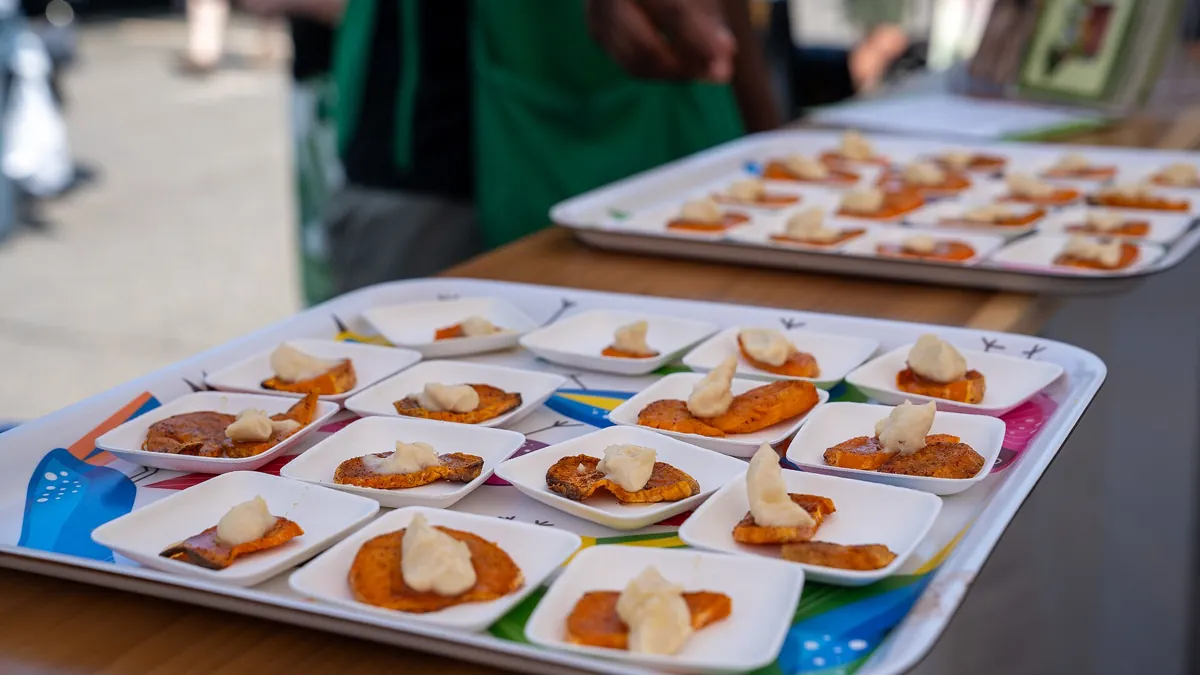
Food is where local habits are most obvious. Regulars know which stand they visit first and rarely deviate. Expect the classic county-fair lineup — grilled sandwiches, corn dogs, funnel cakes, lemonade shake-ups, hand-dipped ice cream — alongside church-group and community-organization stands that treat the fair as a fundraiser. Portions are generous, lines are long at peak dinner hour, and most people eat standing up while watching whatever is happening in the nearest ring.
Music and Entertainment From the Grandstand to the Barns
Entertainment runs on two tracks. The grandstand carries the bigger draws, typically evening performances, contests, and motorsport-style events that fill the bleachers. Elsewhere on the grounds, the atmosphere is unplanned: a radio playing in a barn aisle, an announcer calling a show class, kids testing a carnival ride, and the low hum of a crowd that has nowhere else it needs to be. Locals treat the grandstand as the anchor of the evening and the barns as the reason they came.
Family Activities Built Around Youth Exhibits
Families with children build their day around the exhibit buildings. Youth projects — animals, crafts, photography, baked goods, and more — are the heart of the fair, and the ribbons taped to those entries mean something to the people who earned them. Add a midway with rides for younger kids, animals to look at up close, and plenty of open space to run, and you have a day that works for a toddler and a teenager at the same time.
Planning the Trip From Bloomington and Beyond
Getting to the Bloomington-Area Fairgrounds
The fairgrounds sit in the Bloomington area, which makes the fair easy to reach from almost anywhere in McLean County. Most visitors arrive by car, using the major highways that converge on Bloomington and then county roads for the final stretch. If you are coming from a smaller town in the county, plan on a straightforward drive of well under an hour.
Where to Stay in and Around Bloomington
Bloomington is the practical base for out-of-town visitors, with the widest choice of hotels, motels, and guest rentals in the county. Book early for fair week, since the same weekend draws families, exhibitors, and alumni returning home. Staying in the county seat also puts you close to restaurants and grocery stores for the non-fair hours of your trip.
Parking and Traffic on Fair Nights
Parking is the one part of the fair that locals actively strategize. Arrive before the dinner rush for the easiest space, expect to walk a few minutes from your car, and be patient leaving after the grandstand event ends — that is when the lots empty all at once. Carpooling with neighbors is a long-standing habit here, and it solves both the parking and the traffic problem.
Admission, Costs, and What Stays Free
In most years there is no general gate fee, which is part of why local families treat the fair as an easy default evening rather than a splurge. Costs come from what you choose to buy: food, rides, games, and grandstand events each carry their own pricing. A budget-conscious visit is entirely possible — walk the barns, watch the shows, and bring a modest amount for snacks.
Summer Weather and How Locals Dress
Late July and early August in central Illinois mean heat, humidity, and the real possibility of an afternoon storm. Locals dress for it: light clothing, hats, sunscreen, and comfortable shoes for walking on gravel and grass. Many families keep a light rain jacket in the car and simply wait out a passing shower under a barn roof.
A Sample Fair Weekend Built From Local Habits
On a Friday, most residents arrive in the late afternoon, walk the barns while the light is still good, eat dinner from the stands, and settle into grandstand seats for the evening. Saturday morning belongs to exhibitors and their families — early barn chores, show classes, and quiet aisles before the crowd builds. Saturday afternoon is peak midway time, with the longest food lines and the loudest midway music of the weekend.
Saturday evening repeats Friday’s pattern with a bigger crowd and a longer walk from the parking area. Sunday is the slowest and, for many locals, the most enjoyable: cooler morning hours, final show classes, last chances at favorite food stands, and a general sense that the summer’s main event is winding down. If you only have one day, Saturday gives you the fullest version of the fair. If you want to talk to people, come Sunday.
McLean County’s Fair Next to Neighboring Gatherings
Compared with county fairs in adjoining central Illinois counties, the McLean County Fair tends to feel larger and busier, simply because Bloomington anchors a bigger population base and pulls visitors from across 1,186 square miles. Neighboring fairs often have a more compact, single-town feel, with shorter walks and quicker visits.
Within Bloomington itself, the fair competes with a summer calendar of downtown events, farmers markets, and neighborhood festivals. Those are evening-scale outings; the fair is a multi-day commitment. And against the state-level fair season that draws Illinoisans to bigger grounds elsewhere, McLean County’s version stays deliberately local — smaller crowds, familiar faces, and the same families in the same barns.
Packing and Prep Notes From Regular Fairgoers
Bring cash for small stands and tips, even if most vendors take cards. Wear closed-toe shoes, because fairgrounds mean gravel, dust, and the occasional surprise near the livestock barns. Pack sunscreen, hats, and refillable water bottles. Keep a light layer in the car for evening, when the temperature drops after sunset. Charge your phone before you go, since photos of kids on rides eat battery quickly. If you have young children, agree on a meeting point near the main gate in case you separate in the crowd. And if you plan to spend time around animals, wash your hands afterward — a habit fair families teach their kids early.
Beyond the Fairgrounds: The Rest of McLean County
The fair is a good excuse to see more of the county than the midway. Bloomington, the county seat, offers the widest range of restaurants, coffee shops, and evening entertainment in the area, plus the kind of walkable blocks that make a post-fair stroll worthwhile. Outside the city, the county opens into farmland and small communities where the pace drops immediately.
For families, the fair weekend pairs naturally with a slow morning before the gates open: breakfast in Bloomington, a drive through the countryside, and an afternoon back at the grounds. Visitors who come for the fair often find that the surrounding towns are the part of the trip they remember most.
What the Fair Means to a County of 1,186 Square Miles
In a county this spread out, shared experiences are rare. Residents live in different towns, work in different places, and send their kids to different schools. The fair is one of the few events that pulls all of that together into a single set of barns and bleachers for a few days each summer.
That is why locals describe it in terms of continuity rather than spectacle. The same families exhibit, the same volunteers run the stands, and the same kids who once rode the midway rides come back years later with children of their own. For McLean County, the fair is less an event on the calendar than a way of keeping a very large county feeling small.
Where the McLean County Fair Sits
The McLean County Fair takes place in the McLean County area of central Illinois, with Bloomington — the county seat — as the main point of reference for visitors.
McLean County Fair: Straight Answers for Newcomers
When does the McLean County Fair usually take place?
It is a summer fair, typically held during a weekend stretch in late July or early August. Because the fair follows an agricultural calendar, its timing is tied to the growing season rather than to a fixed holiday, so check the current season’s schedule before planning travel.
Is there an admission charge to get in?
In most years there is no general gate fee for the fairgrounds. Individual costs come from what you buy once inside — food, rides, games, and grandstand events are priced separately, so a visit can be as inexpensive or as indulgent as you want it to be.
Is the fair a good outing for young children?
Yes, and local families treat it that way. The exhibit buildings, livestock barns, and midway rides are all within walking distance of each other, and the atmosphere is relaxed enough for strollers. Mornings and early afternoons tend to be easier with small kids than the crowded evening hours.
Do I need to know someone showing livestock to enjoy the fair?
Not at all. Watching show classes is open to anyone and genuinely interesting even if you have never set foot in a barn. Locals will happily explain what is happening in the ring, and the exhibit halls are self-guided, which makes the fair easy to explore without any insider knowledge.
Looking Ahead to the Next Fair Season in McLean County
The fair’s future looks a lot like its past: steady, volunteer-driven, and rooted in youth participation. The pressures are familiar ones for county fairs everywhere — rising costs, competing summer entertainment, and the challenge of keeping younger families involved — but McLean County has two advantages that matter. A county seat the size of Bloomington provides a dependable audience, and generations of local families treat the fair as a fixed obligation rather than an optional outing.
Expect the emphasis to stay on exhibits, livestock, and community organizations, with entertainment evolving around them. For anyone planning ahead, the practical advice is simple: watch for the season announcement in early summer, book Bloomington lodging early if you need it, and keep one evening free for the grandstand.
Last updated: October 2026
Whatever else changes in McLean County, the fair will keep doing what it has always done — gathering a sprawling county into one set of barns and bleachers for a few summer days, and sending everyone home with the same question: same night again next year?
One Comment