Madison County Illinois Madison County Fair Festival
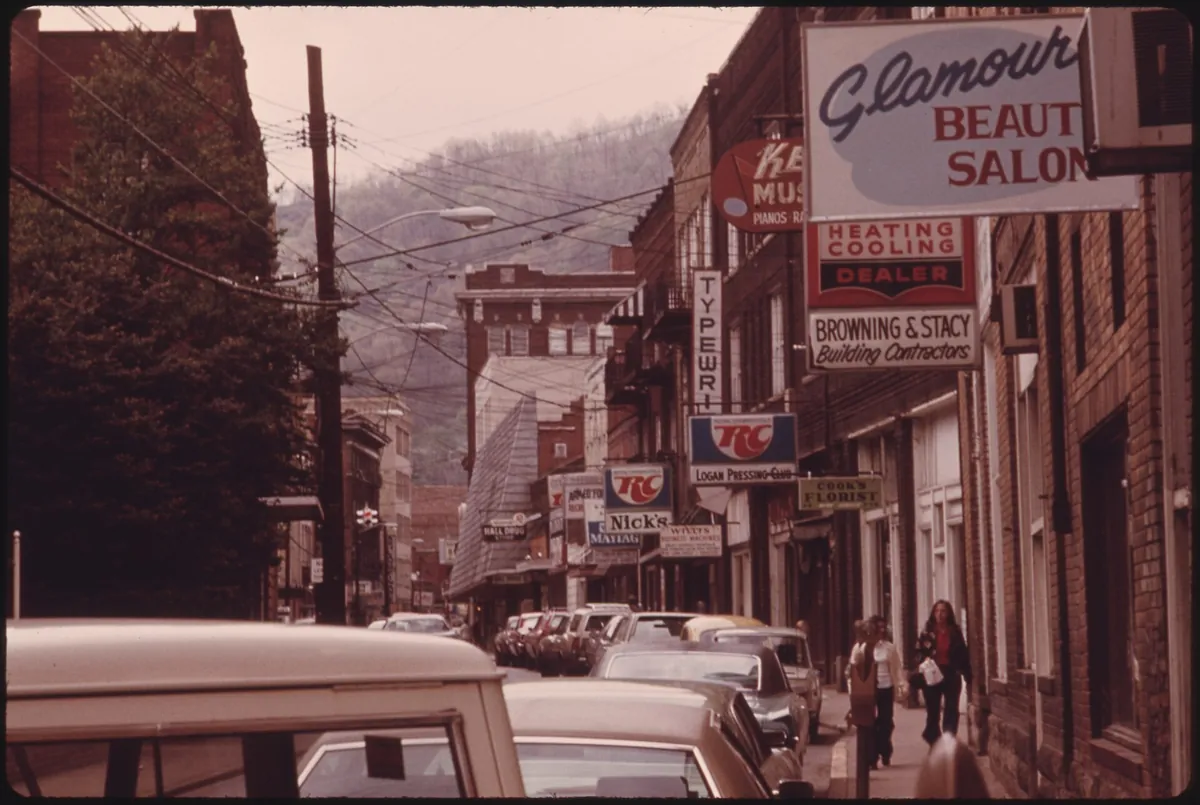
A county fair is a strange and wonderful thing to walk into cold. You hear the midway before you see it, you smell the livestock barns before you find them, and you spend the first twenty minutes working out which direction the grandstand lies in. The Madison County Fair, held in the sprawling Illinois county of the same name, rewards a little advance reading. What follows is a first-timer’s orientation: what the fair is, how it fits into a county founded in 1812, and how to plan a weekend that takes in the livestock shows, the food row and the evening entertainment without collapsing by Saturday afternoon.
Madison County Fair Basics: A First-Timer’s Fact Sheet
Start with the anchors. Nothing here replaces the fair’s own schedule for the current year, but it will keep you oriented before you commit a weekend.
| Town / area | The Madison County area; the fair draws from every township in the county |
| County | Madison County, Illinois |
| County seat | Edwardsville |
| Population base | One of the largest counties in the Metro East, concentrated in Edwardsville, Alton, Collinsville and Granite City |
| Region | Southwestern Illinois, across the Mississippi River from St. Louis |
| Typical timing | A multi-day run in summer, in most years spanning late July into early August |
| Admission | General grounds admission is typically free or low-cost; some grandstand events are ticketed separately |
| Setting | Classic fairgrounds — exhibit halls, livestock barns, a midway, a grandstand and grass parking |
| Signature features | Livestock shows, 4-H and youth exhibits, carnival rides, tractor pulls, fair food, evening entertainment |
| Organizer | A community and agricultural volunteer effort supported by local businesses and groups |
What the Madison County Fair Is, in Plain Terms
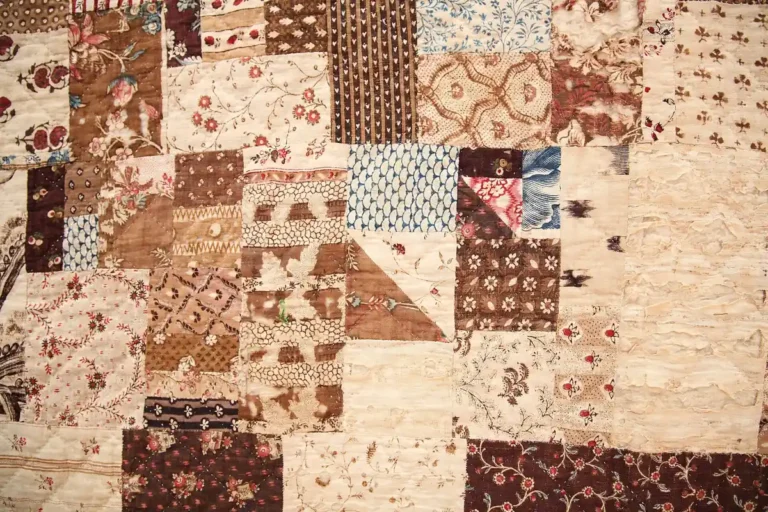
This is the county’s own fair — not a city festival dressed up in rural theme, but the real thing, organized around agriculture and the people who work the land across 741 square miles of prairie, river bottom and bluff country. Expect a mix that has barely shifted in a century: pens of cattle, swine, sheep and goats; poultry and rabbit barns; rows of canned goods and quilts in the exhibit hall; a midway that lights up at dusk; and a grandstand that fills for the evening’s main event.
It is also a social institution. For families in Edwardsville, Alton, Collinsville and the smaller towns between them, the fair marks the summer — the week the cousins come down, the week a kid shows a first calf, the week everyone eats too much and stays out too late. Treat it as a full day or a full evening, not a quick stop.
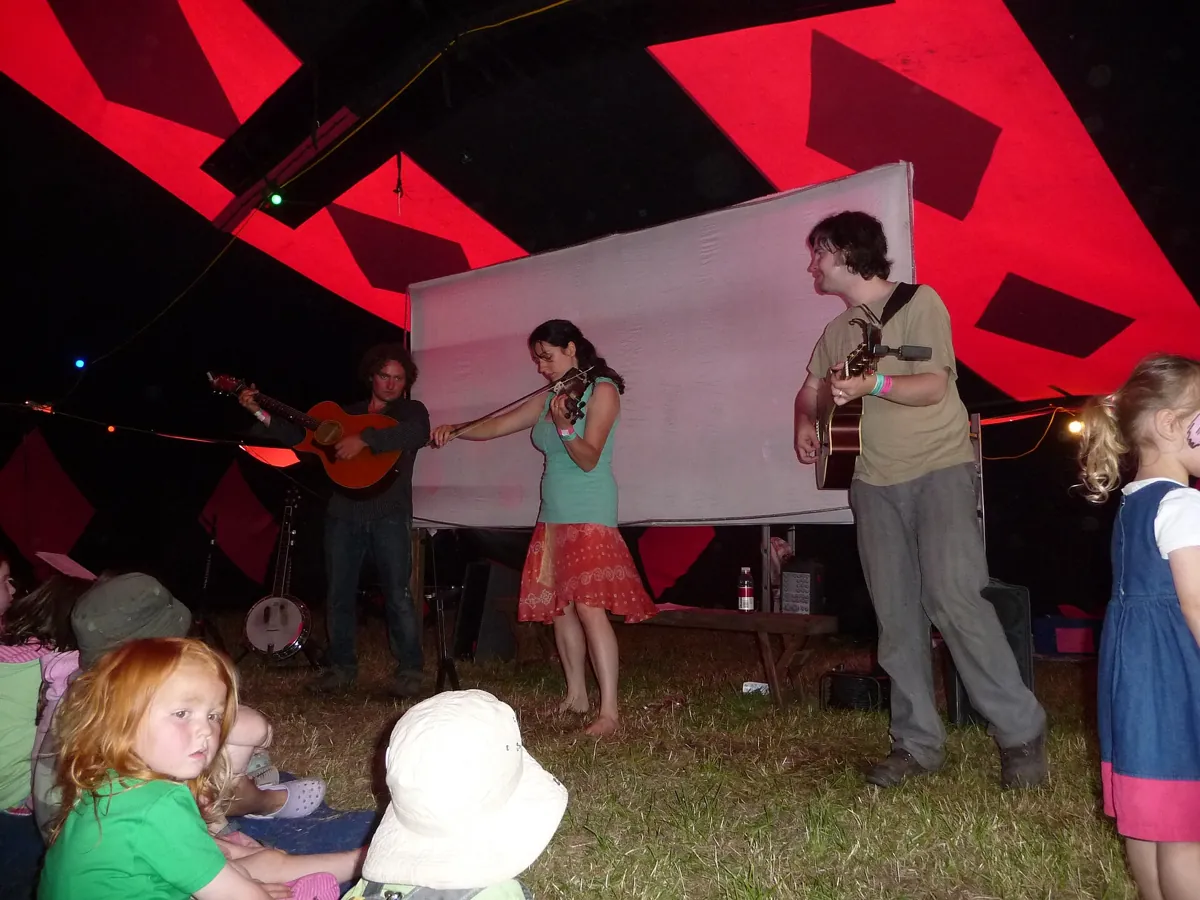
Two Centuries of Madison County, and a Fair That Grew With It
Madison County was established on September 14, 1812, and named for Captain Benjamin Godfrey. Edwardsville has served as the county seat, and from the early nineteenth century the county’s character has been agricultural as much as industrial — river towns along the Mississippi, farm country inland, and a steady pull toward St. Louis across the water.
For another look at how a community turns its own traditions into a gathering, see the Macoupin County Illinois Macoupin County Fair Festival for a useful comparison.
County fairs in Illinois grew out of that same era, when agricultural societies staged exhibitions to compare stock, swap seed and reward good husbandry. Madison County’s fair belongs to that lineage. Over the decades the fairgrounds became the county’s shared stage: the place where a farm family’s year of work was judged in public, where machinery dealers showed off new equipment, and where the whole county gathered at the height of summer, before the harvest run.
What survives today is that structure, updated. Livestock shows still anchor the schedule. The exhibit halls still hold baking, canning and needlework competitions. The midway and grandstand bring in the crowds. And the fair still runs on volunteers, which is why small details shift a little from year to year.
On the Grounds: What a First Visit Actually Feels Like
Every county fair has a rhythm. Madison County’s is easy to learn once you know which parts run all day and which only come alive after dark.
Fair Food Worth Standing in Line For
Food is half the reason people come. Expect the classic canon done well: pork chop sandwiches, tenderloins, corn dogs, funnel cakes, elephant ears, ribbon fries, lemonade shake-ups, kettle corn and soft-serve. Church and civic groups often run their own stands, and that is usually where the best value sits — a slice of pie, a bowl of chili, a pulled-pork sandwich. Lines peak between roughly six and eight in the evening, so eat early or eat late. Carry cash for the smaller stands even if the big vendors take cards.
Grandstand Nights: Music, Motors and Noise
Evenings belong to the grandstand. Depending on the year, that can mean a concert, a demolition derby, a tractor pull, a rodeo or figure-eight racing. Some grandstand events are ticketed separately from grounds admission, so check the schedule before promising a teenager a concert. Smaller stages and tents around the grounds usually host local bands earlier in the evening, which is the cheaper and more relaxed option.
Family Grounds: Exhibits, Rides and Small Hands
The family side of the fair runs all day. Youth exhibits — livestock showmanship, photography, baked goods, 4-H projects — are the heart of it and free to walk through. Expect a petting zoo, a kiddie ride section separate from the bigger carnival rides, pedal tractor pulls and craft activities. Strollers handle grass and gravel fine in dry weather; after a storm the lots turn soft, so pack accordingly.
Planning a First Trip to the Madison County Fair
Getting to the Fairgrounds
Madison County sits in southwestern Illinois, threaded by Interstate 55, Interstate 70, Interstate 255 and Interstate 270, with Route 159 running through Edwardsville and river roads following the Mississippi past Alton. Nearly everyone arrives by car; there is no meaningful transit link to the fairgrounds, so plan on driving or sharing a ride.
Where to Sleep Around Edwardsville
The county has plenty of hotel rooms along the Interstate 55 and Interstate 270 corridors, particularly around Edwardsville, Glen Carbon and Collinsville, with more options in Alton. Fair week fills the closest properties, so book early. Campers often base themselves at nearby campgrounds or the region’s state parks along the rivers; if you hope to camp on site, confirm that with the fair before you load the trailer.
Parking Without the Frustration
Parking is typically on grass, directed by volunteers, and usually free or a small donation. Arrive before the evening rush if you want to be near a gate, and note where you parked — rows of cars on a dark field all look alike at eleven at night. Wear shoes you do not mind getting dusty.
Admission, Ride Wristbands and Cash
Grounds admission is usually modest, and in many years general entry is free or nearly so, with grandstand shows and carnival rides costing extra. Ride wristbands or multi-ride tickets are typically the best deal for kids. Carry some cash: ATMs on the grounds run out, and smaller vendors may not take cards.
Weather in a Southern Illinois Summer
Expect heat and humidity, with afternoons that can climb into the nineties and thunderstorms that roll through fast. Mornings and evenings are far more comfortable. Bring water, sunscreen, a hat and a light rain jacket, and keep half an eye on the sky if you are sitting in the grandstand.
A Sample Madison County Fair Weekend, Start to Finish
Friday afternoon. Arrive an hour or two before the evening rush. Walk the livestock barns while they are still quiet, then loop the exhibit hall to see the baking, canning and craft entries. Eat dinner from a church stand around five, before the lines form.
Friday evening. Stake out a spot near the grandstand for the night’s event, then wander the midway after dark, when the lights are on and the crowd thins slightly.
Saturday morning. Come back early for the livestock shows and youth exhibits. This is the part locals care about most and the least crowded window of the weekend.
Saturday afternoon. Ride the carnival, catch a smaller stage act, and let the kids loose in the family area. Drink more water than you think you need.
Saturday evening. The busiest stretch of the fair. Eat early, catch the grandstand show, and stay for the midway lights.
Sunday. A shorter, gentler day. Many fairs close with a livestock auction, a demo derby or a final grandstand event. Arrive late morning, do one last food lap, and leave before the parking lot becomes a single slow-moving line.
How the Madison County Fair Compares With Neighboring Options
Madison County is not short of summer options, and it helps to know what you are choosing between. Alton, on the Mississippi, leans into its riverfront and historic downtown for warm-weather events that feel more like street festivals than agricultural fairs — food stalls, music, a walkable main street. Edwardsville and Glen Carbon run a more suburban, family-oriented calendar of downtown events and park-based gatherings that pair easily with a morning on the square. Collinsville and the surrounding towns hold their own community celebrations, often tied to heritage, churches or local history, and usually single-evening affairs rather than multi-day runs.
The Madison County Fair is the biggest and most traditional of the group: the one with livestock, a grandstand and a midway, and the one that feels most like the county showing itself off. If you have one summer weekend for this kind of thing, it covers the most ground.
First-Timer’s Checklist Before You Leave the Driveway
| Water bottle and sunscreen | July afternoons on an open fairground are unforgiving |
| Cash in small bills | Vendors, parking donations and ride tickets |
| Closed-toe shoes | Grass lots, gravel paths, livestock barns |
| Light rain jacket | Storms arrive and depart quickly |
| A set meeting point | Cell service gets spotty in a crowd |
| Tote bag | Exhibit hall purchases and giveaway items |
| Phone battery pack | Long days drain a battery fast |
Beyond the Gate: The Rest of Madison County
The fair is a good excuse to see more of the county. Edwardsville, the county seat, has a walkable downtown and a courthouse square worth an hour of wandering. Alton sits on the Mississippi with riverfront views, antique shops and the Great River Road running north out of town. Collinsville and its neighbors hold their own historic sites, and the county’s trail network makes it easy to trade fairground dust for a bike path.
If you are staying the weekend, a Saturday morning drive along the river bluffs, breakfast in one of the small towns, and an afternoon back at the fair is a good rhythm. At 741 square miles, the county will not run out of road on you.
The Fair as Madison County’s Annual Reunion
The Madison County Fair is where farm families, small-town kids and city visitors end up in the same grandstand on the same night. The youth exhibits matter more than they look: for a lot of local teenagers, showing an animal or entering a project is the first time their work is judged by anyone outside their family.
It is also a civic engine in miniature. Vendors, churches, volunteer fire departments, 4-H clubs and local businesses all lean on the week. And because the fair runs on volunteers rather than a large promotions company, it keeps a plainspoken character that bigger events trade away. That is the reason to go now rather than later.
Where the Madison County Fair Sits on the Map
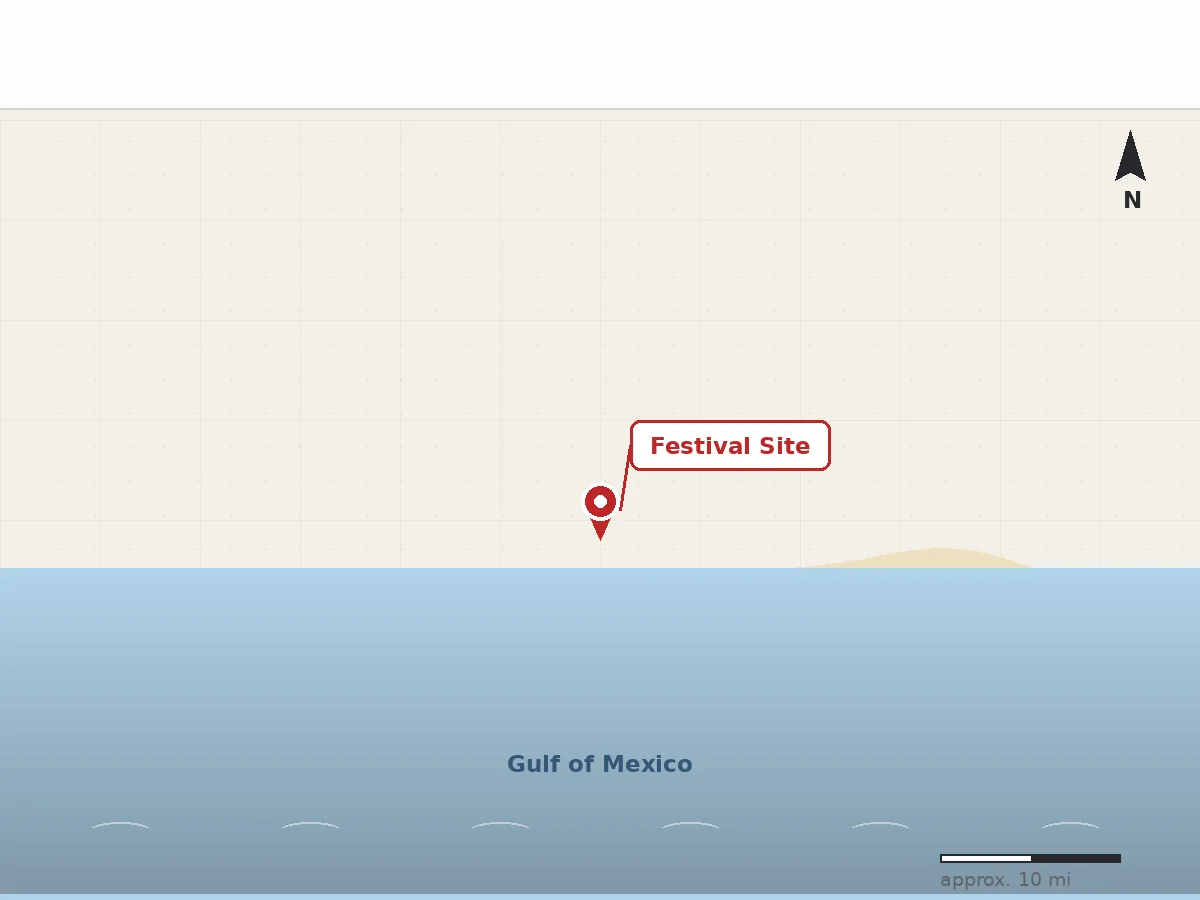
The Madison County Fair takes place within Madison County in southwestern Illinois, in the Metro East region just across the Mississippi River from St. Louis, with Edwardsville serving as the county seat.
Madison County Fair Questions From First-Timers
Is the fair a good fit for young children?
A strong one, especially during the day. The family area, petting zoo and youth exhibits are aimed squarely at kids, and crowds are gentler before the evening grandstand rush. Bring a stroller you can push over grass, plan around the hottest hours, and keep a meeting point in mind in case anyone wanders.
Do I need to buy tickets in advance?
For general grounds admission, usually not — most people pay at the gate, and in many years general entry is free or close to it. Grandstand events are the exception: those are often ticketed and can sell out, so buy ahead if a specific show is the reason for your trip. Confirm with the fair’s own schedule for the current year.
What happens if it rains?
Summer storms in southern Illinois arrive fast and leave fast. Schedules usually resume once the weather clears, though some events are delayed or cancelled for safety. Grass parking gets soft, so wear shoes you do not mind muddying and allow extra time to leave.
Can I bring my own food or a cooler?
Policies vary year to year and are set by the fair, so check before you pack. Many county fairs allow small coolers and water bottles but restrict glass and outside alcohol. The vendors on the grounds are part of the experience, and the church and civic stands are worth the money.
The Madison County Fair Looking Ahead
County fairs across Illinois are adapting rather than disappearing. The Madison County Fair’s future depends on the things that have always sustained it: volunteer hours, youth participation and local sponsorship. Expect the agricultural core to remain — livestock shows and exhibit halls are not going anywhere — while the entertainment side keeps shifting toward whatever draws a crowd that year.
For a first-timer, that is good news. The fair you visit this summer will still look and sound like a county fair, and the parts worth seeing are the parts that have been there longest. Go early in the week for the calm version; go on a weekend evening for the full noise of it.
Last updated: October 2026
If this is your first Madison County Fair, keep the plan simple: arrive before the rush, walk the barns and the exhibit hall, eat from a stand run by people who live here, and stay for the grandstand. Everything else — the rides, the music, the second funnel cake — will find you on its own.
One Comment