Lake County Illinois Lake County Fair Festival
There is a particular sound that settles over the Lake County Fairgrounds in high summer — the murmur of a crowd moving between barns and midway rides, the ring of a game-booth bell, the steady voice of a livestock judge over a loudspeaker. For families across Lake County, Illinois, that sound has long been the signal that summer has reached its peak.
The Lake County Fair is the county’s long-running agricultural showcase and its biggest seasonal gathering: part carnival, part countywide reunion, part open-air classroom. It takes place in the Lake County area each summer, most often in late July, and draws visitors from Waukegan and the lakefront suburbs to the farm towns on the county’s western edge.
This is a visitor’s guide to the fair as it stands today — what happens on the grounds, how to plan a day there, and why a county founded on March 1, 1839 still turns out in force for an event built around its farmland.
What the Lake County Fair Is, and Who It’s For
At its heart, the Lake County Fair is an agricultural fair in the classic American mold. Livestock barns anchor the grounds, with cattle, swine, sheep, goats, poultry and rabbits shown by young exhibitors and their families. Exhibit halls fill with produce, baked goods, canned preserves, quilts, photography and school art, judged in categories that range from the serious to the charmingly specific.
Around that core, the fair adds everything that makes a county fair a full day out: a carnival midway, concession stands, a grandstand, and stages for local musicians and performers. The mix serves several audiences at once — farm families who have entered something in a competition, parents looking for an affordable summer evening, teenagers chasing rides, and older residents who come for the food and the familiar faces.
For another look at how a community turns its own traditions into a gathering, see the Lake County Illinois ArtWauk Festival for a useful comparison.
Because this is a countywide event rather than a single-town one, its crowd reflects Lake County’s unusual range. Waukegan, the county seat, sits on the lake; inland, the county runs from dense suburbs to working farmland. The fairgrounds work as neutral ground where all of that meets.
Gate policies and pricing are set for each year’s fair, so confirm the current details before you go. Most fairground activity is included with entry, while some grandstand shows and ride passes may be ticketed separately.
Key Details About the Lake County Fair and Its Grounds
| Town / area | Lake County area, northeastern Illinois |
| County | Lake County, Illinois (founded March 1, 1839) |
| County seat | Waukegan |
| Population | Among Illinois’ larger counties; counted in the 2020 U.S. Census |
| Region | Northeastern Illinois; 1,368 square miles |
| Typical timing | High summer, most often late July |
| Admission | Set annually — check the current year’s gate policy |
| Setting | Fairgrounds with barns, exhibit halls, a midway and a grandstand |
| Signature features | Livestock and youth exhibits, grandstand events, carnival rides, fair food |
| Organizer | Volunteer fair leadership from the county’s agricultural and civic community |
A Fair That Grew Up With Lake County, Illinois
Lake County was organized on March 1, 1839, when the region was still a landscape of prairie, oak groves and small lakefront settlements. Agriculture was the economy, and the county’s first gathering places grew around it: granges, church picnics and harvest-season exhibitions where farmers compared seed, stock and machinery.
County fairs followed that tradition across the Midwest, and Lake County’s took the familiar arc. What began as a stock show and produce display expanded into a multi-day event with a midway, a grandstand and a packed schedule of competitions. In the early decades, the fair was how a dispersed farming population measured its year — which bull took the ribbon, whose tomatoes held up, which family’s pie won.
The twentieth century changed the county and the fair with it. Mechanization reduced the number of working farms, suburbs spread north along the lake and the rail lines, and Waukegan grew into an industrial and port city. Through all of it, the fair kept its agricultural spine while adding entertainment that had nothing to do with farming.
That tension — between a farm fair and a suburban county’s summer festival — is what makes the modern Lake County Fair interesting. Youth exhibitors still arrive with animals in trailers, and a few hundred yards away families queue for funnel cakes and ride tickets. Both versions of the fair are the real one.
What to Expect Across the Lake County Fairgrounds
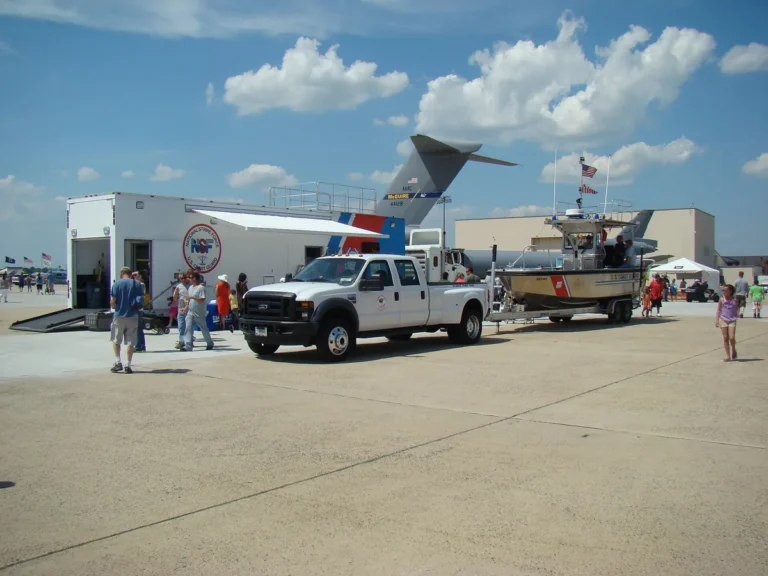
Fairgrounds are their own geography, and this one is laid out for wandering. Most visitors start on the midway, drift toward the barns and exhibit halls, and end up at the grandstand in the evening. Wear shoes you don’t mind getting dusty.
Fair food, from corn dogs to pie contests
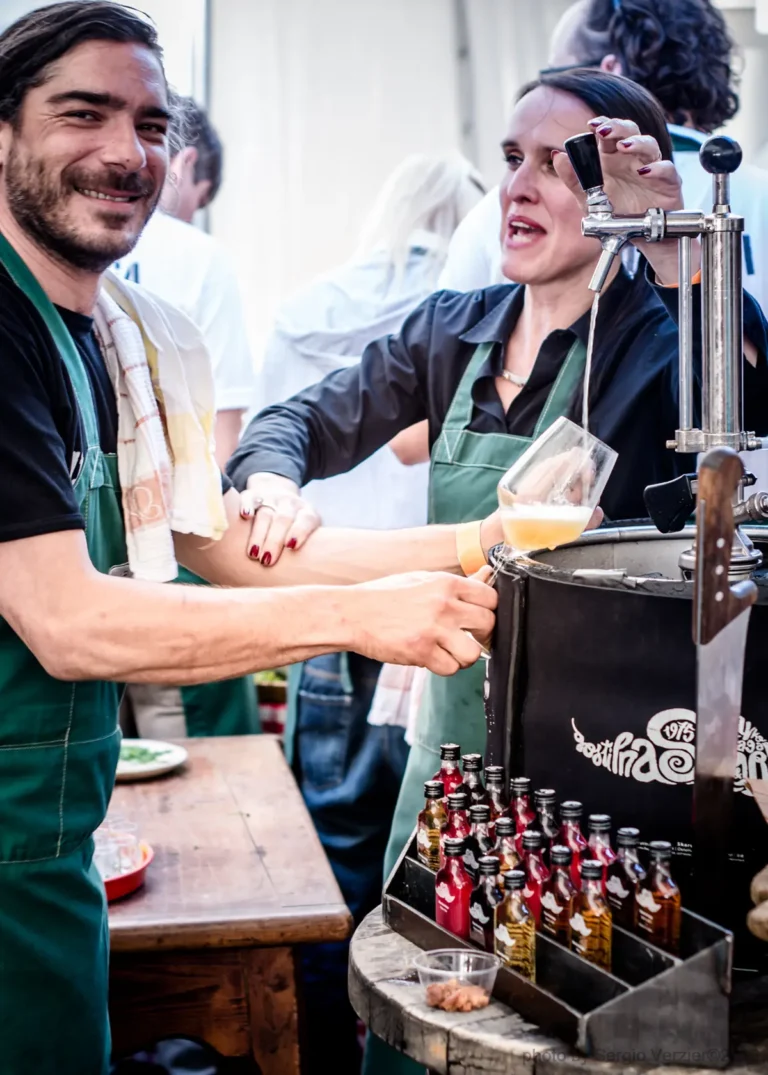
Fair food splits neatly into two categories. On the midway you’ll find the classics — corn dogs, elephant ears, funnel cakes, lemonade shake-ups, grilled sausages and ice cream — sold from stands that have worked the fair circuit for generations. Portions are large and prices are fairground prices.
Inside the exhibit halls, food takes a more competitive turn. Baked goods, honey, jams and pies are judged, and the display cases fill with entries visitors can admire even if they can’t taste them. It’s worth a slow lap; the food competitions are the clearest reminder that this is an agricultural fair, not just a carnival.
Music, grandstand shows and evening entertainment
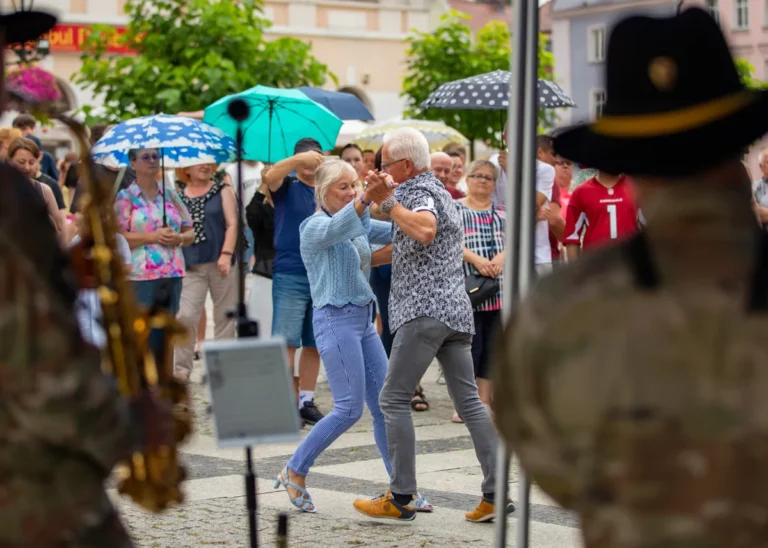
Evenings are when the fair shifts gears. The grandstand typically hosts the headline draws — demolition derbies, truck and tractor pulls and other motorized events are county-fair staples, along with live music. Smaller stages and roaming performers fill the daytime gaps.
Lineups change from year to year, so the schedule is the first thing to check if a particular act is the reason for your visit. Grandstand seating can fill quickly on weekend nights, and some shows carry a separate ticket.
Family activities, youth exhibits and things for kids
For families, the fair’s best value is the sheer number of things to look at. Small children can spend an hour in the livestock barns, where exhibitors are usually happy to answer questions about a calf or a goat. The poultry and rabbit buildings are reliably a hit.
The midway supplies the rides, from gentle kiddie rides to the spinning attractions teenagers gravitate toward, along with games and face painting. Add the exhibit halls, where a child might find their own school art or a neighbor’s prize-winning jam, and a fair day fills easily from mid-morning to closing.
Planning a Lake County Fair Day Without the Guesswork
Getting there from Waukegan, the lakefront and the western towns
Lake County covers 1,368 square miles, so the drive to the fairgrounds varies enormously depending on where you start. From Waukegan and the lakefront communities, expect a straightforward trip inland; from the county’s far western and northern edges, allow extra time on summer weekends when the main arteries slow down.
Ride-sharing and drop-offs work well if you’d rather skip the parking lot at peak hours. Coming from Chicago or another county? Plan the fair as an afternoon-to-evening outing rather than a quick errand.
Where to stay in and around Lake County
Because this is a local fair, most visitors sleep at home. Out-of-town guests will find hotel chains clustered along the interstate corridors and near the county seat in Waukegan. Book early in summer, when the whole region is busy.
Campers and RV travelers should check with the fair and with the county’s forest preserves and private campgrounds for seasonal availability, since summer sites in this part of Illinois fill quickly.
Parking, traffic and arriving at the right gate
Fairground parking is typically the simplest option: pay or park as directed, and note the row or lot where you left the car — a detail that feels trivial at 2 p.m. and essential at 10 p.m. Arrive before the evening rush if you want a short walk to the gate.
Expect heavier traffic on weekend evenings and during grandstand events. Carpooling with neighbors is the local habit and the easiest fix.
Admission, ride passes and what a fair day actually costs
Gate policies and prices are set for each year’s fair, so confirm current rates through the fair’s official listings before you go. In general, budget for gate admission where it applies, ride wristbands or individual tickets, midway food, and any separately ticketed grandstand event.
Families often save by buying one ride pass for the children and treating the barns and exhibit halls as the day’s free entertainment — which, in fairness, they are.
Weather: dressing for a Lake County summer
Late-July weather in northeastern Illinois is warm, humid and occasionally stormy. Dress for heat, carry water, and keep a light rain jacket or poncho in the bag — summer storms move through fast, and the fair generally carries on once they pass.
Evenings cool off noticeably, especially near the lake. A light layer is worth carrying if you plan to stay for the grandstand, and closed-toe shoes beat sandals around the barns.
A Sample Weekend at the Lake County Fair
Here’s one way to shape a visit, whether you have a single day or the whole weekend.
Friday afternoon. Arrive early, before the crowds. Start in the exhibit halls while they’re quiet, then walk the livestock barns. Eat an early midway dinner, catch a smaller stage performance, and stay for the evening grandstand event.
Saturday morning. Return for the competitions. Livestock judging and youth showmanship often run in the morning, and they’re the most authentic part of the fair — small crowds, serious judges, families in show clothes.
Saturday evening. This is the fair at full volume: the busiest midway, the longest food lines, a packed grandstand. Claim a seat early or accept standing room.
Sunday. The final day tends to be slower and gentler — good for families with small children, last looks at the exhibit halls, and one more round of fair food before the grounds close for another year.
How the Lake County Fair Compares With Nearby Fairs and Towns
Lake County sits in a crowded summer-fair corridor. To the west, McHenry County’s fair offers a more rural version of the same formula; north across the Wisconsin line, Kenosha County runs a fair with its own traditions; and far to the south, the Illinois State Fair in Springfield operates at an entirely different scale.
Within the county, towns such as Waukegan, Libertyville and Grayslake host their own smaller summer events — a few blocks, a band, a food tent — which make an easy, walkable alternative to a full fair day.
What sets the Lake County Fair apart is scope. It is the one event that pulls the whole 1,368-square-mile county onto a single site at once: farm families, lakefront suburbanites and everyone in between.
What to Pack and Prep Before a Lake County Fair Day
Sunscreen, a hat and a refillable water bottle.
Cash as well as a card, since some midway vendors still prefer cash.
Closed-toe shoes for the barn areas.
A light rain layer and a light evening layer.
A meeting point agreed in advance, in case the group splits or a phone dies.
Ride passes or tickets bought before the busiest hours.
A charged phone and a photo of your parking row marker.
A cooler bag left in the car for exhibit-hall purchases and leftovers.
Beyond the Midway: The Rest of Lake County
A fair visit is a good excuse to see more of the county. Waukegan, the county seat, sits on Lake Michigan and offers a lakefront, a harbor and a downtown worth an afternoon. The county’s forest preserves and shoreline parks provide trails, picnic tables and shade for the hottest part of the day.
Lake County’s towns each keep their own summer calendars — farmers markets, outdoor concerts, small street festivals — so a fair weekend can easily become a broader county weekend, especially in the long evenings of late July.
Why the Lake County Fair Still Matters to a 1,368-Square-Mile County
Lake County is neither small nor uniform. It runs from a port city on Lake Michigan to farm fields on its western edge, and the people who live in those places rarely share a single event. The fair is one of the few things that does the sharing.
It also keeps a working knowledge of agriculture alive in a county where most residents no longer farm. A child who has never stood beside a cow learns something at a fair that no screen teaches. That is the quiet civic function of a county fair in a suburban county: it holds a place for the land.
Where the Lake County Fair Sits in Northeastern Illinois
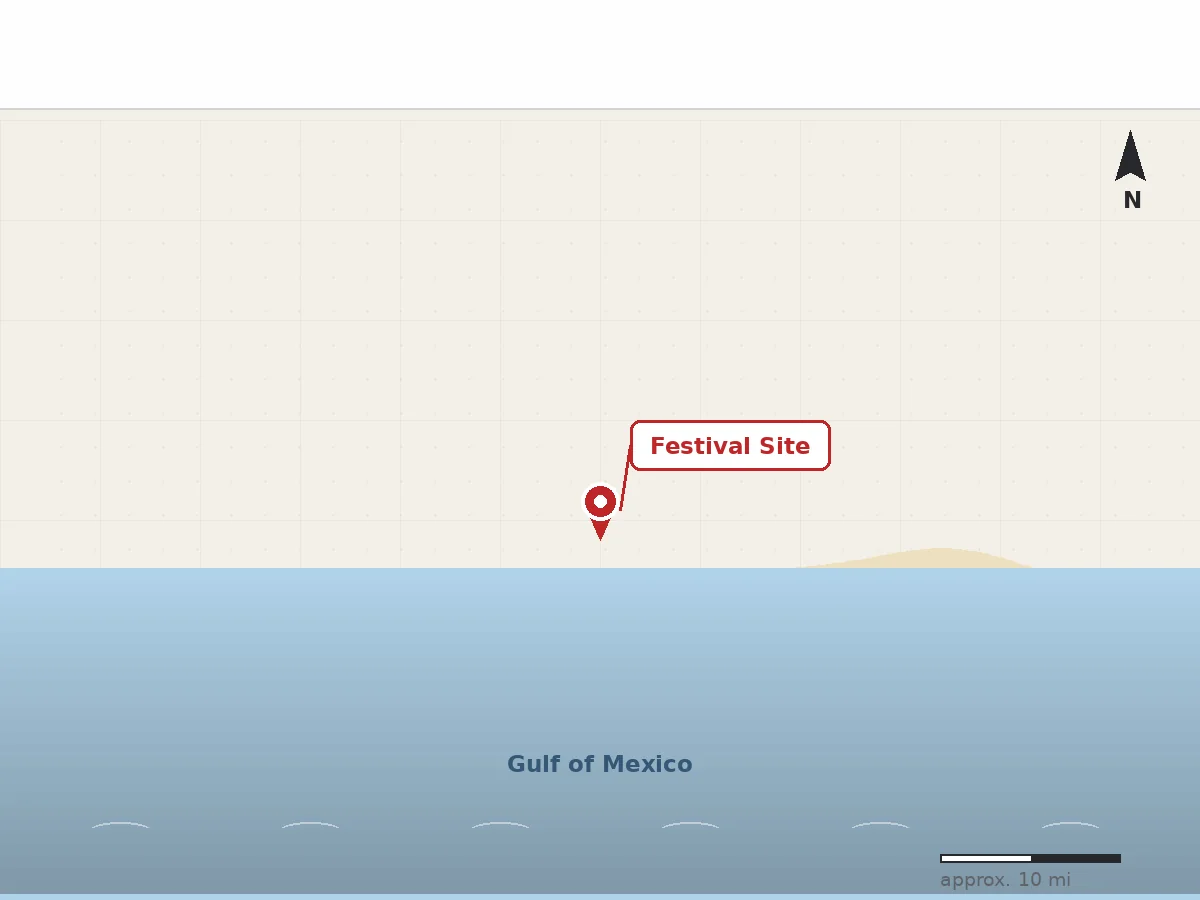
The Lake County Fair takes place in the Lake County area of northeastern Illinois, within easy reach of Waukegan, the county seat, and the surrounding communities.
Lake County Fair FAQs for Families and First-Timers
When is the Lake County Fair usually held?
In most years the fair runs in high summer, most often during late July and occasionally reaching into early August. Exact dates change annually, so check the current year’s schedule before you plan a trip.
How much does it cost to attend?
Gate admission and ride pricing are set for each year’s fair, so the safest approach is to confirm current rates through the fair’s official listings. Plan on some combination of gate entry, ride tickets or wristbands, food, and any separately ticketed grandstand event.
Is the fair a good outing for young children?
Yes. The livestock barns, poultry and rabbit buildings, and exhibit halls are all free to walk through and hold children’s attention well. The midway has kiddie rides, and daytime hours are considerably calmer than weekend evenings.
Can I bring my own food or a cooler?
Policies on outside food and coolers vary, so check the fair’s current rules before you pack. Many visitors leave a cooler in the car for the drive home rather than carrying it through the gate.
Looking Ahead to Future Lake County Fair Seasons
The fair’s future looks a lot like its past, with adjustments. Agricultural exhibits remain the anchor, but fairs in suburban counties increasingly lean on entertainment, food and family programming to draw crowds with no direct connection to farming. Expect that balance to keep shifting.
What probably won’t change is the calendar role the fair plays — a fixed point in late summer when the county gathers. As long as Lake County has farms, suburbs and a lakefront, it will have a reason to hold a fair.
Last updated: October 2026
If you go, go slowly. Walk the barns before the midway, talk to an exhibitor, eat something fried, and stay for the grandstand. The Lake County Fair isn’t a spectacle you consume in an hour; it’s a county introducing itself to itself, and it only gets better the longer you stay.