Gallatin County Illinois Gallatin County Fair Festival
Coming back to the Gallatin County Fair after a few seasons away feels like slipping into a conversation that never stopped. The barns smell the same. The midway lights come on at the same hour. And somewhere between the exhibit hall and the food trailers, you will run into three people you have not seen since the last time you stood here.
That is what a fair means in a county of 328 square miles. Gallatin County was founded in 1812, and Shawneetown has served as its county seat through all of it. Fair week is one of the few summer occasions when the whole county — farm families, town households, former residents home for a visit — ends up in the same place at the same time.
Gallatin County Fair: The Essential Details in One Table
| Town / area | Gallatin County area, centered on Shawneetown |
| County | Gallatin County, Illinois (founded 1812; 328 square miles) |
| County seat | Shawneetown |
| Population served | Residents of the county’s small towns, farms and river communities |
| Region | Southeastern Illinois, Ohio River country |
| Typical timing | Annually in summer, usually across a weekend |
| Admission | General admission is typically free; some activities are priced separately |
| Setting | A traditional county fairground with exhibit halls, livestock barns and open-air gathering space |
| Features | Livestock shows, exhibits, fair food, live entertainment, kids’ activities |
| Organizer | Local volunteers and community organizations |
What the Gallatin County Fair Is, and Where It Fits the County
The Gallatin County Fair is a traditional county fair in the truest sense: a multi-day summer gathering built around livestock, exhibits, food and neighborly competition. It is not a theme park with a barn attached. It is the kind of fair where a ribbon for a jar of preserves or a prize heifer still means something, and where the same families have been entering the same categories for generations.
Because the fair serves a rural county rather than a single city, its audience is spread across small towns, farms and river communities. That shapes the rhythm of the day. Crowds build in the evening once work and chores are finished, thin out during the hottest afternoon hours, and swell again when the grandstand or the main entertainment pulls people in.
For a returning visitor, the fair’s scale is its best feature. You can walk the grounds in an afternoon, see everything twice, and still have time to sit down with the people you came with. Nothing here requires a strategy.
For another look at how a community turns its own traditions into a gathering, see the Fulton County Illinois Spoon River Valley Scenic Drive Fall Festival for a useful comparison.
Two Centuries of County Life Behind the Fairground Gates
Gallatin County’s story begins in 1812, when the county was established with Shawneetown as its seat. The Ohio River made Shawneetown a place of consequence in those early decades — a landing point for goods, travelers and settlers moving into southern Illinois. A county with that kind of early prominence tends to develop strong public traditions, and the annual fair is among the most durable of them.
County fairs across Illinois took their familiar shape in the late 1800s and early 1900s, when agricultural societies organized exhibitions to spread better farming practices and give rural families a reason to gather. Gallatin County’s fair grew from that same impulse: show the year’s work, compare notes, and turn the season into a social occasion.
What has changed since is mostly mechanical. Livestock judging is still livestock judging, but the record-keeping is digital and the equipment in the barns is a generation newer. What has not changed is the calendar logic — the fair lands in summer, between the planting rush and the fall harvest, when farm families can actually spare a few days.
The fair’s role has shifted in recognizable stages. In its early years it served as an agricultural exhibition and social gathering for a river county still finding its footing. Through the mid-twentieth century, the midway, grandstand entertainment and youth agricultural programs moved to the center of the schedule. In recent decades it has settled into its current position as the county’s largest recurring community event, even as population spreads out and schools consolidate.
Inside the Fairgrounds: What to Expect During Fair Week
Expect a compact, walkable fairground. The exhibit hall, the barns, the food row, the rides and the seating for evening entertainment all sit within a few minutes of one another. That is the advantage of a fair this size: no shuttle buses, no long treks, no decisions that require a map.
Fair Food That Tastes Like Southern Illinois
Food is where a returning visitor notices the small changes. The staples hold steady — funnel cakes, corn dogs, hand-cut fries, lemon shake-ups, barbecue — alongside church and civic-group stands selling pies and homemade desserts. The stands worth seeking out are usually the local ones, where the money is going to a nearby cause and the food was made in a nearby kitchen. Come hungry, carry cash for the smaller trailers, and do not skip whatever is being fried on the spot.
Music, Entertainment and the Evening Draw
Entertainment is built around the evening. Expect live music from local and regional acts — country, rock and gospel all have their night — plus the programming that has always worked at county fairs: tractor pulls, livestock auctions, contests and a grandstand event that pulls the biggest crowd of the week. Schedules shift from year to year, so check what is on before you plan your evening.
Family Activities for Every Age in the Group
This is a fair that works across a wide age range. Young kids get the rides, games and close-up looks at animals around the barns. Older children gravitate to the midway and the youth exhibitor competitions. Grandparents claim seats early for the evening show and hold down the family’s spot. The barns are the sleeper hit for small children — most exhibitors are happy to let a curious kid get a good look.
Planning a Gallatin County Fair Weekend
Lodging and parking work differently in a rural county than they do in a city, so a little forethought pays off.
Getting There from Shawneetown and Beyond
The fairgrounds sit in the Gallatin County area around Shawneetown, in southeastern Illinois. Almost everyone arrives by car, driving in from the county’s smaller communities or from neighboring counties. The last stretch is two-lane farm country — scenic, but slower than the map suggests, so build in extra time.
Where to Stay Around Gallatin County
Overnight options close to the grounds are limited, as they are across much of rural southern Illinois. Many returning visitors stay with family, or base themselves in a larger nearby town and drive in for the evening. Reserve early for fair weekend — it is one of the busiest dates on the county calendar.
Parking at the Fairgrounds
Parking is generally on or beside the fairgrounds, often in grassy lots with volunteers directing traffic. Arrive before the evening entertainment begins for the shortest walk. Carpooling with family or neighbors is the local solution, and the easiest one.
Admission and What Things Cost
General admission is typically free, which is a large part of why so many people come back several nights in a row. Rides, games, food and some grandstand events carry their own costs, so set a rough budget for the kids and bring cash in small bills.
Weather in Southern Illinois Fair Season
Summer here means heat, humidity and the chance of an afternoon storm. Dress light, drink water, wear shoes you do not mind getting dusty, and keep a light rain jacket in the car. Evenings are the most comfortable hours, which is exactly when the fair is at its best.
A Sample Weekend Itinerary for the Gallatin County Fair
Saturday morning: arrive mid-morning, ahead of the heat, and start in the exhibit hall. This is when the baking, canning, photography and craft entries are easiest to see, and when exhibitors are still nearby to talk about their work. Walk the barns next, while animals are being groomed and the stalls are calm.
Saturday afternoon: eat your way down food row, then take the kids to the midway while the crowd is thinner. Use the hottest hours for shaded seating and indoor exhibits rather than the open midway.
Saturday evening: this is the fair at full volume — live entertainment, the biggest grandstand draw, the longest food lines. Claim seats early, then wander. If you are a returning visitor, this is your window for finding people you have not seen in years.
Sunday morning: come back for the quieter side of the fair — livestock shows, youth exhibits and a last look at the entries before they are taken down. Sunday afternoon: one final pass through the food stands, a stop at the exhibit hall to check results, and an early departure ahead of the closing crowd.
How the Gallatin County Fair Compares with Neighboring County Fairs
Gallatin County’s fair sits in a region full of similar traditions. County fairs in neighboring White, Saline and Wabash counties run on the same rhythms — livestock, exhibits, a midway, an evening show — and plenty of families around here attend more than one each summer.
What separates the Gallatin County Fair is scale and intimacy. A larger fair a county or two over will have more rides and bigger names on the grandstand, but you will spend more time parking and less time talking to people. Smaller town celebrations inside the county are friendlier still, but they last an afternoon rather than a weekend. This fair lands in between: big enough to feel like an event, small enough that you will know half the crowd.
The Returning Visitor’s Checklist for Fair Week
Bring cash in small bills for food stands and games. Wear closed-toe shoes you can hose off. Pack water and sunscreen, and reapply in the evening. Charge your phone before you leave, because you will use it to find people in the crowd. Check the entertainment schedule before committing to an evening. Bring a light jacket for after sunset and a bag for anything you buy at the exhibit hall. If you are meeting family, pick a fixed spot — the barn entrance or the main gate — and stick to it. And if elderly relatives are coming, drop them at the gate first and let someone else park.
Beyond the Fairgrounds: Shawneetown and the Rest of Gallatin County
Fair weekend is a good excuse to see more of the county. Shawneetown, the county seat since 1812, rewards a slow drive for its river-town history and old commercial buildings; the town’s position on the Ohio River shaped how this entire county grew.
The surrounding countryside is farm country at its most photogenic in summer — corn and soybeans, small cemeteries on low ridges, roads that follow the river bottoms. The Shawnee National Forest and the rugged hill country of southern Illinois lie within reach for anyone adding a day to the trip, and the Ohio River itself offers quiet spots to watch the barges go by. Give yourself an extra half day if you can.
Why the Fair Still Matters to Gallatin County
In a county of 328 square miles with no large city at its center, shared events do work that institutions once did. The fair is where scholarships get awarded, where kids learn to speak in public about a project they raised, and where neighbors who disagree about most things stand in the same line for the same lemonade.
It also carries the county’s agricultural identity forward at a time when fewer residents farm for a living. The exhibit hall and the barns keep that knowledge visible. For families who have moved away, fair week is the reliable reason to come home. That is a lot of responsibility for a few days in summer, and the fair carries it well.
Where the Gallatin County Fair Sits in Southern Illinois
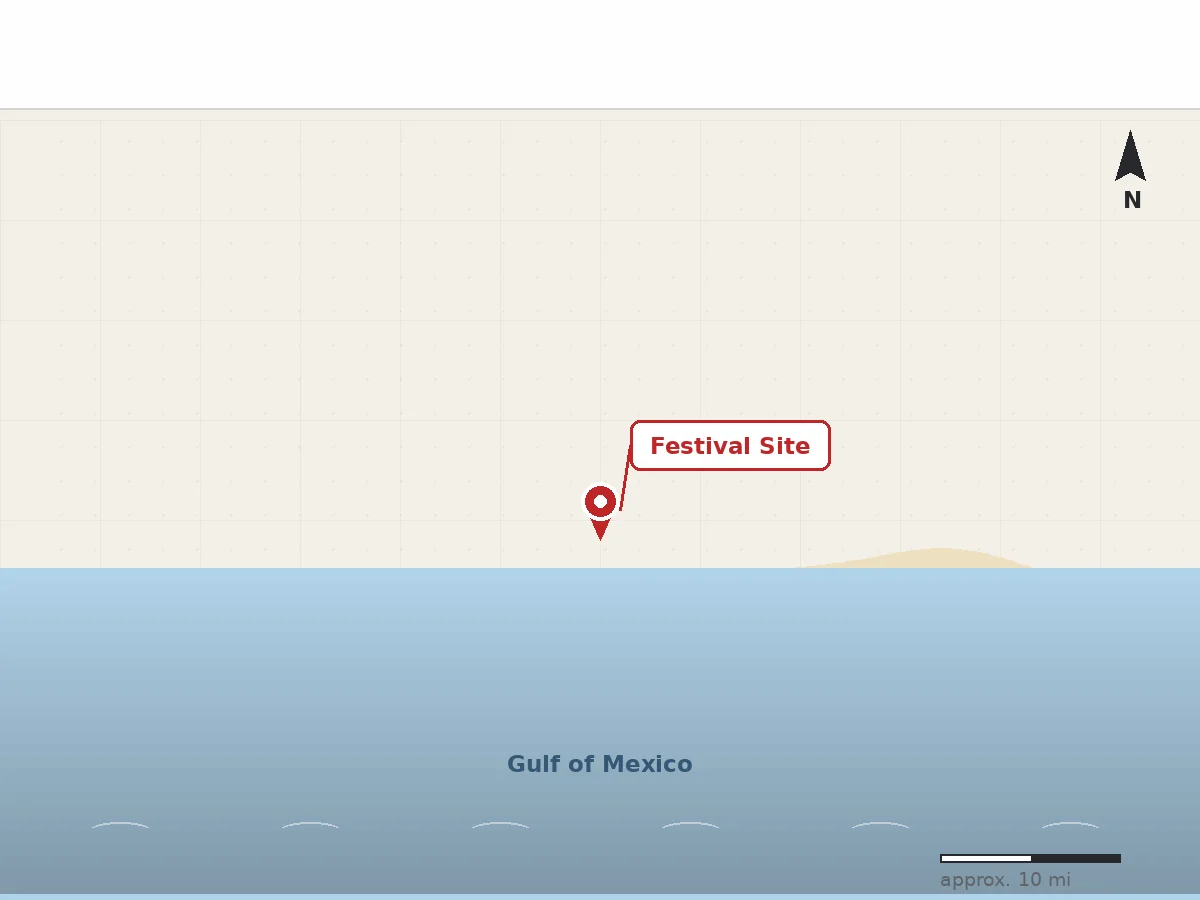
The fair takes place in the Gallatin County area around Shawneetown, the county seat of a 328-square-mile county in southeastern Illinois.
Gallatin County Fair Questions, Answered for First-Timers and Regulars
When is the Gallatin County Fair held?
It is an annual summer fair, usually running across a weekend during the warm-weather months. Because the timing shifts from year to year, check the current schedule before you make travel plans rather than assuming last year’s weekend still holds.
Is there an admission fee?
General admission is typically free, and that is a big part of the fair’s character — people come several nights in a row rather than treating it as one big outing. Rides, games, food and some grandstand events are priced separately, so bring cash for those.
Is it worth bringing children?
Yes. Rides, games, animals and youth competitions keep kids busy, and the grounds are compact enough that you are never far from the car or a place to sit down. Strollers handle most of the fairground reasonably well, though grass lots and gravel can be uneven.
Where do visitors park, and how early should they arrive?
Parking is generally available on or next to the fairgrounds, with volunteers guiding cars into place. Arrive before the evening entertainment begins for the easiest walk. Come later and you should expect a short wait in line, plus a few more minutes getting out at the end of the night.
Looking Ahead to Future Gallatin County Fair Seasons
County fairs survive by adapting without losing their shape. The Gallatin County Fair’s future will likely depend on the same things that keep fairs alive elsewhere in southern Illinois: volunteer energy, youth participation, and whether local families keep entering exhibits and showing livestock.
The encouraging sign is that the fair still functions as the county’s common ground. As long as that holds, the format can absorb changes — new entertainment, updated facilities, different vendors — without becoming something else entirely. For returning visitors, the safest prediction is also the most welcome one: the fair will look a little different each summer and feel almost exactly the same.
Last updated: October 2026
If you have not been back in a few years, put the Gallatin County Fair on your summer calendar and leave the rest of the weekend open. Arrive before the heat, stay for the evening, and let the county come to you the way it always has — one familiar face at a time.

One Comment