Fulton County Illinois Fulton County Fair Festival
The Fulton County Fair is one of those county fairs that still belongs to the people who live around it. It arrives in summer, takes over the fairgrounds near Lewistown, and for a few days the rhythm of this west-central Illinois county tilts toward the barns, the grandstand, and the smell of fryer oil drifting off the midway. If you have never been, this orientation is written for you: what the fair is, where it came from, how a day there actually unfolds, and how to plan a visit without guessing at anything.
Start with the county, because it explains the fair. Fulton County was founded in 1823, covers 883 square miles, and keeps its county seat in Lewistown. That size matters. It is big enough that exhibitors, vendors, and spectators arrive from a wide spread of towns and townships, and small enough that the fairgrounds still function as a reunion as much as an event.
Fulton County Fair: The Basics Before You Arrive
| Town / place | Fulton County area, around Lewistown, Illinois |
| County | Fulton County, Illinois |
| County seat | Lewistown |
| County land area | 883 square miles |
| County founded | 1823 |
| Region | West-central Illinois, Illinois River valley |
| Typical timing | Summer, in most years during July |
| Admission | Grounds admission is generally free; individual vendors, rides, and attractions may charge separately |
| Setting | Rural fairgrounds in a working agricultural county, minutes from the county seat |
| Organizer | Local fair board and community volunteers |
The Character of the Fulton County Fair
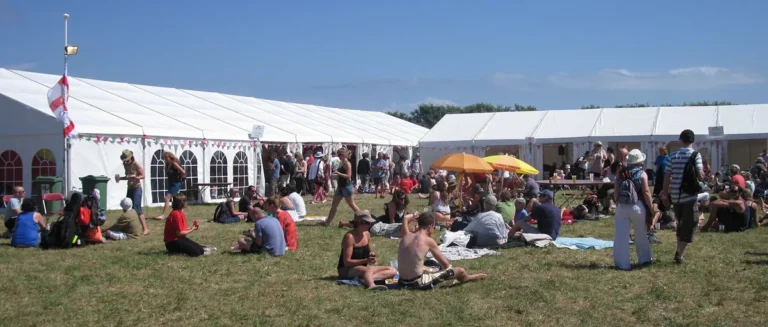
This is a traditional county fair in the fullest sense. The core of it is agricultural: livestock in the barns, youth projects on display, produce and baked goods judged on long tables, and ribbons that mean something to the families who spent months earning them. Around that core sits the familiar fairground frame — a midway, concession trailers, a grandstand that anchors the evening, and open space where neighbors who haven’t seen each other since last summer finally catch up.
Because the county is largely rural, the fair leans local. Vendors tend to come from nearby towns, entertainment is often regional rather than national, and the crowd is a mix of farm families, small-town residents, and visitors from Peoria, Galesburg, and Macomb who drive out for an evening. Nobody is trying to impress anyone. That is exactly the appeal.
First-timers should also calibrate their expectations about scale. This is not a state fair. You can walk the whole grounds in an afternoon, see everything twice, and still have time for a second lemonade shake-up before the grandstand program starts. Plan for a comfortable half day or a full evening rather than an all-day marathon.
For another look at how a community turns its own traditions into a gathering, see the Franklin County Illinois Old King Coal Festival for a useful comparison.

From an 1823 County Seat to a Summer Fair Tradition
Fulton County was organized in 1823, when this stretch of Illinois was still being carved into counties and settled by families moving in from the east and south. Lewistown became the county seat, and around it grew the small towns, farms, and river landings that gave the county its shape.
County fairs across Illinois took root through the nineteenth century as agricultural societies looked for ways to share better methods, compare livestock, and reward good work. Fulton County’s fair belongs to that same broad tradition. In its early decades it would have been a plainly practical affair — draft animals, grain, orchards, and household goods — with the social side growing a little larger every year.
Through the twentieth century the fair changed with the county. Youth agricultural programs became a central part of the schedule, machinery displays replaced horse-powered demonstrations, and the midway and grandstand grew into the entertainment anchors they are today. What never changed was the structure: a volunteer-run, locally organized gathering tied to the agricultural calendar. That continuity is why the fair still feels less like a production and more like a habit the whole county shares.
What a Day at the Fulton County Fair Feels Like
Fair Food and the County’s Agricultural Roots
Food is where the county’s farming identity meets the midway. Expect the classics done properly: pork producers’ sandwiches, corn dogs, funnel cakes, fresh-cut fries, snow cones, and the lemonade shake-ups that seem to be mandatory at every Illinois county fair. Church and civic groups often run their own stands, which is usually where the best pie and the most generous portions are hiding. Bring cash for smaller stands even if larger vendors take cards, and eat before the evening rush, when the lines double in length.
Grandstand Music and Evening Entertainment
The grandstand is the fair’s evening heartbeat. Programming in this part of Illinois typically leans on regional and local bands, motorsports-style events, and main-stage shows that pull people off the midway and into the seats. Seating is generally first come, first served, and the best view comes from arriving a little early with a blanket or a stadium cushion. Evenings are also when the grounds look their best — string lights, cooler air, and a crowd that has finished its workday.
Family Activities and the Kid-Friendly Side of the Grounds
Families do well here. The livestock barns are the sleeper hit with young children, who usually want to pet everything; exhibitors are generally happy to talk about their animals. Add carnival rides, games, youth project displays, and the small competitions that fill daytime hours, and there is enough to keep a child occupied for hours. Strollers work, but the ground is a mix of gravel, grass, and packed dirt, so wheels with some tread beat delicate ones.
Planning Your Trip to Lewistown and the Fairgrounds
Getting to Lewistown
Lewistown sits in the middle of Fulton County, reached by two-lane federal and state highways that thread through farm country. Most visitors drive. The nearest larger cities — Peoria to the east, Galesburg to the northwest, Macomb to the west — are all roughly an hour away or less, which makes the fair an easy evening outing. If you are coming from a distance, expect the last stretch to be slow: this is tractor country, and a combine or a grain truck on a county road is part of the experience, not a delay to fight.
Where to Stay in and Around Fulton County
Lodging directly in the county seat is limited, so most out-of-town visitors base themselves in Canton, Havana, Macomb, or Peoria and drive in. Chain hotels are concentrated in those larger towns, while independent motels and campgrounds fill in the gaps closer to the fairgrounds. If the fair falls on a busy summer weekend, book early — regional demand for rooms spikes once the season starts.
Parking and Gate Logistics
Parking is typically handled in grass lots and fields around the grounds, directed by volunteers who know exactly how many vehicles fit in a row. Arrive early for evening grandstand events; the lots fill fastest in the hour before showtime. Follow the attendants rather than improvising your own spot, and note where you parked, because a field of similar-looking vehicles gets confusing after dark.
Admission, Costs, and What to Keep in Your Wallet
Grounds admission at fairs like this is generally free, with money changing hands at the ride ticket booth, the food stands, and the grandstand. That structure makes the fair easy to visit on a budget: you can walk the barns, watch the judging, and enjoy the atmosphere without spending anything. Set a cash limit for kids before you go through the gate, and keep small bills handy for raffles and community stands.
Weather in a West-Central Illinois Summer
July in Fulton County means heat, humidity, and the real possibility of an afternoon thunderstorm rolling across the flat farmland. Dress light, bring water, and treat sunscreen and a hat as non-negotiable. Evenings cool off enough that a light layer is welcome. If storms threaten, fair organizers typically adjust the schedule; check local sources before driving out.
A Sample Weekend at the Fulton County Fair
Friday evening: Arrive in the late afternoon, park, and walk the barns first while they are still quiet. Grab dinner from a concession stand, then settle at the grandstand for the evening program. Leave via the back lot to skip the worst of the exit traffic.
Saturday: Come early for the livestock and project judging, which is the fair at its most authentic. Spend the hot middle of the day in the shade or back at your hotel, then return for rides, games, and a second pass at the food stands. Saturday is the busiest day, so plan on patience in the parking field.
Sunday: A slower morning is ideal for the exhibit halls and baked goods displays, plus any final competitions. Finish with a walk through the grounds, a last look at the animals, and an early departure before the closing crowd builds. If you have time, drive a few county roads on the way out — the landscape is the reason the fair exists.
How the Fulton County Fair Compares With Nearby Events
Set against other draws in the region, the Fulton County Fair is the most local and least crowded option. The Spoon River Valley Scenic Drive, an autumn tradition in the same county, trades summer heat for fall color and a self-guided tour through small towns rather than a single fairground. The Knox County Fair, to the north around Galesburg, runs on a similar agricultural model with its own grandstand lineup. The Mason County Fair near Havana, down along the Illinois River, offers a comparable small-county feel with river-town character. If you want the biggest production in the area, you head to the Illinois State Fair in Springfield; if you want the one where you will recognize half the crowd, you come here.
A First-Timer’s Checklist for Fulton County
Before you leave: confirm the current year’s dates through local sources, since timing shifts slightly year to year. Pack sunscreen, hats, refillable water bottles, and a light rain jacket. Wear closed-toe shoes you do not mind getting dusty. Bring cash in small bills plus a card as backup. Charge your phone and consider a battery pack. Set a spending limit with your kids at the gate. Arrive early for grandstand seating, and note your parking row. Finally, leave room in the car for anything you buy from a vendor or a bake sale — you almost certainly will.
Beyond the Fairgrounds in Fulton County
The fair is a good excuse to see the rest of the county. Lewistown, the county seat, is a small courthouse town worth a slow drive through. The Spoon River country that surrounds it is quiet, green, and full of the small cemeteries, bridges, and farmsteads that give this part of Illinois its texture. Along the Illinois River to the west, the Emiquon area is a major wetland restoration and one of the best birding spots in the region, while Dickson Mounds near Lewistown interprets the deep human history of the river valley. Add a stop in Canton or Havana for a meal, and a fair trip becomes a proper county tour.
Fulton County’s Summer Reunion: The Fair as a Civic Anchor
In a county of 883 square miles with no large city at its center, shared institutions carry extra weight, and the fair is one of the strongest. It is where 4-H members learn to present their work to strangers, where farm families compare notes on a hard season, where local businesses sponsor events and see their neighbors in the stands. The fair also quietly supports the county’s economy, drawing spending into Lewistown and the surrounding towns during a few concentrated days each summer. More than that, it is a calendar marker: the point in the year when the county gathers on purpose rather than by accident.
Where the Fulton County Fairgrounds Sit in West-Central Illinois
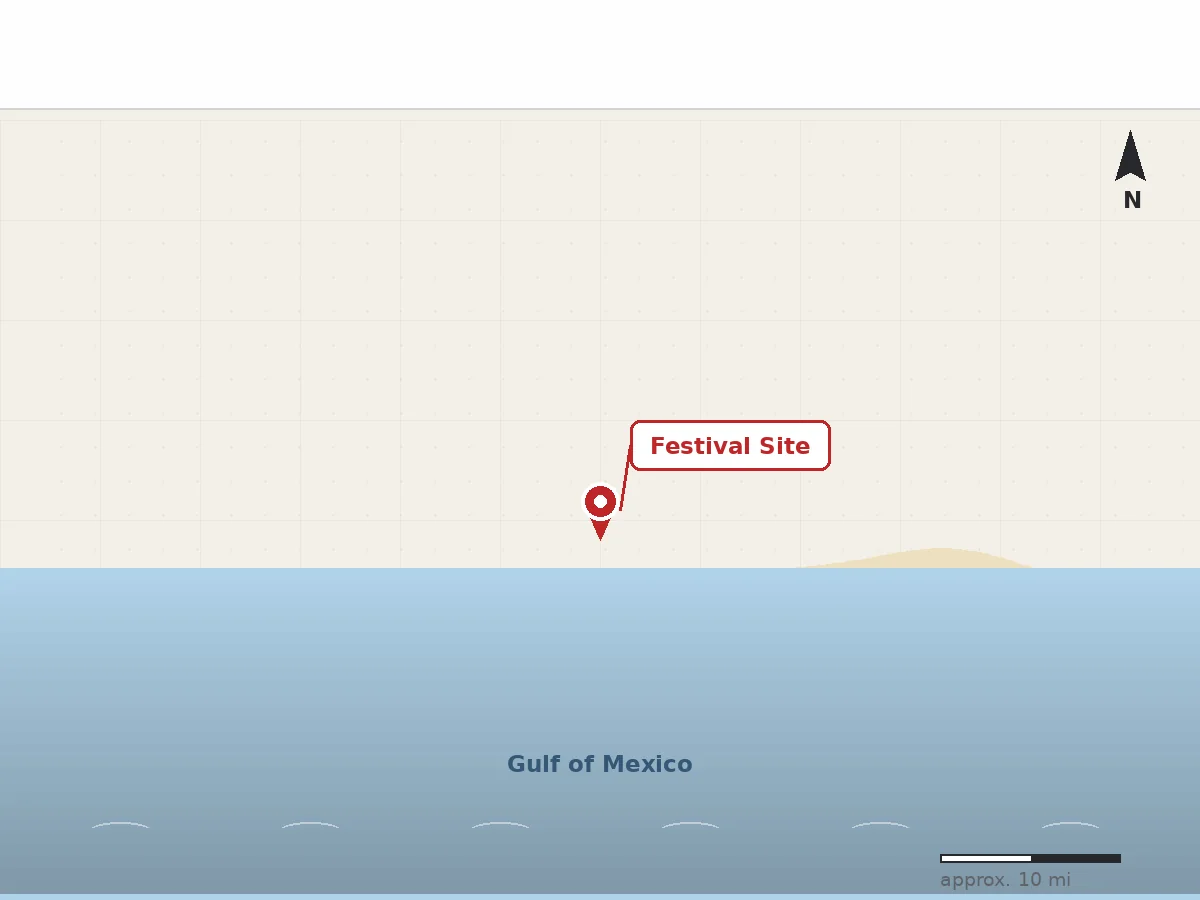
The fairgrounds are located in Fulton County, Illinois, near the county seat of Lewistown in the west-central part of the state.
Straight Answers for First-Time Fulton County Fairgoers
Do I need to buy a ticket to get in?
Grounds admission at the Fulton County Fair is generally free, which means you can walk in and enjoy the barns, exhibits, and atmosphere without paying at the gate. Individual elements — carnival rides, grandstand shows, food, and games — are priced separately by their operators, so budget for those rather than for entry.
When exactly is the fair held each year?
The fair is a summer event, held in most years during July. Exact dates shift from one year to the next, so check current local listings and county sources before you plan a trip. Because it is a multi-day run, you have some flexibility in choosing which day to visit.
Is it a good outing for young children and older visitors?
Yes, with a little planning. Mornings and early evenings are coolest and least crowded, which suits both small children and anyone who prefers to avoid long walks in the heat. The grounds are flat but unpaved in places, so sturdy shoes and a stroller with decent wheels make the day easier for everyone.
What should I see if I only have a couple of hours?
Head straight for the livestock barns and exhibit halls, which are the heart of a county fair and the part that is hardest to find anywhere else. Then take one loop through the midway, grab something to eat, and finish at the grandstand if a program is running. Two hours is enough to see the essence of the fair.
The Fair’s Next Chapter in Fulton County
County fairs everywhere are working out how to stay relevant to a generation that has more entertainment options than any before it, and Fulton County’s is no exception. The strengths it already has — genuine agricultural programming, youth involvement, low-cost family access, and deep local loyalty — are exactly the things that keep small fairs alive. Expect continued emphasis on youth exhibits and community partnerships, and expect the fair to remain a volunteer-driven, county-wide gathering rather than a commercial production. For visitors, that means the experience you have this summer will look a lot like the one you have next summer, which is precisely the point.
Last updated: October 2026
If you are new to Fulton County, come with modest expectations and a willingness to talk to strangers, and you will leave with a fuller picture of this corner of Illinois than any highway drive could give you. The fair is not trying to be spectacular. It is trying to be the one week a year when the whole county shows up in the same place — and that is worth a trip.
One Comment