DeKalb County Illinois Sycamore Pumpkin Festival
Autumn in DeKalb County means gold fields, cool mornings, and one weekend when the county seat of Sycamore fills with pumpkins. The Sycamore Pumpkin Festival is the area’s signature fall gathering, drawing families from across northern Illinois to a walkable downtown. This guide covers what happens, when it happens, what it costs, and how to plan a smooth visit.
Sycamore Pumpkin Festival: The DeKalb County Visitor Snapshot
| Town / host community | Sycamore, Illinois |
| County | DeKalb County, Illinois |
| County seat | Sycamore |
| County population | 100,420 |
| Region | North-central Illinois, west of the Chicago metro area |
| Typical timing | Autumn, usually a weekend in October |
| Admission | Typically free to enter the festival area; vendors, rides, and activities charge separately |
| Setting | Downtown Sycamore and the DeKalb County Courthouse square, on walkable public streets |
| Signature features | Decorated pumpkin displays, a parade, carnival-style rides, food and craft vendors, family activities |
| Organizer | A volunteer community committee supported by local civic and business groups |
DeKalb County covers 635 square miles and was founded on March 4, 1837, with Sycamore as its seat. That long civic history shows in how the festival runs: local clubs, churches, schools, and businesses staff most of what visitors see.
What the Sycamore Pumpkin Festival Actually Is
The Sycamore Pumpkin Festival is a multi-day autumn celebration centered on downtown Sycamore, the seat of DeKalb County. Its identity comes from pumpkins — decorated entries displayed for the public, from school-age creations to elaborate adult designs — arranged through the heart of town so visitors can stroll from one display to the next.
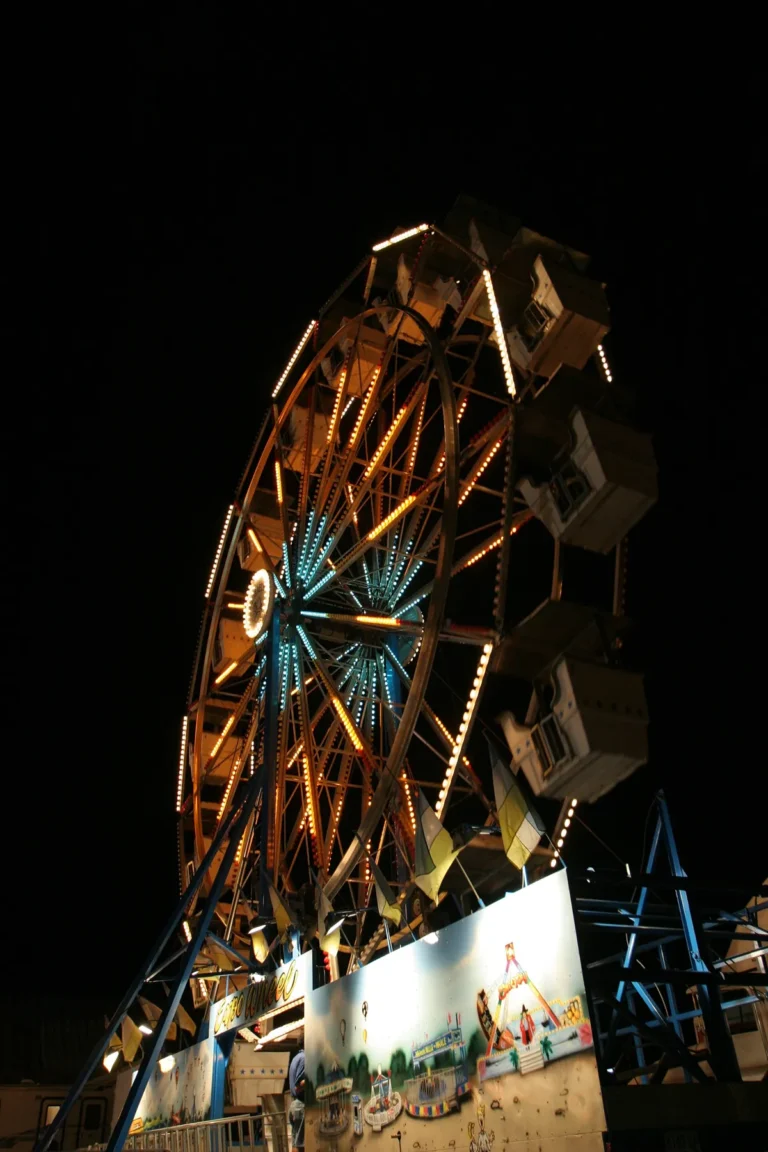
Around those displays, the festival builds a full weekend: a parade through the county seat, carnival rides, food stands run by local nonprofits, craft and vendor booths, and stages of live entertainment. Because it takes over public streets and the courthouse square rather than a fenced fairground, it feels less like a ticketed attraction and more like a town opening its doors.
DeKalb County is home to 100,420 people across 635 square miles, and the festival pulls from all of it — Sycamore and DeKalb, Genoa and Kirkland, Cortland, Kingston, and the smaller communities between — plus day-trippers from the Chicago suburbs chasing a classic small-town fall weekend.
For another look at how a community turns its own traditions into a gathering, see the DeKalb County Illinois Corn Fest Festival for a useful comparison.
How Sycamore Turned a Courthouse Square into a Pumpkin Showcase
DeKalb County was founded on March 4, 1837, and Sycamore grew into its county seat, a role it still holds. Like much of northern Illinois, the county built its economy on agriculture — corn, soybeans, livestock — and pumpkins were always part of the harvest mix on local farms and in kitchen gardens.
The festival started small. What began as a local display of decorated pumpkins in downtown Sycamore, organized by residents and community groups, gradually drew enough attention to expand into a weekend event with a parade, vendors, and entertainment.
Over the decades it became a fixture on the DeKalb County calendar. Volunteer committees took on the logistics, schools and service clubs and churches signed up for food booths, and local businesses sponsored displays and stages. The courthouse square stayed at the center of it all.
That continuity is the point. Generations of Sycamore families have grown up entering pumpkins, marching in the parade, or working a booth, and the festival’s shape has changed far less than the county around it. It remains a volunteer-driven event rather than a commercial production, which is why it still feels like a hometown weekend.
What a Pumpkin Festival Weekend in Sycamore Feels Like
Expect crowds, but manageable ones. The festival area is compact and walkable, so most visitors park once and spend the day on foot. Mornings are calmer, afternoons busier, and the parade packs the route well before it steps off.
Food Booths, Fall Treats, and Local Nonprofit Vendors
Food leans toward the classics: bratwurst and pork chops, chili and soups, kettle corn, caramel apples, cider, pumpkin-flavored everything, and hot chocolate for cool evenings. Many stands are run by local nonprofits, churches, and school groups, so the money tends to stay in DeKalb County. Lines are longest at midday and right after the parade; eat early or late to skip the wait.
Live Music and Entertainment Around the Square
Entertainment spreads across the weekend rather than concentrating in one ticketed venue. Local bands, school performance groups, dance troupes, and community musicians typically take turns on stages and street corners around downtown. Because the lineup changes year to year, check the current schedule when you arrive and build your day around whatever is playing.
Family Activities for Kids, Grandparents, and Everyone Between
Families are the core audience. Expect carnival rides and games, craft activities, pumpkin-decorating contests, face painting, and plenty of sidewalk for strollers. Grandparents gravitate to the display areas and the quieter morning hours; teenagers head for the rides. Streets get tight at peak times, so a carrier can be easier than a stroller for toddlers.
Planning a Pumpkin Weekend in Sycamore and DeKalb County
Almost everything you need to decide happens before you leave the driveway: how you get there, where you sleep, where you park, and what you carry in your pockets.
Getting to Sycamore from Chicago and Nearby Towns
Sycamore sits in north-central Illinois, west of the Chicago metro area, and is reached by car on the interstate and state routes that cross DeKalb County. From most western suburbs the drive is straightforward; from the city it is a longer haul that pairs well with an overnight stay. DeKalb is minutes away, and Genoa, Kirkland, and Cortland are short drives.
Where to Stay in and Around DeKalb County
Lodging clusters in and around DeKalb, where the larger hotel chains serve university and business traffic, along with a smaller number of independent inns and bed-and-breakfasts in surrounding towns. Festival weekends fill rooms early, so book several weeks out. Staying in DeKalb puts you ten to fifteen minutes from the action and close to restaurants after the crowds thin.
Parking Near the DeKalb County Courthouse Square
Parking is the one genuine hassle. Downtown Sycamore has limited street parking and public lots, and they fill quickly on parade day. Arrive before mid-morning for the best chance at a close spot, expect to walk several blocks, and follow the temporary signs and volunteers directing traffic. Avoid lots posted for customers only; enforcement is stricter on busy weekends.
Admission, Costs, and Cash Versus Card
Entry to the festival area is typically free, which is a big part of why it draws such a wide crowd. Costs come from what you choose to do: rides and games, food and drinks, craft vendors, raffles, and fundraisers. Bring cash even though many vendors take cards, since small nonprofit stands and raffle tables often do not. A simple per-person budget prevents surprises.
October Weather in DeKalb County and What to Wear
Northern Illinois autumns swing hard. A festival weekend can bring crisp sunshine in the sixties or a raw, windy day in the forties, and evenings cool off fast once the sun drops. Layer up, bring a jacket for later, wear shoes you can walk in for hours, and pack an umbrella. If rain moves in, displays and indoor vendor areas become the popular shelter.
A Sample Weekend Itinerary for the Sycamore Pumpkin Festival
Friday evening. Arrive Friday if you can. Check in to your hotel in DeKalb, drive into Sycamore for the evening, and walk the display areas while they are still quiet. Grab dinner from a food stand or a downtown restaurant, catch whatever entertainment is scheduled, and get your bearings so Saturday does not feel like a scouting mission.
Saturday. This is the full experience. Park early, walk the pumpkin displays before crowds build, then stake out a parade spot. The afternoon is for rides, games, and vendor browsing, with a break for coffee or cider. Stay into the evening for music and the square under lights, then head back to DeKalb for a late dinner.
Sunday. Sunday is the relaxed version. Come back for a slower pass through the displays, revisit the food stands you missed, and let the kids finish the rides. Many families use the afternoon to explore the rest of DeKalb County before driving home, turning a festival visit into a proper weekend.
How Sycamore’s Pumpkin Weekend Compares with DeKalb, Genoa, and Kirkland
DeKalb, the county’s largest city and home to Northern Illinois University, runs on a bigger, more year-round rhythm. Its downtown and campus calendar stay busy, but it lacks a single autumn event with Sycamore’s identity. Genoa, to the northwest, offers a quieter, smaller-scale feel, the kind of town gathering where you run into the same people twice.
Kirkland, Kingston, Cortland, and Malta each keep their own local traditions, but those are neighborhood-scale rather than regional draws. What sets the Sycamore Pumpkin Festival apart is the combination of a genuine downtown setting, a county-seat backdrop, and enough programming to fill a weekend — which is why it pulls visitors from well beyond DeKalb County.
A Pre-Trip Checklist for Sycamore Pumpkin Festival Visitors
Before you leave: book lodging in DeKalb or a surrounding town if you are staying overnight; check the current schedule for parade and entertainment times; charge phones and pack a portable battery; and fill the gas tank, since the main routes back up on parade day.
Bring or wear: cash in small bills, layers and a windproof jacket, comfortable walking shoes, a stroller or carrier for little ones, water bottles, sunscreen for sunny afternoons, and a tote for vendor purchases. Leave coolers and lawn chairs in the car until you know whether your spot allows them.
Beyond the Pumpkin Displays: The Rest of DeKalb County
Once you have had your fill of the festival, DeKalb County rewards a slow drive. The county stretches across 635 square miles of farmland, small towns, and river bottom, with the Kishwaukee River running through the region and prairie and forest preserves offering trails for an afternoon walk. Northern Illinois University in DeKalb anchors a lively strip of cafes and shops.
Farms around the county sell pumpkins, cider, and apples in season, and the historic downtowns of Sycamore, DeKalb, and Genoa are worth an hour of wandering on their own. If you are traveling with kids, an afternoon at a county park or a farm stand often beats a second pass through the same crowded streets.
Civic Pride and Volunteer Energy in Sycamore
The festival’s real engine is volunteer labor. Service clubs, churches, school groups, and neighbors staff the booths, organize the displays, and handle logistics, and proceeds from many stands go straight back into the community. That structure is why the event has lasted so long in a county of 100,420 residents with no large entertainment budget to lean on.
It also gives Sycamore a shared calendar moment. Alumni come back, families schedule reunions around it, and local businesses plan their autumn around the crowds. For a county seat that has anchored DeKalb County since 1837, that annual ritual is a form of continuity: the same square, the same season, new generations doing the work.
Where the Sycamore Pumpkin Festival Takes Place
The festival is held in downtown Sycamore, Illinois, around the DeKalb County Courthouse square, with activities spreading onto the surrounding streets of the county seat.
Sycamore Pumpkin Festival Basics: Answers Before You Arrive
Is there an admission fee to get in?
In most years, entry to the festival area is free. You pay only for what you choose to buy or do — food, drinks, rides, games, and vendor items. Some individual activities and fundraisers charge a small fee, usually posted at the booth. Budget for parking and food and you have covered the main expenses.
How crowded does it get, and when is it calmest?
The busiest stretch is midday Saturday and the hours around the parade. If you want breathing room, come Friday evening or early Saturday and Sunday morning; displays are easier to see and photos come out better. Crowds are heaviest on the streets closest to the square, so a block or two out usually eases the crush.
Is the festival suitable for young children and strollers?
Yes. The event is family-oriented, with rides, games, and activities aimed at kids. Streets are flat and walkable, though crowded sidewalks make strollers awkward during peak hours. Bring a carrier for toddlers if you plan to be out during the busiest part of the day, and agree on a meeting point in case anyone gets separated.
What should I bring with me?
Cash in small bills, layers, comfortable shoes, water, and a bag for purchases. A phone charger is useful if you plan to be out all day. Leave pets at home unless you know the festival’s policy for the current year, and skip the cooler if you are parking blocks away.
What the Next Few Years Hold for Sycamore’s Pumpkin Weekend
The festival’s future looks steady rather than dramatic. Its volunteer model, its downtown setting, and its place on the DeKalb County calendar give it a durability that ticketed events rarely match, and the surrounding county keeps growing. The most likely changes are practical ones: more attention to traffic and parking management, wider use of digital schedules and maps, and continued effort to keep food and vendor offerings local.
Visitors planning ahead should watch the festival’s own announcements for the current year’s schedule, since timing shifts slightly from one autumn to the next. Whatever the details, the essentials — pumpkins on the square, food from local groups, and a town that knows how to host — are unlikely to change.
Last updated: October 2026
A pumpkin festival in a county seat is a simple idea, and that is exactly why it works. Sycamore has been the center of DeKalb County life since 1837, and for one weekend each