Cook County Illinois Chicago Blues Festival
Loretta and Curtis Whitfield measure summer by folding chairs. They live a few miles west of Chicago’s city limits, in a bungalow with a porch that catches the evening breeze, and once each summer they load the trunk with a cooler, two blankets, and enough sunscreen for four generations. Danielle drives. Marcus navigates. Nine-year-old Amara claims the blanket. Six-year-old Theo wants to know whether the blues will be loud.
They will be loud, and that is the point. The Cook County Illinois Chicago Blues Festival turns downtown Chicago into a free, open-air listening room for a weekend each summer, with stages set across parkland, vendors working the crowd, and a lineup that swings from veteran players to young bands still learning the shuffle. For the Whitfields it is less a concert than a family ritual — the one weekend when Curtis, who heard blues bands in neighborhood clubs decades ago, and Theo, who mostly cares about the drums, end up on the same patch of grass.
What follows is their day, and everything a first-time visitor to Cook County needs in order to plan one just like it.
Cook County Blues Festival Basics for First-Time Visitors
| Festival area | Downtown Chicago, in the Cook County area |
| County | Cook County, Illinois |
| County seat | Chicago |
| County population | 5,275,541 |
| County land area | 1,635 square miles |
| Region | Northeastern Illinois, along the Lake Michigan shoreline |
| Typical timing | A weekend in early summer, usually in June |
| Admission | Typically free |
| Setting and features | Outdoor stages on downtown parkland; multiple performance areas, food vendors, family-friendly grounds |
| Organizer | City of Chicago public cultural programming |
What the Chicago Blues Festival Is, and Why It Sits in Cook County
Strip away the logistics and the festival is a simple proposition: for one weekend in early summer, downtown Chicago becomes a blues hall without walls. Stages sit within walking distance of one another, the grounds are flat and stroller-friendly, and the music runs from late morning into the evening. Nobody needs a ticket to hear a slide guitar bounce off a downtown facade.
The scale of the county explains the size of the crowd. Cook County’s seat is Chicago, and the county holds 5,275,541 residents across 1,635 square miles — lakefront high-rises, industrial suburbs, prairie towns at the edge of the metropolitan area. Festival weekend pulls from all of it. This is not a ticketed convention-center event; it is civic infrastructure, the kind of programming that assumes a county this large should be able to hear its own signature music for free.
For another look at how a community turns its own traditions into a gathering, see the Coles County Illinois Mattoon Bagel Fest Festival for a useful comparison.
For the Whitfields, that means the day costs whatever they decide to spend on food and parking. Danielle packs sandwiches anyway. Curtis buys a plate of something smoked. Amara negotiates for a T-shirt, and Theo falls asleep on Marcus’s shoulder during the last set, which is, by family consensus, the correct way to end a blues weekend.
From Delta Trains to Downtown Stages: A Cook County Blues Timeline
Blues came to Cook County by rail. Through the early decades of the twentieth century, musicians from Mississippi, Arkansas, Louisiana, and Tennessee followed the Illinois Central and the highways north, settling in the neighborhoods around the county seat. They brought songs built on bent notes and call-and-response, and they found a city loud enough to need amplification.
By the middle of the century, the South Side and West Side club scenes had turned that sound electric. Guitars plugged in, harmonicas went through microphones, drums got heavier, and the result was unmistakably its own thing: Chicago blues, a genre named for a city inside Cook County. The county itself — named for Daniel Pope Cook — had become the northern capital of a southern music.
Interest ebbed and returned. European tours and reissues introduced the music to new listeners in the 1960s and 1970s, and by the 1980s the city had begun staging a free blues weekend downtown, putting the music back in front of the neighborhoods that made it. The festival has been an early-summer fixture ever since.
What has changed is the audience. A stage that once drew mostly club regulars now draws families with coolers, teenagers filming riffs on their phones, and grandparents who can name the era a particular shuffle belongs to. The music stayed put; the crowd widened.
A Day on the Grounds With the Whitfields
Music: Stages, Sets, and the Electric Chicago Sound
The lineup is the reason to come, and it is deliberately broad. Expect electric Chicago blues as the spine — shuffles, slow burners, slide work — plus soul-leaning sets, harmonica showcases, and younger acts who treat the tradition as a starting point rather than a museum piece. Sets run short enough to wander between stages and long enough to settle in. The Whitfields’ method: pick one stage for the afternoon, then drift toward whatever pulls loudest.
Food: What the Family Eats Between Sets
Festival grounds fill with vendors, and the honest strategy is to eat early or late rather than at the peak of the dinner rush. Barbecue, fried fish, tacos, and frozen treats are the usual downtown-festival vocabulary. Curtis insists on something smoked. Danielle keeps a bag of fruit for the kids so the afternoon does not collapse into a sugar crash.
Family Activities: Keeping a Six-Year-Old Interested
A free outdoor festival is forgiving with children, because leaving costs nothing. There is room to run at the edges of the crowd, shade to retreat to, and the drums do most of the work of holding attention. Bring a blanket, keep expectations loose, and plan an exit before the final set rather than during it.
Planning Your Own Blues Weekend in Cook County
Getting There: Rail, Bus, and the Drive In
Downtown Chicago is the most transit-connected place in the county, so trains and buses usually beat driving. Regional rail and city transit lines bring suburban families to within a short walk of the stages, and arriving without a car removes the whole question of where it sleeps.
Where to Stay Around Chicago
Hotels cluster downtown and along the lakefront, with cheaper rooms a short train ride out. Families who want space often book in the suburbs and commute in. Reserve early for a summer weekend; this is peak season in a county of more than five million people.
Parking Strategy for a Downtown Weekend
If you must drive, reserve a garage space in advance rather than circling. Rates near the lakefront climb on festival weekends, and lots fill by mid-morning. Some families park at an outlying transit station and ride the last stretch in — cheaper, calmer, and easier on everyone’s nerves.
Admission and What the Day Actually Costs
Admission is typically free, which makes the festival one of the best-value days on the Cook County summer calendar. Budget for food, drinks, and any merchandise, and carry a card plus a little cash. A family can spend almost nothing and still hear six hours of music.
Weather: Dressing for a Summer Day by the Lake
Early summer downtown means heat, humidity, and the chance of a fast afternoon storm. Dress in light layers, bring hats and refillable water bottles, and keep a poncho in the bag. Lake breezes cool the evening faster than most visitors expect, so a light jacket for the last set is not a bad idea.
A Sample Blues Weekend, Morning to Encore
Friday evening: arrive, check in, and walk the grounds while the crowds are thin. The Whitfields use this window to scout stages, find the shortest food line, and let the kids burn off car energy before the music starts.
Saturday morning: ride in early, claim a patch of shade with the blanket, and catch the first set. Mornings are the most comfortable hours of the day and the easiest for small children.
Saturday afternoon: stay put for a full set, eat between acts, and let one adult wander with the kids while the other holds the spot. This is when the family splits and reunites, which is the whole rhythm of a festival day.
Saturday evening: move closer to a stage for the headlining set, then leave before the final encore if you have young children. The walk back is shorter and the train is emptier.
Sunday: sleep in, then spend the morning on lakefront paths or at a museum before a shorter afternoon of music. The Whitfields treat Sunday as the mellow half of the weekend — one stage, one blanket, home before dark.
How This Weekend Compares With Other Cook County Options
The closest sibling is the city’s jazz weekend downtown, which follows a similar free, open-air, multiple-stage model later in the summer. Blues fans who like the format will recognize the rhythm immediately; the difference is the repertoire and the mood of the crowd.
Suburban summer festivals in places like Oak Park and Evanston are smaller and more local — a few blocks of street fair rather than a countywide draw — and better suited to a half-day. They are easier with toddlers and harder to build a whole weekend around.
Neighborhood blues rooms and suburban clubs operate year-round and offer the opposite trade: a cover charge and a small room, but a listening experience with no crowd noise. Many regulars do both — the big free weekend in summer, the small clubs the rest of the year.
The Whitfields’ Blues Weekend Checklist
A blanket or low chairs, and a bag that closes.
Water bottles and hats, since shade disappears at peak hours.
Sunblock, applied before you leave and again after lunch.
Cash and a card, because vendors vary.
A transit card or fare app for the ride home.
A meeting point agreed on in advance, in case the group separates.
A light jacket for the evening lake breeze.
A dinner plan that does not depend on the longest line on the grounds.
Beyond the Stages: Cook County for the Rest of the Trip
Downtown Chicago rewards a walk. Architecture cruises, lakefront paths, and the museum campus sit close to the festival grounds, and a quiet morning there balances an evening of amplified guitars.
Food is its own itinerary: deep-dish pizza, Italian beef, and the neighborhood restaurants that stretch from the South Side to the far northwest side. Ask a local where they eat after a show; the answer is usually better than a list.
The county is bigger than the city. Suburban downtowns, forest preserves, and prairie trails all sit within those 1,635 square miles, and a Sunday drive west or south shows a side of Cook County that festival visitors rarely see.
What a Free Blues Weekend Says About Cook County
The blues is the sound of people arriving somewhere new and making a life anyway, and Cook County is where a great deal of that arriving happened. A free festival downtown is an argument about who the county’s culture belongs to — everyone, including the families who cannot buy tickets.
For the Whitfields, that argument is personal. Curtis’s father came north for work; the music his son hears on a downtown stage was once played in rooms a few blocks from the family’s first apartment. Bringing a nine-year-old and a six-year-old to hear it is how the story gets handed forward.
It also keeps working musicians working. A weekend of paid sets, plus the audience that follows, sustains a scene that lives the other fifty weekends of the year in clubs, churches, and basements.
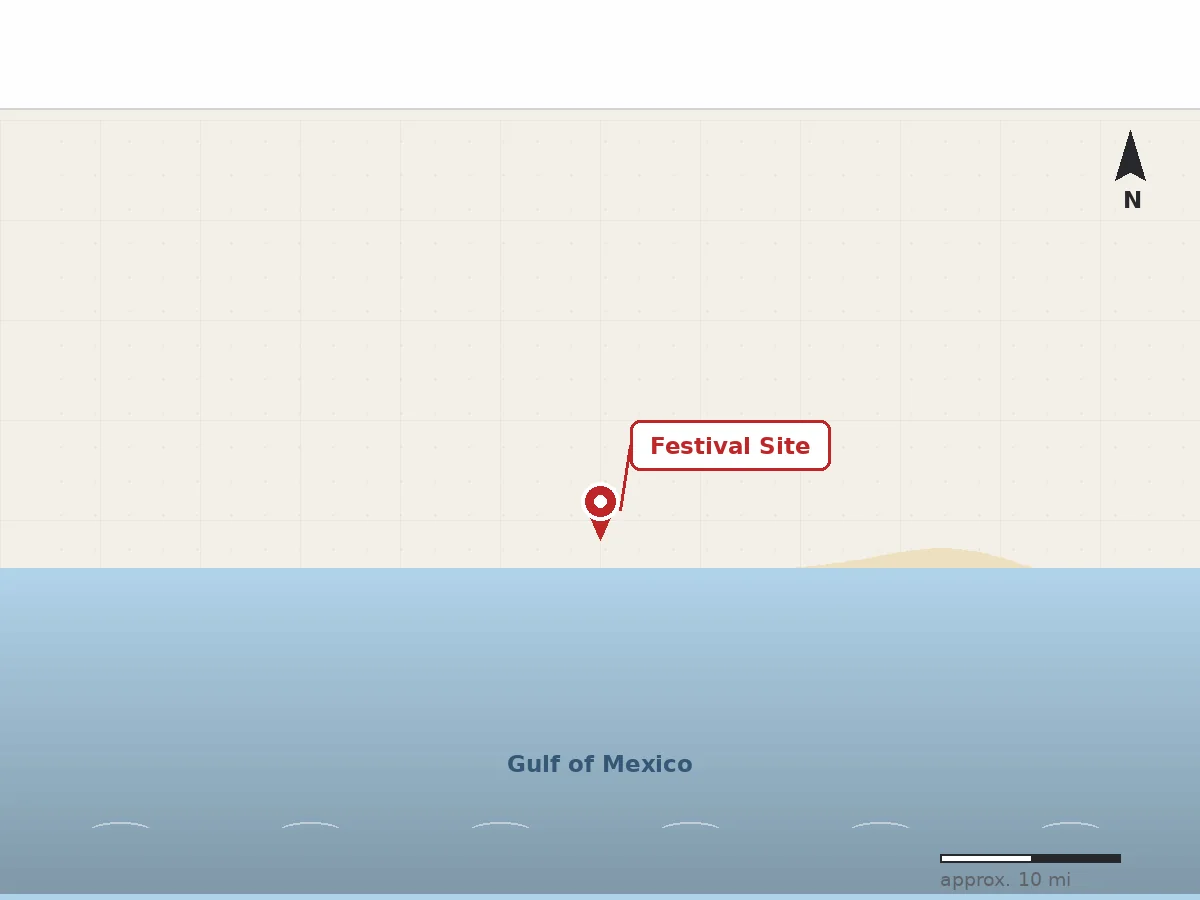
Mapping the Festival: Downtown Chicago, Cook County
The festival takes place in downtown Chicago, the seat of Cook County, on parkland within walking distance of the lakefront and the transit lines that serve the region.
Blues Weekend Questions Families Actually Ask
Is admission really free?
Admission is typically free, which is why the crowds are large and the atmosphere relaxed. You will still spend money on food, drinks, and merchandise, and parking or transit costs apply, but nobody is turned away at a gate.
Is it a good outing with young children?
Yes, with a plan. Arrive early, stay near the edges where there is room to move, keep water and snacks handy, and be ready to leave before the headliner. A free festival makes an early exit painless.
When should we arrive to avoid the biggest crowds?
Late morning is the calmest window. Afternoon crowds build steadily toward the evening headliners, so families with strollers tend to treat the festival as a daytime event and head home before the peak.
What happens if it rains?
Summer storms downtown can arrive quickly. Watch the sky, keep a poncho in the bag, and be ready to shelter nearby; outdoor programming may pause during lightning. A wet afternoon often clears into a comfortable evening.
The Next Generation of Chicago Blues
The health of the festival depends on who is on stage in ten years. Younger bands are already folding hip-hop rhythms, funk, and rock into the traditional form, and the free stages are the most democratic place for that experiment to happen.
Expect the weekend to keep its shape: multiple stages, open grounds, no gate. What may change is the mix on the bill and the size of the audience, as Cook County’s population keeps growing and each new generation discovers the same twelve bars.
For families like the Whitfields, that continuity is the appeal. The chairs are the same. The porch is the same. The music keeps arriving, every early summer, downtown.
Last updated: October 2026
Theo did fall asleep before the last set. Curtis carried him to the car while Amara folded the blanket, and Danielle drove west out of the city with the windows down and the radio off, because nobody wanted anything competing with the ringing in their ears. Next summer, the chairs come out again.