Coles County Illinois Coles County Fair Festival
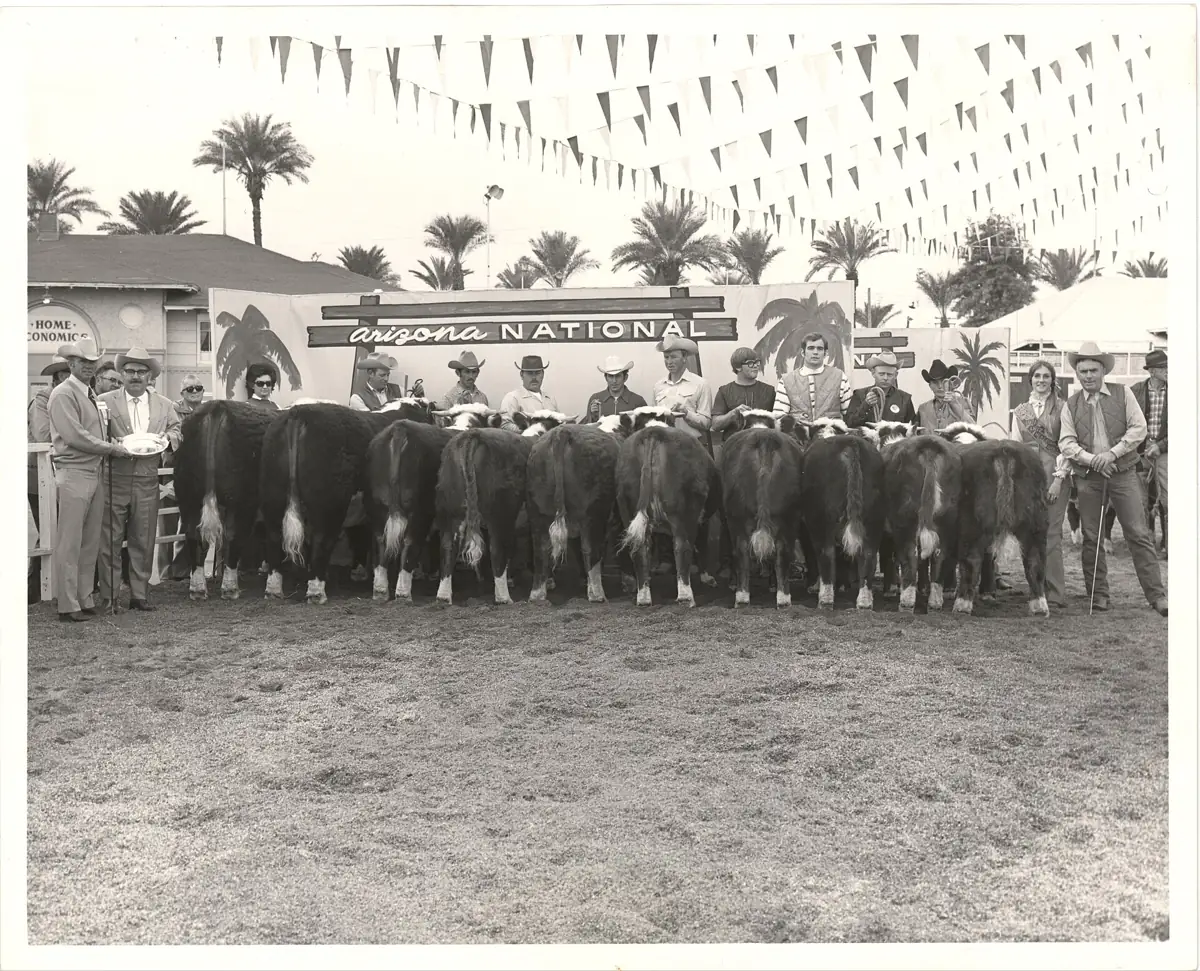
Midsummer in Coles County has a particular sound. It is the murmur of a crowd drifting between barns, the clatter of a gate latch, an announcer’s voice carrying across an infield, and the midway generators coughing to life in the late afternoon. For a few days each summer, the Coles County Fair pulls a whole county toward one set of grounds and turns a working agricultural landscape into a gathering place.
Coles County is a compact, farm-stitched county in east-central Illinois, seated at Charleston, with 46,863 residents counted in the 2020 census. Its fair is not a big-city spectacle. It is a county fair in the older sense of the phrase — part livestock show, part family reunion, part carnival, part civic ritual — and the setting shapes everything about it. The flat fields, the small towns, the heat shimmering off the show ring, the smell of livestock bedding and fryer grease: those are the fair’s real architecture.
Coles County Fair Facts Worth Knowing
Here is the short version for anyone planning a first visit. Details such as exact dates and daily schedules are set locally each year, so confirm them with the fair before you travel.
| Town / area | The Coles County area, Illinois |
| County | Coles County, Illinois |
| County seat | Charleston |
| Population | 46,863 (2020 census) |
| Region | East-central Illinois |
| Typical timing | Midsummer, usually late July into early August |
| Admission | Typically free to walk the grounds; rides, food, and grandstand shows cost extra |
| Setting | Traditional fairgrounds ringed by farmland in the Coles County countryside |
| Signature features | Livestock and agricultural exhibits, a midway, grandstand entertainment, community competitions |
| Who runs it | A volunteer fair board supported by the local agricultural community |
Timing can shift by a week or so from one summer to the next, and while strolling the grounds is usually free, the midway, the food stands, and the grandstand are where the money goes.
The Character of the Coles County Fair
Ask ten people around Charleston what the fair is for and you will get ten answers, all of them true. For farm families it is the annual reckoning, the week when breeding decisions, feed schedules, and months of grooming are judged in public. For 4-H families it is the payoff of a year of project work. For teenagers it is the midway and the freedom to roam it. For grandparents it is a place to run into people they have not seen since last summer.
For another look at how a community turns its own traditions into a gathering, see the Clinton County Indiana Clinton County Fair Festival for a useful comparison.
What holds those versions together is the format. A county fair is a temporary town built on familiar ground: barns and show rings on one side, a midway on the other, a grandstand at the edge, and food stands filling every gap between. The Coles County Fair keeps that traditional shape, which is exactly why it still works. It is large enough to feel like an event and small enough that you will recognize faces.
How the Fair Grew Alongside Coles County
Coles County was founded on December 25, 1830, and Charleston became its seat. In the decades that followed, the county’s 510 square miles were organized into farms, roads, and small towns, and with them came the institutions rural Illinois counties built for themselves: churches, schools, granges, and fairs.
County fairs across the Midwest grew out of agricultural societies that wanted a public stage for better farming. The idea was practical before it was festive. Breeders needed to compare animals. Farmers wanted to see which seed, implement, or rotation actually worked. Families wanted a reason to leave the farm for a day. A fair answered all three at once, and the entertainment — races, bands, contests, carnival rides — grew up around that core rather than replacing it.
That is still the pattern in Coles County. The fair has added modern attractions over the years and has weathered the pressures every county fair faces: changing farm economics, competition for young people’s time, and the cost of keeping old buildings standing. What has not changed is the agricultural spine of the event, or the volunteer labor that holds it together.
A Day on the Grounds: Coles County Food, Stages, and Family Fun
A fair day here has a natural arc, and it helps to know it before you go. Mornings belong to exhibitors and judges, afternoons to families and the barns, and evenings to the midway and the grandstand.
Fair food worth planning your day around
Fair food in Coles County follows the regional playbook, and that is a compliment. Expect pork burgers and tenderloins, corn dogs, hand-cut fries, funnel cakes, lemonade shake-ups, and ice cream eaten fast before it melts. Church groups and youth organizations often run stands of their own, which means the pie, the noodles, and the coffee can be as memorable as anything on the midway. Portions are generous, prices are fairground-typical, and lines move fastest in the late afternoon.
Grandstand nights and local stages
Evenings are when the fair gets loud. The grandstand typically hosts the headline events of the week, while smaller stages and tents around the grounds feature local and regional bands. Between the two, you can hear country, rock, and whatever the neighbors are playing this year. If a grandstand show matters to you, reserve early; those seats are the one part of the fair that regularly fills.
Family activities in the barns and on the midway
Families tend to split the day in two. The first half is the educational half: livestock barns where kids can watch animals being washed and fitted, open-class exhibits, baking and canning displays, and project buildings where you can see exactly what local young people spent the year raising and making. The second half is the midway — rides, games, and the particular joy of a child winning something enormous. Between them are the small pleasures: a tractor display, a draft horse, a bench in the shade.
Planning a Trip to the Coles County Fair
The fair is easy to reach and easy to enjoy, but a few logistics make a real difference, especially in midsummer heat.
Getting to the Coles County area
Charleston sits in east-central Illinois along the Route 16 corridor, with Interstate 57 running through the county nearby, so the grounds are reachable from most of central Illinois within an hour or two. Local roads funnel toward the fair, so expect the usual summer slowdown as you approach and follow whatever signs and volunteers are posted that year.
Where to stay near Charleston
Lodging clusters in Charleston and the surrounding communities, with more options along the interstate corridor. Fair week is the busiest stretch of the summer for local rooms, so book well ahead if you are coming from out of town. Campers and RV travelers should ask the fair directly about on-grounds or nearby camping availability.
Parking and arrival timing
Parking is typically on or adjacent to the fairgrounds, with extra lots opening for the biggest nights. Arrive before the evening rush if you want a short walk, and expect to queue when a grandstand show lets out. A little patience at the gate goes a long way.
Admission and what things cost
Walking the grounds is typically free at a county fair of this size; the spending happens inside, on rides, games, food, and grandstand tickets. Set a budget before you go, especially if you have children who will see the midway. Many vendors take cards now, but carrying some cash remains a sensible habit at any fair.
Midsummer weather in Coles County
Late July and early August in central Illinois mean heat, humidity, and the chance of an afternoon thunderstorm. Plan around the middle of the day: shade, water, and a slower pace from noon to mid-afternoon, then a second wind in the evening when the temperature drops. A poncho or light rain jacket takes up almost no room and has saved many fair days.
A Sample Fair Weekend in Coles County
Friday afternoon: arrive before the crowds, walk the barns while animals are still being worked, and eat an early dinner from a food stand. Friday evening: let the midway lights come on, catch a grandstand show or a local band, and take one slow loop past the exhibits before heading home.
Saturday morning: come for the livestock shows and the project buildings, when the grounds are quiet and the judging is serious. Saturday afternoon: this is the heat of the day, so lean into shade, lemonade, and the indoor displays. Saturday evening: the fair at full volume, with the midway packed and the grandstand filling.
Sunday: the calmest day of the run. Wander the open-class exhibits, watch the last classes in the ring, and buy one final funnel cake before the tents come down.
Coles County Fair Compared with Nearby Summer Traditions
Coles County sits in a part of Illinois where nearly every county has its own fair, and the differences are mostly about scale and setting rather than kind. Charleston, the county seat, anchors this one, supplying many of the exhibitors, volunteers, and spectators who fill the grounds each summer.
Nearby Mattoon and the smaller towns of the county add their own summer rhythms, and the neighboring counties to the east, west, and south each hold fairs of their own on their own fairgrounds. Compared with those, the Coles County Fair tends to feel mid-sized and deeply agricultural: fewer headline spectacles, more time in the barns, and a crowd that mostly knows one another.
A Practical Checklist for Fair Day in Coles County
Bring water and refill often.
Wear closed-toe shoes you do not mind scuffing — barns and gravel are hard on sandals.
Pack sunscreen, a hat, and sunglasses.
Carry some cash alongside a card.
Check the day’s schedule before you arrive so you do not miss the events you care about.
Keep children close near the midway and agree on a meeting point.
Leave room in the car for exhibit projects and prize ribbons.
Charge your phone, but expect spotty signal in a crowded fairground.
Beyond the Fairgrounds: Charleston, Mattoon, and Rural Coles County
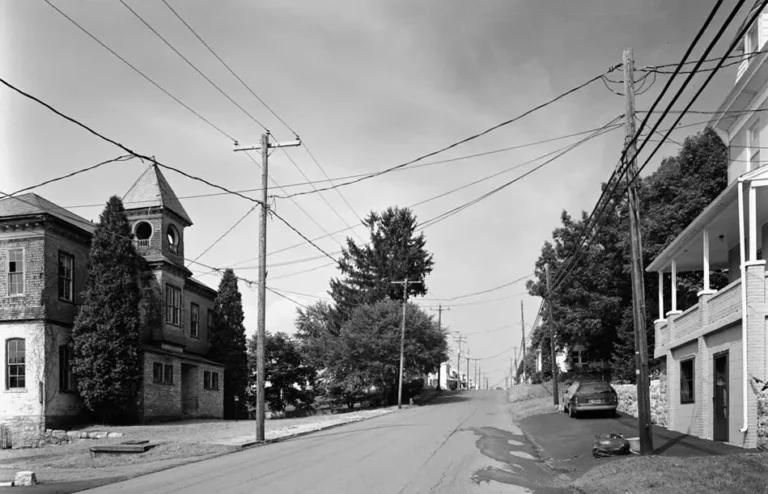
Make a weekend of it and the county rewards you. Charleston, the county seat, has a walkable downtown and the easy pace of a small Midwestern seat of government. The surrounding countryside is the real attraction, though: straight county roads, field after field of corn and soybeans, and small towns that look best in the long light of a summer evening.
Drive a few minutes in any direction and you are in open farm country, which is the best possible context for understanding what the fair is actually celebrating. Pack a picnic, take a back road, and you will see the landscape the exhibits came from.
What the Coles County Fair Means to Its Community
Across 510 square miles and 46,863 residents, the fair is one of the few events that gathers the whole county at once. That matters in a place where people are spread thin across townships and farmsteads. The fair is where a farm kid learns to speak to a judge, where a volunteer board spends a year planning for a handful of evenings, and where neighbors who wave from passing trucks finally stand still long enough to talk.
It is also an economic and cultural anchor for local agriculture. Every animal shown, every jar of preserves entered, and every project exhibited represents months of work that would otherwise go unseen. The fair gives that work a stage, and the county a reason to show up.
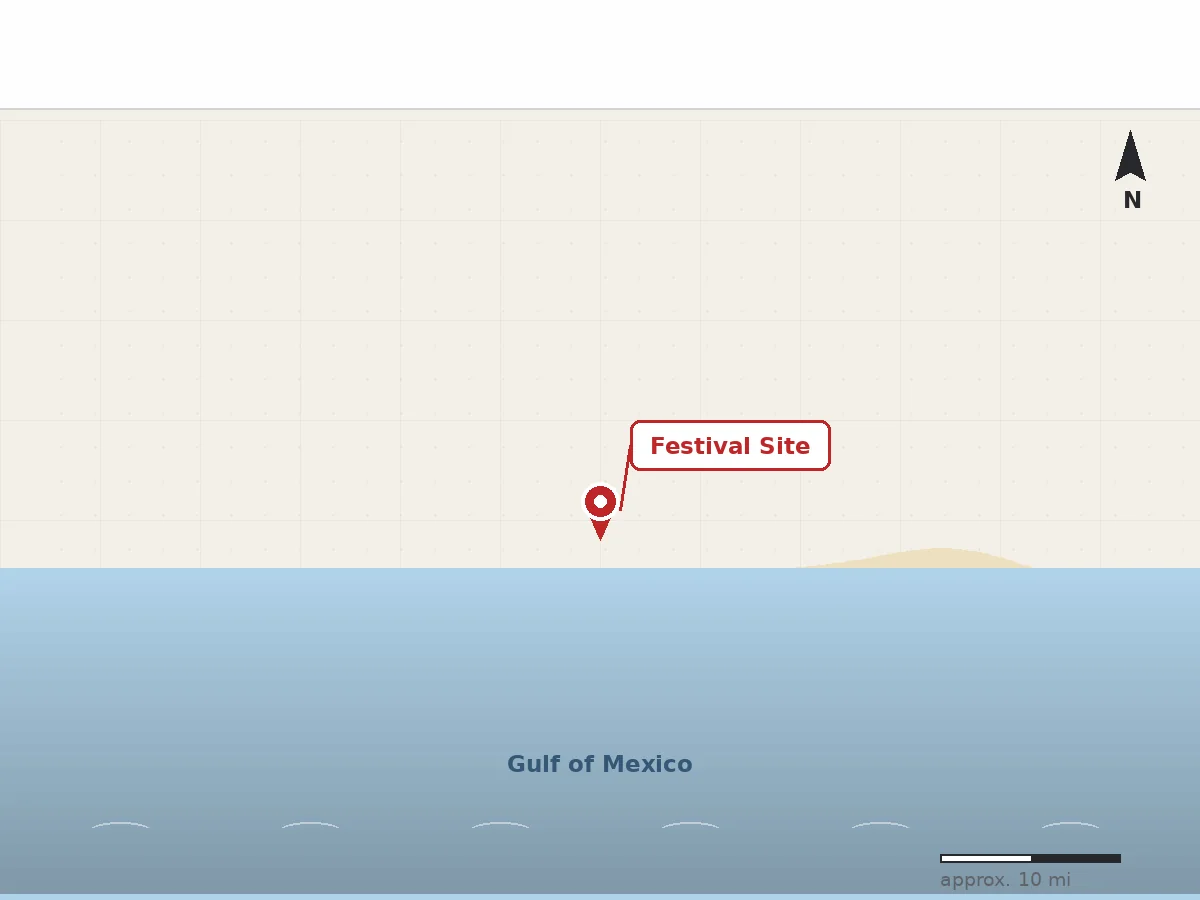
Where the Coles County Fairgrounds Are
The fairgrounds sit in the Coles County countryside within a short drive of Charleston, the county seat.
Coles County Fair Answers for First-Time Visitors
Is the Coles County Fair free to attend?
In most years, walking the grounds costs nothing, and the expenses come from rides, games, food, and grandstand tickets. Policies can vary by day and by event, so check ahead if a specific show or admission question matters to you.
How early should I arrive?
Earlier than you think on any night with a grandstand show. Late afternoon gets you easier parking, shorter food lines, and a chance to see the barns while exhibitors are still working. Evening arrivals should expect a walk.
Is the fair a good outing for young children?
Yes, particularly in the late afternoon. The animal barns, the rides, and the food are all child-friendly, and the grounds are compact enough to cover without exhausting small legs. Bring water, plan a rest, and agree on a meeting spot before you split up.
What happens if it rains during fair week?
Summer storms in central Illinois tend to pass through rather than settle in. Most fairs adjust schedules as needed, and indoor exhibits and barns stay open. A light rain jacket and a flexible plan will carry you through almost anything.
Looking Ahead to Future Coles County Fairs
County fairs survive by changing slowly. Expect the Coles County Fair to keep its agricultural core while adapting the details: more ways to pay, more variety on the midway, and continued attention to the buildings and grounds that make the week possible. The constants are likely to hold — the livestock shows, the project exhibits, the food stands run by local organizations, and a volunteer board that spends the other fifty weeks of the year getting ready for this one.
Last updated: October 2026
For anyone who grew up around Charleston, the fair is less an event than a marker of the season — the week when summer peaks and the county briefly becomes one big front porch. Go once, walk the barns before the crowds arrive, and stay for the midway lights. You will understand quickly why this tradition has held on for generations.