Clinton County Indiana Clinton County Fair Festival
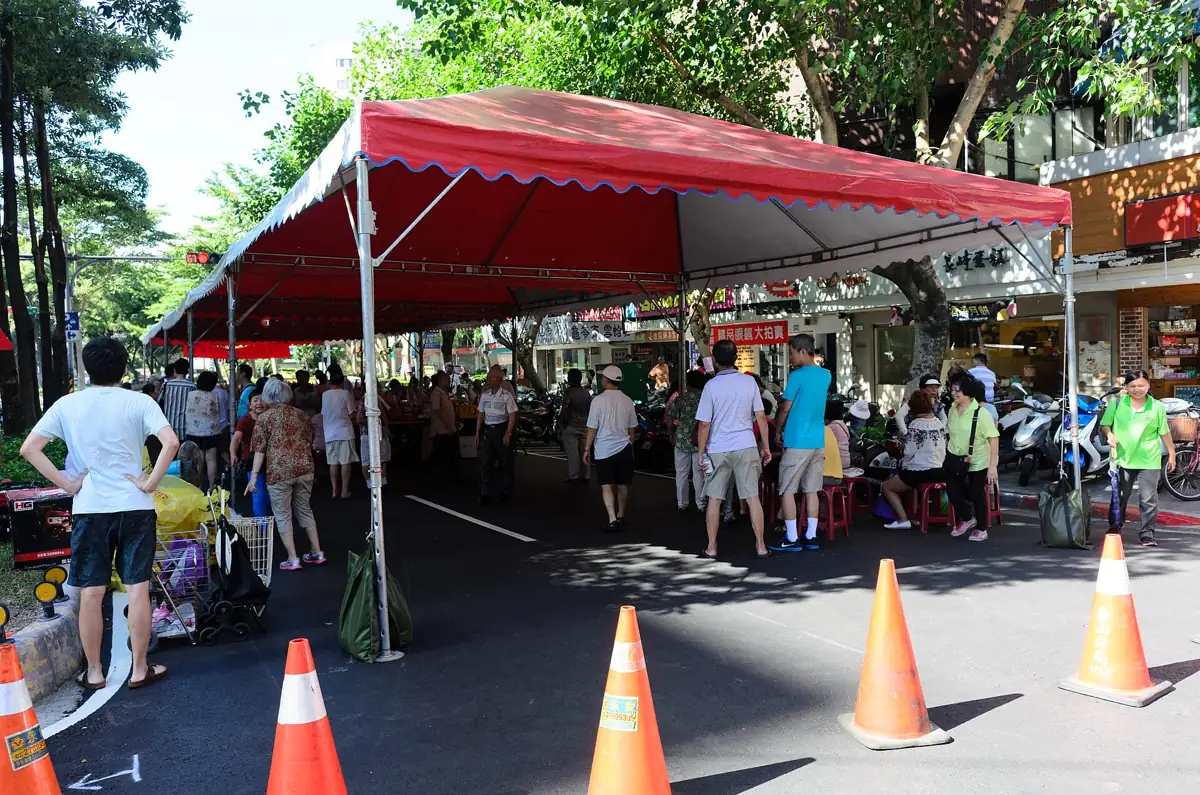
The Whitaker family’s fair day starts before the alarm. Coffee into a travel mug, chores hurried along, a cooler packed with more water than anyone thinks the family will need. By the time the truck noses toward Frankfort, Clinton County is already moving: tractors on the blacktop, banners zip-tied to fence posts, a slow parade of taillights all pointing the same direction.
What follows is not one event on a schedule but a day that unfolds in stages — the livestock barn before the heat, the exhibit hall when the shade runs out, the midway at dusk. For a family that lives here, the Clinton County Fair is less a weekend outing than a marker on the calendar, the point where 4-H projects, school-free weeks, and summer weather all land in the same place at once.
Clinton County Fair Essentials for the Week It Runs
| Festival | Clinton County Fair |
| Town / area | The Clinton County area, Indiana |
| County | Clinton County, Indiana |
| County seat | Frankfort |
| County snapshot | Founded 1830 · 405.25 square miles · population 33,190 |
| Region | West-central Indiana |
| Typical timing | A week in mid-summer, most often July |
| Admission | General entry is typically free; rides, food, and some grandstand events are priced separately |
| Setting and features | Fairgrounds in open Clinton County farmland near Frankfort, with livestock shows, 4-H and open-class exhibits, a midway, grandstand entertainment, and fair food |
| Organizer | Local fair organizers and community volunteers |
What the Fair Is to the Area Around Frankfort
Clinton County is a 405.25-square-mile block of west-central Indiana farmland, founded in 1830 and home to 33,190 people, with Frankfort as its county seat. The Clinton County Fair is what happens when a county that size decides to put a week on the calendar and invite everyone at once.
At its core, the fair is an exhibition. Kids who spent the spring haltering a calf, fitting a hog, or finishing a sewing project bring the results to the fairgrounds and find out how they did. Around that core grows everything else: a midway of rides, a row of food trailers, a grandstand schedule, and the kind of low-key socializing that only happens when a whole county is standing in the same gravel lot.
The rhythm is familiar to anyone raised in this part of Indiana. Mornings belong to the barns, when the air is still cool and animals are being washed and brushed for judging. Afternoons belong to the exhibit halls and whatever shade can be found. Evenings belong to the midway lights and the slow walk back to the truck after dark.
For another look at how a community turns its own traditions into a gathering, see the Clinton County Illinois Harvest Thyme Festival for a useful comparison.
Nothing about it is fancy. It is a county fair in the plainest and best sense — local, loud, a little dusty, and built almost entirely by people who live within a short drive of the grounds.
From an 1830 County to a Summer Ritual in Clinton County
Clinton County was founded in 1830, when this stretch of Indiana was still being divided into farm tracts and county-seat towns. Frankfort grew into the seat of government, and the surrounding land settled into the pattern that still defines the place: corn and soybeans, livestock, and small communities close enough together that everyone knows whose kids are showing what at the fair.
County fairs became the standard gathering of that world. Through the 1800s, agricultural societies across Indiana organized exhibitions so farmers could compare seed, stock, and machinery — and so families could spend a few days in the same place at the same time. The Clinton County Fair carries that lineage forward, season after season.
The twentieth century layered entertainment on top of the agricultural core: a midway, a grandstand, and 4-H programs that made the fair a young person’s project as much as a farmer’s showcase. What remains today is a fair with two hearts — one in the barns and exhibit halls, one under the lights — and a county that turns out for both.
A Fair Day, Hour by Hour, for the Whitakers and Everyone Else
Ask a local family what the fair is and the answer changes with the hour. The same week feels like three different events depending on when you walk through the gate.
Fair Food That Sets the Family’s Clock
Food is the fair’s metronome. Mid-morning belongs to whatever stand is selling breakfast sandwiches and coffee to people who have already been in the barn since dawn. Lunch is a breaded pork tenderloin, a corn dog, or a plate from a church or civic booth, eaten standing up because the picnic tables are full. By late afternoon the lemon shake-up and funnel cake line forms, and by evening it is impossible to walk the midway without someone in the family declaring they need one more thing before the drive home. Bring cash and expect to spend more than you planned; that is part of the ritual.
Grandstand Nights and Music Around the Grounds
Evenings pull the biggest crowds. County fairs across this part of Indiana tend to fill their grandstand calendars with tractor pulls, demolition derbies, and live music, and Clinton County follows that pattern, with the schedule changing from year to year. Around the grounds, smaller performances — a band near the food row, a DJ, a contest emcee — keep the fairgrounds noisy between the main events. Families who want seats for the headline show tend to claim them early and then wander.
Family Activities Away from the Midway
The fair is genuinely built for kids, and not only the ones showing animals. There are barns to walk through, exhibits to browse, rides sized for small children, and the endless small competitions that county fairs specialize in — pedal pulls, craft judging, games run by local groups. The Whitakers’ strategy is simple: barns and exhibits in the morning while everyone is fresh, midway in the evening when the lights come on, and a strict rule that nobody asks for a ride before lunch.
Getting to the Clinton County Fairgrounds and Planning the Trip
Getting There
The fairgrounds sit in the farmland outside Frankfort, the county seat, so anyone coming from within Clinton County is looking at a short drive on county roads. Visitors from outside the county generally route through Frankfort first and follow local signage from there. Traffic moves slowly on fair evenings, so allow extra time rather than trying to make up minutes on back roads you do not know.
Where to Stay
Frankfort is the natural base, and it is where most out-of-county visitors look for lodging. Others stay in larger nearby towns and drive in for the day, which keeps the trip flexible if you are combining the fair with other plans. Because fair week is one of the busiest stretches of the summer, book early if you are traveling from any distance.
Parking on Fair Week
Parking is generally on grass and gravel lots around the grounds, with volunteers and staff directing cars during peak hours. Arrive before the evening rush if you want to park close, and take a mental note of which gate you walked through — after dark, every row of trucks looks identical.
Admission and What Things Cost
General admission to the fair is typically free, which is one reason local families treat it as an easy, repeatable outing rather than a single big night out. The costs accumulate elsewhere: midway rides, food, games, and certain grandstand events are priced individually by their operators. A modest cash budget covers almost everything.
Weather and the July Heat
Mid-summer in west-central Indiana means heat, humidity, and the real possibility of an afternoon thunderstorm. Mornings and evenings are the comfortable windows. Plan on water, sunscreen, hats, and a willingness to duck into a barn or exhibit hall when the sun is at its worst.
A Sample Fair Weekend with One Clinton County Family
Saturday starts early. The Whitakers are at the barn by mid-morning for the livestock show, where the kids who have been working all spring finally get their five minutes in front of a judge. Lunch comes from the food row, eaten standing in the shade of a trailer awning. The afternoon is for the exhibit hall — ribbons, photographs, canned goods, and the projects of neighbors — followed by a slow pass through the commercial tents. After a break at home, they return for the evening: rides, a grandstand event, and one last lemon shake-up before the drive back.
Sunday is shorter and easier. A late-morning arrival catches the last of the barn activity and any remaining judging. The family walks the grounds one final time, checks how the projects placed, and picks up whatever the kids have been eyeing all week. They are home before dark, tired in the specific way that only a fair weekend produces.
Clinton County’s Fair Next to Its Neighbors
Clinton County is surrounded by counties that all run their own summer fairs, and the differences are worth knowing. The Boone County Fair, near Lebanon to the southeast, sits closer to the Indianapolis suburbs and tends to feel busier and more commuter-driven. The Carroll County Fair, near Delphi to the north, has a smaller, more rural footprint. The Tippecanoe County Fair, near Lafayette to the west, benefits from a larger population base and a university town nearby, giving it a broader entertainment lineup.
What Clinton County offers is a middle ground: big enough for a full midway and a grandstand, small enough that you will run into people you know. For families who grew up going to fairs, that combination is the whole appeal.
The Truck-Bed Checklist for a Clinton County Fair Day
Pack water bottles and a refill jug; sunscreen and hats; cash in small bills for food, rides, and games; a light jacket or blanket for the evening; comfortable shoes you do not mind getting dusty; a tote for exhibit entries, ribbons, and anything bought from vendors; hand wipes; a phone charger or battery pack; and a plan for where to meet if the family splits up between the barns and the midway. Families showing animals should add feed, grooming supplies, show clothes, and a cooler for the day in the barn.
Beyond the Fairgrounds: Frankfort and the Rural County
Pairing the fair with the rest of Clinton County makes for a fuller trip. Frankfort, the county seat, is the obvious first stop — a courthouse town with local restaurants and shops that get a bump in traffic during fair week. Beyond that, the county is 405.25 square miles of working farmland threaded with country roads, small communities, and the kind of scenery that rewards a slow drive with the windows down.
Families often use the fair as an anchor and build the rest of the weekend around it: a morning drive through the countryside, lunch in town, then an afternoon and evening at the grounds. It is a low-cost way to see a part of Indiana that most travelers pass by on the way to somewhere else.
What the Fair Means to a County of 33,190 People
In a county with 33,190 residents, the fair is one of the few events that genuinely pulls from every corner. It is where farm families and town families end up in the same bleachers, where grandparents watch grandchildren show an animal for the first time, and where volunteers spend months of evenings planning something that lasts a week.
It is also an economic and social anchor for the summer. Food vendors, ride operators, local groups running booths, and businesses sponsoring events all depend on that week. More importantly, it keeps a set of skills alive — animal husbandry, baking, woodworking, public speaking — that a school calendar alone cannot teach. The fair is how Clinton County hands those things down.
Where the Clinton County Fair Sits on the Map
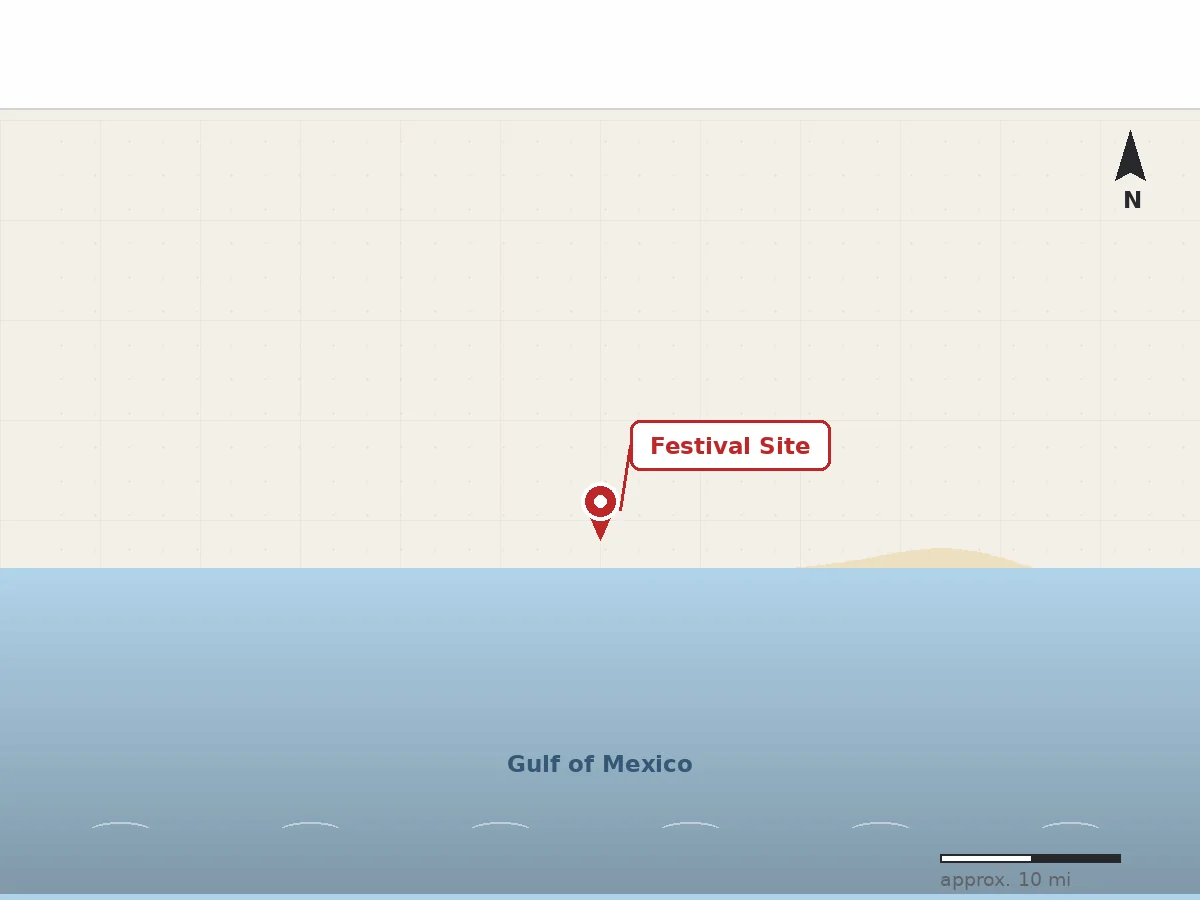
The Clinton County Fair takes place on fairgrounds in the Clinton County countryside near Frankfort, the county seat of this 405.25-square-mile county in west-central Indiana.
Clinton County Fair Questions First-Timers Ask
Is the Clinton County Fair free to attend?
General entry is typically free, which makes the fair an easy outing for families who want to come back more than once during the week. Budget for the extras instead: midway rides, food, games, and any grandstand events that sell tickets separately. Cash in small bills is the simplest approach.
When in the summer does the fair usually run?
The fair is held during a week in mid-summer, most often in July. Exact dates shift from year to year, so check local listings before you plan a trip around it. Weekday mornings are the quietest; weekend evenings are the busiest.
Is it a good outing for young kids, or mainly for 4-H families?
It works for both. The livestock shows and exhibit halls are the heart of the event, but there is plenty for children who have never stepped into a barn — rides, games, animals to look at, and food they will talk about for weeks. Strollers handle the grounds reasonably well, though grass lots can be bumpy.
Should we bring cash?
Yes. Some vendors and ride operators may take cards, but cash remains the fastest way to buy food, tickets, and small items, and it avoids the awkward moment of hunting for a signal in a crowded fairground. Bring more water than you think you need, too.
What Future Clinton County Fair Seasons Might Look Like
The fair’s future rests on the same things that have sustained it for generations: volunteers, 4-H enrollment, local sponsorship, and families willing to spend a summer week at the grounds. Expect the agricultural core to stay intact while the entertainment side continues to evolve, with grandstand lineups and midway offerings refreshed season to season. For a county of 33,190 people, the fair remains one of the most reliable ways to gather everyone in one place.
Last updated: October 2026
For the Whitakers, and for thousands of other families across Clinton County, the fair will keep doing what it has always done — turning an ordinary week in July into the one everybody measures the summer by. Come for the tenderloin, stay for the livestock show, and leave with dust on your shoes and a ribbon or two in the truck.

One Comment