Clark County Indiana 4-H Fair Festival
In Clark County, Indiana, fair week is a food week with livestock attached. The Clark County Indiana 4-H Fair fills the county fairgrounds each summer with show barns, project displays, and a food row that locals treat as a checklist rather than a menu. It is a youth fair first — 4-H members exhibit everything from market hogs to canned peaches — but it is also the biggest shared table in a county of 121,093 people.
This guide is written for eaters. It covers what to order, where the money goes, how to plan a day around the heat, and how to fit a livestock show, a slice of pie, and an evening on the midway into one summer weekend in southern Indiana.
Clark County 4-H Fair: The Basics Before You Eat
| Town / area | Clark County area — Jeffersonville, Clarksville, Charlestown, Sellersburg |
| County | Clark County, Indiana |
| County seat | Jeffersonville |
| Population | 121,093 |
| Land area | 376.45 square miles |
| Founded | February 3, 1801 |
| Region | Southern Indiana, Ohio River valley |
| Typical timing | Mid-summer, in most years during July |
| Admission | Typically free to the fairgrounds |
| Setting and features | Fairgrounds with barns, show rings, exhibit halls, midway, and food row |
Inside the Clark County 4-H Fair: A Fair Built Around Its Food
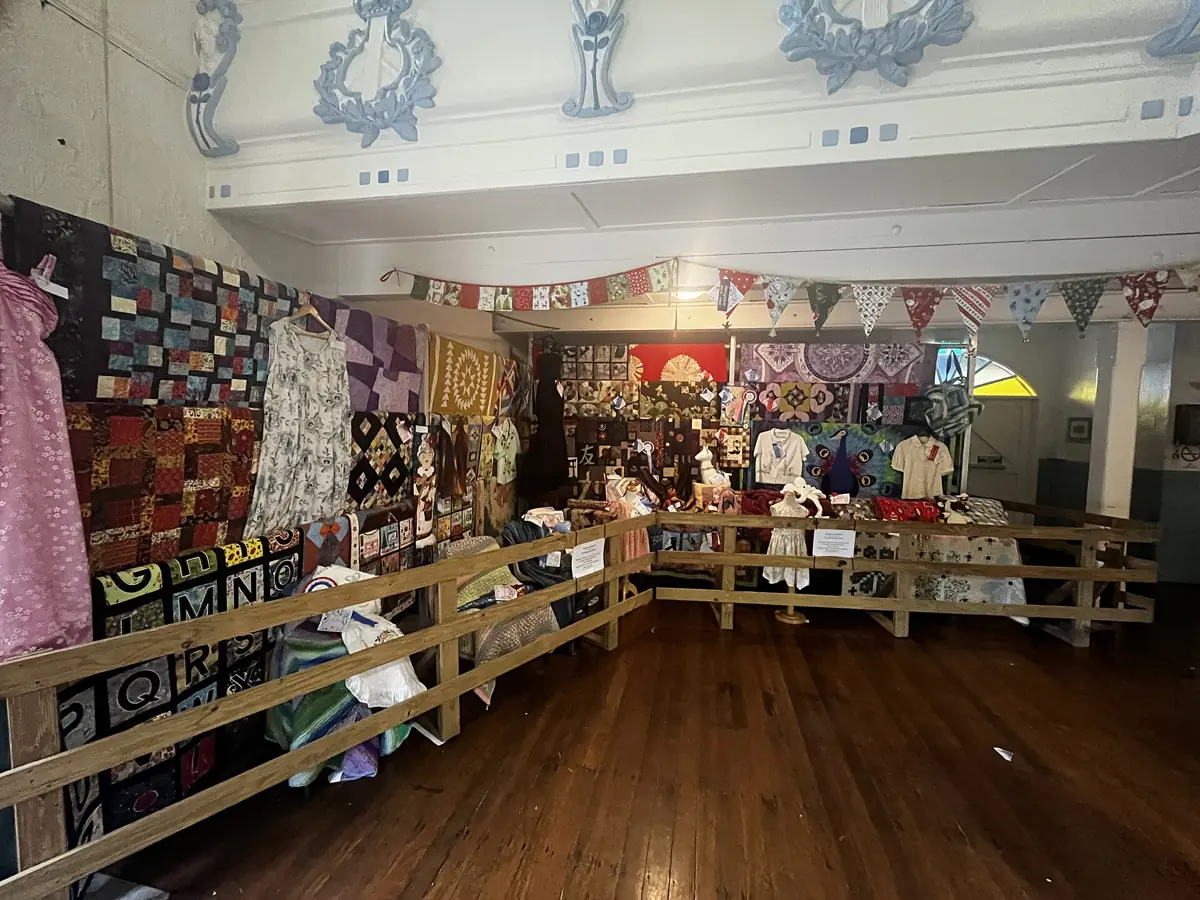
Walk through the gate and the fair splits into two halves that keep feeding each other. On one side are the barns: beef and dairy cattle, swine, sheep, goats, poultry, rabbits, and a daily show schedule that decides who leaves with a ribbon. On the other are the exhibit halls, where 4-H projects in baking, canning, photography, woodworking, and gardening sit behind glass with judges’ comments pinned alongside.
Food is the connective tissue. Many booths are run by local nonprofit groups, church committees, and agricultural organizations, so money spent on a pork burger tends to stay in Clark County. The 4-H program handles some of the classics itself, while independent vendors cover corn dogs, lemonade shake-ups, and fried everything.
Because the fair is built around youth projects, portions are generous and the best items sell out on the busiest evenings. Arrive early, eat strategically, and leave room for a second pass.
For another look at how a community turns its own traditions into a gathering, see the Clark County Illinois Marshall Autumn Festival for a useful comparison.
Two Centuries of Clark County Farming, From 1801 to the Modern Fair
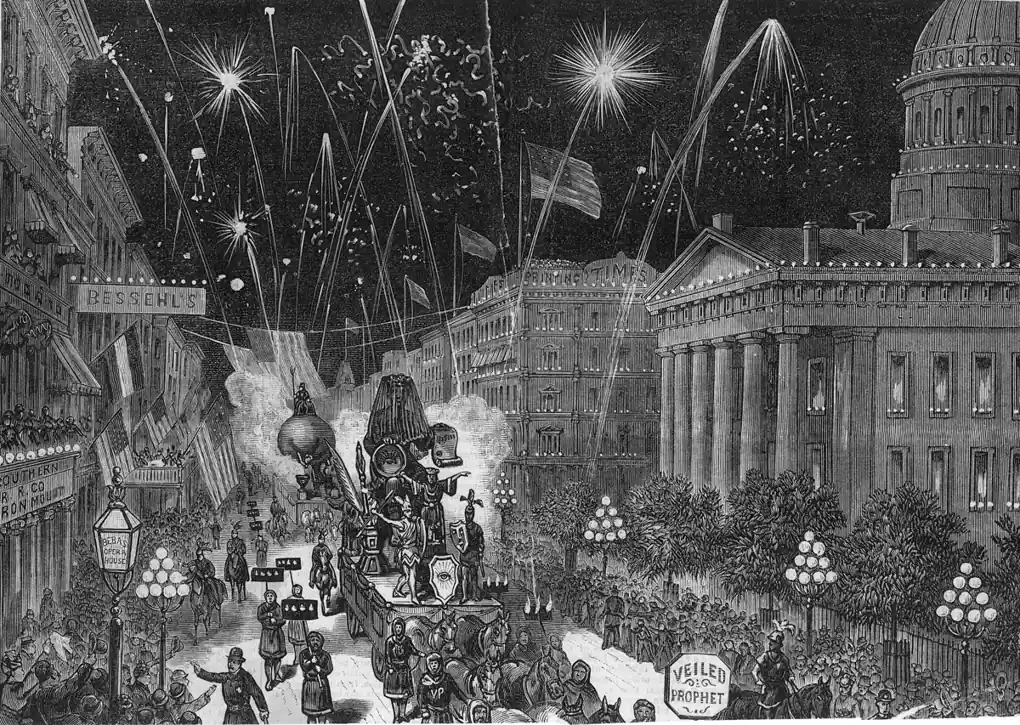
Clark County was founded on February 3, 1801, with Jeffersonville as its county seat, and for most of the two centuries since, the land across its 376.45 square miles has been farmed, grazed, and harvested. The Ohio River gave the county a market for grain, hogs, and produce; the farms behind it gave the county a reason to gather once a year and compare notes.
County fairs in Indiana grew out of exactly that habit — a harvest-season show of animals, crops, and household skills that doubled as a social calendar. When 4-H clubs took hold in the early twentieth century, they gave the fair a youth focus that never really left. The fairgrounds became a classroom with a midway attached.
The menu changed with the times. Church suppers and pie auctions gave way to trailers with fryers and flat-tops, and the modern lineup reflects a century of Hoosier taste: breaded pork tenderloin, corn on the cob, elephant ears, funnel cake, and milkshakes churned by hand. What stayed the same is the economics — a fair booth is still a fundraiser, and a fair meal is still a way of paying into the community.
What the Clark County 4-H Fair Tastes, Sounds, and Feels Like
Fair Food Row: Tenderloins, Elephant Ears, and 4-H Shakes
Start with the pork. The breaded tenderloin is the region’s signature sandwich — pounded thin, wider than the bun, and best eaten with pickles and nothing fussy. From there, work the stands: grilled pork chops from agricultural groups, corn dogs and hand-cut fries, lemonade shake-ups that require actual shaking, and elephant ears dusted with cinnamon sugar.
Dairy barn milkshakes are the item people plan around, and they are often the first thing to sell out on a hot evening. Exhibit-hall baking deserves attention too: 4-H members enter cookies, cakes, breads, and pies, and some booths sell slices or auction prize-winning baked goods. Keep small bills on hand, since some stands are cash-only, and expect the longest lines between early evening and dusk.
Entertainment from the Show Ring to the Stage
The real theater is the show ring. Livestock shows run through the week, with young exhibitors working animals through their paces while judges explain placings to a crowd of parents and grandparents. A livestock auction closes the run, and it is worth watching even if you are not bidding — the prices say something public about a year of work.
Evening entertainment tends to be low-key and local: a stage with country, bluegrass, and cover bands, a tractor or truck pull in some years, and midway rides running after dark. Check the daily schedule posted near the gate, because show times and stage acts shift from year to year.
Family Activities Beyond the Midway
Beyond rides, the grounds are built for wandering. Kids can watch chicks and rabbits in the small-animal barn, try a pedal tractor pull, or work through a project passport. The exhibit halls double as free indoor activity when the afternoon heat peaks.
For families with young children, the fair is manageable in two or three hours. Strollers work on the main paths but not between pens. Most families park once, walk the barns early, eat at dusk, and let the midway be the last stop before the drive home.
Planning a July Day at the Clark County 4-H Fair
Getting There from Jeffersonville, Clarksville, and Louisville
Clark County sits on the Ohio River directly across from Louisville, which makes the fair easy to reach from anywhere in the metro. Jeffersonville and Clarksville are the closest population centers, with Charlestown and Sellersburg a short drive beyond. Coming from across the river, cross early — afternoon bridge traffic in fair season is not the time to be optimistic.
Where to Stay Around Clark County
Overnight visitors find the deepest inventory in Jeffersonville and Clarksville, where hotels cluster near the riverfront and the interstate. Sellersburg and Charlestown offer quieter alternatives a few minutes further out. Book well ahead for a mid-summer fair weekend, since Louisville events compete for the same rooms.
Parking and Fair-Week Traffic
Parking is generally on-site or in adjacent fields with volunteers directing cars. Arrive before the dinner rush for the closest spots, and expect a slow crawl out of the lot once the evening program ends. Carpooling with neighbors is a Clark County tradition for a reason.
Admission, Ride Wristbands, and Food Budgets
Admission to the grounds is typically free, which is part of why the food matters so much: the fair’s economics run through the booths and the midway rather than the gate. Ride wristbands or ticket sheets are sold separately, and carnival pricing is the fastest way to drain a family budget. Set a food number before you go, and treat the auction as entertainment rather than shopping.
July Heat, Storms, and What to Wear
Fair week lands in the middle of an Indiana summer, which means heat indexes in the nineties and the chance of an afternoon thunderstorm. Barns and exhibit halls become the shaded refuge. Wear light clothing, closed-toe shoes for the animal areas, and bring a rain jacket rather than an umbrella if storms are forecast.
A Sample Fair Weekend: Friday Night Through Sunday in Clark County
Friday evening. Arrive in the late afternoon, before the dinner rush, and walk the barns while they are still being cleaned and prepped. Eat early — a tenderloin or grilled pork chop, then a lemonade shake-up. Stay for the evening livestock show and the stage act, and finish with a milkshake on the way out.
Saturday. Come back mid-morning for the project exhibits and the small-animal barn, when the grounds are quietest and the heat has not arrived. Grab corn on the cob and a corn dog for lunch, then retreat to the exhibit hall during the hottest hours. Return in the evening for the auction and the midway, and split a funnel cake between two people rather than ordering one each.
Sunday. Sunday is family day. Arrive for a late breakfast sandwich, watch the final shows and the awards, and buy something from the bake sale or the 4-H booth on your way out. If you have time, drive into Jeffersonville for a walk along the Ohio River before heading home.
How the Clark County 4-H Fair Compares Nearby
Clark County is not the only county in southern Indiana with a summer fair, and food-forward visitors tend to compare them. Floyd County, just west, holds its own 4-H fair with a similar barn-and-booth layout and a comparable tenderloin and shake lineup — close enough that some families attend both.
Scott County, to the north, runs a smaller, more agricultural fair where livestock dominates and food row is shorter but often cheaper. Harrison County, out toward Corydon, pairs its fair with a historic town setting that rewards a longer day trip.
Clark’s advantage is location: a Louisville-metro audience, a mix of suburban and rural exhibitors, and a food row that benefits from the county’s size. The trade-off is crowds — a free gate and a big population mean busy evenings.
Clark County Fair Checklist: What to Bring and What to Skip
| Cash in small bills | Some booths and midway games are cash-only. |
| Refillable water bottle | Cheaper and faster than buying bottles all evening. |
| Sunscreen and a hat | Shade between barns is scarce at midday. |
| Closed-toe shoes | Barn aisles and gravel are not sandal terrain. |
| A light layer | Evenings cool off once the sun drops. |
| Hand wipes | You will touch a lot of animals and a lot of food. |
| A tote bag | Bake sale and exhibit-hall purchases add up. |
| A folding chair | Show-ring seating fills fast on auction night. |
Leave the dog at home — fairgrounds are hot, crowded, and full of livestock. Skip the oversized cooler unless you plan to tailgate in the parking field, and skip the ambitious plan to see every barn in one pass. The fair rewards a slow walk.
Beyond the Fairgrounds: Jeffersonville, Clarksville, and the Ohio River
Fair week does not have to end at the gate. Jeffersonville’s riverfront and downtown blocks have restaurants and a walkable main street within sight of the Louisville skyline, and the Big Four pedestrian bridge across the Ohio makes an easy evening add-on. Clarksville adds shopping and family entertainment along the highway corridor, plus the Falls of the Ohio area, where fossil beds are exposed at low water.
North of the metro, Charlestown and the surrounding countryside show the farmland that supplies the fair — corn and soybean fields, small cattle operations, and roadside produce stands in season. Sellersburg sits where suburban Clark County turns rural, a practical stop for a meal on the way to or from the grounds.
Why the Clark County 4-H Fair Still Matters to 121,093 Residents
The fair is one of the few events that gathers the whole county in one place. It is where a Sellersburg farm family and a Jeffersonville family with no barn at all end up in the same line for a milkshake. For 4-H members, it is the payoff for a year of projects — the interview, the ribbon, the auction check, the skill learned in front of strangers.
The food carries that weight. A booth run by a church group or an agricultural organization is fundraising for something local, and the tenderloin you buy is a small transfer of money from one Clark County household to another. Multiply that across a week of dinners and the fair becomes an economic event as much as a social one.
Where the Clark County 4-H Fair Sits on the Map
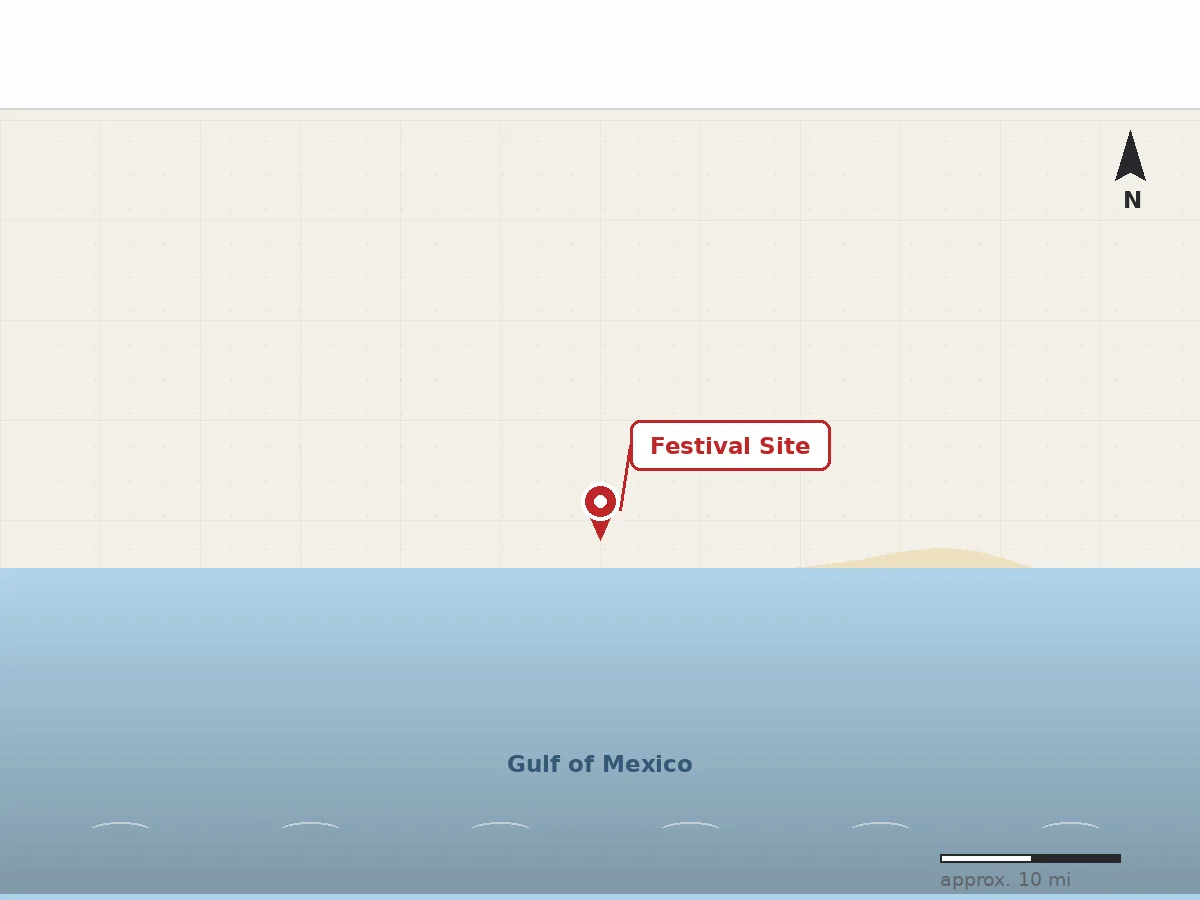
The Clark County Indiana 4-H Fair is held on the county fairgrounds in the Clark County area of southern Indiana, a short drive from Jeffersonville, Clarksville, Charlestown, and Sellersburg.
Clark County 4-H Fair Questions, Answered
When does the Clark County 4-H Fair usually take place?
It is a mid-summer event, held in most years during July and typically running about a week. Livestock shows, project judging, and the auction are spread across that run, with the busiest evenings falling on the weekend. Because the schedule shifts from year to year, check the current fair program before committing to a specific day.
Is there an admission fee to get in?
Admission to the grounds is typically free, which keeps the fair accessible for families across Clark County. The costs show up inside: food and drink, midway rides and games, and any auction purchases. Bring cash for smaller booths, and set a rough food budget before you arrive.
What food is the Clark County 4-H Fair known for?
The breaded pork tenderloin is the standard order, followed by grilled pork chops, corn dogs, elephant ears, funnel cake, and lemonade shake-ups. Dairy barn milkshakes are the item most likely to sell out. Exhibit-hall baking — pies, cookies, and cakes entered by 4-H members — is the sleeper pick if you can find a slice for sale.
Is the fair good for young kids?
Yes. The barns, the small-animal area, and the exhibit halls give children plenty to do before the midway opens, and the main paths are walkable with a stroller. Go early in the day for the coolest temperatures, and remind kids to approach animals calmly — fair livestock are worked hard during show week.
The Next Chapter for the Clark County 4-H Fair
County fairs across Indiana are adapting to a changing farm economy and a mostly suburban audience, and Clark County is no exception. Exhibitors are increasingly likely to live in a Jeffersonville or Clarksville subdivision rather than on a working farm, and their projects reflect it — robotics, photography, and food science sit alongside hogs and canned tomatoes.
That shift is not a loss. It is the same fair doing the same job with a wider definition of agriculture. The food row will keep evolving too, with more vendors taking cards and more options alongside the fryers. What will not change is why people come: to eat, to watch a kid show an animal, and to see the county in one place.
Last updated: October 2026
If you go, go hungry and go early. Order the tenderloin, split the elephant ear, save the milkshake for the walk back to the car, and leave a few dollars at the 4-H booth on your way out. In Clark County, that has always been what a summer week at the fair is about.
One Comment