Christian County Illinois Christian County Fair Festival
Taylorville has served as the seat of Christian County since the county was founded in 1839, and each summer the fairgrounds give that role a public face. The Christian County Fair draws families from across roughly 716 square miles of central Illinois farmland — from Taylorville itself to the smaller towns and rural townships that fill out the rest of the county — for a week of livestock shows, carnival rides, grandstand entertainment and concession-stand food. It is a county fair in the classic Illinois mold: local, volunteer-driven, and still anchored in agriculture.
That is why this guide opens with the town rather than the midway. The county seat is where exhibits are judged, ribbons are handed out, and a county of 34,032 people counted in the 2020 census finds a shared meeting place each summer. What follows covers the fair’s background, what a visit actually feels like, and how to plan a trip into the Christian County area.
Christian County Fair Essentials: Town, Timing and Setting
| Host area | Taylorville and the wider Christian County area |
| County | Christian County, Illinois |
| County seat | Taylorville |
| County population | 34,032 (2020 census) |
| Region | Central Illinois, across about 716 square miles of county land |
| Typical timing | A summer week, usually July into early August |
| Admission | Generally free to enter; rides, food and vendors price separately |
| Setting | A traditional fairground with exhibit halls, a grandstand and open-air midway space |
| Signature features | Livestock and junior exhibits, carnival rides, grandstand shows, concession stands, community displays |
| Organized by | A volunteer fair board supported by local agricultural and civic groups |
What the Christian County Fair Is, and Who It’s For
The Christian County Fair is the county’s long-running summer gathering: part agricultural showcase, part carnival, part community reunion. Its centerpiece is the exhibit program, where junior exhibitors, open-class entrants and local growers bring livestock, produce, baked goods, crafts and photography for judging. Around those exhibits sits everything a fair week needs — a midway, grandstand events, food trailers, commercial booths and space for local performers.
Who is it for? Almost everyone. Farm families come for the livestock shows. Parents come for the rides and a relatively inexpensive evening out. Older residents come for the grandstand and for the chance to run into neighbors they have not seen since the previous summer. Because this is a countywide event rather than a single-town one, the crowd is a genuine cross-section of Christian County: Taylorville residents, farm families from surrounding townships, and visitors from neighboring counties.
The atmosphere is deliberately unpretentious. Nobody is trying to compete with a state fair, and the appeal is precisely the scale. You can walk the grounds in an afternoon, watch a show in the evening, and still be home before it gets late.
For another look at how a community turns its own traditions into a gathering, see the Champaign County Illinois Urbana Fall Fusion Festival for a useful comparison.
From an 1839 County Seat to a Summer Tradition in Taylorville
Christian County was founded in 1839 with Taylorville as its seat, and the fair belongs to the long tradition of agricultural exhibitions that took hold across Illinois in the nineteenth century. Before farm radio, extension programs or modern seed trials, these gatherings were how farmers compared bloodlines, crops and equipment — and how a scattered rural population came together at all.
Through the twentieth century the event shifted along with the county. As Taylorville matured into a regional market town and the surrounding townships kept farming, the fair added the pieces that define a modern county fair: a midway, a grandstand program, commercial exhibits and organized junior competition through youth agricultural programs. War years, drought years and changing farm economics all left their mark, but the underlying format proved durable.
The through-line is continuity. Families who showed cattle or entered baked goods two generations ago still enter exhibits today, and the volunteer structure — a fair board supported by local agricultural and civic groups — has kept the event rooted in the county rather than handed off to an outside promoter. That continuity, more than any single attraction, is the fair’s real history.
A Day on the Christian County Fairgrounds
Fair week follows a familiar rhythm: quiet mornings around the barns and exhibit halls, busier afternoons as judging wraps up and the midway opens, and full evenings at the grandstand.
Fair Food Along the Concession Row
Concession stands are the social center of the grounds. Expect the classic county-fair lineup — pork tenderloins, corn dogs, funnel cakes, lemonade shake-ups, ice cream and fries — alongside booths run by churches, clubs and civic groups, so a meal often doubles as a small contribution to a local cause. Portions are generous, prices are set by each vendor, and lines move fastest in the late afternoon before the evening crowd arrives.
Grandstand Nights and Local Entertainment
Grandstand programming anchors the evening. In most years the schedule blends live music from regional acts with grandstand contests and recognition nights for exhibitors, which means the entertainment is homegrown rather than nationally booked. Seating fills quickly on the biggest nights, so claim a spot early if a particular evening matters to you. Between events, the midway and the exhibit buildings keep the grounds busy until closing.
Family Activities and Junior Exhibits
Rides and midway games are the obvious draw for children, but the exhibit halls often hold their attention longer. Junior exhibits put young competitors front and center, and small-animal barns are reliably the busiest corners of the fairgrounds. Mornings are the calmest and coolest time to bring small children; many families come early for the animals, go home for a rest, then return in the evening for rides and food.
Planning a Fair Week Trip to Taylorville
Fair week is easy to plan around once you understand the shape of the area: one county seat, one fairground, and a lot of farmland in between.
Getting to Taylorville and the Grounds
Taylorville sits in the heart of Christian County and is reachable by highway from Springfield, Decatur and the smaller communities around it. Nearly everyone drives in; there is no complicated transit plan to work out. If you are coming from outside the county, treat Taylorville as your base and the fairgrounds as the destination.
Where to Stay in and Around Christian County
Lodging inside the county is limited and books early during fair week. Options cluster around Taylorville, with more choice in the larger cities within easy driving distance. If you plan to attend more than one evening, reserve ahead rather than assuming same-day availability.
Parking Near the Fairgrounds
Parking is typically on or immediately adjacent to the grounds, with volunteers directing traffic during peak hours. Arrive before the evening rush if you want a short walk to the gate, and follow posted signage rather than improvising a spot along a county road.
Admission, Costs and Cash
Admission is generally free, with ride operators, food vendors and concessionaires setting their own prices. That makes the midway and the food row the main expenses of an evening. Bring cash in small bills — not every stand is set up for cards — and agree on a per-child ride budget before you walk through the gate.
Summer Weather and What to Bring
Fair week lands in the middle of an Illinois summer: hot, humid afternoons, warm evenings and the occasional thunderstorm. Plan around the heat by spending mornings and evenings outdoors and the hottest hours in the shade of the exhibit halls. Water, hats and sunscreen are essentials, and a light rain jacket earns its place in the bag more often than you would expect.
A Sample Fair Weekend in the Christian County Area
Friday. Arrive in Taylorville in the late afternoon, check in, and reach the grounds before the dinner rush. Walk the exhibit halls first while they are still quiet, eat along the concession row, then settle in for the grandstand program. One evening gives you the exhibits, the food and the entertainment in a single pass.
Saturday. Saturday is the busiest day of the week. Come in the morning for livestock and junior judging, when the barns are active and the temperature is still reasonable. Break for lunch in town, rest through the hottest hours, then return for rides, games and the evening show.
Sunday. Use the final day for a slower circuit: revisit favorite exhibits, catch whatever you missed, and take a drive through the surrounding countryside before heading home. Many local families treat Sunday as the low-key day, which makes it a comfortable one for visitors who prefer smaller crowds.
How the Christian County Fair Compares With Nearby Fairs
The Christian County Fair sits in a crowded summer calendar, and the differences come down mostly to scale. The Illinois State Fair in Springfield is a state-level event with national entertainment and a full-scale carnival — more to see, more crowds, more driving. The Shelby County Fair in neighboring Shelbyville is the closest comparison in feel: a similarly sized county fair with the same agricultural core. Smaller community celebrations in Pana, Assumption and other Christian County towns round out the season.
If you want the big-event experience, Springfield is the answer. If you want something you can cover in an afternoon and still run into half the county while doing it, the Christian County Fair is the better fit.
Fair Week Checklist for Christian County Visitors
| Cash in small bills | Rides and some stands are easiest to pay for in cash |
| Water bottle and sunscreen | Mid-summer afternoons on an open midway |
| Closed-toe shoes | Gravel, grass and barn areas underfoot |
| Light rain jacket | Pop-up summer thunderstorms |
| Charged phone or camera | Exhibit halls and grandstand evenings |
| A set meeting point | Crowds build quickly after dark |
| Ride budget per child | Keeps midway spending predictable |
| Patience at peak hours | Saturday evening is the busiest window |
Beyond the Midway: Taylorville and the Rest of Christian County
Fair week is a good excuse to see more of Christian County, which spreads across about 716 square miles of prairie farmland, small towns and country roads. Taylorville, the county seat, holds the largest concentration of shops, restaurants and services in the county, and its downtown makes an easy stop before or after the grounds. Drive twenty minutes in almost any direction and you are back among corn and soybean fields, grain elevators and the small communities that send exhibitors to the fair each year.
For out-of-town visitors, that landscape is part of the appeal. The fair makes more sense once you have seen how spread out the county actually is — and how far some families travel to spend an evening on the grounds.
What Fair Week Means Across Christian County
For a county of 34,032 people scattered across 716 square miles, the fair does something few other events can: it puts a large share of the county in one place for a week. Junior exhibitors learn to present their work, volunteers staff gates and booths, and local businesses, churches and civic groups earn money and visibility they rely on for the rest of the year.
Just as importantly, the fair is where the county’s agricultural identity is passed on rather than merely remembered. A child who raises an animal for judging is learning a skill that has mattered in Christian County since 1839 — and doing it in front of neighbors who have done the same.
Where the Christian County Fair Sits in Central Illinois
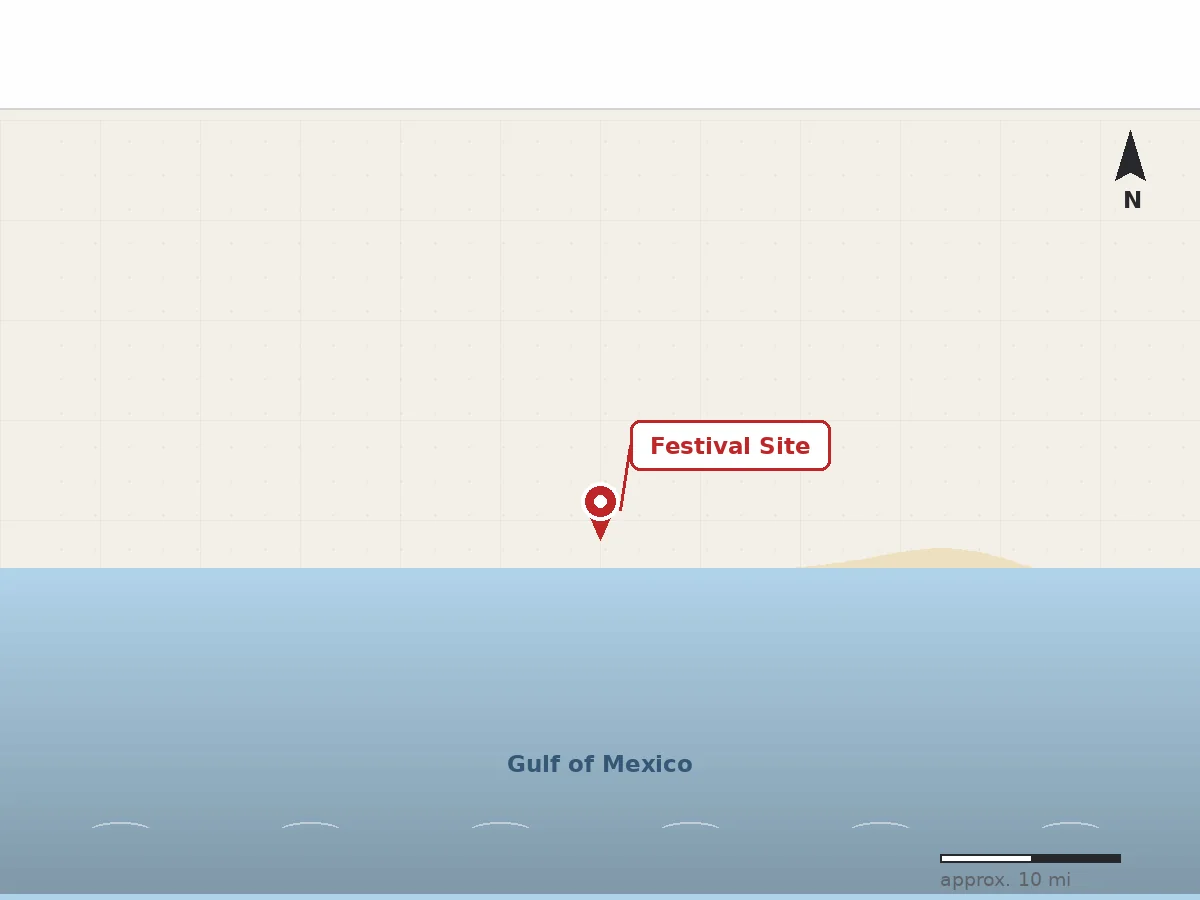
The Christian County Fair takes place in the Christian County area around Taylorville, the county seat, in central Illinois.
Christian County Fair Questions, Answered
When does the Christian County Fair usually take place?
It is held during a summer week, most often in July or early August. Because the exact week shifts from year to year, check current local listings before you plan travel around it.
Is the Christian County Fair free to attend?
Admission is typically free, with rides, food and individual vendors charging separately. Budget for the midway and the concession row rather than for a gate fee, and carry cash for the stands that do not take cards.
Is the fair a good outing for young children?
Yes, particularly in the morning. Barns and exhibit halls are calm and shaded early in the day, and the midway is manageable before the evening crowds arrive. Saturday evening is the busiest and loudest stretch of the week, so families with toddlers often plan around it.
How far is Taylorville from Springfield and Decatur?
Both cities are within an easy drive of Taylorville, which makes the fair practical as a day trip from either one. Visitors coming from farther out generally stay in or near Taylorville and treat the fairgrounds as the center of the trip.
Looking Ahead to Future Fair Weeks in Christian County
County fairs survive by adapting, and the Christian County Fair’s future rests on the same things that have sustained it so far: volunteer energy, junior exhibitor participation and support from local businesses and agricultural organizations. Expect the emphasis to stay on family programming, evening grandstand events and the exhibit tradition that gives the week its purpose. Whatever changes, fair week in Taylorville will remain the county’s summer anchor.
Last updated: October 2026
If you go, go with time to spare. The Christian County Fair is not a spectacle to rush through in an hour — it is a week-long habit that a county of small towns and farm families has kept going since the nineteenth century, and the best way to understand it is simply to walk the grounds slowly, eat something fried, and stay for the evening show.



One Comment