Allen County Indiana Allen County Fair Festival
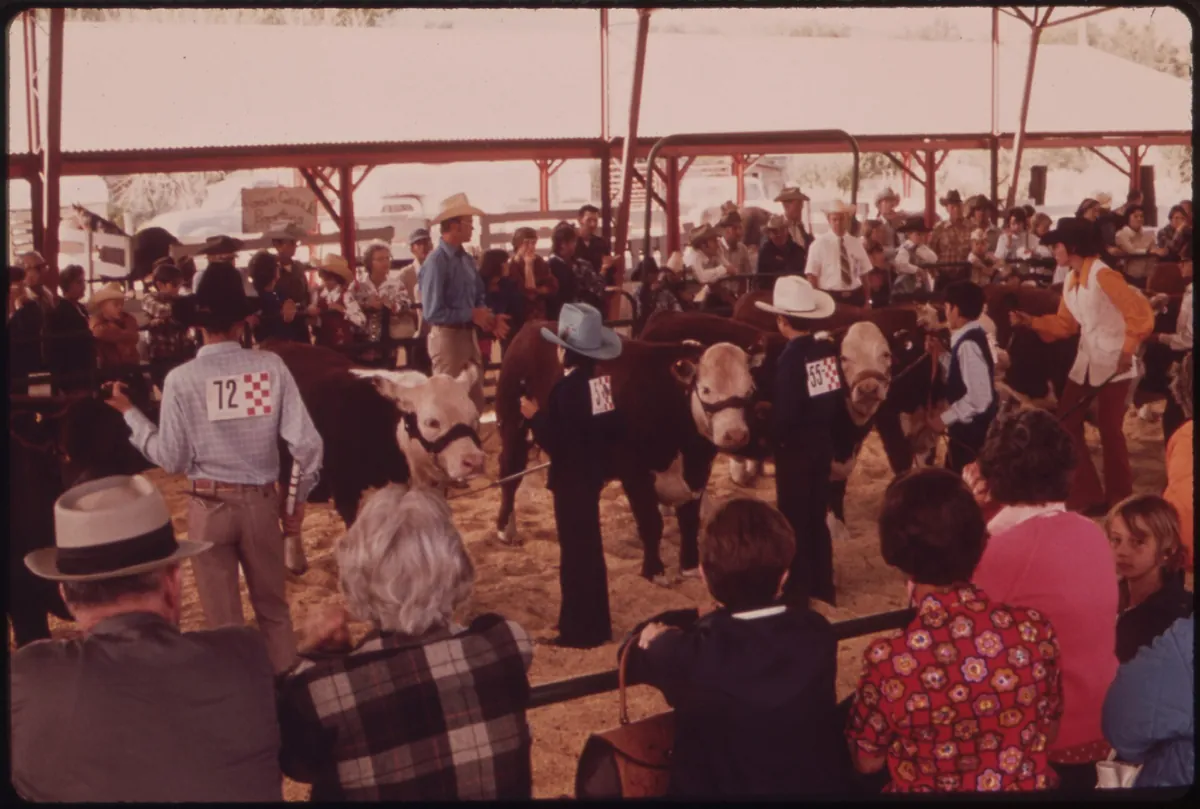
In Allen County, Indiana, summer has a sound: the low hum of a grandstand crowd, the clatter of a livestock gate, and the yell of a kid who just won something stuffed and slightly too big to carry. The Allen County Fair is the kind of event that asks almost nothing of anyone. You show up, you eat something fried, and you run into three people you haven’t seen since last summer.
For families in Fort Wayne and the smaller towns spread across the county’s 660.02 square miles, the fair is less a single outing than a rhythm. People block out an evening. Grandparents take grandkids on a weekday afternoon while the crowds are thin. Teenagers go twice — once with family, once with friends who pretend they were never with family. Nobody posts a schedule on the fridge, because the habit is already there.
Allen County Fair Essentials: Fort Wayne, Population, and the Shape of the County
| Festival | Allen County Fair |
| Area | Allen County area, Indiana |
| County | Allen County, Indiana |
| County seat | Fort Wayne |
| County population | 385,410 |
| County land area | 660.02 square miles |
| Region | Northeast Indiana |
| Typical timing | Summer, in most years during July or August |
| Admission | Generally free entry, with individual attractions priced separately |
| Setting and features | Fairgrounds with grandstand, livestock barns, exhibit halls, midway rides, and fair food |
What the Allen County Fair Is, and Why Fort Wayne Families Circle It
The Allen County Fair is the county’s homegrown summer gathering — a fairgrounds week built around 4-H projects, livestock shows, carnival rides, exhibit halls, and grandstand nights. It belongs to the same tradition that shaped dozens of Indiana county fairs, but it carries the particular weight of a county whose seat, Fort Wayne, is the largest city in northeast Indiana. That means the fair serves two audiences at once: farm families who have shown animals here for generations, and city families who drive out for corn dogs and a Ferris wheel view of the sunset.
Ask around and the habits repeat. Weekday afternoons belong to strollers and seniors. Friday and Saturday evenings belong to teenagers and anyone chasing a grandstand seat. Sunday is for the slow walk-through — barns first, then the exhibit hall, then one last elephant ear before the drive home. Nobody organizes this. It just happens, year after year, the same way.
Allen County was founded in 1824 and named for Colonel John Allen, and the county’s identity has always mixed agriculture with city life. The fair is where those two halves actually talk to each other — over a shared table, a shared grandstand bench, and a shared opinion about which food stand has the best fries.
For another look at how a community turns its own traditions into a gathering, see the Adams County Indiana Berne Swiss Days Festival for a useful comparison.
From 1824 to Now: How the Fair Grew Up With Allen County
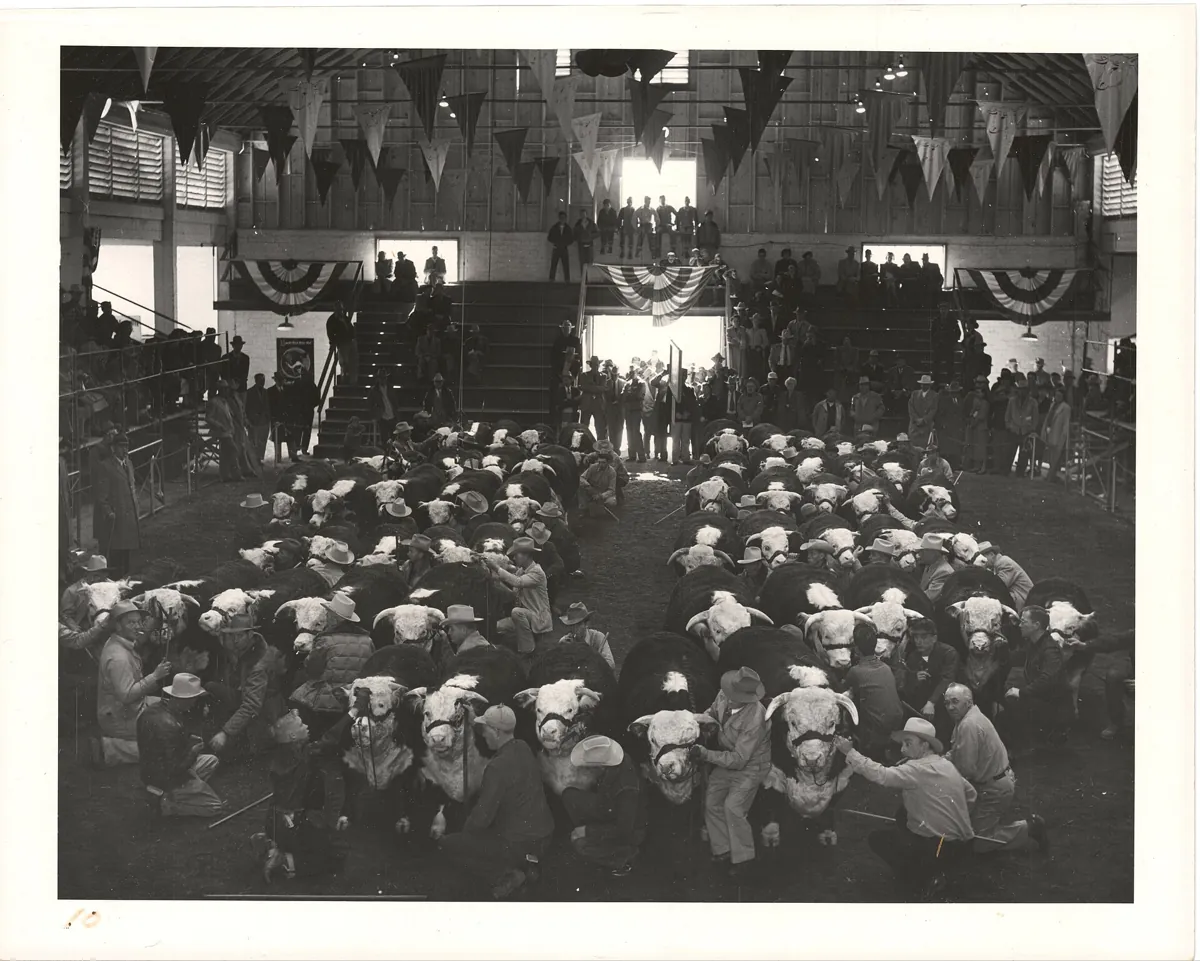
Allen County’s story starts in 1824, when the county was established and named for Colonel John Allen. Fort Wayne became the county seat, and the surrounding townships filled in with farms, mills, and small crossroads communities. County fairs across the Midwest grew out of exactly that mix — agricultural societies wanting a place to compare crops, trade stock, and show off what a season of work had produced.
The Allen County Fair carries that lineage forward. Its earliest form was almost certainly an agricultural exhibition in spirit: pens of cattle, tables of preserved goods, and prize ribbons handed out to people who had earned them the hard way. Over the decades, as Fort Wayne grew into a regional center, the fair added the pieces that draw a broader crowd — a midway, grandstand entertainment, commercial exhibits, and food stands that now define the experience for plenty of visitors.
What has not changed is the structure of the week. Livestock still anchors the mornings. Exhibits still fill the halls with quilts, photographs, vegetables, and school art. Evening still belongs to the grandstand. Longtime residents describe the fair less as a nostalgia trip and more as a fixed point — the one week each summer when the county’s calendar aligns.
How a Fair Day Unfolds Across the Allen County Grounds
The fairgrounds reward a loose plan. Mornings are for the barns, when animals are being washed and fed and the aisles are quiet. Afternoons pull families toward the midway and the exhibit halls. Evenings stack the grandstand, the food row, and the kind of people-watching that only happens once a year.
Fair Food That Allen County Families Plan Their Day Around
Food is the fair’s true common language. Local habit is to walk the entire row once before buying anything, then commit. Tenderloins, corn dogs, funnel cakes, lemon shake-ups, and ice cream are the standards, with church and civic group stands doing some of the steadiest business on the grounds. Regulars have opinions and defend them. The practical move: eat early, before the dinner rush, and save something sweet for the walk back to the car.
Grandstand Nights, Local Bands, and Entertainment Under the Lights
Evenings at the fair lean on the grandstand. In most years, the schedule blends motorsports-style events, music, and family entertainment, with local and regional acts filling out the bill. Beyond the grandstand, there is usually free entertainment scattered around the grounds — a strolling performer, a demo, a contest — which is why so many residents treat the fair as an evening out rather than a single-ticket show.
4-H Projects, Livestock Barns, and Things Kids Actually Remember
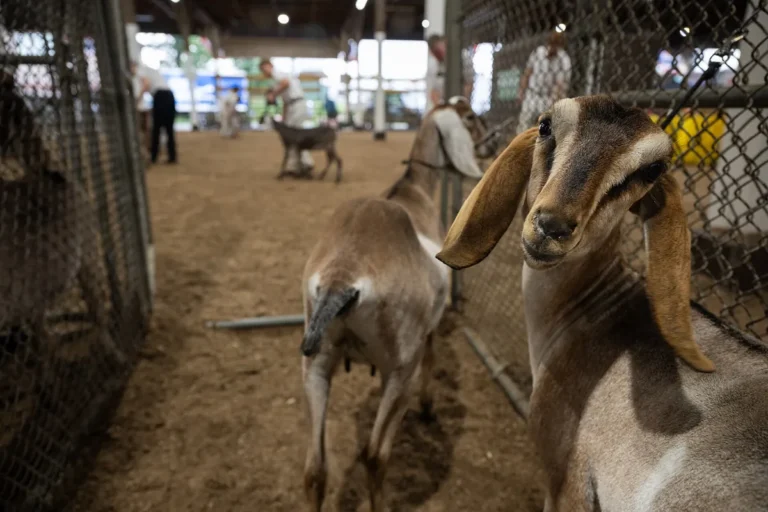
For many Allen County kids, the fair is the first place they ever stood in front of a judge and explained something they made or raised. The 4-H exhibit halls and livestock barns are the heart of that. Families with young children tend to loop the barns first — animals are a guaranteed hit — then hit the rides while energy lasts. Older visitors often come specifically for the exhibits: quilts, canned goods, photography, woodworking, and the quietly competitive vegetable tables.
Planning a Fair Trip From Fort Wayne and Around the County
The Allen County Fair is an easy drive for most of the county’s 385,410 residents, but a little planning turns a good night into a smooth one. Here is how locals approach it.
Getting There From Fort Wayne and Nearby Towns
Fort Wayne sits at the center of the county, and the fairgrounds draw from every direction — New Haven, Huntertown, Leo-Cedarville, Monroeville, Woodburn, Grabill, and the rural townships in between. Most visitors drive, and the trip is short enough that going home mid-evening and coming back the next day is normal. Carpooling with neighbors is a genuine local habit, mostly because it solves the parking question before it starts.
Where to Stay in the Allen County Area
Because Fort Wayne is the county seat and the region’s largest city, most out-of-town visitors stay in the city and drive out to the grounds. Hotel options cluster around the city’s commercial corridors and downtown, and a fair week is a good excuse to pair the fair with a Fort Wayne overnight. Campers and RV owners sometimes plan around the fair schedule, so it pays to book early if your visit lines up with a busy weekend.
Parking on and Around the Fairgrounds
Fairgrounds parking fills fastest on weekend evenings and during grandstand events. Locals arrive early or aim for the shoulder hours — late afternoon on a weekday, or right at opening on a weekend. Expect some walking regardless, and wear shoes you would trust on grass and gravel. If you have mobility concerns, arriving before the rush makes the biggest difference.
Admission, Wristbands, and What Costs Extra
Entry to the fair is generally free, with individual attractions priced separately. That means rides, grandstand events, and some entertainment carry their own costs, while walking the barns, browsing exhibits, and enjoying the atmosphere do not. Budget-minded families often set a cash limit for rides, eat before the midway, and treat the free areas as the main event. Bringing some cash is still smart, since not every stand takes cards.
Summer Heat, Storms, and How Locals Handle Both
July and August in northeast Indiana mean heat, humidity, and the occasional fast-moving thunderstorm. Residents plan around it: mornings and evenings for the barns and rides, the middle of the day for shaded exhibit halls, and water bottles refilled constantly. Sunscreen, a hat, and a light rain layer all earn their space in the bag. If storms roll in, the indoor exhibits become the natural shelter and the schedule may shift.
A Sample Fair Weekend Built From Local Habits
Friday afternoon: arrive mid-afternoon, park without circling, and start in the livestock barns while they are still calm. Wander the exhibit hall, then eat an early dinner from the food row before the lines form. Stay for the grandstand, and leave before the final rush.
Saturday morning: come back for the showmanship and judging, which is when the barns feel most alive. Grab a lemon shake-up and watch a while. Afternoon: rides and games with the kids, then a shaded break in the exhibit hall. Evening: music, food, and a slow lap around the grounds.
Sunday: the quiet visit. Walk the barns one last time, pick up anything you meant to buy from a vendor, and finish with dessert. It is the version of the fair that longtime residents say they like best — same grounds, fewer people, and a chance to actually talk to someone.
How the Allen County Fair Compares With Nearby County Fairs
Neighboring counties in northeast Indiana all hold their own fairs, and each has a distinct personality. Whitley County’s fair, up in Columbia City, feels smaller and more agricultural, with the barns carrying most of the attention. Huntington County’s version leans similarly rural, with a shorter, tighter schedule.
The Allen County Fair sits differently because of Fort Wayne. With a county population of 385,410, it draws a bigger, more mixed crowd — city families alongside farm families — and its entertainment and midway reflect that scale. DeKalb County’s fair, centered on Auburn, lands somewhere in between. Visitors who love one county fair usually end up visiting two or three each summer, comparing tenderloins along the way.
The Allen County Fair Checklist Locals Actually Use
Cash for stands that do not take cards; sunscreen and a hat; refillable water bottles; comfortable shoes for grass and gravel; a light rain jacket for afternoon storms; a meet-up plan if your group splits between the midway and the barns; a set spending limit for rides and games; a phone charger or battery pack for a long day; and a tote bag for exhibit-hall purchases and prize ribbons.
One more item, less tangible: patience with the parking lot at closing time. It is the same every year, and it is part of the ritual.
Beyond the Fairgrounds: Fort Wayne and the Rest of Allen County
Fort Wayne, the county seat, gives a fair visit a second act. The city has a walkable downtown, a well-known minor league baseball tradition, riverfront trails, and a restaurant scene that has grown steadily. Pairing a fair afternoon with a downtown dinner is a common local move.
Outside the city, the county spreads across 660.02 square miles of farmland, small towns, and quiet roads. Grabill, Leo-Cedarville, Monroeville, Woodburn, and New Haven each have their own character, and driving between them is a reminder that Allen County is not just Fort Wayne. The fair is where all of it shows up in one place.
How the Fair Keeps Allen County Connected All Year
County fairs are often described as tradition, which undersells what they actually do. The Allen County Fair is a yearly reset for a county of 385,410 people — a place where the 4-H kid from a township farm and the family from a Fort Wayne neighborhood end up in the same barn aisle, asking the same question about the same goat.
It also does quiet economic and civic work. Local vendors, churches, booster groups, and service clubs rely on fair week. Volunteers staff gates and booths. Kids learn to handle money, animals, and disappointment in public. And the county gets a shared reference point — the thing neighbors bring up in October when they are trying to remember when they last saw each other.
Where the Allen County Fair Sits in Allen County
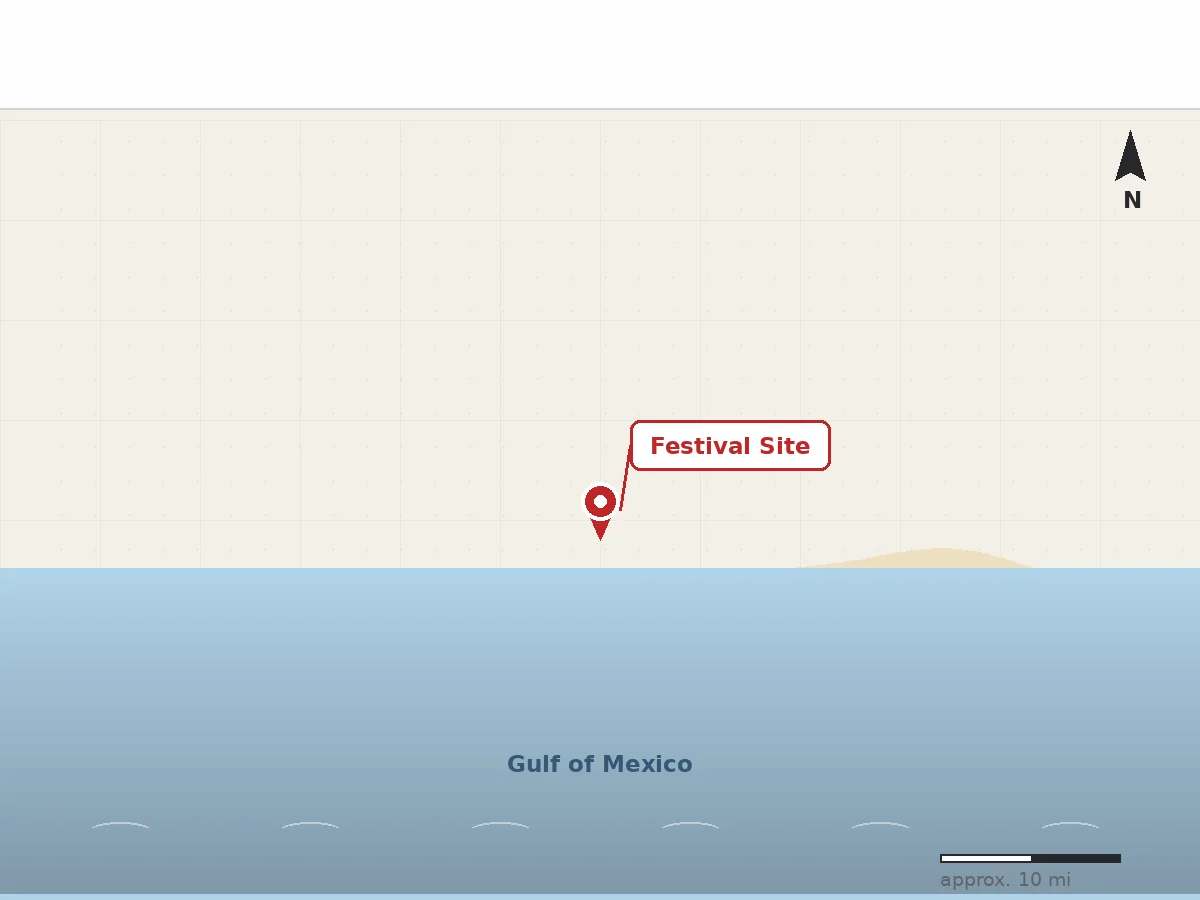
The Allen County Fair takes place at the fairgrounds in the Allen County area of northeast Indiana, with Fort Wayne — the county seat — serving as the main gateway for visitors arriving from across the region.
Straight Answers About the Allen County Fair
When is the Allen County Fair held?
In most years, the fair runs during the summer, typically in July or August, over a span of several days that includes a weekend. Exact dates shift annually, so check the current schedule before planning your trip. Weekday afternoons tend to be the calmest; weekend evenings are the busiest.
Is the Allen County Fair free to attend?
Entry is generally free, with individual attractions priced separately. Rides, games, grandstand events, and some entertainment carry their own charges, while walking the barns, browsing exhibits, and enjoying the grounds do not. Bring some cash for stands that do not accept cards.
What should I bring to the fairgrounds?
Comfortable shoes, water, sunscreen, a hat, and a light rain layer cover most situations. Add cash, a tote bag, and a charged phone. If you are visiting with young children, a stroller handles the grounds well, though gravel and grass sections can be bumpy.
Is the fair a good fit for young kids and older visitors?
Yes, and locals plan around that. Families with small children favor mornings in the barns and early-afternoon rides. Older visitors often prefer weekday afternoons, when the grounds are quieter, the exhibit halls are shaded, and there is room to sit and watch the week go by.
What Comes Next for the Allen County Fair
The fair’s future looks a lot like its past, with some sensible updates. County fairs across Indiana are investing in shaded seating, better accessibility, and more flexible entertainment lineups, and Allen County’s version will likely follow that path as Fort Wayne and the surrounding towns continue to grow.
What will not change is the structure: livestock in the morning, exhibits all day, grandstand at night, and a food row that decides the week for a lot of people. As long as Allen County keeps showing up, the fair keeps its place on the calendar.
Last updated: October 2026
If you only take one thing from all of this, take the habit itself: pick a weekday afternoon or a weekend evening, park once, walk the barns before the midway, and let the fair set its own pace. The Allen County Fair has been part of summers here since long before any of us needed a reason, and it still works best when you show up without much of a plan at all.
One Comment