Power County Idaho American Falls Day Festival
American Falls is a small Idaho town with a very large county wrapped around it. Power County covers 1,443 square miles of the Snake River plain, and its seat, American Falls, is where the county’s shared calendar tends to land each summer for American Falls Day.
If you have never been, start with scale. This is not a gated festival with wristbands and headline acts. It is a town-named day: a parade, a row of vendors, local music, kids running between booths, and neighbors who have not seen each other since the last harvest.
This orientation is written for the first-timer. It covers what the day is, how it fits into Power County’s history, what to eat and hear, where to park, what to pack, and how to stretch the visit into a full weekend.
American Falls Day Essentials for Power County Visitors
| Town | American Falls, Idaho |
| County | Power County — founded January 30, 1913; 1,443 square miles |
| County seat | American Falls |
| Population | Small and rural; the 2020 U.S. Census is the most recent official count |
| Region | Southeastern Idaho, Snake River plain near the American Falls reservoir |
| Typical timing | A summer weekend in most years |
| Admission | Typically free |
| Setting | Open agricultural plain along the Snake River |
| Signature features | Parade, food vendors, live entertainment, family activities |
| Organized by | Local community volunteers and civic organizations |
What Kind of Festival American Falls Day Really Is
American Falls Day is a community festival organized around the town itself — the kind of event that exists because people spread across a vast county want one day when everyone is in the same place. Expect a parade, a vendor row, live entertainment, family activities, and a great deal of standing around talking.
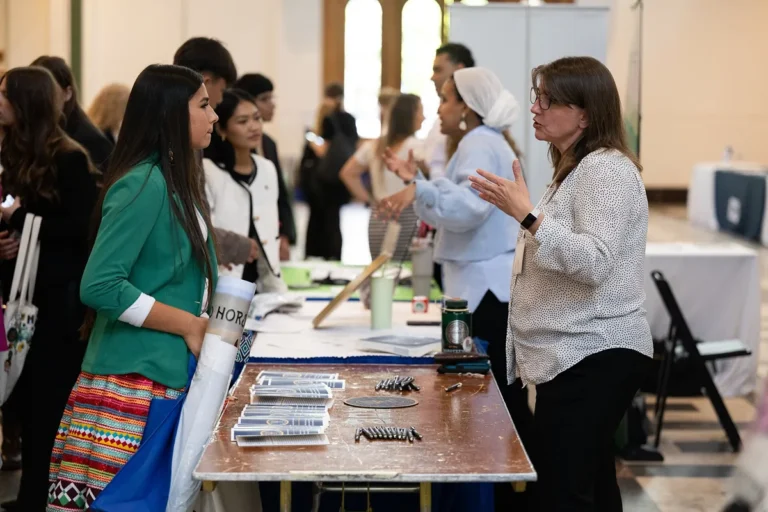
The flavor is civic rather than commercial. Local groups sell the food, local performers take the stage, and the whole thing is compact enough to walk without a map. The county seat setting matters: American Falls already functions as the gathering point for smaller communities around it, and festival day doubles down on that role.
What it is not: a multi-day fairground with grandstand concerts, or a ticketed event. Admission is typically free, and the money you spend goes to vendors and local organizations rather than a gate.
Because Power County is rural, the festival has a particular rhythm. You will see the same faces more than once. Bring patience for parking and a willingness to talk to strangers; that is the actual programming.
From a 1913 County to a Town-Wide Day in American Falls
Power County was created on January 30, 1913, and American Falls was named the county seat — a designation that gave the town the courthouse, the records, and the role of gathering place for a county that stretches across more than 1,400 square miles of southeastern Idaho.
The county’s geography shaped everything that followed. The Snake River, its reservoir, and the irrigated farmland around it made this a working landscape of fields, canals, and small towns connected by highway rather than density. In a place like that, celebrations serve a practical purpose: they are how a scattered population stays in touch.
Town-named days grew out of that habit. A county fair serves agriculture; a town day serves identity. It gives residents a reason to line the main street, gives local groups a fundraising opportunity, and gives people who moved away a date to come home for.
The festival’s modern form reflects the county’s modern facts. Power County’s most recent official count, from the 2020 census, describes a small rural population, and the day’s scale matches: walkable, affordable, family-first, and finished by evening.
What to Expect on the Ground in American Falls
The shape of the day will be familiar to anyone who has attended a small-town festival in the rural West. The details are Power County’s own.
Food and Drink: Vendor Rows, Bake Sales, and County Cooking
Expect vendor trailers and local organization booths — grilled food, fry bread, burgers, snow cones, and the sort of bake sale table that only exists at community events. Prices are usually modest, and cash helps even where cards are accepted. If you have dietary restrictions, eat before you arrive or bring something along; small festivals rarely offer the variety of a city food hall.
Music and Entertainment: Local Talent on a Small Stage
Entertainment tends to be local and informal — musicians on a flatbed or small stage, school groups, dance teams, and announcements from whoever holds the microphone. The parade is usually the anchor of the day. Expect country, classic rock, and community performances rather than touring acts, and bring a folding chair if you want a guaranteed seat.
Family Activities: Why Kids Do Well at American Falls Day
This is a genuinely kid-friendly festival because everything sits close together and little of it is expensive. Expect games, inflatables or similar activities in most years, face painting, and open space where children can run. The main hazards are heat, sun, and traffic near the parade route. Strollers work fine on flat ground, and older visitors do well too because the walking distances are short.
Planning a First Visit from Outside Power County
Reaching American Falls takes a little planning because the town sits in a rural county with limited services. None of it is difficult, but a few decisions made in advance improve the day.
Getting There: Routes into American Falls
American Falls sits on the Snake River plain in southeastern Idaho, served by the interstate corridor that crosses the region, with Pocatello as the nearest larger city to the southeast. Almost everyone arrives by car, so plan to drive, fuel up before you reach town on a busy day, and expect slow traffic near the parade route.
Where to Stay: American Falls, Pocatello, and Points Between
Lodging in a town this size is limited, and festival weekends fill what exists early. Options typically include small motels, RV parks, and a handful of rentals in and near American Falls, with a much larger supply of chain hotels in Pocatello. If you are coming from out of state, book ahead and treat Pocatello as your base.
Parking: What to Expect in a Town This Size
Parking is street-based and informal. Expect to park on side streets and walk a few blocks, and expect those blocks to fill quickly around the parade and midday. Avoid driveways and private lots, follow any temporary signage or volunteer direction, and arrive early — that is the single best parking strategy.
Admission and Costs: What You Will Actually Spend
Admission to American Falls Day is typically free. Your spending will be food, drinks, raffle tickets, small items from vendors, and donations to local groups. Bring cash in small bills because it moves faster at booths, plus a card as backup.
Weather: Dressing for a Snake River Summer
Summer here means hot, dry afternoons, strong sun, and cool evenings once the sun drops. Bring a hat, sunglasses, sunscreen, and a refillable water bottle, and add a light jacket for later. Wind is common on the open plain, so secure hats and paper plates. If a thunderstorm builds, shelter in a building rather than under a vendor canopy.
A Sample American Falls Day Weekend, Loosely Scheduled
Friday evening: arrive in American Falls or Pocatello, check in, and drive the route into town so you know where you are going. Eat locally, then get an early night.
Saturday morning: get into town before the crowds, park on a side street, and claim a parade spot with a folding chair. This is the best hour for photographs and for breakfast before the lines form.
Saturday midday: walk the vendor row slowly. Eat, talk with the groups running booths, and let the kids burn energy in the family area while you listen to whoever is on stage.
Saturday afternoon: explore beyond the main event. Drive out to the reservoir shoreline, visit nearby state park land, or sit in the shade while the day winds down.
Saturday evening: stay for closing entertainment if there is any, or head to dinner — many visitors drive to Pocatello for a wider choice of restaurants and hotels.
Sunday morning: take the long way home. The county’s back roads, the river, and the farm country are the reason the drive is worth it.
How American Falls Day Compares to Nearby Idaho Weekends
It helps to know the neighborhood. American Falls Day is a small-town, single-day, free-to-enter event centered on one community, while the larger cities within a short drive host events with more stages, more vendors, and bigger crowds.
Pocatello, the region’s biggest city to the southeast, offers a full slate of summer events plus more lodging and dining, which makes it a natural base rather than a rival. Blackfoot, north of American Falls, is another county-seat town with its own agricultural identity and summer traditions, and Idaho Falls, further northeast along the Snake River, has a larger downtown and a busier festival calendar.
The honest comparison: for headline concerts and carnival rides, drive to the bigger cities. For a parade you can watch from a folding chair and a county seat that feels like one, American Falls Day is the more memorable choice.
First-Timer’s Checklist Before You Leave for American Falls
| Cash in small bills | Booth lines move faster; some vendors take cards, some do not |
| Folding chairs | Seating and shade along the parade route are limited |
| Sun protection | Hat, sunglasses, sunscreen for a dry high-desert afternoon |
| Refillable water bottle | Heat and walking add up faster than you expect |
| Light jacket | Evenings cool off quickly on the open plain |
| Parking plan | Arrive early, park on side streets, walk a few blocks |
| Kids’ gear | Stroller, snacks, and a change of clothes |
| Charged phone or camera | The parade and reservoir views are worth it |
| Lodging booked ahead | Small-town rooms fill on festival weekends |
| Patience | It is a community event, not a theme park |
Beyond the Festival: Power County and the Snake River Country
Once the parade is over, the surrounding county deserves a few hours. American Falls sits beside the reservoir that gives the area its distinctive shoreline, and the open water draws boaters, anglers, and birdwatchers through the warmer months. State park land along the river offers short hikes, picnic tables, and views of the lava rock country that defines this stretch of plain.
History buffs have plenty to work with. The corridor through southern Idaho carried emigrants west on the Oregon and California trails, and rock formations along the river still show the marks of that traffic. The irrigated farm country is its own scenery, especially in late summer when the fields are tall and the light is long.
Drive time matters here. Power County’s 1,443 square miles are mostly rural, so a “nearby” attraction can be a half-hour of highway. Plan two or three stops rather than a long list, and keep an eye on the fuel gauge between towns.
What One Day a Year Means in a 1,443-Square-Mile County
In a county this large and this sparsely populated, distance defines daily life. Neighbors can be miles away, schools draw from wide areas, and the county seat is where people come for courthouse business and county services. A single day when everyone converges on the same few blocks is not just entertainment; it is infrastructure for a community.
That is why small festivals like American Falls Day survive. They raise money for local groups, give students and performers a stage, and create the casual contact that builds trust in rural places. They also hand newcomers an easy entry point: show up, walk around, and by noon you know people.
Since its founding on January 30, 1913, Power County has been a story of adapting to water, agriculture, and distance. The festival is a lighthearted expression of something serious — that a place with more square miles than people still needs a day to be a town.
Where American Falls Day Happens on the Map
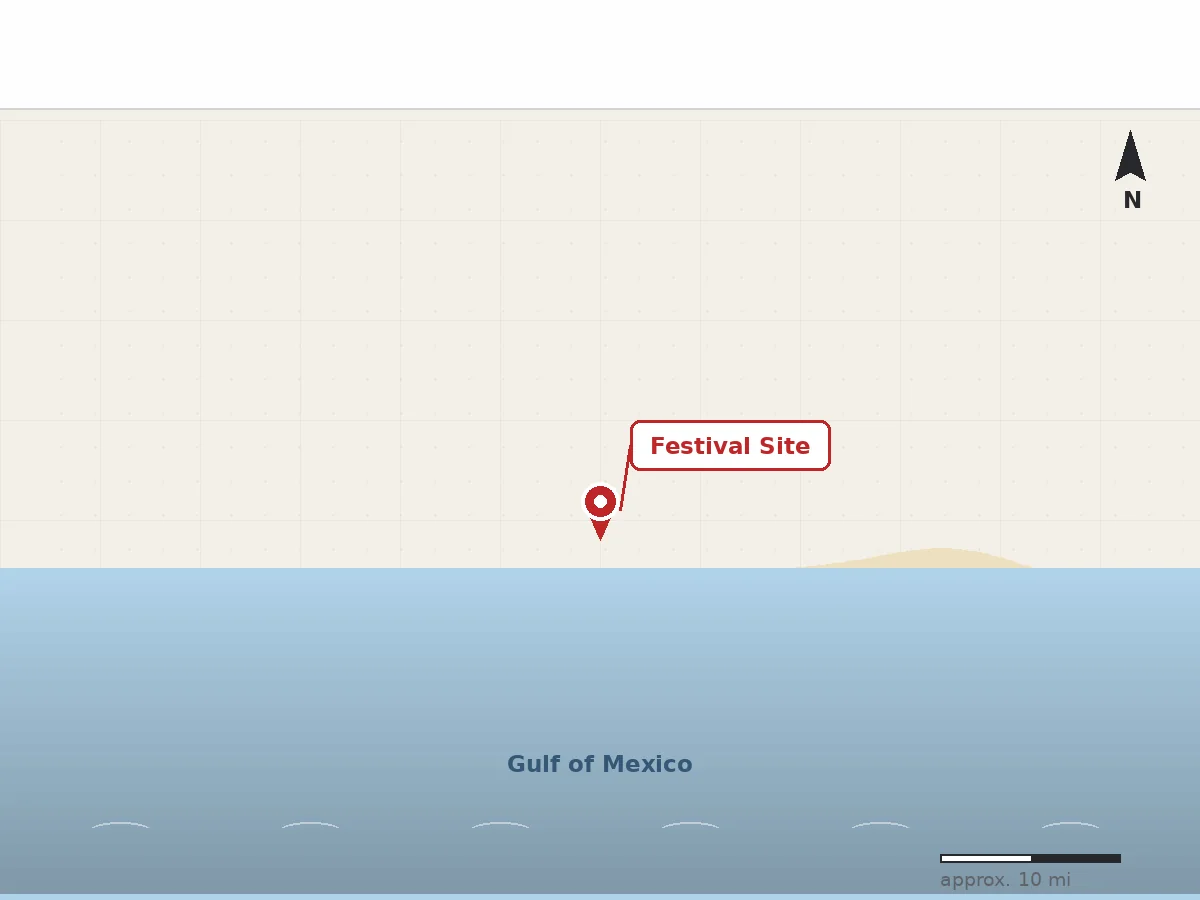
American Falls Day takes place in and around American Falls, the county seat of Power County, Idaho, on the Snake River plain in the southeastern part of the state.
American Falls Day: First-Timer Questions, Answered
Is American Falls Day free to attend?
Admission is typically free, and most of what you spend goes to food, drinks, and local fundraising booths. Bring cash in small bills with a card as backup, and set a modest budget rather than worrying about tickets.
Do I need to arrive early?
Yes, if parking and a parade seat matter to you. Traffic builds through the morning, side streets fill first, and the best shade disappears quickly. Arriving well before the main events lets you park, walk in, and settle without stress.
Is the festival suitable for young children and older visitors?
Both do well here. The grounds are compact and flat, walking distances are short, and there is usually a family activity area. Bring sun protection and water for kids, and remember that heat, not crowding, is the main thing to manage.
What if I am coming from out of state?
Base yourself in the Pocatello or Idaho Falls area, book lodging ahead, and treat the festival as the anchor of a two-night trip. The surrounding county has reservoir shoreline, state park land, and open farm country, so the drive is part of the experience.
The Next American Falls Day and the Years Ahead
The festival’s future looks like its past: a volunteer-driven town day that grows slowly and stays affordable. As Power County’s population remains small and spread out, the value of a single gathering day does not shrink — if anything, it grows.
The likely changes are practical rather than dramatic: more vendors, better signage, more attention to shade and water as summers run hotter, and continued reliance on local groups to run the food and activities. The format should stay recognizable.
If you are planning ahead, watch for announcements from the town and county as the season approaches, and keep your weekend flexible. Timing shifts from year to year, and the best trip is built around a season rather than one fixed date.
Last updated: October 2026
American Falls Day will not try to impress you with scale. It will hand you a parade, a plate of food, a stretch of shade, and a few hundred people who are glad you came. In a county of 1,443 square miles, that is a lot to fit into one day — and it is the reason first-timers so often come back the following summer.