Kauai County Hawaii Kauai Chocolate & Coffee Festival

By mid-morning the trade winds have already pushed the clouds off the mountaintops, and one family from Lihue has staked out a patch of shade with two folding chairs, a cooler, and a canvas tote that will not stay empty for long. Their oldest daughter is on a first-name basis with the woman pouring cold brew. Their son is negotiating for a second square of dark chocolate. Their grandmother has found a bench and is explaining, to anyone who will listen, why island-grown cacao tastes different from anything sold in a mainland grocery aisle.
This is what the Kauai Chocolate & Coffee Festival looks like from the inside — not a trade show, not a corporate expo, but a county fair for the senses, held in the Kauai County area and built around two crops that have quietly become part of the island’s agricultural identity. Following a single family through one day is the simplest way to understand how the weekend works, what it costs, and why so many residents treat it as a standing date on the calendar.
Kauai County Essentials Behind the Chocolate and Coffee Weekend
The festival sits inside a county that is larger in land than many visitors expect and small enough in population that the event feels like a neighborhood gathering. The essentials, in one place:
| Town / place | The Kauai County area, Hawaii |
| County | Kauai County |
| County seat | Lihue |
| Population and land area | 73,298 residents across 1,266 square miles |
| County founded | 1905 |
| Region | Hawaiian Islands — Kauai |
| Typical timing | A single weekend, once a year; the season shifts from year to year |
| Admission | Typically free to enter; vendors sell food, drink, and goods |
| Setting and features | Open-air, market-style grounds with tastings, live music, and family activities |
| Organizer | Local growers, roasters, chocolatiers, and community volunteers |
Cacao, Coffee, and Community in the Kauai County Area
Strip away the tents, the string lights, and the banners, and the festival is a simple idea: put the people who grow, roast, and grind Kauai’s coffee and cacao in the same space as the people who drink and eat them. Growers pour samples. Roasters talk about how a wet season changes a bean. Chocolatiers hand over squares and explain why a bar made with island fruit tastes brighter than a mass-market bar.
The event is a Kauai County gathering in the broadest sense. It draws residents from Lihue, Kapaa, Hanapepe, and the north shore, along with visitors who plan a trip around it. With 73,298 people spread across 1,266 square miles, the island rarely puts this many growers in one place, which makes the weekend unusual even for locals.
Because the county government itself dates to 1905, the festival sits at the end of a long agricultural arc — one that moved from large plantation crops toward smaller, diversified farms. Coffee and cacao are part of that shift, and the festival is where that work becomes something you can taste rather than read about.
From Plantation Rows to Festival Tents: Kauai’s Coffee and Cacao Story
Kauai County was formally established in 1905, in the middle of an era when large-scale agriculture shaped almost every valley and flatland on the island. Sugar and pineapple dominated for generations, and the workforce that arrived to tend those fields left a mark on the island’s food, language, and music that is still obvious today.
As those big crops receded, small farms moved into the space they left behind. Coffee found footholds on sunny slopes, and cacao — a fussy, shade-loving tree — found homes where wind and moisture could be managed. Neither crop ever rivaled the old plantation acreage, and that was the point: these were grower-scale operations, run by families and small partnerships.
The Kauai Chocolate & Coffee Festival grew out of that smaller, more personal era of farming. It is less a commemoration than a market day with a story attached — a chance for growers to meet the people who buy their beans, and for residents to see how much of what they drink and eat is produced within the county lines.
What One Family Finds: Food, Music, and Keiki Activities
The day unfolds in a loose rhythm. Mornings are for tasting and talking with growers; afternoons bring music, longer lines, and children running between shade trees.
Tasting Kauai-Grown Chocolate and Coffee
The center of the festival is the tasting. Coffee vendors typically pour small cups and sell beans by the bag, while chocolate makers hand out samples ranging from single-origin dark bars to confections mixed with island fruit, macadamia nuts, or sea salt. Expect to pay vendors directly for whatever you take home; the festival itself is generally free to enter. The family in our story spends its money in small increments — a bag of beans here, a bar there, a cold brew for the walk back to the car. Ask questions. Growers and roasters are usually happy to explain how a dry summer or a wet winter changes what ends up in the cup.
Music and Entertainment Between the Booths
Live music anchors the middle of the day, with local performers working through slack key, contemporary Hawaiian, and acoustic sets that carry across the grounds. Between sets, the entertainment is whatever is happening at the next table: a roasting demonstration, a chocolate-tempering talk, a raffle. Families spread blankets and let the music set the pace rather than the other way around.
Keiki-Friendly Activities for Younger Visitors
Children are not an afterthought here. Keiki activities typically include hands-on stations where kids handle cacao pods, compare beans, and learn where chocolate actually comes from — a lesson that lands differently when it ends in a taste. Shade, open grass, and short lines make the day manageable for families with toddlers, and the mood stays relaxed enough that a spilled cup is not a crisis.
A Sample Weekend Itinerary Built Around the Festival
A festival weekend works best when the event is the anchor and the island fills the rest.
Friday: Land at Lihue, collect a rental car, and settle in. Spend the late afternoon walking around the county seat, eat an early dinner, and pick up a small cooler and a reusable water bottle. Both will earn their keep the next day.
Saturday: Arrive at the festival grounds in the morning, before the heat and the longest lines. Start with coffee, move to chocolate, then circle back for anything you talked yourself out of on the first pass. Break for lunch from a vendor, find shade, and let the kids work through the activity stations while the music plays. Leave mid-afternoon and spend the evening near the water.
Sunday: Step out of festival mode entirely. Drive west toward Waimea Canyon and the lookout points along the rim, or head north to Hanalei and the beaches beyond. Either direction passes farms and roadside stands, which keeps the weekend’s theme going without standing in line.
Monday, if you have it: A slow morning, a final coffee, and a stop at a farmers market or a shop selling island-grown beans before the flight home.
Planning the Trip: Kauai County Logistics for Festival Weekend
Logistics on Kauai are simpler than on Oahu or Maui, but the island’s size still matters — 1,266 square miles means a drive across the county can take well over an hour.
Getting to the Kauai County Area
Most visitors fly into Lihue, the county seat and the island’s main air gateway, then rent a car. Buses and shuttles exist, but a rental makes the festival far easier, especially if you plan to explore before or after. Book early; inventory is limited on busy weekends.
Where to Stay: Lihue, Kapaa, or Poipu
Lihue puts you closest to the airport and the county’s central services. Kapaa and the east side offer a middle ground with more casual dining, while Poipu and the south shore lean resort-style. North shore rentals around Hanalei and Princeville are beautiful but add a long drive on festival day.
Parking and Getting Around
Expect parking near any large outdoor gathering to fill quickly. Arrive early, carpool if you are traveling with a group, and be patient with the lots. If your lodging is close enough, walking or a short rideshare is the least stressful option.
Admission, Costs, and What to Budget
Admission is typically free, with vendors selling coffee, chocolate, food, and crafts directly. Budget for samples, a bag or two of beans, and a meal. Cards and cash are both commonly accepted, but carrying some cash is never a bad idea at an outdoor market.
Weather and What to Pack
Kauai is green for a reason. Expect warm days, steady trade winds, and passing showers that arrive and disappear within minutes. Pack sunscreen, a hat, a light rain shell, and shoes that can handle damp grass. A tote bag and a water bottle round out the kit.
Kona, Koloa, and Hanalei: How Other Island Events Compare
Kauai’s festival is not the only coffee or agricultural celebration in Hawaii, and comparing a few options helps set expectations. The Kona Coffee Cultural Festival on Hawaii Island is the best known of the coffee events, with a longer schedule and a heavy emphasis on the Kona growing region. Kauai’s version is smaller, more casual, and easy to walk in an afternoon.
Closer to home, Koloa Plantation Days on the south shore celebrates the plantation era with food, music, and history, while Hanalei’s north shore gatherings lean toward taro, farming, and community life. If your trip is flexible, pairing the chocolate and coffee weekend with one of these gives you two very different views of Kauai County’s agricultural identity.
Packing and Prep List for a Kauai Festival Weekend
Book flights and a rental car first. Lihue is the entry point, and cars go fast on event weekends.
Reserve lodging early in Lihue, Kapaa, Poipu, or the north shore, and confirm whether parking is included.
Pack layers for wind, a light rain jacket, reef-safe sunscreen, a hat, and a refillable water bottle.
Bring a tote or small cooler for chocolate, which does not enjoy a hot car, and for beans you plan to carry home.
Carry cash for small vendors, keep a card as backup, and set a loose budget for tastings and gifts.
Beyond the Festival: Lihue, Waimea Canyon, and the Rest of Kauai County
The festival is a doorway, not the whole trip. Lihue, the county seat, is a practical base with restaurants, shops, and easy access to both coasts. West of town, Waimea Canyon and the Kalalau Lookout deliver the island’s most dramatic views, and the drive itself passes small towns worth a stop.
On the north shore, Hanalei and the beaches past it offer a slower day of swimming and shave ice. On the east side, Kapaa and Wailua have waterfalls, kayaking, and a walkable main street. Coffee farms and cacao plots are scattered across the island, and several welcome visitors by appointment — a natural extension of the festival for anyone who wants to see the trees behind the bars.
What This Weekend Means to Kauai County Growers and Families
For growers, the festival is a rare chance to sell directly, hear feedback, and meet the people who drink their coffee every morning. For residents, it is a reminder that a county of 73,298 people can still produce something distinctive and sell it across the island and beyond.
There is a practical side, too. Small farms survive on relationships, and a weekend event builds them faster than any advertisement. The festival also gives younger residents a reason to see agriculture as a viable path rather than a relic of the plantation era — a shift that matters in a county whose economy leans heavily on tourism.
For visitors, it offers something increasingly hard to find: a chance to taste a place, meet the people who made it, and understand that Kauai County’s 1,266 square miles are not just scenery but farmland.
Where the Festival Fits on the Kauai County Map
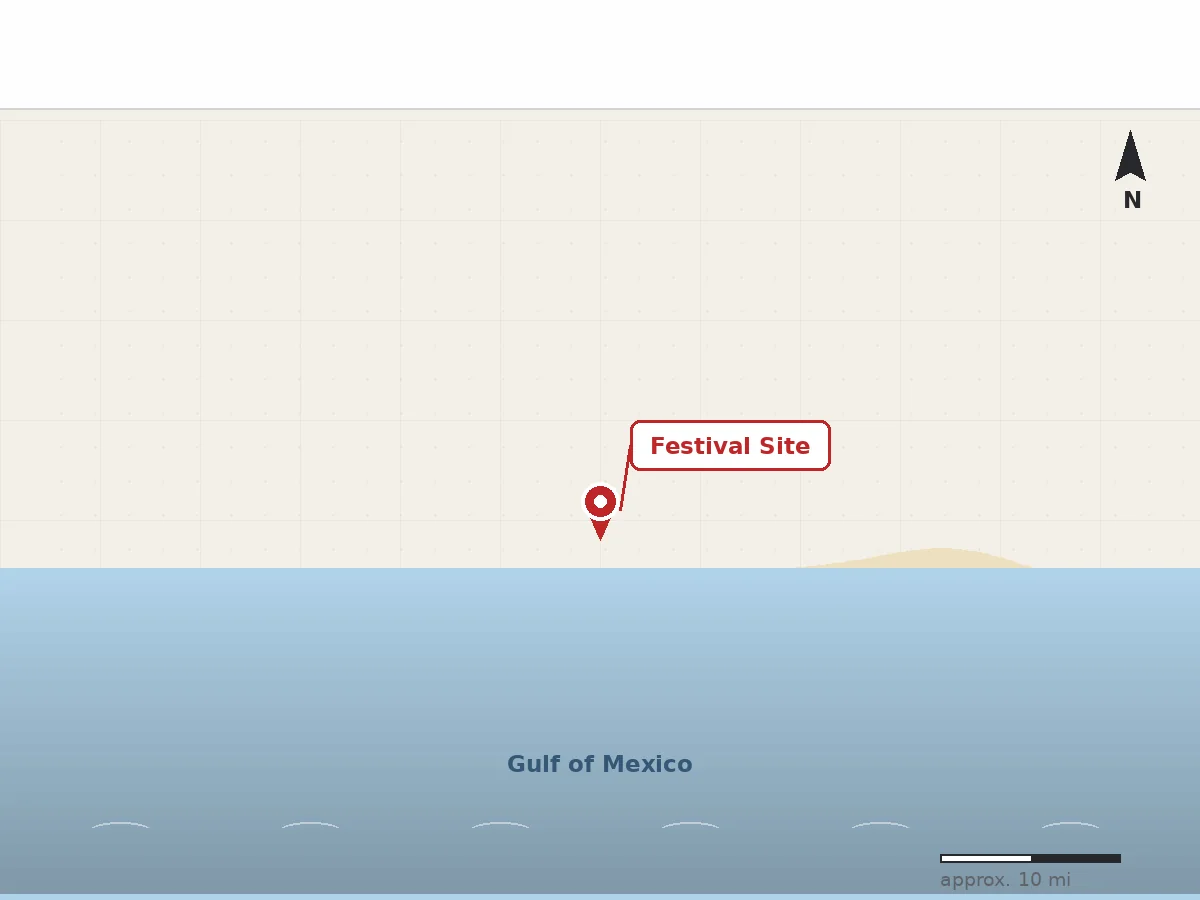
The Kauai Chocolate & Coffee Festival takes place in the Kauai County area, with Lihue — the county seat — serving as the island’s central hub for travelers heading to the grounds.
Straight Answers for First-Time Festival Visitors
Is there an admission fee?
Admission is typically free. You pay vendors directly for coffee, chocolate, food, and crafts, so your total cost depends entirely on how much you taste and take home. Bring a little cash and a card as backup.
Is the festival suitable for children?
Yes. The event is outdoor, relaxed, and generally includes keiki-friendly activities and hands-on stations. Bring sun protection, water, and a stroller if you have a toddler, and plan to head out before the afternoon heat peaks.
When is the best time to arrive?
Early in the day. Crowds build as the morning goes on, parking gets tight, and the sun climbs. Arriving near opening gives you cooler weather, shorter lines, and a better chance to talk with growers.
Do I need a car to get there?
A rental car is the most convenient option on Kauai and makes it easy to combine the festival with the rest of the island. Rideshares and shuttles work in the Lihue area, but service thins out farther from town.
The Next Chapter for Kauai’s Chocolate and Coffee Community
Kauai’s coffee and cacao sectors are still young compared with the island’s plantation past, and the festival reflects that youth: experimental, grower-driven, and more interested in quality than volume. Expect the weekend to keep evolving as new farms come online and more makers experiment with single-origin bars and small-batch roasts.
For travelers, that means the event is worth revisiting. A festival that changes with each harvest is a different experience every year, and the families who return — like the one that spent its morning in the shade with a cooler and a canvas tote — tend to build the weekend into their calendars.
Last updated: October 2026
By late afternoon the shade has moved and the tote bag is full: two bags of beans, three chocolate bars, a jar of something sweet, and a paper cup the youngest has refused to throw away. The family packs up slowly, the music still going behind them, and drives home along the coast with the windows down. That is the whole point of the Kauai Chocolate & Coffee Festival — not a spectacle, but a good day in a county that grows remarkable things.