Kauai County Hawaii Eo E Emalani I Alakai Festival
Each autumn, a grassy meadow in the uplands of western Kaua’i fills with the sound of pahu drums, the smell of rain on native forest, and hula lines moving against a backdrop of ohia and koa. This is Eo E Emalani I Alakai, a cultural gathering that remembers Queen Emma’s 1871 journey into the Alaka’i plateau and the tradition of aloha ‘aina that her trek represents. There are no turnstiles here and no headline acts. There is chant, there is hula, and there is a shared meal in one of the coolest, greenest corners of Kaua’i County.
The county that hosts it is the fourth-largest in land area in the state, covering 1,266 square miles with a resident population of 73,298. Its county seat is Lihu’e, on the island’s east side, and Kaua’i County was founded in 1905. More than a century later, its civic calendar is still shaped by plantation-era towns, family-run businesses, and an unusually strong commitment to Hawaiian cultural practice.
Eo E Emalani I Alakai at a Glance for Kaua’i County Travelers
| Festival | Eo E Emalani I Alakai |
| Town / area | Kaua’i County area, uplands above the westside |
| County | Kaua’i County, Hawaii |
| County seat | Lihu’e |
| County population | 73,298 |
| Region | Western Kaua’i, Koke’e high country |
| Typical timing | Each autumn, in most years during October |
| Admission | Free; no ticket required |
| Setting | Open meadow ringed by native forest, cool and often misty |
| Features | Hula, oli (chant), Hawaiian music, craft and cultural demonstrations |
| Organizer | Community cultural practitioners and volunteers with park support |
What the Festival Honors on the Alaka’i Plateau
Eo E Emalani I Alakai is best understood as a day of practice rather than a day of spectacle. The title itself reads as a call — a chant-like summons that names Queen Emma and the upland plateau she traveled to reach. The program is built around that reference: hula halau from across the islands, oli offered without amplification, mele performed in the open air, and cultural practitioners demonstrating skills that have been handed down rather than staged.
Because it is held in a high meadow rather than a fairground, the festival keeps a deliberately simple footprint. Vendors are limited, the ground is grass and sometimes mud, and the audience sits on the landscape itself. Visitors who arrive expecting a large commercial event are usually the ones most surprised — and most won by the end of the day.
Queen Emma’s 1871 Journey and How the Gathering Grew
In 1871, Queen Emma — widow of King Kamehameha IV — set out from the westside of Kaua’i with a large party of retainers, guides, and companions, climbing from the dry lowlands into the wet upland forest. The route was demanding, the weather unpredictable, and the destination was the Alaka’i, a plateau of bog and mist that few outsiders had seen. Her journey became a story about curiosity, endurance, and a queen’s willingness to walk where her people walked.
Generations later, that story was picked up again. In the later decades of the twentieth century, Hawaiian cultural practitioners and westside families began retracing the route and gathering in the high country to honor it with hula and chant. What started as a commemoration became an annual festival, and the meadow became its stage.
The county’s own timeline runs alongside it. Kaua’i County was founded in 1905, in the middle of the plantation era that reshaped towns like Waimea, Hanapepe, and Koloa. The festival sits at the meeting point of those two histories: the older Hawaiian trail and the newer county that grew up around it.
On the Ground at Eo E Emalani I Alakai
A festival day here has a rhythm. People arrive early, because the road is long and the parking is tight. The program usually opens with protocol — oli and a welcome — and then moves through hula and music across the middle of the day, with craft tables and food running throughout.
Food and Provisions in the Koke’e Meadow
Expect local-style plate food rather than a broad restaurant menu: kalua pork, laulau, chicken long rice, chili and rice, and something warm to drink, because the upland air can be cold. Malasadas and baked goods tend to appear too. Vendor numbers are modest, so lines form and items sell out. Bring cash, bring a refillable water bottle, and consider packing your own snacks as a backup — there are no shops at this elevation.
Hula, Oli, and Hawaiian Music from Across the Islands
This is the heart of the day. Halau travel in to dance on grass, often in mist or wind, and chanters perform without a sound system to carry them. Between dance sets you may hear slack key guitar, ukulele, and group mele. Photographs are welcome at the right moments, but it pays to watch what others are doing: some portions of the program are protocol, and standing or moving during them is not the done thing.
Family-Friendly Activities for Keiki and Kupuna
Children do well here. There is room to run, demonstrations to watch, and hands-on tables where weaving, lei making, and traditional games are taught. Older family members appreciate that the site is compact — you can park, settle, and see everything without a long walk. The main caution is temperature: at this elevation the meadow can be twenty degrees cooler than the coast, and keiki in beach clothes get cold fast.
Planning Your Trip to Kaua’i County for the Festival
Getting to the Koke’e Uplands from Lihu’e and the Westside
From Lihu’e, the drive runs west along the main highway through Hanapepe and Waimea, then turns uphill toward Waimea Canyon and Koke’e. The last stretch is winding, narrow in places, and slow — plan on well over an hour from the county seat before you add traffic. From the north shore the trip is longer and less direct. Fuel up in Waimea or Hanapepe; there is no gas station in the high country.
Where to Stay for an Upland Festival Day
Waimea and Hanapepe put you closest to the climb and keep your morning short. Po’ipu and Koloa offer more resort-style lodging and a wider choice of restaurants, roughly an hour out. Lihu’e is the most convenient base for flights and errands, but it makes for the longest festival-day drive. Wherever you book, reserve well ahead for an autumn weekend.
Parking and Road Notes in the Koke’e Area
Parking near the meadow is limited and fills quickly, so arriving early is the single most useful thing you can do. Carpool if you can. Park only where it is clearly permitted, keep shoulders and driveways clear, and respect private and ranch land along the route. Cell coverage is patchy up here, so download directions before you leave the coast.
Admission, Costs, and What Your Money Actually Supports
There is no admission charge and no ticket to buy. Your real costs are fuel, food, and anything you choose to purchase from craft vendors, who are typically local makers and cultural groups. Bring cash in small bills, since card readers and reliable signal are not guaranteed. If a donation opportunity is offered, it generally goes toward the cultural groups and the logistics of putting on the day.
Weather in the Kaua’i High Country and What to Wear
This is a wet, cool upland environment. Rain and mist are common, wind can cut across the meadow, and the ground may be muddy underfoot. Dress in layers, add a waterproof shell, and wear closed shoes with grip rather than sandals. Sunscreen still matters at elevation on clear days. Check road and weather conditions the morning you go, and be ready to adjust if the mountain is socked in.
A Sample Festival Weekend in Kaua’i County
Friday: Fly into Lihu’e, collect a car, and drive west. Stop in Hanapepe for galleries and an early dinner, then overnight in Waimea or Hanapepe so your Saturday start is short.
Saturday: Leave your lodging early, climb toward Koke’e, and arrive as parking is still open. Spend the day at Eo E Emalani I Alakai — protocol in the morning, hula and music through the afternoon, food from the vendors, and time at the craft tables. Leave before dusk, since the downhill road is dark and winding. Dinner back on the coast.
Sunday: Return to the uplands in daylight for the canyon overlooks and a short forest walk, or stay low and explore Hanapepe and the westside beaches. Fly out of Lihu’e on a later flight if you can.
How Eo E Emalani I Alakai Compares with Other Kaua’i Events
Waimea Town Celebration, held on the westside in late winter, is the closest cousin in spirit — a community-rooted event with food, music, and plantation-era history, but staged in town at low elevation and far easier to reach. Koloa Plantation Days, which fills the south shore each summer, is larger and more commercial, with parades and organized sports alongside cultural programming. Hanapepe Art Night, a recurring Friday evening gathering, is smaller and more casual, focused on galleries and street food rather than performance.
The practical difference is access. The other three are drive-up-and-park affairs. Eo E Emalani I Alakai asks for a mountain drive, an early start, and a tolerance for weather — and that effort is exactly what gives the day its character.
What to Pack and Prepare for an Alaka’i Festival Day
| Layers and a rain shell | Upland temperatures run far cooler than the coast |
| Closed, grippy shoes | Grass, mud, and uneven ground |
| Cash in small bills | Vendors may have no signal for cards |
| Water and snacks | Few vendors, no shops at elevation |
| Downloaded directions | Patchy cell coverage on the climb |
| Reef-safe sunscreen and hat | Strong sun on clear high-country days |
| A low chair or mat | Seating is on the ground |
| Patience and quiet manners | Parts of the program are protocol |
Beyond the Festival: West Kaua’i and the Canyon Country
Once you have made the climb, the surrounding area rewards a second day. Waimea Canyon’s overlooks are a short drive from the festival meadow, and the forest trails that thread the Koke’e area range from easy boardwalk strolls to long ridge routes into the bog country Queen Emma visited. Further down the hill, Hanapepe offers a walkable main street, a swinging bridge, and working salt pans near the shore, while Waimea town holds the pier and the history of the westside’s plantation years.
On the south shore, Po’ipu and Koloa add beaches, coffee farms, and a different pace entirely. For travelers based in Lihu’e, the county seat makes a practical anchor: flights, rental cars, and a full range of services before you head west.
Why This Gathering Matters to Kaua’i County
Why This Gathering Matters to a County of 73,298
In a county of 73,298 residents spread across 1,266 square miles, cultural events are not abstract. They are the mechanism by which knowledge moves between generations — a halau’s newest dancers learning from kupuna, a chanter teaching a phrase to a child in the grass, a family recipe sold from a folding table. Eo E Emalani I Alakai keeps a specific historical act alive while doing something more practical: it puts Hawaiian practice in front of an audience that includes local families and visitors alike, on land that has not been rearranged for their convenience.
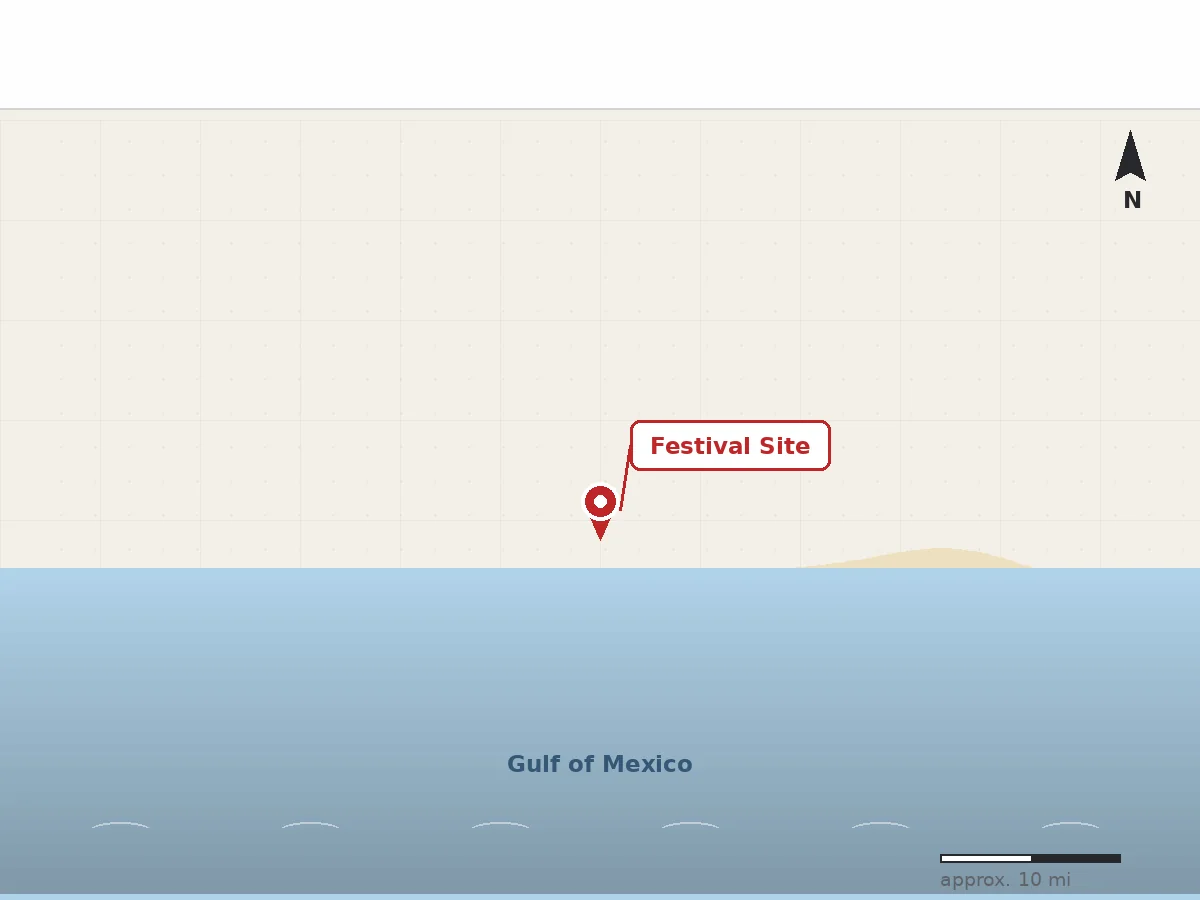
Where Eo E Emalani I Alakai Takes Place
The festival gathers in the high meadow country of Koke’e in western Kaua’i County, reached by climbing from Waimea past the Waimea Canyon overlooks.
Eo E Emalani I Alakai: Answers for First-Time Visitors
Is there an admission fee for the festival?
No. The event is free and does not require a ticket. Your spending is limited to travel, food, and any craft purchases you choose to make, so bring cash and plan to support the vendors and cultural groups who make the day possible.
What should I wear to a high-elevation festival in October?
Think mountain weather, not beach weather. Layers, a waterproof jacket, and closed shoes are the essentials, with a hat and sunscreen for clear spells. The meadow can be misty, windy, and considerably colder than Waimea or Po’ipu on the same afternoon.
Can I bring children or older family members?
Yes, and the setting suits both. The site is compact, so walking distances stay short, and there are demonstrations and hands-on activities for keiki. Just pack warm clothing for children, and bring a mat or low chair for anyone who prefers not to sit on the ground.
How long does the drive take from Lihu’e?
Allow well over an hour for the scenic route west through Hanapepe and Waimea and then up the winding canyon road. Traffic, weather, and the final switchbacks all add time, so leave earlier than you think you need to and refuel before the climb.
The Future of Eo E Emalani I Alakai
The festival’s future looks steady and deliberately modest. It continues to be held each autumn, in most years during October, and it remains community-led rather than commercially scaled — a choice that protects both the cultural protocol and the fragile upland environment. Visitors should expect the same core elements in coming years: hula, oli, craft, food, and a long drive up a beautiful road. What may change is access management, as parking and trail pressure in the Koke’e area continue to grow.
Last updated: October 2026
If you go, go early, dress for weather that belongs to the mountain rather than the coast, and treat the meadow as you would someone’s front yard. Eo E Emalani I Alakai is not built for crowds and does not try to be. It is a chance to stand in the cool high country of Kaua’i County and hear a story that has been carried up that road for more than a century.