Jerome County Idaho Jerome County Fair Festival
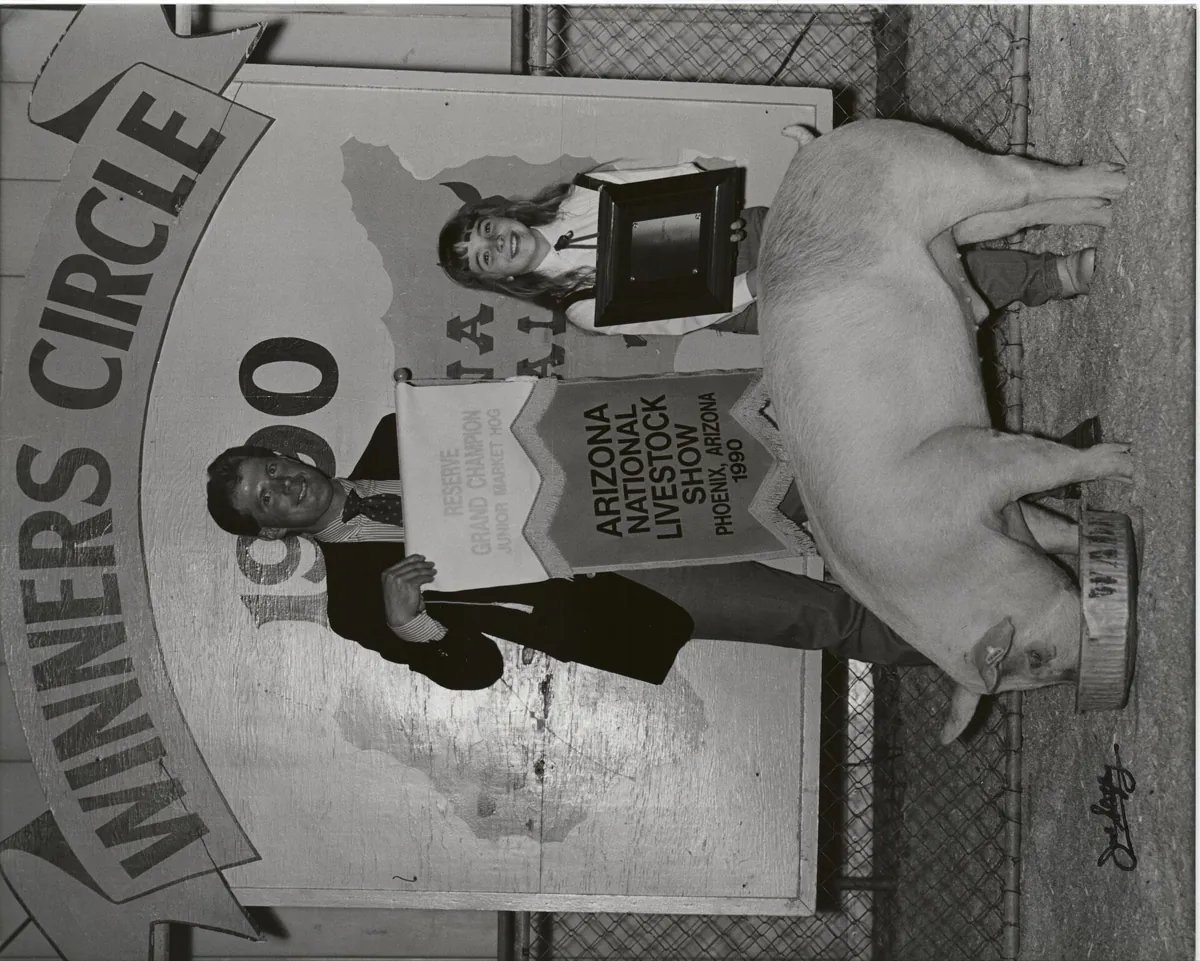
The Jerome County Fair is a seasonal gathering in south-central Idaho, rooted in the Jerome County area and shaped by the rhythms of a rural county. For travelers, it is less about rushing through a checklist and more about timing the drive, choosing a base, packing for high-desert weather, and leaving room for the unexpected. This guide is built for planners who want the logistics settled before the fun begins.
Jerome County Fair Snapshot for Trip Planners
| Town / place | Jerome County area, Idaho |
| County | Jerome County |
| County seat | Jerome |
| Population | Use current U.S. Census estimates for Jerome County |
| Region | South-central Idaho |
| Typical timing | County fair season, often in summer; confirm the current year’s schedule |
| Admission | Typically free; some activities may have separate costs |
| Setting | Rural fairgrounds in the Jerome County area |
| Features | Traditional county fair exhibits, livestock, local vendors, entertainment, and family activities; confirm current listings |
| Organizer | Local Jerome County fair organizers and community volunteers |
What the Jerome County Fair Means in the Jerome County Area
The Jerome County Fair belongs to a county that was founded on February 8, 1919, and stretches across 602 square miles of south-central Idaho. Jerome serves as the county seat, which gives the fair a natural civic anchor. For residents, the event is a chance to see neighbors, celebrate local work, and mark the season together. For visitors, it is an introduction to a place where agriculture, small-town schedules, and family traditions still set the pace.
Like many county fairs, the Jerome County Fair is typically built around exhibits, livestock, food, entertainment, and activities for children and adults. The exact lineup changes from year to year, so the smart approach is to treat the fair as a flexible framework rather than a fixed script. Check current local listings for the year’s schedule, then plan your travel around the general rhythm: daytime exhibits and competitions, afternoon and evening food, and entertainment that carries into the night.
What makes this fair distinct is not a single headline attraction but its setting. Jerome County is large enough to draw from several communities yet small enough that the fair feels connected to the people who live there. That balance is useful for visitors who want a genuine local event without the congestion of a major metropolitan festival.
Jerome County’s 1919 Founding and the Fair Tradition Around Jerome
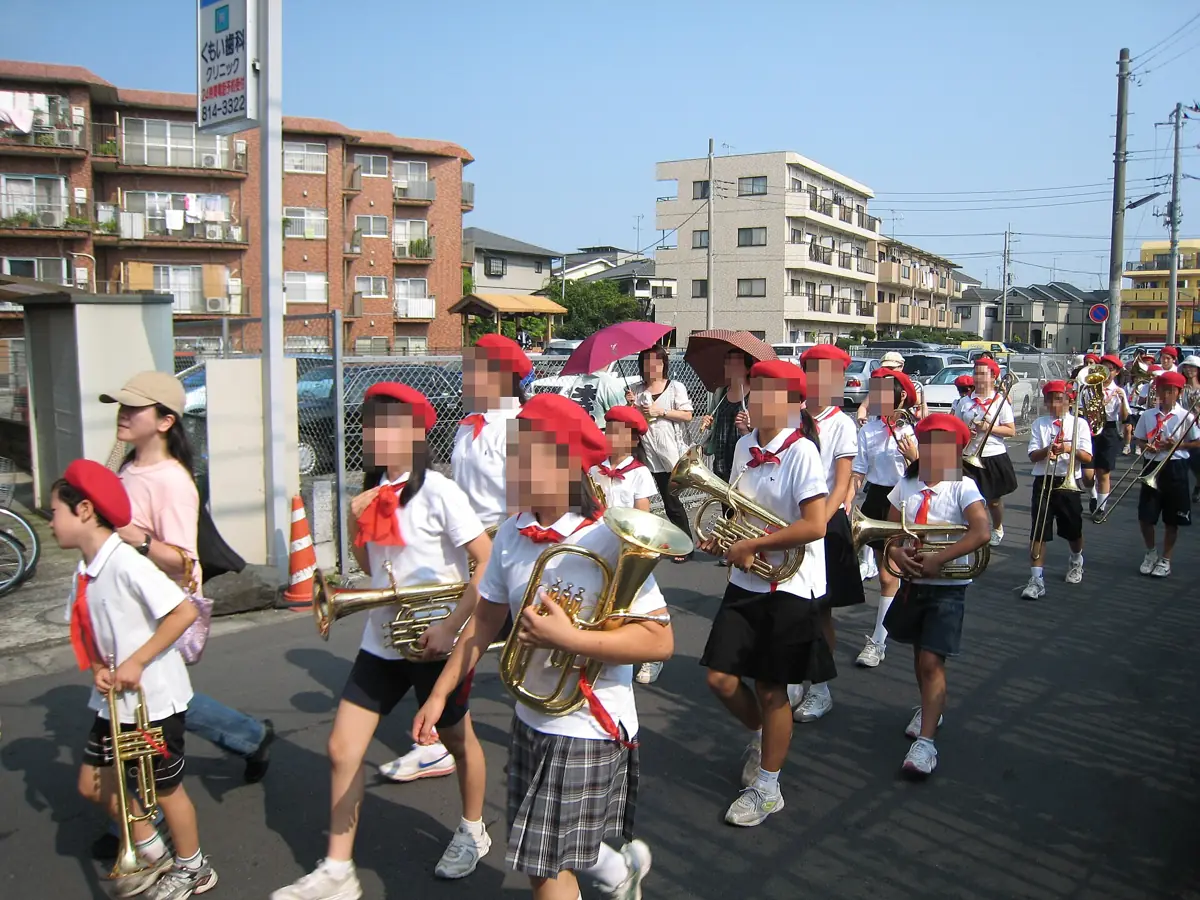
Jerome County was founded on February 8, 1919, during a period when Idaho’s agricultural communities were taking firmer shape. The county seat, Jerome, became the administrative center for a 602-square-mile county. County fairs in this part of Idaho often grew from the same impulse that built granges, school events, and harvest gatherings: bringing scattered rural families together for trade, competition, and social contact.
The documented history of the Jerome County Fair itself should be confirmed with current organizers and local archives, but the broader context is clear. A county fair in a place like Jerome County reflects the needs of a wide, working landscape. It gives youth programs a stage, gives local producers a showcase, and gives residents a shared calendar date that is not tied to any single town’s routine.
Over the decades, Jerome County has changed with irrigation, transportation, and the growth of nearby urban centers, but the fair idea has remained durable. It is a recurring civic ritual: part reunion, part exhibition, part summer night out. That continuity is why the fair still matters to people who may no longer live on a farm but still feel connected to the county’s rural identity.
What Visitors Encounter at the Jerome County Fair
Expect a classic county fair atmosphere in the Jerome County area. The scale is manageable, the focus is local, and the experience rewards people who slow down. The sections below cover the main categories to plan around, but always verify the current year’s details before you go.
Food and Local Vendors in Jerome County
Fair food is one of the main draws, and the Jerome County Fair is likely to offer a mix of concession staples and local vendor options. Think handheld meals, sweet treats, cold drinks, and the kind of food that works while you walk. Because exact vendors change, bring a little cash and a flexible appetite. If you have dietary restrictions, consider eating before you arrive or packing backup snacks, since small fairs may have limited specialized options.
Music, Entertainment, and Evening Programming
Entertainment at county fairs often includes live music, community performances, contests, and evening programming. The Jerome County Fair may follow that pattern, with daytime activities giving way to a more social evening atmosphere. Check the current schedule for performance times, because the best plan is usually to build your day around one or two anchor events rather than trying to see everything. Arrive early for popular shows and leave buffer time for parking and walking.
Family Activities and Fairground Traditions
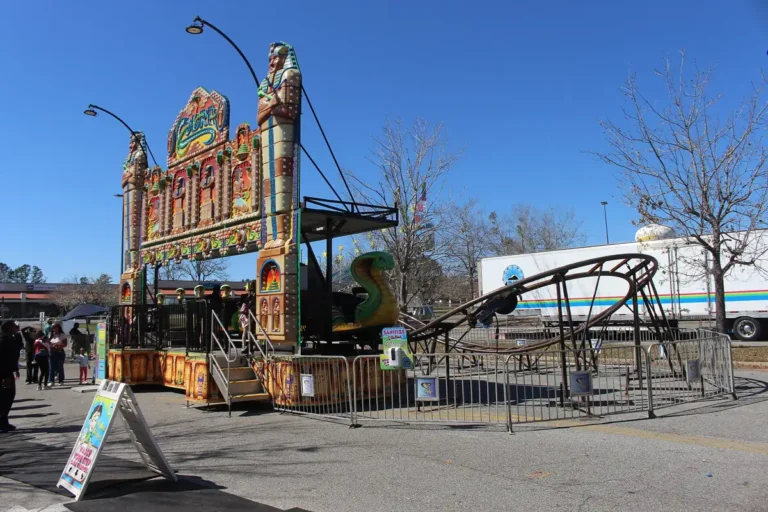
Families can expect the traditional fairground mix: exhibits, animals, games, rides, and hands-on activities. The fair is also a place where local youth showcase projects and livestock, which gives the event an educational edge. If you are visiting with children, plan a slower pace. Pick two or three must-do activities, then let the rest of the day unfold. Comfortable shoes, sun protection, and a refillable water bottle will make a bigger difference than any perfectly optimized schedule.
Planning a Jerome County Fair Trip Without Guesswork
Logistics matter in a county this size. Jerome County covers 602 square miles, and the fair draws from the Jerome County area and beyond. A little planning around travel, lodging, and weather will keep the trip smooth.
Getting There and Navigating Jerome County
Most visitors will arrive by car, which is the most practical way to reach the Jerome County area and move between towns. Use Jerome as your reference point, since it is the county seat. Before you leave, confirm the fairground location through current local sources, then map your route with extra time for rural traffic and turns. If you are coming from a larger regional city, treat the drive as part of the trip rather than a quick errand; services can be spaced out, and cell coverage may vary in open country.
Where to Stay Around Jerome and Nearby Towns
Lodging in and around Jerome may be limited, especially during fair season. Book early if you need a hotel or motel room. Nearby towns can serve as a base, but they add drive time, so weigh the tradeoff between more room options and a longer commute. For a relaxed visit, staying close to Jerome reduces fatigue and lets you return to the fair for an evening session without a long drive back.
Parking and Fairground Access
Parking at county fairs is usually first-come, first-served, with volunteers or staff directing traffic. Arrive earlier than you think you need to, particularly for evening entertainment or weekend peak hours. Carpooling helps. Follow posted signs and staff instructions rather than relying on map apps for the final approach, since temporary closures and one-way patterns are common at fairgrounds. Keep a mental note of your parking area, especially if you stay after dark.
Admission, Costs, and Budgeting
Admission to the Jerome County Fair is typically free, but some activities, rides, food, and vendors may charge separately. Set a simple budget before you go: food, drinks, games, rides, and any souvenirs. Carry small bills and a card, though not every vendor may accept cards. If you are traveling with a group, agree on a spending limit and a meeting point. That prevents the fair from becoming an expensive blur.
Weather and Seasonal Preparation
South-central Idaho can deliver hot days, strong sun, wind, and cool evenings, sometimes all in one fair day. Dress in layers, bring sunscreen and a hat, and carry water. If rain is in the forecast, have a light jacket and footwear that can handle muddy ground. The fair is mostly outdoors, so comfort and flexibility matter more than style. Check the local forecast in the days before your visit and adjust your packing list accordingly.
A Sample Fair Weekend in the Jerome County Area
Day one: arrive in the Jerome area, check into your lodging, and use the late afternoon to get oriented. Head to the fair for food, a walk through the exhibit areas, and an evening entertainment session. Keep the first night simple so you are not exhausted.
Day two: make this your full fair day. Start with livestock and exhibit halls, then catch a demonstration or competition. Break for lunch from a vendor, spend the afternoon on family activities or rides, and return for evening music or programming. This is also the best day to talk with local vendors and learn more about Jerome County.
Day three: if the fair is still running, use the morning for a slower local drive or a visit to Jerome, then make one final fair pass before leaving. If you are heading home, leave before the largest evening crowd to avoid a tired drive. A weekend built this way balances the fair with the surrounding county rather than treating the festival as an isolated stop.
Jerome County Fair Compared With Other Idaho Fair Stops
Compared with a larger regional hub like Twin Falls, the Jerome County Fair is likely to feel more local and less crowded, with easier logistics but fewer nearby lodging choices. Twin Falls can offer more hotel rooms and urban amenities, which makes it a useful base if Jerome fills up. Smaller communities such as Shoshone or Buhl can add a quieter, more rural contrast to a fair weekend, though they may have fewer services.
For travelers, the choice is about pace. Jerome’s county-seat location puts the fair close to the county’s civic center, while a wider southern Idaho loop lets you combine the fair with nearby towns. If your priority is an authentic local event with manageable scale, the Jerome County Fair is a strong anchor. If you need more hotel inventory or nightlife, build your trip around a larger nearby city and drive in.
Jerome County Fair Checklist for a Smooth Visit
Confirm the current fair schedule and location before leaving. Book lodging early if you are staying overnight. Pack layers, sun protection, water, and comfortable shoes. Bring cash for vendors and small purchases. Charge your phone and consider a portable battery. Save a map offline in case coverage is spotty. Arrive early for parking and popular entertainment. Set a meeting point for your group. Check the weather forecast the day before. Leave extra drive time for rural roads. Respect livestock and exhibit areas. Support local vendors and volunteers.
Beyond the Jerome County Fair: Exploring the Jerome County Area
The fair is a good reason to explore Jerome County, a 602-square-mile county founded on February 8, 1919. Jerome, the county seat, is the natural starting point for understanding the area’s layout. From there, the surrounding landscape reflects the agricultural identity of south-central Idaho. Visitors who build in extra time can enjoy a slower look at local roads, small businesses, and the open spaces that define the region.
Because the county is large, do not overpack your itinerary. Choose a few nearby towns or scenic drives rather than trying to cover everything. If you are coming for the fair, let the fair be the main event and treat the rest of the county as a supporting cast. That approach keeps the trip relaxed and makes the local area feel like part of the experience instead of an afterthought.
Why the Jerome County Fair Anchors Local Life
County fairs matter because they are one of the few events that bring an entire county into the same place at the same time. The Jerome County Fair does that for a county founded in 1919 and centered on Jerome. It gives young people a venue to present projects, gives local producers and vendors a market, and gives families a tradition that repeats each year. Volunteers and community groups typically carry much of that work, which is why the fair feels personal rather than corporate.
For visitors, supporting the fair means supporting that local network. Spending at vendors, respecting the grounds, and participating with curiosity all help the event remain viable. The fair is not just entertainment; it is a civic thread that connects the county seat to the wider rural area.
Where the Jerome County Fair Sits in Idaho’s Fair Map
The Jerome County Fair takes place in the Jerome County area of south-central Idaho, with Jerome serving as the county seat.
Jerome County Fair Answers for First-Time Visitors
When is the Jerome County Fair usually held?
The fair is typically held during county fair season, often in summer. Exact dates change from year to year, so confirm the current schedule through local sources before you plan travel. If you are booking lodging, use the general season as your guide and then lock in dates once the fair announces them.
Is admission free at the Jerome County Fair?
Admission is typically free, but some activities, rides, food, and vendors may have separate costs. Bring a small amount of cash and a card, and check current fair information for any updates. Budgeting for extras is the safest approach, especially if you are visiting with children.
Where should out-of-town visitors stay?
Jerome is the most convenient base because it is the county seat and close to the fair’s general area. Nearby towns can offer additional lodging options, but they add drive time. Book early during fair season, and confirm cancellation policies in case the schedule shifts.
What is the best way to experience the fair in one day?
Arrive early, park once, and start with exhibits or livestock while the day is cooler. Eat lunch from a vendor, catch an afternoon activity, and stay for evening entertainment if your schedule allows. Pick two or three priorities rather than trying to do everything. A relaxed pace usually makes for a better county fair experience.
The Jerome County Fair’s Next Chapter in Idaho
The Jerome County Fair’s future will likely depend on the same things that sustain county fairs elsewhere: volunteer energy, local participation, and community support. As Jerome County continues to evolve, the fair can remain a constant — a place where the county’s rural roots and civic life meet. Visitors who plan ahead, spend locally, and respect the fairgrounds help keep that tradition strong for the next generation.
Last updated: October 2026
Whether you are a longtime Jerome County resident or a traveler passing through southern Idaho, the fair rewards a little preparation. Confirm the current details, pack for the weather, book your stay early, and leave room for the small moments that make county fairs memorable. The Jerome County Fair is not a spectacle to conquer; it is a local tradition to join.