Honolulu County Hawaii Ukulele Festival

On a weekend each year, Oahu’s four-string obsession spills out of living rooms and onto a public lawn, and the food usually gets there first. The Honolulu County Ukulele Festival is, on paper, a music event. In practice it is one of the most relaxed eating afternoons on the island, where plate lunch, malasadas, and the smell of a grill share the same patch of ground as a few hundred strummed chords.
This guide is written for the traveler who plans a festival day around what they will eat. It covers timing, transport, parking, weather, costs, and the food culture that makes the event worth building a weekend around.
The Honolulu County Ukulele Festival: Core Details for Visitors
| Town / area | The Honolulu County area, island of Oahu |
| County | Honolulu County, Hawaii |
| County seat | Honolulu |
| Population | 1,016,508 |
| Region | Oahu, Hawaii |
| Typical timing | Annual, held on a weekend; confirm the current year’s date with local listings |
| Admission | Typically free |
| Setting | Open-air island gathering with stages and food stalls |
| Signature features | Ukulele performances, beginner workshops, island food vendors, family activities |
| Organizer | Local music and community organizations; check current listings |
The Honolulu County Ukulele Festival, Explained Through Its Food
The ukulele is small, portable, and cheap enough that almost anyone in Honolulu County can own one — and that accessibility is exactly why the festival works as a food event. When the entertainment is a hundred people playing the same four chords, nobody is sitting still in a chair waiting for a headline set. People wander. They graze. They queue twice at the same stall.
The county itself explains part of the appetite. Honolulu County covers roughly 2,128 square miles and is home to 1,016,508 residents, most of them clustered around Honolulu, the county seat. That density means the festival draws a genuinely local crowd rather than a tourist-only audience, and local crowds demand real food — the kind of island cooking that shows up at family parties, not the airport version of it.
Practically speaking, expect a free, come-and-go afternoon where the music is the excuse and the food is the reason people stay. Bring cash and a little patience, stake out shade early, and treat the lineup as background to a long, slow meal outdoors.
Four Strings, One Island: How the Ukulele Tradition Reached Honolulu County
The instrument arrived in Hawaii in the late nineteenth century with Portuguese immigrants from Madeira and the Azores, who brought small four-stringed relatives of the braguinha and machete. Hawaiians picked them up quickly, adapted the tuning and the playing style, and renamed the thing — roughly, “jumping flea.” Within a generation it had moved from plantation camps into royal courts and then into ordinary homes.
What followed was a long, uneven arc. The ukulele became a symbol of Hawaii in the early twentieth century, faded in and out of fashion on the mainland, and then found a second life through island musicians who treated it as a serious instrument rather than a souvenir. By the time Honolulu County’s festival culture matured, the ukulele was already embedded in school programs, family gatherings, and backyard kanikapila sessions across Oahu.
The Honolulu County Ukulele Festival grew out of that habit rather than out of a marketing plan. Its DNA is the potluck: everyone brings something, everyone plays something, and the point is the gathering itself. That is why the food side of the festival has always felt less like catering and more like a very large, very public family party — a plate in one hand, an instrument case in the other.
A Day at the Honolulu County Ukulele Festival: Food, Music, and Family Time
Island Plate Lunch and the Food Stalls Worth Queuing For
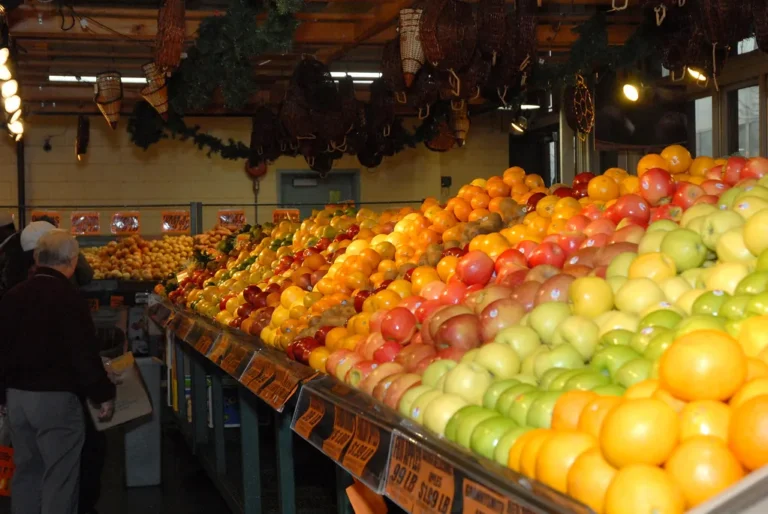
Food is the spine of the day. The vendor lineup leans on the island festival canon: plate lunch with two scoops of rice and macaroni salad, kalua pork, grilled chicken, garlic shrimp, and Spam musubi sold by the handful. Look for malasadas fried to order, shave ice with li hing mui or coconut syrup, and fresh-cut pineapple that costs less than it does anywhere near the resorts.
Two strategies work well. Eat early, in the first hour after gates open, when lines are short and the grills are hottest. Then eat again in the mid-afternoon lull, when the crowd thins out and vendors start moving inventory. If you see a stall with a line of locals rather than visitors, join it — that is usually the best signal on the grounds.
Bring small bills. Cash moves faster than card at island stands, and some vendors will be cash-only. A reusable water bottle matters more than you think; between the sun, the salt air, and the sodium, hydration is the difference between a great afternoon and a headache by three o’clock.
Ukulele Sets, Group Play-Alongs, and Stage Moments
The music runs all day and rarely stops for long. Expect a mix of solo players, small combos, hula accompaniment, and the signature mass play-along where dozens or hundreds of players of wildly different skill levels attack the same song at once. It is not polished. It is genuinely joyful, and it is the moment most first-timers remember.
Beginner workshops are usually part of the program, which means you can borrow a few chords and join in by the afternoon. Bring your own ukulele if you have one; if you do not, listening is a perfectly respectable way to spend the day. Seating is often on grass or folding chairs, so a mat or a low beach chair changes the experience entirely.
Kid-Friendly Grounds and Easy Family Logistics
This is a genuinely easy festival for families. There are no dark rooms, no crushing crowds, and no complicated ticketing. Children can run, dance, and wander within sight. Craft tables, informal lessons, and open lawn space tend to keep younger kids occupied while parents work through a second plate of food.
Bring hats, reef-safe sunscreen, and a change of shirt — kids end up sticky with shave ice syrup within the hour. Strollers handle the terrain fine on paved paths, less so on grass after rain. Restrooms are typically portable or nearby-facility style, so plan accordingly with small children.
Planning Your Trip to the Honolulu County Ukulele Festival
Getting There from Honolulu, Waikiki, and the Rest of Oahu
Honolulu is the county seat and the transport hub for the island, so almost every trip begins there. Rental cars give you the most flexibility, particularly if you want to combine the festival with a North Shore or windward-side food run. TheBus network covers Oahu reasonably well, and rideshare is workable if you are staying in or near Honolulu and do not mind a short walk from the drop-off point.
If you are coming from Waikiki, allow extra time for traffic. Oahu’s main corridors slow down considerably on weekend mornings and again in the late afternoon, and a drive that looks short on a map can double in practice.
Where to Stay in Honolulu County
Waikiki offers the widest range of hotels and the easiest access to food, beaches, and nightlife, at the highest prices. Staying in the broader Honolulu area — near Ala Moana, Kakaako, or downtown — often means better value and a shorter drive to the festival grounds. Vacation rentals and small inns on the windward side, around Kailua, suit travelers who want a quieter base and do not mind driving.
Parking, Traffic, and Getting Around on Festival Day
Parking is the single biggest logistical friction point. Arrive early, expect to walk, and have a backup plan — a nearby street, a paid lot, or a rideshare drop-off. Do not count on circling the block for a spot fifteen minutes before the music starts.
Once you are on site, everything is walkable. That is part of the appeal: you park once, then spend the day moving between stages, food stalls, and shade.
Admission, Food Budget, and What a Day Actually Costs
Admission is typically free, which means your budget is almost entirely a food budget. Figure on a few dollars per snack, ten to twenty dollars for a full plate, and a little more if you are feeding a family. Bring cash, set a rough ceiling, and expect to exceed it — the malasadas are persuasive.
Weather, Sun, and Trade Winds
Oahu weather is warm and generally kind, but festival grounds offer limited shade. Sunscreen, a hat, and sunglasses are non-negotiable. Trade winds can pick up in the afternoon and send napkins, paper plates, and lightweight chairs flying, so weigh down anything loose. Brief passing showers are always possible; a light poncho packs smaller than an umbrella and handles wind better.
A Sample Festival Weekend in Honolulu County
Friday evening. Land in Honolulu, check in, and eat something simple and local — a plate lunch, a bowl of saimin, or poke from a market counter. Sleep early; Saturday starts with traffic.
Saturday morning. Arrive at the festival grounds early, park without drama, and do a full lap before buying anything. Note the stalls with the longest local lines. Eat breakfast number two at the first of them.
Saturday midday. Catch the group play-along, then retreat to shade with shave ice. This is the hottest, busiest stretch of the day. Use it for sitting, listening, and hydrating rather than queuing.
Saturday afternoon. Second food pass as lines shorten. Try the thing you skipped earlier. Stay for the closing sets, then leave before the final rush and eat dinner somewhere quiet near your hotel.
Sunday. Spend the morning on a beach or a short hike, then chase the island’s food further — a farmers market, a bakery, a shrimp truck — before flying home.
How the Ukulele Festival Compares with Other Honolulu County Gatherings
Compared with resort-driven events in Waikiki, the ukulele festival feels markedly more local: lower prices, shorter queues for food, and a crowd that is largely from Oahu. Against the North Shore’s food-truck culture around Haleiwa, it is more organized and more centrally located, though less scenic. And next to the windward side’s quieter Kailua scene, it is busier and louder — a trade-off many visitors happily accept for the sheer concentration of food stalls in one place.
If your priority is eating well on a budget in a single afternoon, this festival is hard to beat. If your priority is scenery, pair it with a separate drive.
Ukulele Festival Packing and Prep List for Honolulu County
Cash in small bills. Reusable water bottle. Reef-safe sunscreen and a hat. Light rain poncho. A mat or low chair for grass seating. A tote for leftovers and trash. A ukulele if you play. A phone charger or battery pack for a long day out. Comfortable shoes you do not mind getting dusty. An empty stomach, deliberately.
Beyond the Festival: Eating and Exploring Around Honolulu County
Extend the trip. Honolulu’s Chinatown is one of the best eating districts in the state, dense with noodle shops, dim sum, and bakeries. Kakaako and Ala Moana cover modern island cooking and market halls. Head windward to Kailua for a slower morning and a good coffee, or north to Haleiwa for shrimp trucks and shave ice after a beach stop.
Farmers markets across the county are worth building a morning around — tropical fruit, plate lunch, and baked goods at prices that undercut resort restaurants significantly. And if you have time for only one non-festival food experience, make it a proper poke counter, ordered the way locals order it.
Why the Ukulele Festival Matters Across Honolulu County
For a county of more than a million people spread across Oahu, shared public gatherings are not a small thing. The festival gives residents a free, low-pressure reason to show up in the same place, and it hands visitors an honest slice of island life rather than a staged version of it. It also keeps a genuinely local art form visible — taught, played, and passed on in the open.
Food does the connective work. When you are standing in line next to someone who has been coming for years, comparing notes on which stall does the best kalua pork, the music stops being a performance and starts being a neighborhood.
Where the Ukulele Festival Sits in Honolulu County
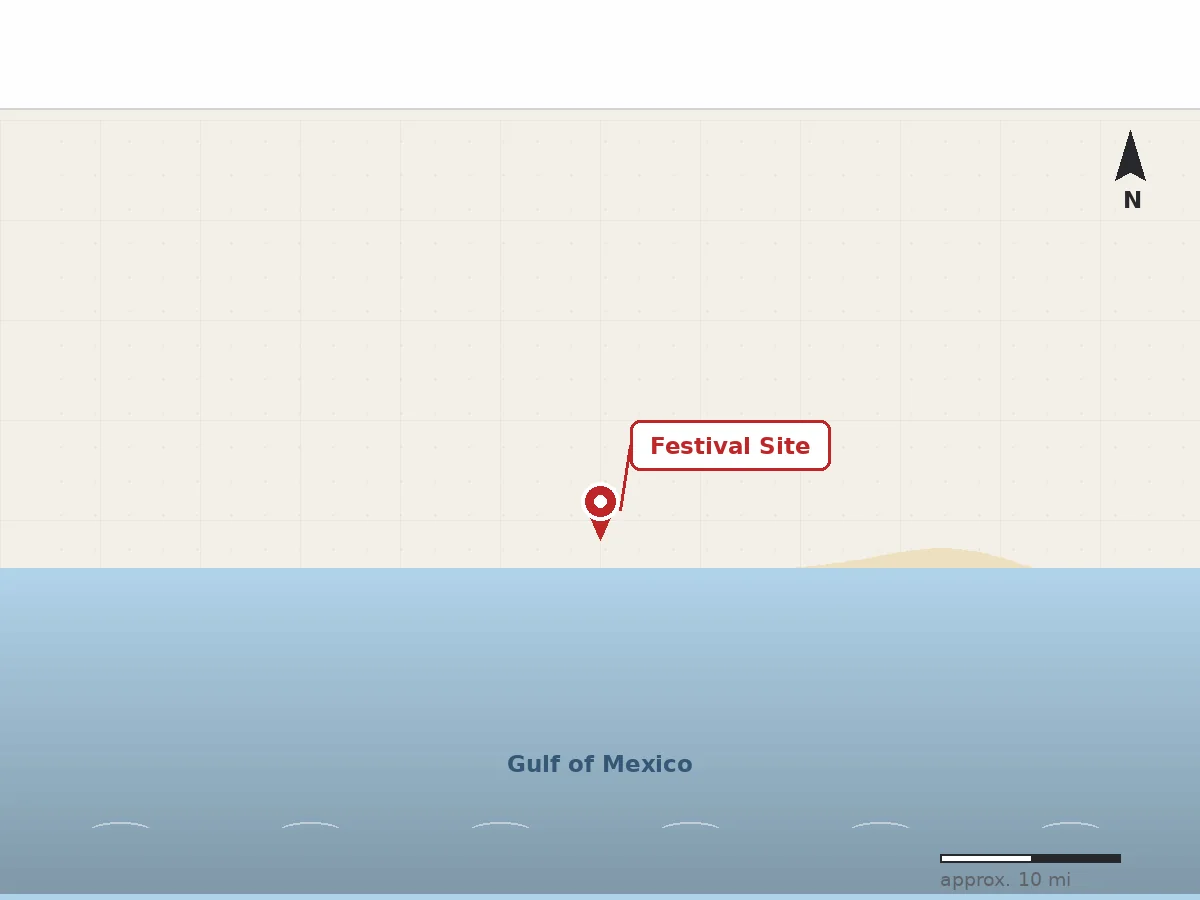
The festival takes place within the Honolulu County area on the island of Oahu, with Honolulu — the county seat — serving as the main gateway for flights, hotels, and ground transport.
Honolulu County Ukulele Festival: Visitor Questions Answered
Is the Ukulele Festival free to attend?
Admission is typically free, and the event is designed as an open community gathering. Your real spending will be on food, drinks, and anything you buy from vendors. Bring cash, since some stalls may not take cards, and check current listings in case anything about the format changes for the year you plan to visit.
Do I need to bring my own ukulele?
No. Plenty of attendees come purely to listen, eat, and watch. That said, bringing an instrument makes the day far more participatory, and beginner-friendly workshops are usually part of the program. If you are traveling without one, you can often find inexpensive ukuleles for sale on the island.
Is the festival a good choice for young children?
Yes. The atmosphere is relaxed, the grounds are open, and there is no pressure to sit still through long sets. Families should bring sun protection, water, and a change of clothes for shave ice accidents. Weekday-style crowds are lighter in the first hour, which is the easiest window for small kids.
What should I eat first?
Start with something grilled while the grills are hot — kalua pork, chicken, or garlic shrimp with rice. Save shave ice and malasadas for the hottest part of the afternoon, when you want to sit in the shade anyway. Follow the longest local line; it is the most reliable guide on the grounds.
The Next Chapter for the Honolulu County Ukulele Festival
The festival’s future looks like its past: community-run, food-centered, and stubbornly free. As Oahu’s population grows and food culture on the island keeps sharpening, expect the vendor side of the event to keep expanding — more local makers, more small kitchens, more reasons to linger past the last set. The ukulele remains the anchor, but the plate is increasingly the draw.
Last updated: October 2026
Come for the music, stay for the food, and leave with sticky fingers and a song you can almost play. That is the Honolulu County Ukulele Festival in full.