Honolulu County Hawaii Punahou Carnival Festival
The Punahou Carnival is one of Honolulu County’s most anticipated annual gatherings — a school-grounds festival that briefly turns a campus in urban Honolulu into a full-scale fairground of food stalls, game booths, and stage performances. For a first-timer, the trick is knowing what kind of event this is: not a commercial expo, not a beach party, but a community-run carnival with decades of institutional memory behind it. What follows is an orientation — timing, layout, costs, food, transport, and how to build a weekend around it — so your first visit feels less like guesswork and more like a tradition you already know.
Punahou Carnival Essentials for a First Honolulu County Visit
Start here. These are the basics a first-timer should have settled before anything else.
| Town or place | Honolulu County area, on the Punahou School campus in Honolulu |
| County | Honolulu County, Hawaii |
| County seat | Honolulu |
| County population | 1,016,508 |
| County land area | 2,128 square miles |
| Region | Island of Oahu, central Pacific |
| Typical timing | A weekend in February, in most years |
| Admission | Generally free to enter; spending happens inside |
| Setting | School campus grounds converted into a carnival midway |
| Signature features | Food booths, games, rides, live entertainment, rummage and plant sales |
| Organizer | The Punahou School community and its volunteers |
What the Punahou Carnival Is, in Plain Terms
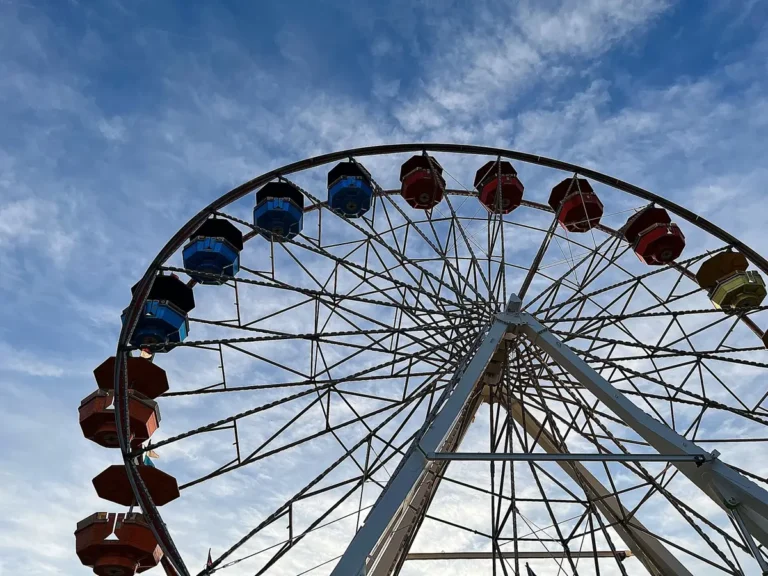
The carnival takes over the grounds of a historic private school in Honolulu for a short, intense run, usually spread across a weekend in February. Classrooms and courtyards give way to booths, walkways become lanes of slow-moving foot traffic, and the smell of frying batter and grilled meat settles over a part of the city that is normally quiet on a weekend morning.
It is a fundraiser at heart. Students, parents, alumni, and neighborhood volunteers staff the stalls, which is why the event feels hand-made rather than commercially polished. Expect food booths, midway games, rides, entertainment stages, and sale tables — plants, crafts, used books, white-elephant oddities — with the inventory shifting from year to year.
Because Honolulu County spans the whole island of Oahu and beyond, with 1,016,508 residents across 2,128 square miles, the crowd is genuinely county-wide. Families from the windward side and the North Shore mix with town residents who simply walk over, and that mix is a large part of the atmosphere.
From School Fundraiser to Honolulu County Tradition
The carnival grew out of the school’s early fundraising culture, when small fairs were staged by students and parents to support programs, activities, and scholarships. What began as a modest campus event gradually expanded into something the wider Honolulu community circled on its calendar.
As Oahu’s population grew and Honolulu County became the state’s urban core, the carnival became a rare thing: a large public gathering that still runs on volunteer labor. Generations of families have worked the same booths, and alumni return as adults to find the layout roughly where they remember it.
That continuity is the story. Fads in food and entertainment come and go, but the structure — students running games, parents cooking, neighbors browsing the rummage tables — has proven durable across decades of change in Honolulu.
What a First-Timer Actually Encounters on Campus
The grounds are compact enough to cover in a few hours but dense enough that you will want a plan. Three things dominate the experience.
Food and Drink: The Real Reason People Line Up
Food is the main draw and the main queue. Expect local plate-lunch staples, grilled meats on skewers, noodle dishes, corn, and the fried-dough treats that island carnivals are famous for — malasadas among them. Portions are generous and prices are set to raise funds, so treat it as a fundraiser you happen to eat your way through. Go early for the shortest lines, and split items with your group so you can sample more than one booth.
Music, Stage Acts, and Campus Entertainment
Live entertainment runs throughout the event, with student ensembles, hula, and local performers sharing stages set up around the grounds. The schedule rotates, so wandering between stages is part of the fun rather than a distraction from it. Sound carries across the campus, which means you are rarely far from music even while standing in a food line.
Family Activities, Games, and Kid-Friendly Zones
This is a genuinely family-oriented event. Game booths with small prizes, rides, and activity areas keep children occupied, and the campus setting means everything is contained within a walkable footprint. Strollers are workable but crowded at peak hours. If you have young children, aim for the earlier part of the day when the heat and the crowds are both milder.
Planning Your Punahou Carnival Visit
Logistics decide whether your first visit is pleasant or exhausting. Honolulu traffic is real, parking near the campus is tight, and February weather can shift within an hour.
Getting to the Honolulu Campus
The campus sits in urban Honolulu, inland from Waikiki and within reach of downtown. If you are staying in Waikiki or the Ala Moana area, the public bus system is a low-stress option, and ride-share drop-offs work well if you accept a short walk at the end. Driving is possible but should be your last choice during peak hours.
Where to Stay Around Honolulu County
Most visitors base themselves in Waikiki, Kahala, or the Ala Moana and downtown districts, all within a short drive of the campus. Staying in town also puts you close to restaurants, beaches, and the rest of Honolulu’s attractions, so you are not making the carnival the only item on the trip. Windward-side stays in Kailua or Kaneohe are quieter but add a mountain crossing to your travel time.
Parking Strategy and Alternatives
On-campus parking is limited and typically restricted during the event, so plan on permitted street parking, a nearby paid lot, or public transport. Arriving in the first hour of the day dramatically improves your odds. Whatever you do, do not count on circling the same block repeatedly — it is the fastest way to sour a good afternoon.
Admission, Scrip, and What Things Cost
Entry to the grounds has traditionally been free, with the spending happening once you are inside. Food, rides, and games are generally paid for with scrip or tickets purchased on site, so bring a card and a little cash and expect to convert one into the other. Set a rough budget per person before you arrive; booths are designed to be irresistible.
February Weather and What to Wear
Honolulu in February means warm, humid days, steady trade winds, and the occasional passing shower. Light clothing, a hat, sunscreen, and a compact rain layer cover almost every scenario. Comfortable shoes matter more than anything else — you will be standing on pavement and grass for hours.
A Sample Punahou Carnival Weekend, Hour by Hour
Late morning: arrive early, park while spaces remain, and walk the grounds once without buying anything to get your bearings and spot the shortest food lines.
Midday: eat first, then play. Hit the food booths before the lunch rush peaks, then move to games and rides while your group is still fresh and the sun is high.
Early afternoon: catch a stage performance, browse the plant and rummage sales, and let children burn off energy in the activity areas. This is also the best window for photos, since the light softens and crowds thin slightly.
Late afternoon: return to a favorite booth for a second round, pick up something from the sale tables, and leave before the evening rush builds. If you have energy left, drive to the coast for sunset and dinner, which turns a half-day event into a full Honolulu day.
How It Compares With Other Oahu Celebrations
Honolulu’s Chinatown hosts Lunar New Year festivities in the same general season, and those celebrations lean toward street processions, lion dances, and restaurant culture rather than midway games. The carnival is more contained and more family-mechanical — booths, rides, and fundraiser food.
Compare it, too, with the windward town of Kailua and the North Shore town of Haleiwa. Both offer small-town festival energy and beach access, but neither delivers the same dense, single-campus concentration of food stalls and games. If you want a full day with a clear center of gravity, the carnival wins; if you want a slower day with ocean views, head to the coast.
Punahou Carnival Checklist for Your First Honolulu Visit
Book lodging early if your trip lands on the same weekend as other Honolulu events, since town hotels fill quickly.
Decide your transport before the day: bus, ride-share, or a paid lot, with a walking plan for the last stretch.
Bring a hat, sunscreen, a refillable water bottle, and a light rain layer.
Carry a card and some cash, and set a spending ceiling per person for food, rides, and games.
Wear broken-in shoes and pack a tote bag for the plant, craft, and rummage finds you will inevitably buy.
Beyond the Carnival: Honolulu County After the Fun
Once you have eaten your fill, Honolulu County offers far more than one campus. Waikiki’s beach and Diamond Head are the obvious next stops, and the trails up Manoa Valley give you a completely different, green side of the city within minutes of the carnival grounds.
Downtown Chinatown is worth an evening for its restaurants and galleries, while the Pearl Harbor historic sites and the museum district near the civic center add a heavier, more reflective half-day. If you have a car, a loop over the Pali or through the windward side shows you why Oahu residents treat the island as a set of distinct small worlds rather than a single city.
Why the Punahou Carnival Still Matters to Honolulu County
In a county of just over a million people spread across 2,128 square miles, gatherings that pull the whole island together are rare. The carnival does that without a corporate sponsor’s imprint. It is volunteer-run, school-centered, and deliberately local, which is why residents describe it in terms of ritual rather than entertainment.
The funds raised support the school community, but the deeper value is social: alumni reconnect, neighbors meet, and children experience a version of Honolulu that exists for one weekend a year. For a visitor, participating in that is the real souvenir.
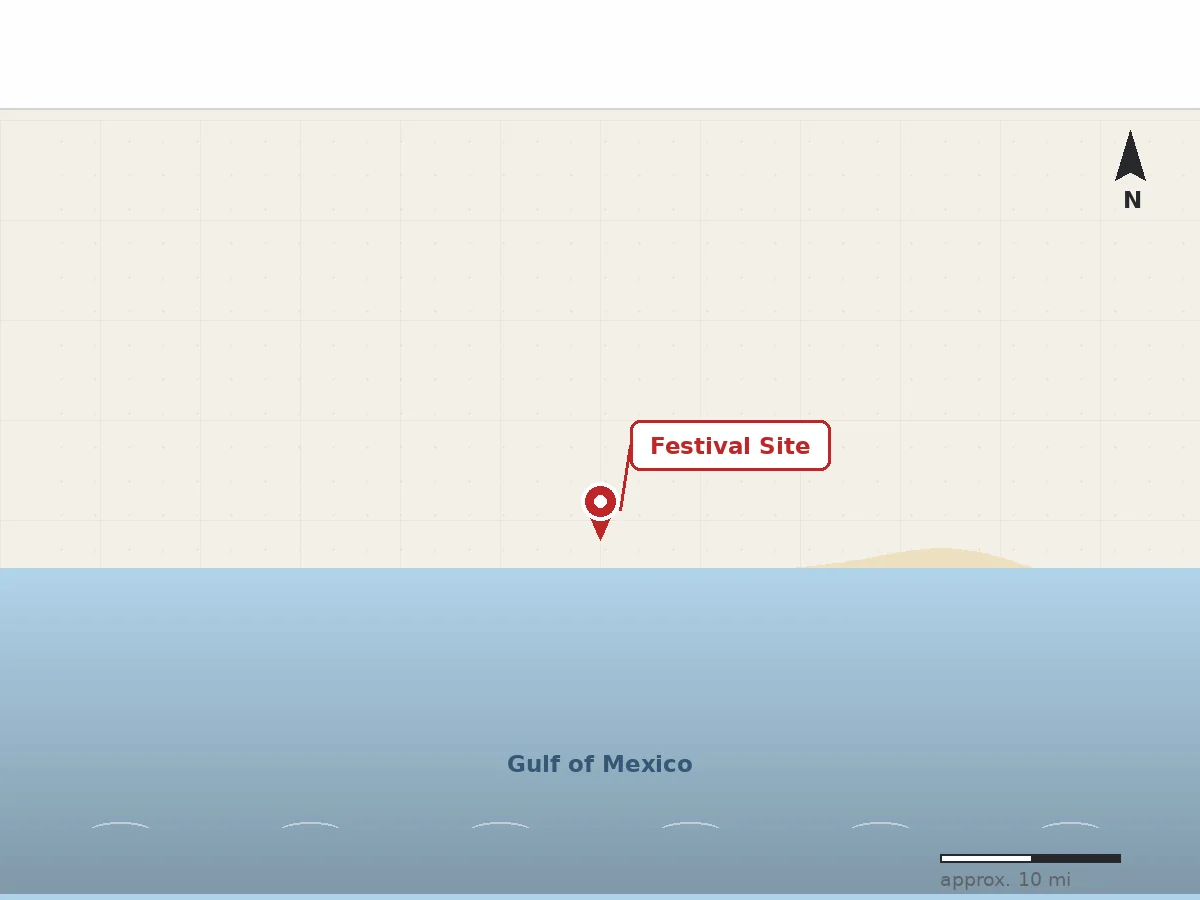
Where the Punahou Carnival Happens in Honolulu
The Punahou Carnival takes place on the Punahou School campus in Honolulu, the county seat of Honolulu County, roughly a couple of miles inland from Waikiki.
First-Timer Questions About the Punahou Carnival
Do I need a ticket just to walk in?
In the usual case, no. Entry to the grounds has generally been free, with all spending happening inside at the booths. Confirm current arrangements locally before you travel, since organizers adjust details from year to year, but plan on paying for what you eat, ride, and play rather than for admission itself.
How do I pay once I am inside?
Expect a scrip or ticket system for food, rides, and games, purchased on site. Bringing both a card and some cash gives you flexibility. Buying scrip in one transaction for your whole group is faster than sending each person through the line separately.
Is it suitable for young children and older visitors?
Yes. The event is family-oriented, with games, rides, and activity areas aimed at children, and the campus layout is walkable and contained. Peak hours are crowded and hot, so mornings suit young children and anyone who prefers a slower pace. Expect some uneven grass and pavement underfoot.
How long should I plan to stay?
Most first-timers spend three to five hours on the grounds, which is enough for a full food pass, several games, and a stage performance or two. Add travel time on both ends; Honolulu traffic can turn a short distance into a long drive during peak weekend hours.
The Carnival’s Next Chapter in Honolulu County
The carnival’s future looks like its past: a February weekend, a volunteer crew, and a crowd drawn from every corner of Oahu. As Honolulu County grows and its traffic thickens, organizers face pressure to manage parking, crowd flow, and waste more carefully, and visitors should expect small operational changes each year rather than dramatic reinvention.
For travelers, that consistency is an advantage. The event rewards planning but not obsession — arrive early, eat first, and leave room in your schedule for the city around it.
Last updated: October 2026
If this is your first Punahou Carnival, treat it as a neighborhood party that happens to be enormous: come hungry, carry less than you think you need, and let the queues and the music set your pace. You will leave understanding why Honolulu County keeps this tradition alive year after year.