Honolulu County Hawaii Hawaii Food & Wine Festival

Hawaii Food & Wine turns Honolulu County into a movable feast. For a stretch of days in most years, kitchens across Oahu — from Waikiki to the island’s quieter edges — become stages for chefs, farmers, fishers, and winemakers who build menus around what the islands actually grow and catch.
This is a food-forward festival in the truest sense: the eating is the point, and the setting is the seasoning. What follows is an appetite-first guide to how the event works, when it tends to land on the calendar, and how to build a trip around it.
The Honolulu County Snapshot: Hawaii Food & Wine Festival
| Town / area | Honolulu County area, Oahu |
| County | Honolulu County, Hawaii |
| County seat | Honolulu |
| Population | 1,016,508 |
| Region | Hawaiian Islands, central Pacific |
| Typical timing | Autumn, often spanning several days or weekends |
| Admission | Varies by event; many tastings are ticketed, so check the official schedule |
| Setting | Venues across the county, from urban Honolulu to coastal and country locations |
| Signature features | Chef collaborations, wine and spirits seminars, seated dinners, walk-around tastings |
| Organizer | The Hawaii Food & Wine Festival organization, working with local chefs and partners |
A Food-Forward Festival Rooted in Island Ingredients
Hawaii Food & Wine is built on a simple premise: the islands’ ingredients deserve a stage, and the people who grow, catch, and cook them deserve the microphone. Programming leans on chef collaborations, wine and spirits seminars, and seated dinners that treat Hawaii’s regional cooking as an evolving culinary tradition rather than a novelty act.
Honolulu County is a natural home for that idea. The county spreads across roughly 2,128 square miles and counts about 1,016,508 residents, the great majority of them on Oahu, where one island packs urban kitchens, plantation-era foodways, immigrant cooking traditions, and working farm country within an hour’s drive. That range is the festival’s real advantage. A single tasting menu can pull from North Shore aquaculture, upcountry vegetables, taro, breadfruit, and whatever the morning boats brought in.
Expect a calendar that mixes grand walk-around tastings with intimate seated events, and expect a lot of standing, a lot of conversation with the person behind the table, and a strong chance you will eat something you have never seen on a mainland menu.
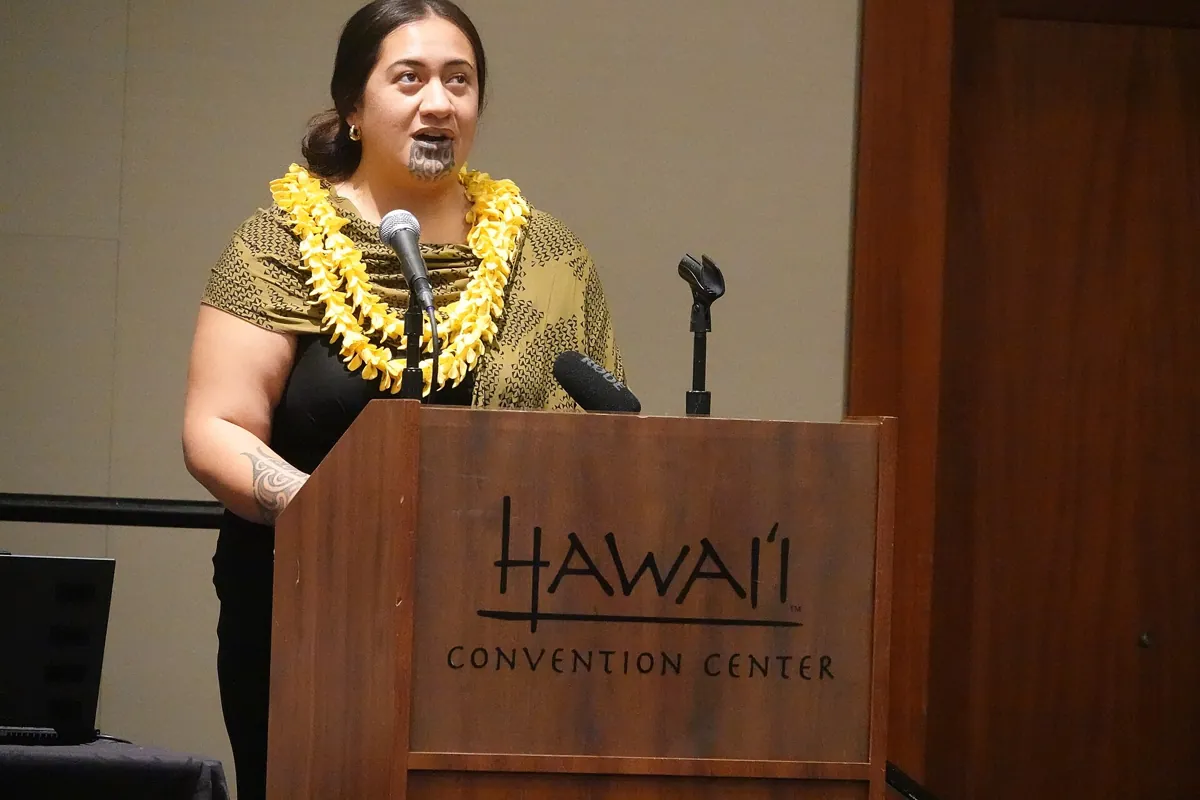
The Story of Hawaii Food & Wine, Told in Courses
The festival began as a chef-driven idea: gather Hawaii’s culinary talent in one place and let the islands’ pantry do the talking. In its early years the format was compact — a handful of tastings, a few visiting chefs, a modest footprint in Honolulu.
Growth came the way it usually does in Hawaii: through relationships. Farmers who supplied one dinner came back for three. Winemakers who poured at a single seminar returned with verticals. Restaurants that hosted a collaborative meal started building their own multi-course events around the festival week. The calendar stretched from an evening into a season, and the geography stretched with it, moving between urban venues, resort settings, and country locations across Honolulu County.
The throughline never changed. Every iteration of the festival is still judged by the same question: did the plate taste like Hawaii? That standard is why the event reads as a culinary showcase first and a party second, even when the party is excellent.
What a Hawaii Food & Wine Weekend Feels Like
On the Plate: Island Ingredients in Chef Hands
Food is the headline, and the format rewards curiosity. Walk-around tastings put dozens of small plates within arm’s reach, usually with the chef or a member of the team standing right there to explain what you are eating. Seated dinners go deeper, often pairing a visiting chef with a local kitchen for a menu that exists only that night. Seminars handle the liquid side — wine, sake, spirits, and increasingly non-alcoholic pairings built on island fruit and botanicals. Portions are small by design, which is how you end up eating twelve things and still wanting the thirteenth.
Music and Entertainment Between Bites
Live music is part of the texture rather than the main event. Expect slack key guitar, ukulele, small combos, and contemporary island acts playing at a volume that lets you talk about what is on your plate. Cooking demonstrations and chef conversations fill the gaps between sets, and the best entertainment is often unplanned: a winemaker arguing pleasantly with a chef about whether a particular pour flatters a particular fish.
Family-Friendly Ways to Join the Weekend
Many tasting events are built for adults, and age policies vary by event, so confirm before you book. Daytime and market-style programming tends to be more accessible for families, and the surrounding county does the rest of the work: beach days, aquarium visits, shave ice, plate lunch, and easy outdoor time that keeps younger travelers happy between your reservations.
Planning a Honolulu County Trip Around the Festival
Getting to Honolulu County
Nearly everyone arrives by air into Honolulu, the county seat and the main gateway for Oahu. From the airport, Waikiki and central Honolulu are a short drive, while North Shore and windward venues take considerably longer. Build in buffer time: island traffic is real, and a 20-mile drive can behave very differently at 4 p.m. than at 10 a.m.
Where to Stay on Oahu
Waikiki offers the densest cluster of hotels and the easiest access to multiple events on foot or by short ride. Staying in Kakaako or Ala Moana puts you near the urban restaurant scene. If your priority is a calmer base, look at Kailua on the windward side or Haleiwa on the North Shore, accepting that you will drive more.
Parking and Moving Between Venues
Parking at individual venues varies from plentiful to painful, and resort areas charge accordingly. Rideshares work well for evening events where you plan to drink. If you are covering several venues in one day, group them by region instead of zigzagging across the island.
Admission, Tickets, and What They Cover
Pricing is set event by event, so treat any single number with suspicion until you see the official listing. Grand tastings typically include food and drink within the ticket, while seated dinners and seminars are priced individually. Some public-facing elements of festival weeks have historically been open to anyone, so read each listing carefully before assuming you need a ticket.
Weather and What to Wear
Autumn on Oahu means warm days, mild evenings, and the occasional passing shower. Dress in light layers, choose shoes you can stand in for three hours, and keep a compact umbrella or light jacket for coastal nights. Sunscreen is not optional at daytime outdoor events.
A Sample Weekend Itinerary for a Food-Forward Oahu Visit
Friday. Land early if you can, drop bags, and spend the afternoon eating simply — poke, plate lunch, fresh fruit — so your palate is fresh for the evening. Book a seated collaborative dinner, the kind where a visiting chef cooks alongside a Honolulu kitchen, and let it run long.
Saturday. Morning is for a farmers market and coffee. Midday, attend a wine or spirits seminar, then rest during the hottest hours. The evening belongs to a grand tasting: arrive when doors open, work the room clockwise, and revisit your two favorite tables at the end.
Sunday. Sleep in, then drive to the North Shore or windward coast for a slow lunch and a beach walk. If a daytime festival event is on the schedule, treat it as a light grazing session rather than a full meal. Finish with shave ice and an early night.
How Hawaii Food & Wine Compares With Other Oahu Food Destinations
Compared with a neighborhood food scene like Kailua’s, which is casual, everyday, and built around cafes and local favorites, Hawaii Food & Wine is a concentrated, ticketed, chef-forward production. Compared with Haleiwa and the North Shore, where the draw is shrimp trucks, surf-town bakeries, and roadside stands, the festival is polished and programmed — though the North Shore’s ingredient culture feeds directly into what gets served. And compared with neighbor-island food towns such as Hilo on Hawaii Island, where the rhythm is market-driven and unhurried, Honolulu County’s festival is bigger, denser, and more international, with visiting talent layered over a distinctly local base. Think of the festival as the showcase and the towns as the everyday pantry.
Packing and Prep Notes Before You Fly to Oahu
| Item | Why it helps |
| Comfortable shoes | Most tastings are standing events, sometimes on grass, sand, or ballroom floors |
| Light layers | Coastal evenings cool down once the sun drops |
| Refillable water bottle | Warm weather plus long tastings rewards steady hydration |
| Hat and sunscreen | Daytime events are often outdoors |
| Small tote | Menus, tasting notes, and market finds accumulate fast |
| Advance reservations | Seated dinners and seminars fill early in festival season |
Beyond the Festival: Eating Your Way Across Honolulu County
The festival is a doorway, not the whole house. Give yourself extra days and Honolulu County rewards you. In Honolulu, chase down plate lunch, manapua, saimin, and the many kitchens tracing Portuguese, Japanese, Chinese, Filipino, and Korean threads through island cooking. In Kakaako, look for newer restaurants and breweries. On the windward side, Kailua pairs a walkable town with beaches worth lingering on. Up on the North Shore, the calendar is ruled by surf and harvest: shrimp trucks, fruit stands, and bakery lines that move slowly for good reason. Markets are the other essential stop — a Saturday farmers market tells you more about what the islands taste like right now than any menu can.
What Hawaii Food & Wine Means to Honolulu County
For a county of more than a million residents spread across a large and varied island, a festival of this scale does more than fill restaurant tables. It puts farmers, fishers, and culinary students in the same room as internationally known chefs, and it gives local cooks a reason to push a dish further than a regular service allows. Events like this also concentrate visitor spending into a defined window, supporting hotels, markets, and food businesses during a shoulder season. Just as important, it functions as a statement of identity: Hawaii’s food is not a tourist theme, it is a living cuisine with technique, history, and ambition behind it.
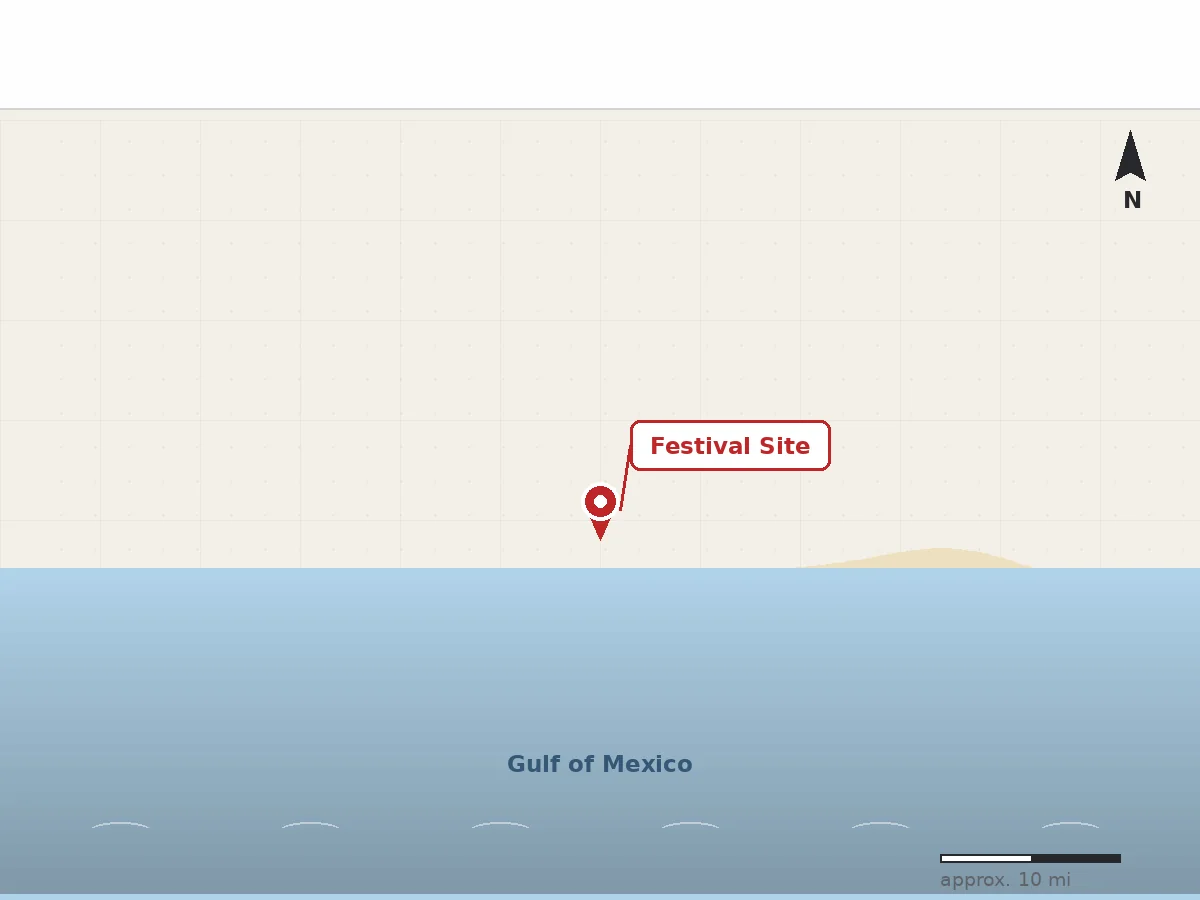
Where the Festival Unfolds on Oahu
Festival events take place at venues across Honolulu County, with the largest concentration in and around Honolulu and Waikiki.
Hawaii Food & Wine: A Few Visitor Questions, Answered
When does Hawaii Food & Wine usually take place?
In most years the festival lands in the autumn, with programming spread across several days or weekends rather than a single afternoon. Because the schedule shifts annually, confirm the current calendar through official channels before booking flights.
Where do the events actually happen?
Venues sit across Honolulu County, from urban Honolulu and Waikiki to coastal and country locations elsewhere on Oahu. Individual events are held at different addresses, so plan transportation around each specific listing rather than assuming one central site.
Do I need tickets, and what do they cover?
It depends on the event. Grand tastings, seated dinners, and seminars are generally ticketed, while some public programming has been open to everyone. Ticket inclusions vary, so read the details for each event and treat pricing as event-specific.
Is the festival a good fit for children?
Some events are designed for adults, particularly those centered on wine and spirits, and age policies differ by event. Families often have better luck with daytime, market-style programming, then filling the rest of the trip with beaches, outdoor activities, and casual local food.
The Next Course: Where Hawaii Food & Wine Is Heading
Expect the festival to keep leaning into what makes it distinct: island-grown ingredients, chef-to-chef collaboration, and formats that put producers next to the people cooking their food. Interest in non-alcoholic pairings, local agriculture, and sustainable seafood keeps rising, and programming tends to follow the appetites of its audience. For travelers, that means the smartest approach is to plan loosely, book early, and leave room for the dishes you did not see coming.
Last updated: October 2026
Hawaii Food & Wine is, in the end, a very good excuse to eat your way across Honolulu County with intent. Come hungry, stay curious, talk to the people behind the tables, and let the island set the menu.