Hawaii County Hawaii Hilo Lei Day Festival
Lei Day is one of Hawaii’s most widely shared cultural observances, and on the Hilo side of Hawaii County it becomes a full community occasion: lei makers, hālau hula, musicians, and families gathering in and around the county seat. The Hawaii County Hawaii Hilo Lei Day Festival is not a ticketed mega-event with turnstiles and VIP gates. It is a local celebration that rewards visitors who plan like residents — knowing where to park, when to arrive, what the weather will do, and which hours of the day are worth building a trip around.
This guide is written for the logistics-minded traveler. Rather than selling you on the idea of Lei Day, it covers the practical scaffolding: how Hilo’s geography shapes the day, how to reach town from either side of Hawaii Island, where to sleep, what parking near the bayfront really looks like, and how to fold the festival into a longer Hawaii County itinerary without losing half of it to traffic.
What Hilo Lei Day Is, and Where It Fits in Hawaii County
Hilo Lei Day is a community celebration of the lei — the garland of flowers, leaves, shells, or feathers that has become one of Hawaii’s most recognizable cultural symbols. In Hilo, the observance is less a single staged production than a cluster of activities: lei-making tables, hula performances, live Hawaiian music, craft and food vendors, and informal gatherings in public spaces around town. Some of it is scheduled; some of it simply happens when enough people show up with flowers.
Hilo is the county seat of Hawaii County, and that shapes how the festival feels. Hawaii County’s population of 200,629 is spread across the entire island of Hawaii, so the Hilo side serves as an administrative and cultural anchor for a very large, very rural county. The result is a Lei Day that leans local rather than tourist-facing. You are more likely to overhear a debate about which lei style deserved first place than a pitch for a package deal.
Timing follows the Lei Day season in May. Programming in most years clusters on and around a weekend in early May, which means the exact day can shift from one year to the next. Confirm local listings before booking flights: the season is dependable, the specific calendar slot is not.
How Lei Day Took Root in Hilo
Lei Day spread across the islands as a way of honoring the lei and the traditions built around it. Schools, civic clubs, garden groups, and cultural organizations carried the observance into communities one island at a time, and Hilo — a harbor town with a dense web of multi-generational families — proved especially good ground for it. Lei making here is a household skill as much as a performance art.
The techniques that show up at Hilo’s tables are the same ones passed down for generations: stringing, braiding, winding, and the careful layering that turns a handful of blossoms into something wearable. Kūpuna teach keiki which flowers hold up in humidity, which ferns bruise, and how to keep a lei fresh through a long, warm afternoon. That practical knowledge is the real archive of the festival.
Over time, the celebration has settled into a familiar shape in Hilo: a daytime core of lei making and craft, a performance schedule of hula and Hawaiian music, food vendors working from tents and trucks, and an easy, walkable atmosphere that lets families drift between activities. It has never needed a stadium to feel significant.
Hilo Lei Day Essentials: County, Timing, and Setting
| Town / area | Hilo area, Hawaii County |
| County | Hawaii County, Hawaii |
| County seat | Hilo |
| County population | 200,629 |
| Region | Windward (east) side of the island of Hawaii |
| Typical timing | May, during the Lei Day season, usually clustered around a weekend |
| Admission | Typically free |
| Setting | Public parks and civic spaces in and around Hilo |
| Features | Lei making, hula, live music, local food, keiki activities |
| Organizer | Community-based and locally coordinated in Hilo |
What a Lei Day in Hilo Actually Feels Like
Expect a relaxed, spread-out day rather than a tightly choreographed program. People arrive in waves, the shade fills up first, and the best moments are usually unplanned — a stranger handing you a plumeria blossom, a hālau warming up behind a tent, a kid proudly carrying a lei twice the size of her head.
Food: Plate Lunches, Malasadas, and Shave Ice
Hilo’s festival food is local comfort food. Look for plate lunches with kalua pork, chicken long rice, and mac salad; malasadas fried to order; shave ice in colors that defy nature; and the ubiquitous coolers of juice and water. Vendors are usually a mix of established Hilo eateries and church or hālau fundraising tents, so bring small bills and expect lines to move at island pace. If you have dietary restrictions, eat a real meal before you arrive — festival menus are not built for substitutions.
Music and Hula: Slack Key, Ukulele, and Hālau Performances
The performance side of Lei Day is where the day earns its emotional weight. Hālau hula take the stage in groups, from keiki classes to seasoned dancers, and live Hawaiian music — slack key guitar, ukulele, and the occasional full band — fills the gaps between sets. Arrive early for the opening numbers if you want a clear view; by mid-afternoon, the front of the crowd is a wall of aunties with cameras and lawn chairs.
Family Activities: Lei Making, Crafts, and Keiki Space
Lei making is the anchor activity and it is genuinely participatory. Tables typically supply needles, thread, and whatever flowers are in season, with experienced volunteers showing beginners how to keep a strand from falling apart. Beyond that, expect craft vendors, cultural demonstrations, and enough open grass for kids to burn off energy. Strollers work better on pavement than on lawn, and a light blanket earns its place in your bag.
Planning the Trip: Hilo Logistics That Decide Your Day
Hilo is the kind of town where a fifteen-minute difference in departure time changes your entire experience. Plan the transportation and weather pieces first, then let the rest of the weekend fall around them.
Getting to Hilo: Flights, the Cross-Island Drive, and Rental Cars
Most visitors fly into Hilo directly, while others arrive on the Kona side and drive across the island. The cross-island route is scenic but slow in the way mountain roads always are — curves, clouds, and occasional rain — so add buffer time rather than treating it as a straight shot. Rental cars are close to essential here; public transit exists but will not efficiently connect the scattered pieces of a Lei Day weekend.
Where to Stay: Hilo Town, Banyan Drive, and the Hamakua Coast
Staying in Hilo proper puts you within walking or short-driving distance of the action and makes it easy to duck back to your room when the rain rolls through. Banyan Drive and the bayfront area offer the classic hotel-and-ocean-view experience. If you prefer quiet, look north along the Hamakua Coast, where vacation rentals trade convenience for green cliffs and cooler nights. Book early — May is a busy month on this side of the island.
Parking and Traffic: Downtown Hilo and the Bayfront
Parking is the single biggest logistical pinch point. Downtown Hilo has street parking and a handful of municipal lots, and they fill quickly when a festival is running. Arrive early, accept a five-to-ten-minute walk, and resist the urge to circle the same block. Read posted signs carefully: some spaces are permit-only or time-limited, and enforcement in a small town is efficient because everyone knows the rules.
Admission and Costs: What a Free Festival Still Costs
Admission is typically free, which means your budget goes to food, crafts, and parking instead of tickets. Bring cash — many vendors and fundraising tents prefer it, and cell reception can be spotty in a crowded park. Set a rough spend limit before you go, especially if you have children who will discover the shave ice stand within four minutes of arrival.
Hilo Weather in May: Rain Gear, Sunscreen, and Layers
Hilo is a windward town, which means rain is a normal part of the forecast rather than a disruption. Expect warm, humid days with passing showers that can arrive and depart within twenty minutes. Pack a compact rain jacket, reef-safe sunscreen, a hat, and shoes that can handle wet grass. A dry bag or large zip pouch for your phone and wallet is worth more than an umbrella in trade winds.
A Sample Lei Day Weekend Based in Hilo
Friday. Land on the Hilo side, collect your rental car, and check in. Spend the late afternoon walking downtown and along the bayfront to get oriented, then eat an early dinner and sleep on mainland time if you can.
Saturday. Arrive at the festival area mid-morning, before the parking crunch and while lei-making tables still have elbow room. Watch the opening hula sets, eat lunch from vendors, and use the hottest part of the afternoon for a shaded break or a drive to a nearby waterfall. Return for late-afternoon music.
Sunday. Give the festival a second, shorter pass in the morning, then spend the rest of the day on the island — Volcanoes, the Hamakua Coast, or a slow loop through Puna. Finish with an early dinner in Hilo before an evening flight or a quiet night in town.
Hilo Lei Day Compared with Other May Options on the Island
Hilo’s celebration is the most community-centered Lei Day option on the island. A Kailua-Kona side event tends to feel more resort-adjacent and spread along a drier coastline, with ocean activities competing for your attention. Waimea offers a cooler, upcountry atmosphere and a ranching-town rhythm that pairs well with a Lei Day morning. Volcano, upslope from Hilo, is not a festival town at all — it is where you go after the festival, when you want mist, ferns, and steam vents instead of crowds.
If your trip is built around Lei Day specifically, base yourself in Hilo. If Lei Day is one stop on a broader island itinerary, treat it as the anchor of your windward days and route the rest of the trip around it.
Packing and Prep List for a May Trip to Hilo
Cash in small bills; a rain jacket and a dry pouch; reef-safe sunscreen, hat, and sunglasses; comfortable walking shoes plus sandals; a reusable water bottle; a light blanket or mat for grass seating; a tote for crafts and flowers; a phone battery pack; and a printed or downloaded copy of the day’s schedule in case reception is thin. Add a light long-sleeve layer for air-conditioned rooms and breezy evenings.
Before you leave, confirm the current year’s schedule and any location changes through local listings, book lodging well in advance, and decide your parking strategy the night before rather than circling downtown in the heat.
Beyond the Festival: Volcano, Hamakua, and the Puna Coast
Hilo rewards a longer stay. Head upslope to Hawaii Volcanoes National Park for craters, rainforest trails, and cold, dramatic weather. Drive north along the Hamakua Coast for gulches, botanical gardens, and old plantation towns. Loop south through Puna for black-sand beaches, warm springs, and a landscape still shaped by recent lava. In town, the farmers market, the museums, and the bayfront parks fill the hours between festival sessions.
What Lei Day Means to Hilo and Hawaii County
In a county of 200,629 people scattered across the largest island in the chain, gathering is not automatic — it takes intention. Lei Day gives Hilo a reason to come together that is cultural rather than commercial. It is a chance for elders to teach, for keiki to perform, for local businesses to feed their neighbors, and for visitors to participate rather than spectate. That is why the festival has stayed small, free, and stubbornly local.
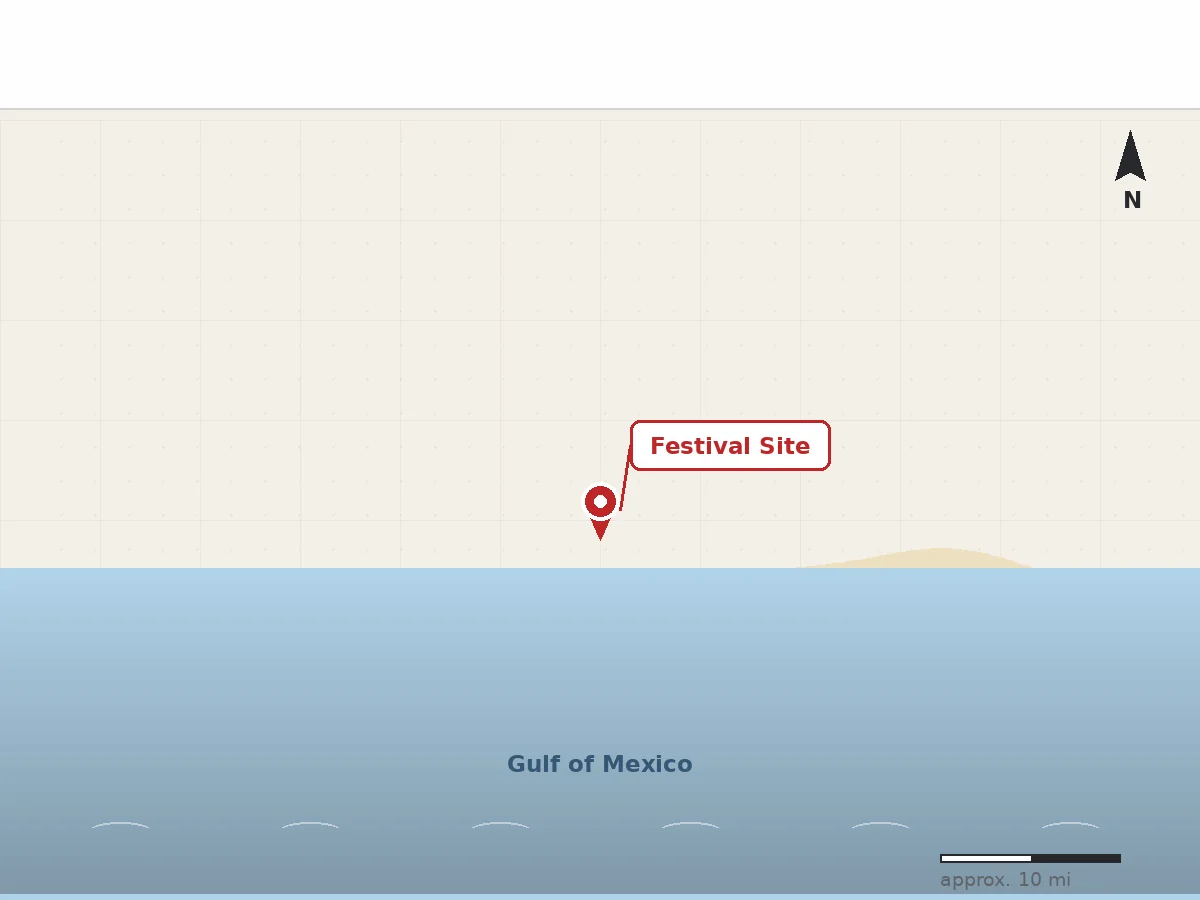
Where Hilo Lei Day Happens on the Map
Hilo Lei Day programming centers on Hilo, the county seat of Hawaii County, on the windward side of the island of Hawaii.
Hilo Lei Day: Visitor Questions, Answered
Is Hilo Lei Day free to attend?
Admission is typically free. Your real costs are food, crafts, parking, and travel to the Hilo side of the island. Bring cash for vendors, since many small operations and fundraising tents prefer it over cards.
When does the Hilo Lei Day celebration take place?
It falls in May, during the Lei Day season, and in most years the programming clusters around a weekend. Because the exact slot can shift, check current local listings before you lock in flights or lodging.
Do I need a rental car for Lei Day in Hilo?
For the festival itself, no — much of it is walkable if you stay in Hilo town. For everything around it, yes. The island’s best day trips, from Volcano to the Hamakua Coast, are difficult without your own vehicle, and rideshare coverage on this side of the island is thin.
Is Hilo Lei Day a good event for young children?
Yes. Lei making, open grass, music, and food make it easy to manage with kids. Bring sun protection, a change of clothes, and patience for the shave ice line, and plan to leave before the late-afternoon meltdown window.
Looking Ahead at Lei Day in Hilo
Lei Day in Hilo is likely to stay what it has been: a free, community-run celebration that grows slowly and protects its character. The pressure points are the familiar ones — parking, crowd management, and keeping cultural practice at the center rather than the margins. Visitors can help simply by showing up with respect, spending with local vendors, and treating the lei as something made rather than bought.
Last updated: October 2026
Plan Hilo Lei Day the way residents do: book early, arrive before the parking fills, carry cash and rain gear, and leave room in the schedule for the parts of the day you cannot plan. The festival itself is generous and unhurried, and the island around it rewards anyone willing to slow down to its pace.