Hawaii County Hawaii Arts, Crafts, and Food Festival
On a festival weekend, the air around Hilo carries more than the usual scent of rain on warm stone. It carries charcoal smoke, the green sharpness of fresh lei, and the low hum of a guitar being tuned somewhere behind a row of white tents. The Hawaii County Arts, Crafts, and Food Festival is the sort of gathering that reminds you why this island county — Hilo as its county seat, a population of 200,629 spread across windward and leeward communities — feels less like a jurisdiction and more like one very long neighborhood.
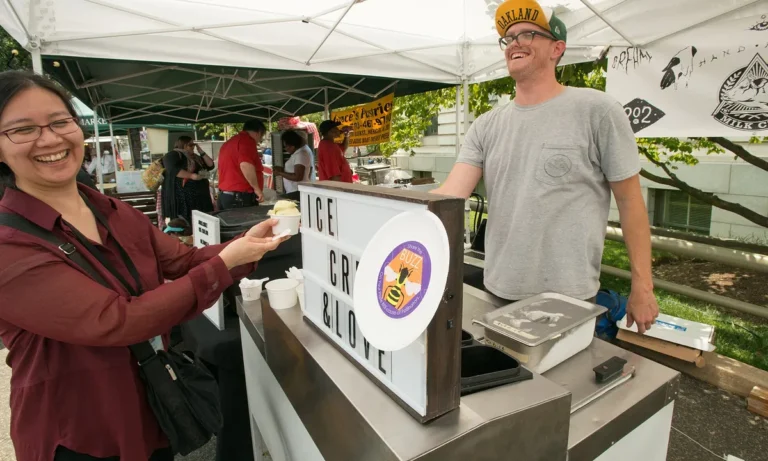
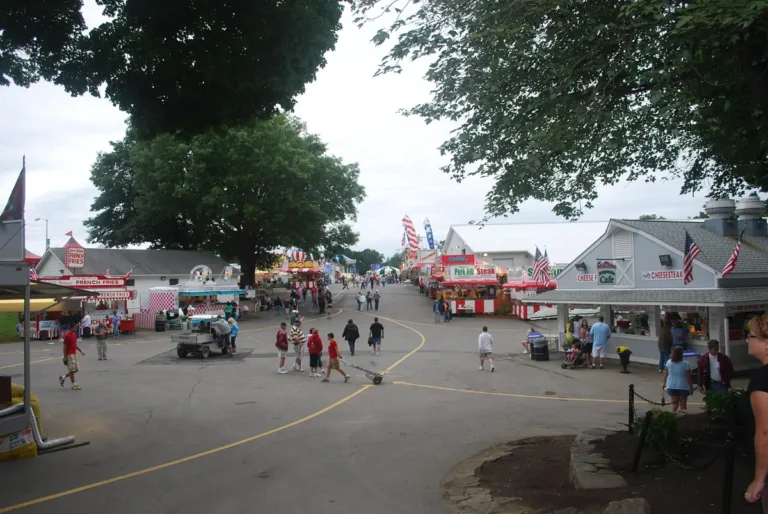
The event is exactly what its name promises, and a little more. Quilters, woodworkers, painters, and lauhala weavers set up beside cooks ladling out something warm, and nobody seems to be in a hurry. For visitors, it is an easy introduction to the creative life of Hawaii County. For residents, it is a reunion that happens to be open to the public.
Festival Basics for Hawaii County’s Arts, Crafts, and Food Weekend
Before you plan a trip, here is the shape of the event in plain terms.
| Town / area | Hawaii County area, centered on Hilo and nearby communities |
| County | Hawaii County, Hawaii |
| County seat | Hilo |
| Population | 200,629 (county-wide) |
| Region | Hawaii Island — the windward, Hilo side |
| Typical timing | A weekend during the spring months, in most years |
| Admission | Generally free to enter; food and handmade goods are sold by vendors |
| Setting | Open-air grounds with craft booths, food stalls, and a small stage area |
| Features | Local arts and crafts, island food, live music, family activities |
| Organizer | Local community organizers working with participating vendors |
What Makes the Hawaii County Arts, Crafts, and Food Festival Different
Plenty of festivals sell crafts. Plenty sell food. What sets this one apart is the balance between the two, and the fact that both sides of it come from the same place. The artists are neighbors. The cooks are neighbors. The person who sells you a bowl of smoked fish may be the same person who taught your cousin to throw a net.
The festival is deliberately unpretentious. You will not find velvet ropes or a schedule that requires a spreadsheet. You will find tables of koa woodwork, hand-dyed fabrics, shell jewelry, paintings of the Hamakua coast, and preserves made from fruit grown a few miles away. You will find food meant to be eaten standing up, talking to whoever is next to you. And because Hawaii County is a place where families tend to arrive in groups, the grounds are laid out for wandering rather than rushing.
A Short History of Craft and Cooking Gatherings in Hawaii County
The roots of this festival are not in a single founding moment so much as in a habit Hawaii County never lost: gathering to make things, sell things, and feed people. On an island where distance from the mainland has always made importing expensive, making things by hand has long been practical as well as cultural. Weavers, carvers, sewers, and cooks built local reputations the same way — one table, one customer, one plate at a time.
Community fairs and benefit sales have been part of island life for generations, often tied to churches, schools, and neighborhood groups raising money for something specific. The Arts, Crafts, and Food Festival grew out of that tradition and gave it a bigger stage: a weekend where the scattered makers of a very large county could set up in one place and be found.
That is why the event still feels more like a market day than a production. It has expanded as more vendors, musicians, and food makers have joined, but the underlying logic has not changed. If you make something good and you live here, there is a table for you.
What to Expect Across the Festival Grounds in Hawaii County
The grounds are compact enough to see in a couple of hours and rich enough to hold you all day.
Food: Plate Lunch, Poke, and Something Sweet
Food is the center of gravity. Expect plate-lunch staples, grilled meats, fresh poke, and bowls built around whatever the ocean and the farms are giving that week. Local favorites show up in force — laulau, kalua pork, lomi salmon, and poi for those who want it — alongside cooking that leans Portuguese, Filipino, Japanese, and Hawaiian all at once, which is simply what Hawaii Island food is. Look for sweets too: malasadas, haupia, shave ice, and baked goods made with local fruit. Popular items sell out by mid-afternoon, so eat early if something catches your eye.
Music and Entertainment: Slack Key, Ukulele, and Hula
Live entertainment tends to be acoustic and close-up: slack key guitar, ukulele, and small combos playing Hawaiian standards and island reggae. Hula is a regular part of the program, performed by halau from around the county, and it is worth stopping whatever you are doing to watch. Between sets, the soundtrack is whatever the vendors are playing. Bring a folding chair if you plan to camp out near the stage.
Family Activities: Keiki-Friendly Corners and Hands-On Crafts
This is a genuinely easy event to bring children to. There are usually hands-on tables where keiki can try weaving, stamping, or simple painting, plus open space to run in and food even picky eaters will accept. Strollers manage fine on most ground, though rain changes that quickly. Older visitors will appreciate that the layout never forces a marathon walk and that seating appears wherever people decide to sit down.
Planning Your Trip to the Hawaii County Arts, Crafts, and Food Festival
Getting There: Flying and Driving into Hilo
Hilo has an airport on the edge of town, which makes flying in straightforward from Honolulu or the mainland. By car, Hilo sits at the end of the belt highway that circles the island, a drive of a couple of hours from the Kona side depending on traffic and weather. If you are already staying in Hawaii County, the drive is the easy part; the variable is the sky.
Where to Stay Around Hilo and the Rest of the County
Hilo offers the widest choice of hotels, inns, and vacation rentals in the county, from older plantation-era properties to modern hotels near the bay. Staying in town means a short drive to the festival and an easy walk to dinner. Alternatives include bed-and-breakfasts in the surrounding rainforest communities, or a stay on the Kona coast with a day trip across the island.
Parking and Getting Around the Grounds
Parking near any popular Hilo event fills quickly, and this one is no exception. Arrive before mid-morning or after the lunch rush for the best odds. Carpooling helps, and many visitors park a few blocks away and walk, which is usually faster than circling. Follow posted signs and any volunteer directions; roadside spots that look convenient often are not legal.
Admission and What You Will Actually Spend
Admission is generally free, which is part of the point — the festival works as a low-barrier introduction to local makers. Your spending happens at the tables: food, crafts, and the occasional fundraiser. Bring cash even though many vendors take cards, because small sellers often prefer it and signal can be unreliable. Set a budget before you go if you are prone to buying wooden bowls.
Weather: What the Hilo Sky Usually Does
Expect warm, humid conditions and a real chance of rain, especially in the afternoon. Hilo is one of the wetter places in the state, and locals treat a passing shower as a minor inconvenience rather than a reason to leave. Bring a light rain jacket, sunscreen, a hat, and shoes you do not mind getting muddy. A reusable water bottle and a small towel round out the kit.
A Sample Weekend Around Hilo and the Festival
Friday: arrive in Hilo, settle in, and spend the late afternoon walking the bayfront and the farmers market area. Eat dinner somewhere casual and turn in early; you will want the morning.
Saturday: reach the festival grounds before mid-morning. Start with the craft booths while they are still uncrowded, then eat lunch from two or three different stalls rather than committing to one. Catch the afternoon music and hula, buy the thing you kept walking past, and leave before the parking crunch.
Sunday: return for anything you regretted not buying, then spend the rest of the day away from the crowds — a drive along the Hamakua coast, a walk through Liliuokalani Gardens, or a short trip to a nearby waterfall. Finish with an early dinner in town before flying out or heading back across the island.
How It Compares to Other Big Island Gatherings
Compared with the gallery-and-resort scene on the Kona side, this festival is more handmade and less polished, and the prices reflect that. Kona’s art walks and upscale shops cater to visitors with a different budget; Hilo’s version is aimed at locals first, and visitors are welcome to join in.
Smaller town fairs in communities like Pahoa or Waimea are friendlier still — you will know half the crowd by the end — but they draw from a narrower slice of the island. The Hawaii County Arts, Crafts, and Food Festival sits between the two: bigger than a neighborhood fundraiser, more rooted than a resort event, and broad enough that a woodworker from one side of the island can meet a cook from the other.
Your Hawaii County Festival Day Checklist
Cash in small bills; a reusable water bottle; a light rain jacket; sunscreen and a hat; comfortable walking shoes; a tote bag for purchases; a folding chair if you plan to sit near the stage; a charged phone and, ideally, a backup battery; and patience for parking. Leave the umbrella at home if it is windy — a hood works better. If you are bringing keiki, pack a change of clothes and expect them to get dirty.
Beyond the Booths: Hilo and the Rest of Hawaii County
Hilo rewards a slower look. The bayfront and Liliuokalani Gardens make an easy morning walk, the downtown farmers market is worth a stop on its own, and the older storefronts along the main streets tell the story of a plantation town that became a county seat. Just outside town, the Hamakua coast road leads to waterfalls, botanical gardens, and lookout points over the ocean.
Further afield, Hawaii County covers an enormous range: the volcanic landscapes of the national park to the south, the ranching country around Waimea, the coffee farms of the Kona side, and the quiet, wet communities of Puna. Give yourself at least a day beyond the festival. This island is not something you see in an afternoon, and trying to will only make you tired.
Why This Gathering Matters to Hawaii County
For a county of 200,629 people scattered across an island, a shared weekend matters. It puts money directly into the hands of people who make things, without a distributor taking a cut. It gives younger makers a place to test their work in front of a real audience. And it keeps a set of skills visible — weaving, carving, cooking, sewing — that could otherwise fade quietly into hobby status.
There is also the simple social fact of it. Hawaii County is large enough that neighbors can go months without crossing paths. A festival compresses that distance into a few acres for a couple of days, and the result is a crowd that behaves less like an audience and more like a family reunion with better food.
Where the Hawaii County Arts, Crafts, and Food Festival Takes Place
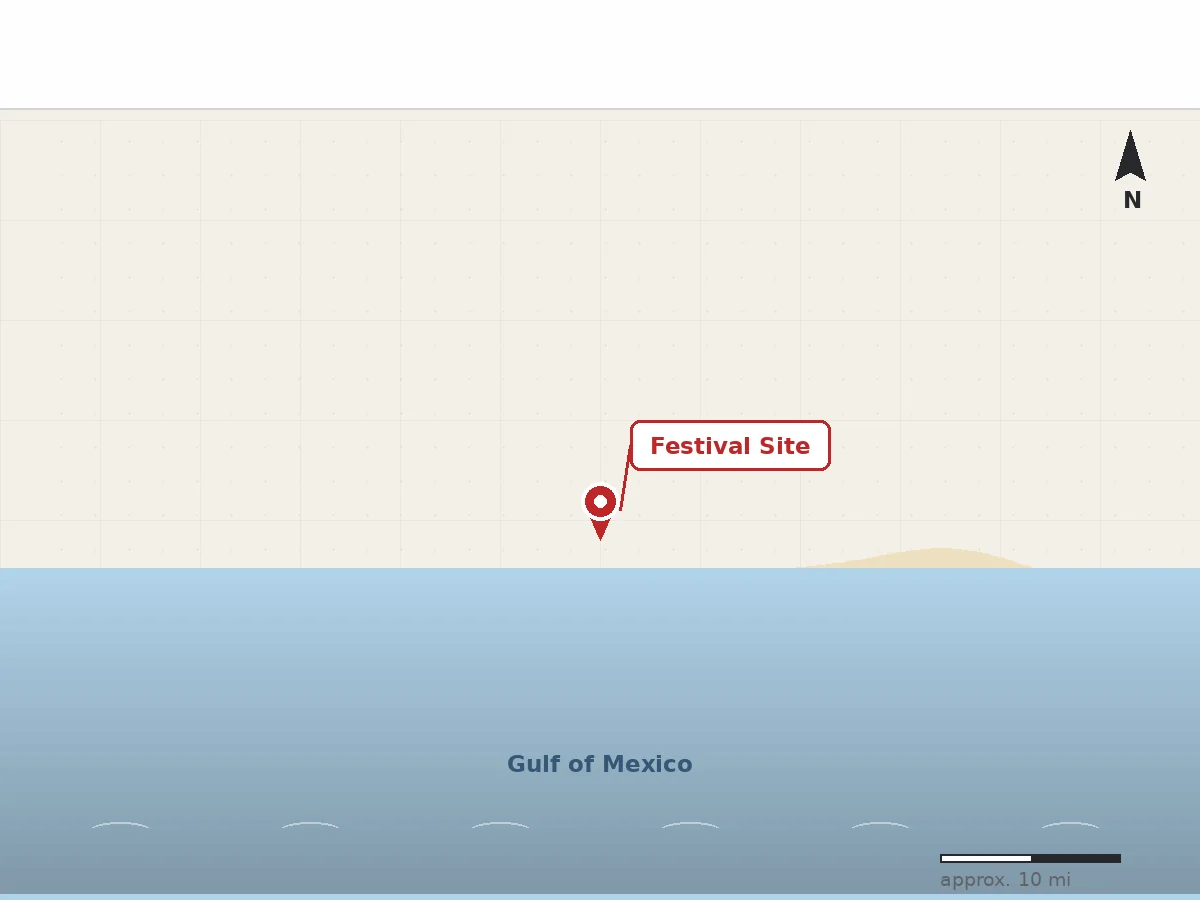
The festival is held in the Hawaii County area around Hilo, the county seat on the windward side of Hawaii Island.
Practical Answers for First-Time Festival Visitors
Is there an admission fee?
Admission is generally free, and that has always been part of the appeal. You pay for what you eat and what you carry home. Some vendors accept cards, but cash remains the safest option, particularly with smaller makers and food stalls that move quickly.
When is the best time to arrive?
Morning is calmer. The craft tables are still fully stocked, the food lines are short, and parking is easier to find. If you come for the music and hula, plan around the afternoon program and accept that you will be sharing the grounds with a crowd.
Is the festival suitable for children and older visitors?
Yes. The layout is compact, seating is plentiful, and there are usually hands-on activities for keiki. Ground can be uneven or muddy after rain, so sturdy shoes help. Visitors with mobility concerns will find most of the grounds manageable but should plan around the weather.
Can I buy directly from the people who make the items?
That is the whole idea. Most booths are staffed by the makers themselves, which means you can ask about materials, techniques, and where the wood or fabric came from. Buying direct is the reason many of them drive across the island to be there.
What’s Ahead for the Hawaii County Arts, Crafts, and Food Festival
The festival’s future looks a lot like its past, only busier. Interest in handmade goods and locally grown food keeps rising, both among residents and among visitors hunting for something that does not feel manufactured for tourists. That growth brings its own questions: how many vendors the grounds can hold, how to keep food lines moving, and how to preserve the unhurried feel that makes the weekend work.
What seems likely to stay constant is the core. As long as there are people in Hawaii County who weave, carve, cook, and play music, there will be a weekend where they set up side by side and invite everyone in. That is a durable thing, and it is worth planning a trip around.
Last updated: October 2026
If you go, go hungry and go early. Talk to the person behind the table. Ask what they made and how. Buy the small thing instead of the big thing, and eat standing up while someone plays guitar a few feet away. The Hawaii County Arts, Crafts, and Food Festival is not a spectacle you watch from a distance — it is a community that happens to have set out chairs, and the best way to experience it is to sit down.