Elmore County Idaho Mountain Home Country Music Festival

Quick Facts for the Mountain Home Country Music Weekend
| Town and area | Elmore County area around Mountain Home |
| County | Elmore County, Idaho |
| County seat | Mountain Home |
| County population | 28,666 (2020 census) |
| County land area | 3,101 square miles |
| County founded | February 7, 1889 |
| Region | Southwestern Idaho, Snake River Plain |
| Typical timing | A weekend during the warmer months |
| Admission | Free to attend in most years |
| Setting and features | Open-air grounds, live country music, food vendors, family activities |
About the Elmore County Country Music Gathering
Mountain Home Country Music is a community-first country music festival staged in the Elmore County area, with the county seat of Mountain Home at its center. Elmore County covers 3,101 square miles of southwestern Idaho — sagebrush flats, river bottom, ranch land, and mountain foothills — and the festival draws from all of it. Ranchers, families, and travelers moving along the interstate corridor end up in the same open field for a weekend of live music.
The county’s 2020 census population of 28,666 tells you something about the scale of the thing. This is not a big-city event with anonymous crowds. It is the kind of gathering where the person ahead of you in the lawn-chair line probably knows your neighbor, and where the food stands are run by people who will remember your name by Sunday. Admission is generally free, which keeps the crowd multigenerational and unpretentious. You bring a chair, you find a patch of ground, and the evening unfolds.

How Country Music Took Root in Elmore County
Elmore County was founded on February 7, 1889, with Mountain Home established as the county seat. Like much of southwestern Idaho, its growth followed the routes that crossed the Snake River Plain — ranch country that needed a courthouse town, a supply stop, and a place to gather. Mountain Home became all three, and the county’s identity has been tied to open land and long drives ever since.
Live music has always been part of that gathering culture. In a county this large and this rural, entertainment traveled to the people rather than the other way around. School gyms, community halls, fairgrounds, and family reunions hosted pickers and singers long before anyone thought to put a festival on a poster. Country music fit the landscape because it was made by and for the same communities that filled those rooms.
The Mountain Home Country Music festival is the current expression of that habit rather than a break from it. Its seasons have come and gone with volunteer energy, weather, and the willingness of neighbors to show up — the same forces that have shaped every community event in Elmore County since 1889. Nobody here needs a marketing campaign to explain why a county of 28,666 people would clear a field, string up lights, and spend a weekend listening to country songs together.
What a Day at the Mountain Home Festival Feels Like
The atmosphere is relaxed and come-and-go. People arrive early with canopies and coolers, drift toward the stage as the afternoon cools, and stay for the last song. Here is how the day usually breaks down.
Food and Drink on the Elmore County Grounds
Food is where the festival turns into a neighborhood. Vendor stalls run the familiar fairground range — barbecue, burgers, fry bread, corn dogs, snow cones, lemonade — and local nonprofit and community groups often work the stands, which means your lunch money tends to circulate back into the county. Lines are longest right after the music starts, so eat early or eat late. Bring cash as a backup, since small stands can be slow with cards when the crowd surges.
Country Music and Stage Entertainment
Country is the through-line, from local and regional bands to the bigger acts that close out the night. Sets generally start in the afternoon and build toward an evening finish, with breaks for announcements and raffles. Dancing happens near the front; families spread blankets farther back where the volume is gentler. If you want a seat with a view, claim it before the first set — shade disappears fast once the sun swings low.
Family Activities and Spaces for Kids
This is a festival built for kids as much as adults. Expect activities, games, and open space for running, plus the low-stakes freedom that comes with a small-town crowd. Bring sunscreen, water, and a change of clothes for the dust. Many families treat the whole thing as an all-day picnic with a soundtrack, arriving in the late afternoon and staying until the music winds down.
Planning Your Trip Around the Mountain Home Festival
A little preparation goes a long way in a county this big, where the nearest services can be a long drive from the music.
Getting to Mountain Home and the Grounds
Mountain Home sits along the Interstate 84 corridor in southwestern Idaho, an easy drive southeast of Boise and reachable from Twin Falls and the Magic Valley. Once you are in town, follow local signs and volunteer directions rather than your phone — rural grounds and one-way traffic patterns confuse navigation apps. Fill your tank before you arrive; distances between towns out here are measured in tens of miles.
Where to Stay in the Elmore County Area
Mountain Home has the county’s largest concentration of motels and RV parks, and those rooms book early on festival weekends. Campers often head for the reservoir country north of town or the Snake River corridor to the west, where public campgrounds and dispersed sites fill fast. If everything local is taken, Boise makes a workable base, though you trade a late night for a longer drive home.
Parking, Arrival, and Getting Settled
Parking is usually field-style and directed by volunteers, so arrive early for the shortest walk and the best spot. Carpooling is the local habit and it helps everyone. Keep an eye on where you parked — rows look identical after dark — and agree on a meet-up point in case your group splits between the stage and the vendor row.
Admission, Vendors, and What Things Cost
Admission is typically free, which is a big part of the festival’s character and a big reason the crowd stays so local. Your spending goes to food, drinks, merchandise, and whatever the raffle table is offering. Bring some cash for smaller vendors and a card for the rest, and set a rough budget before the first song starts.
Weather and What to Bring
Southwestern Idaho weather does not negotiate. Summer afternoons can be genuinely hot, with wind and dust picking up as the day goes on, and evenings cool off quickly once the sun drops behind the hills. Pack layers, a hat, sunscreen, plenty of water, and a jacket for after dark. Spring and early-autumn weekends can swing from warm to chilly in a single evening.
A Sample Festival Weekend in Mountain Home
Friday: Arrive in Mountain Home in the late afternoon, check into your room or set up camp, then head to the grounds for the opening sets. Friday crowds are lighter, which makes it the best night for wandering the vendor row and scouting a good spot for the next day. Eat dinner at the festival rather than in town — it is part of the experience.
Saturday: This is the big day. Sleep in, then spend the morning exploring town or driving out toward the river or the reservoir before the heat builds. Claim your festival spot by mid-afternoon, eat early, and stay through the final set. Saturday is when the crowd is thickest and the atmosphere is at its best.
Sunday: Keep it slow. Grab breakfast in Mountain Home, then use the day for the surrounding country — the dunes to the south, the Snake River to the west, or the foothills north of town. Plenty of visitors say the Sunday drive is what convinces them to come back the following year.
How Mountain Home Compares with Nearby Towns
Glenns Ferry, on the Snake River to the west, offers history and river scenery — a different sort of weekend, anchored by the old Oregon Trail crossing country. Bruneau, to the south, is a small community and a gateway to a striking dune field, better for quiet camping than for nightlife. Grand View and Hammett sit in ranch country along the river, where the pace is even slower and the horizon even wider.
Boise, northwest along the interstate, is the region’s big-city option: more hotels, more restaurants, more to do after the music ends, but a longer haul back at midnight. For festival-goers, Mountain Home is the practical base — close to the grounds, easy to navigate, and small enough that you will recognize faces by Sunday afternoon.
A Practical Checklist Before You Head Out
Pack lawn chairs or blankets, a shade canopy if the grounds allow one, hats, sunscreen, refillable water bottles, and a jacket for the evening temperature drop. Bring cash, a charged phone, and a screenshot of directions in case service is spotty out past town. Leave pets at home unless you have confirmed they are welcome. Carpool if you can, arrive early, and set a meeting point for your group. Check local listings before you drive out, since timing and details can shift from year to year, and keep an eye on fire restrictions if the season has been dry.
Beyond the Stage: Elmore County After the Music Stops
Elmore County rewards a slower look. South of Mountain Home, the Bruneau Dunes area offers one of the strangest and most beautiful landscapes in Idaho — sand rising straight out of the sagebrush plain. West along the Snake River, Glenns Ferry and the old crossing country hold layers of Oregon Trail history, and the river itself draws anglers and birders through the seasons.
North of town, the reservoir and river canyons of the Boise National Forest foothills provide cooler air, camping, and hiking. With 3,101 square miles to work with, pick one direction and give it a full day rather than trying to see everything. Dark skies, open country, and long views are part of the appeal — bring a camera and a full tank.
What the Festival Means to Mountain Home and Elmore County
In a county with 28,666 residents spread across more than 3,000 square miles, gathering takes real effort. The festival is one of the few times each year when people from opposite ends of Elmore County end up in the same place at the same time. That social function matters as much as the music does, and residents will tell you so.
It also pushes money and attention toward local businesses — motels, restaurants, gas stations, and vendors — and gives volunteer groups a stage for fundraising. Longtime residents describe it as a homecoming weekend: grown children drive back to town, neighbors catch up on a year’s worth of news, and the county’s newest arrivals finally learn what everybody else already knew.
Where in Elmore County the Festival Sits
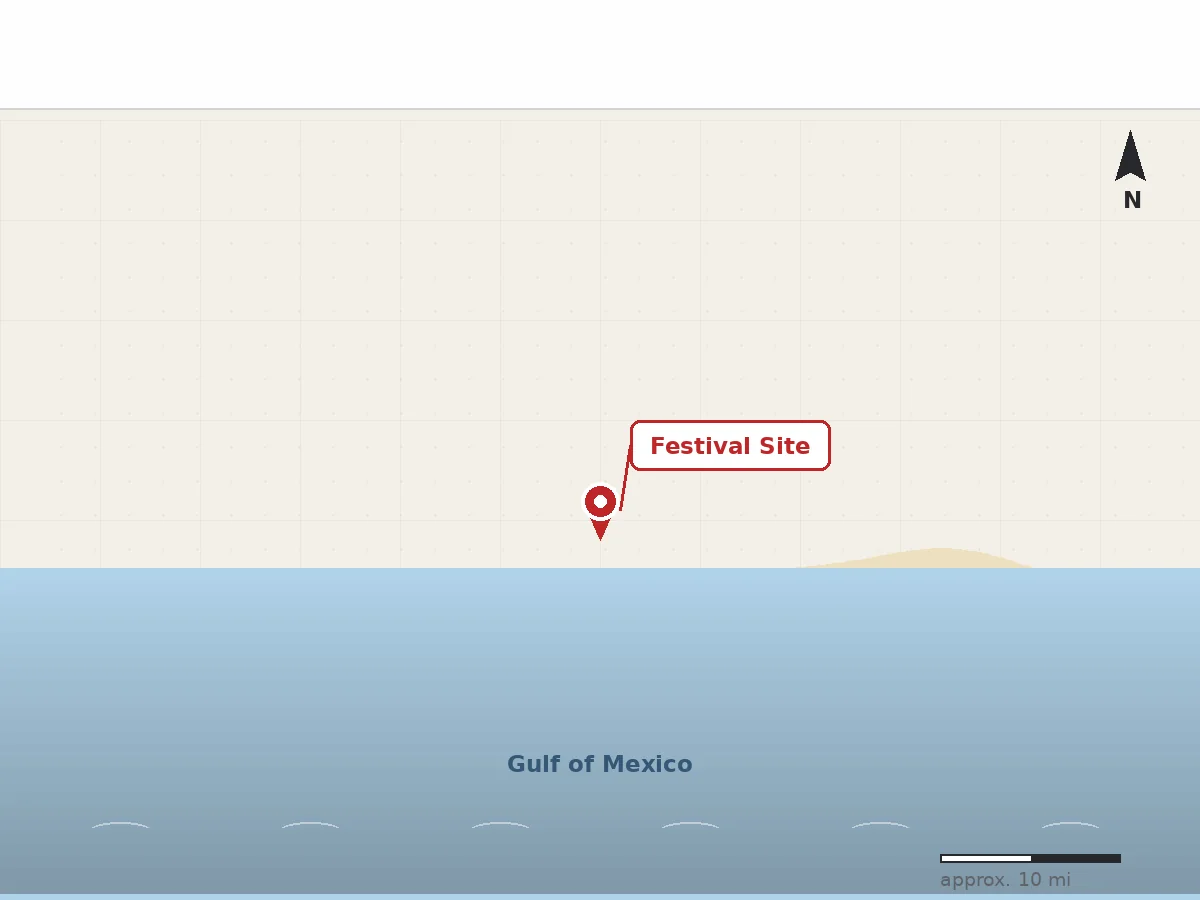
The festival takes place in the Elmore County area around Mountain Home, the county seat, in southwestern Idaho.
Mountain Home Country Music: What Locals Get Asked Most
Is the festival free to attend?
Admission is generally free, which is one reason the crowd is so local and so mixed in age. You will still spend money on food, drinks, and merchandise, so plan a budget the way you would for any fair or community celebration. Bring cash for smaller vendors.
Is it family friendly?
Yes. Families treat it as an all-day picnic with live music, and there is room for kids to run. Bring water, sunscreen, and layers, and agree on a meeting point in case your group spreads out between the stage and the vendor row.
What should I bring with me?
Lawn chairs or blankets, a hat, sunscreen, refillable water, cash, and a jacket for the evening. If you plan to stay all day, a shade canopy and a cooler make the afternoon far more comfortable. Wear shoes you do not mind getting dusty.
Where should I stay if I am coming from out of town?
Mountain Home has the county’s main cluster of motels and RV parks, and they fill quickly on festival weekends. Camping near the reservoir or along the Snake River corridor is another option, and Boise works as a base if you do not mind the drive back after the music ends.
The Next Seasons for Mountain Home Country Music
The festival’s future looks a lot like its past: dependent on volunteers, local sponsorship, and the willingness of a small population to put on a big weekend. Growth brings questions about parking, camping capacity, and how large a crowd the grounds can comfortably hold without losing the small-town feel that makes the whole thing work.
Visitors planning ahead should check local listings each year for confirmed timing, since the festival follows the warm-weather calendar rather than a fixed date. What is unlikely to change is the format — country music, food stands, families in lawn chairs, and a county that turns out for its own.
Last updated: October 2026
Whether you live ten minutes from Mountain Home or you are just passing through Elmore County on the interstate, the Mountain Home Country Music festival is worth building a weekend around. Bring a chair, bring cash for the food stands, and plan to stay past sunset — the best part of the night usually happens after the crowd thins and the last songs drift out across the sagebrush.