Talbot County Georgia Talbotton Blues Festival
Talbot County sits in west central Georgia where the Piedmont begins to fold into the Fall Line, and the landscape tells you as much when you drive in. The northern end rises into the Pine Mountain Range, with a few ridges topping 1,000 feet, while the southern end flattens toward the Coastal Plain. In the middle, at the county seat of Talbotton, a board-and-batten Gothic church from 1848 stands on Jackson Avenue, and once a year its lawn fills with lawn chairs, food trucks and amplified guitar. That is the setting for the Talbotton Blues Festival, one of the more unusual annual festivals in the Georgia calendar.
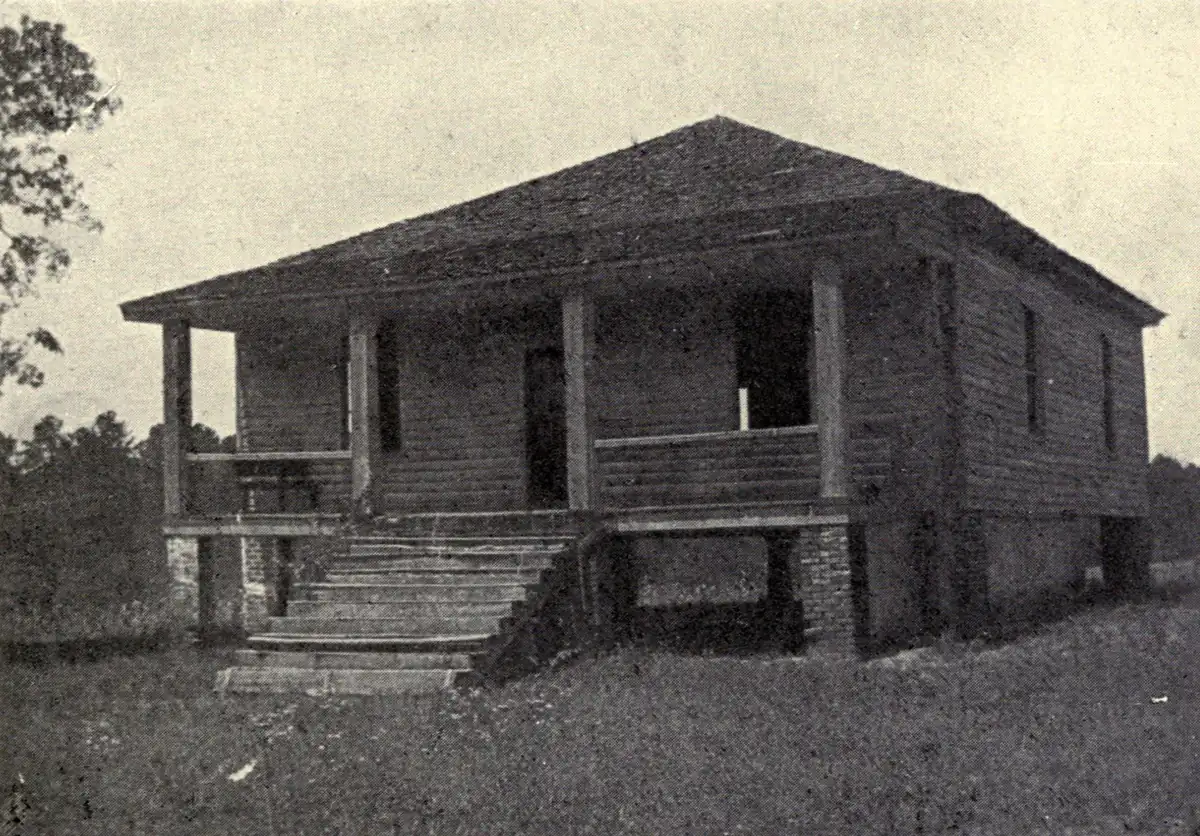
This is not a county fair in the usual sense, with livestock barns and a midway. It is a music and preservation event built around Zion Episcopal Church, a one-room building of unpainted heart pine that has not been modernized or altered since it was built. Talbot County once grew cotton and peaches on a scale that made it one of the wealthiest counties in the state, and the old money that funded Zion came from that world. Today the festival turns the same building into a stage for blues players, a gathering place for local cooks and artisans, and a fundraiser for the work of keeping the church standing.
If you are weighing it against other state festivals, the draw is specificity. You hear live blues on the grounds of a National Register landmark, in a small county of roughly 5,700 residents (the 2020 census count), with the courthouse square and a historic women’s college hall a few minutes away on foot. It is a harvest-season outing for people who would rather spend an afternoon in a place with a story than in a crowd of tens of thousands.
About the Talbotton Blues Festival
The Talbotton Blues Festival is an annual outdoor blues event organized around Zion Episcopal Church in Talbotton. Zion Church Restoration, Inc., the local nonprofit that owns and maintains the building, runs it, and the Georgia Trust for Historic Preservation is listed alongside it as an organizer in the Smithsonian’s event listing. Earlier editions were billed under names such as the Zion Church Bluesfest and the Historic Zion Church Blues Festival, so you may see all three in event listings and past coverage.
For another look at how a community turns its own traditions into a gathering, see the Meriwether County Georgia Fall Festival for a useful comparison.
Past editions were one-day events held on a Saturday in May, running from about 11 a.m. to 6 p.m., with gates opening around 10 a.m. The 2026 listing on MySmithsonian instead shows October 24 and 25, 2026, which suggests the festival has moved to a fall slot and a two-day format. The listing gives no start times or ticket price, so confirm the schedule and admission with Zion Church Restoration before you plan around it. Because today is late October, check whether the 2026 weekend has already passed when you read this.
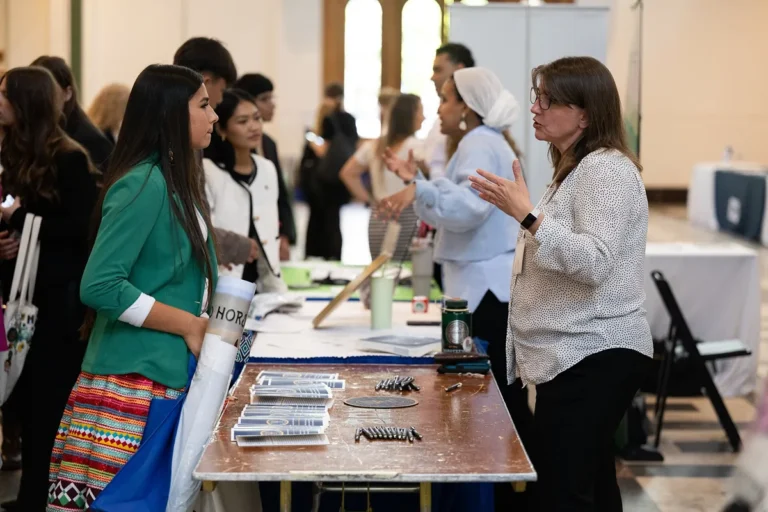
What separates it from a generic county fair is the focus and the venue. There is no carnival and no livestock judging. The program is music, food and heritage: performers on an outdoor stage, vendors selling handmade goods, and guided access to the church interior during past editions. Proceeds have gone to Zion Church and to Straus-LeVert Hall, a former women’s school building nearby that is also being renovated.
History and Origins of the Talbotton Blues Festival
The festival is young by the standards of Georgia local events. Coverage from Atlanta radio station 100.9 The Creek, published ahead of the 2023 edition, dates its start to 2021 and describes the 2023 event as the third. According to that account, artists who had been recording at Zion suggested an outdoor blues festival, and Tom Persons, a board member of the church group, helped develop the idea with guitarist Neal Lucas. The stated goals were to bring arts programming to Talbotton, draw visitors and help revitalize the town.
The building behind the festival is much older. Zion’s parish was founded in 1847, the church was built in 1848 and consecrated in 1853, and wealthy planters from coastal Georgia and South Carolina paid for it. The congregation never exceeded about a dozen families. Regular Sunday services ended more than fifty years ago, and the church was added to the National Register of Historic Places on May 8, 1974.
The modern preservation story began around 2019, when the Episcopal Diocese of Atlanta worked with the Georgia Trust for Historic Preservation to move the property to a local nonprofit. The Georgia Trust holds a conservation easement on the building. By spring 2023, more than $300,000 had been raised since fall 2019 for exterior restoration, including a $100,000 grant from the Historic Columbus Foundation. The festival is part of that fundraising effort, alongside concerts such as an April 2026 evening with Neal Lucas and a full band at the church.
Talbot County’s Blues and Cotton Heritage
Talbot County was created by the Georgia legislature in 1827 from part of Muscogee County and named for Governor Matthew Talbot. The last Creek people were removed from the area in 1836, and by 1850 the county ranked fifth in the state by population. Cotton, peaches and livestock built its wealth, and the arrival of the boll weevil in the early 1920s broke the cotton economy. Livestock still accounts for most of the market value of agricultural products sold here, according to the Georgia Encyclopedia, and farmland has been shrinking slowly in recent decades.
That agricultural past shaped the music. The blues of the Georgia Piedmont grew up in rural communities like this one, played on porches and at house parties by working people. Talbot County produced its own blues musician in Precious Bryant, born here in 1942, who took up the guitar as a child, began performing in the 1960s, and later appeared at the Atlanta History Center Blues Festival. Her story is a reminder that the festival is not importing a tradition; it is returning one to the place that helped produce it.
The geography matters too. The county straddles the Fall Line, drains largely to the upper Flint River, and borders Upson, Taylor, Marion, Chattahoochee, Muscogee, Harris and Meriwether counties. Visitors for the festival commonly come from Columbus and Muscogee County to the west, from Meriwether and Upson to the north and east, and from Atlanta, about two hours away.
What to Expect at the Festival
Main attractions and activities
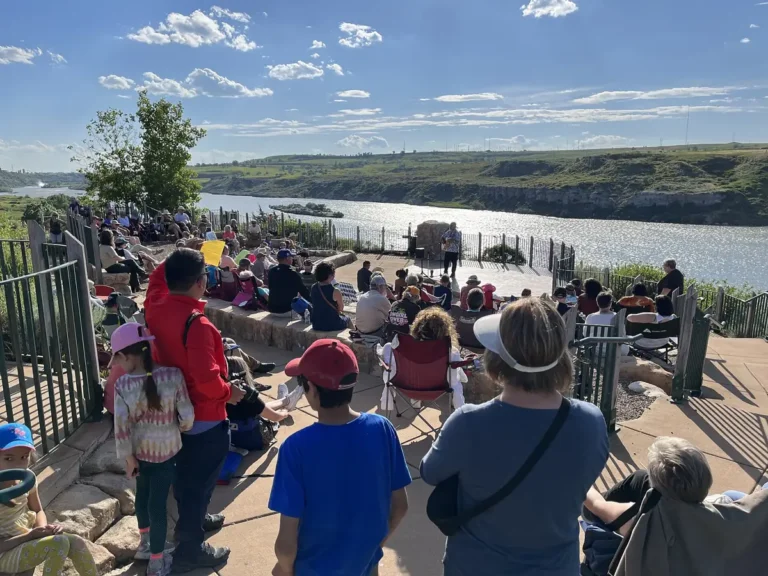
The core of the day is live blues on the church grounds. Past lineups have mixed regional and Georgia artists, including Jontavious Willis, Oscar Wilson, Eleanor Ellis, Jake Russell, Neal Lucas, Jayy Hopp and Lylie Mae in 2024, and Neal Lucas, Jayy Hopp, Lylie Mae, Cannonball Red and Vicki Lynn Maxwell in 2023. The 2026 lineup was not available from the sources reviewed, so look to the organizers for current performers.
Guided tours of the church interior ran throughout the 2024 event. Inside you will find walnut furnishings, white cedar ceiling beams, lancet windows with plantation shutters and a hand-pumped Pilcher organ installed in 1850. It is one of the oldest Episcopal church structures in Georgia and an example of rural Gothic architecture, and it is worth stepping away from the stage to see it.
Food and vendors
Past editions have had food trucks and local vendors on site. The 2023 festival listed B.J. Represse Pork Skins & More, Graffiti Food Truck and Junction City BBQ, and the church’s April 2026 concert featured Luke’s On the Run. Vendors change, so treat these as examples of the style rather than a guaranteed roster.
Craft vendors in 2023 included Deborah’s Jewelry Designs, Mama Blackbird’s Natural Living Apothecary, Allen Gee Pottery and Perry Fuller’s children’s books and paintings, along with Big Al’s Rolling Hat Store. Coolers were allowed at that edition, but confirm current rules before packing one.
Family and children’s activities
The festival is an outdoor, daytime event on a church lawn, so it suits families who are comfortable with a relaxed, seated-in-the-grass format. Children’s books and paintings have been among the vendor offerings, and the church tour is an easy way to introduce younger visitors to local history. No dedicated children’s programming was listed in the sources reviewed, so do not count on rides, games or a kids’ area. Ask the organizers if that matters for your group.
Planning Your Visit — Practical Information
Getting to Talbot County
Talbotton is roughly 30 miles northeast of Columbus, about 60 miles west of Macon and around two hours south of Atlanta. Georgia Highways 41 and 208 run through town, and U.S. Highway 80 passes the industrial park southwest of Talbotton. From Atlanta, plan on a drive of about two hours, using the state routes above for the last leg. From Columbus, U.S. 80 is the direct route east. Use a GPS and confirm the final approach, because rural roads in this part of Georgia can be slow.
The church is at 27 Jackson Avenue, Talbotton, GA 31827, according to the Episcopal Diocese of Atlanta. Straus-LeVert Hall is on College Avenue, close by. The nearest commercial airports are Columbus Metropolitan and, for a wider choice of flights, Hartsfield-Jackson Atlanta International, followed by a drive of about two hours.
Where to stay
Talbotton itself has limited visitor lodging, and none was confirmed in the sources reviewed. Most visitors stay in Columbus, about 30 miles away, or in the Pine Mountain and Warm Springs area to the northwest, where inns, cabins and the Callaway Gardens resort are within a short drive. Book early if the festival weekend overlaps with fall color season or a home football weekend in the region. The Talbot County Chamber of Commerce visitor center at 12 East Madison Street, (706) 665-8079, can point you to current options.
Parking and crowd logistics
The sources reviewed did not describe an official parking plan, so confirm with the organizers where to park and whether street parking or overflow lots are in use. The festival is small and the church sits in a walkable part of town, so expect to park on or near Jackson Avenue and walk. Bring your own lawn or camp chairs, since seating on the grounds has been limited. Arrive early if you want a spot near the stage.
Admission, costs, and ticket information
Admission has changed by year. The 2023 edition cost $15 per ticket, or $10 each for groups of three or more. The 2024 edition cost $20, or $15 each for groups of three or more, with tickets sold online and at the gate. The 2026 price was not published in the listing found, so check with Zion Church Restoration before you go. Ticket proceeds support the restoration of Zion Church and Straus-LeVert Hall, so the price is a donation to the town as much as a gate fee.
Weather and what to wear
If the festival is held in late October, expect mild autumn days in west central Georgia, with warm afternoons and cool evenings, and an occasional rain shower. Spring editions run warmer and can be humid. Either way, plan on layers, a hat and sunscreen, and shoes suited to grass. A light jacket is useful after sunset. Check the forecast the week of the festival, because the event is held outdoors.
Beyond the Festival — Exploring Talbot County
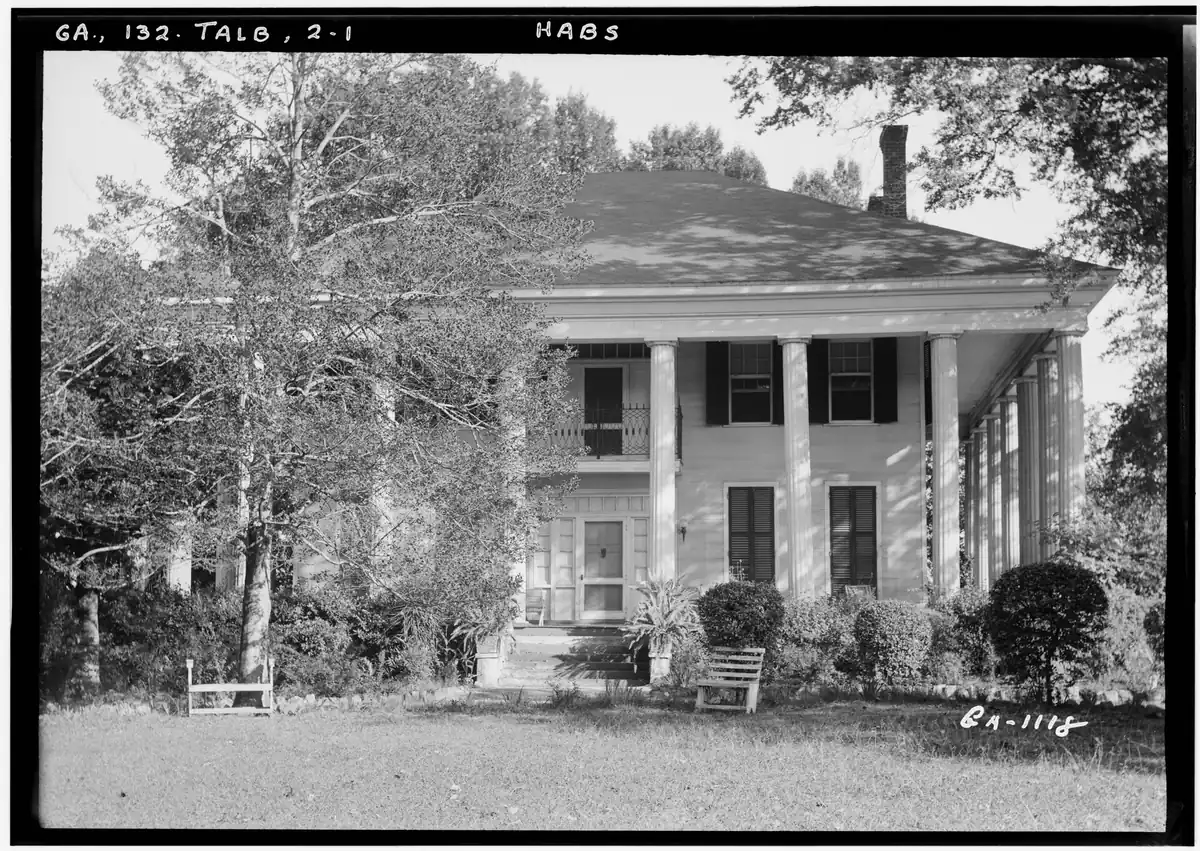
Start in Talbotton itself. The Talbot County Courthouse, built in 1892 in the Queen Anne style, anchors the town square, and the Chamber of Commerce has offered taped walking and driving tours of the historic district. Straus-LeVert Memorial Hall on College Avenue was once part of LeVert College, which grew out of the Talbotton Female Academy, one of the first schools for women in Georgia, and now serves as a community center.
Outdoors, Talbot County offers hunting and fishing, with deer and wild turkey among the game, and the Big Lazar Wildlife Management Area is open for fishing and hunting under state rules. The Flint River forms the county’s northeastern boundary, and the Flint River Recreation Outdoor Center is among the nearby attractions the Georgia Encyclopedia lists.
A short drive north brings you to Pine Mountain, Warm Springs and Franklin D. Roosevelt’s Little White House, along with Callaway Gardens. Combining the festival with a night in Warm Springs or Columbus turns a Saturday show into a weekend in local tourism country.
The Economic and Community Significance of the Festival
Talbot County lost population between 2010 and 2020, dropping from 6,865 to 5,733 residents, and its economy no longer rests on cotton or peaches. A festival like this works on a small scale to fill that gap. It brings visitors into town for meals and lodging, gives local cooks and artisans a paying audience, and raises money to protect two historic buildings that would be expensive for a small county to maintain on its own.
The organizers have said the aim is to bring the arts to Talbotton and revitalize the town, and the project depends on volunteers and a board that has raised several hundred thousand dollars for restoration. The festival also gives the community a reason to open the church doors. Plans have included renting Zion as a recording space, which would extend its life as a working arts venue beyond the festival weekend.
Festival Area Map
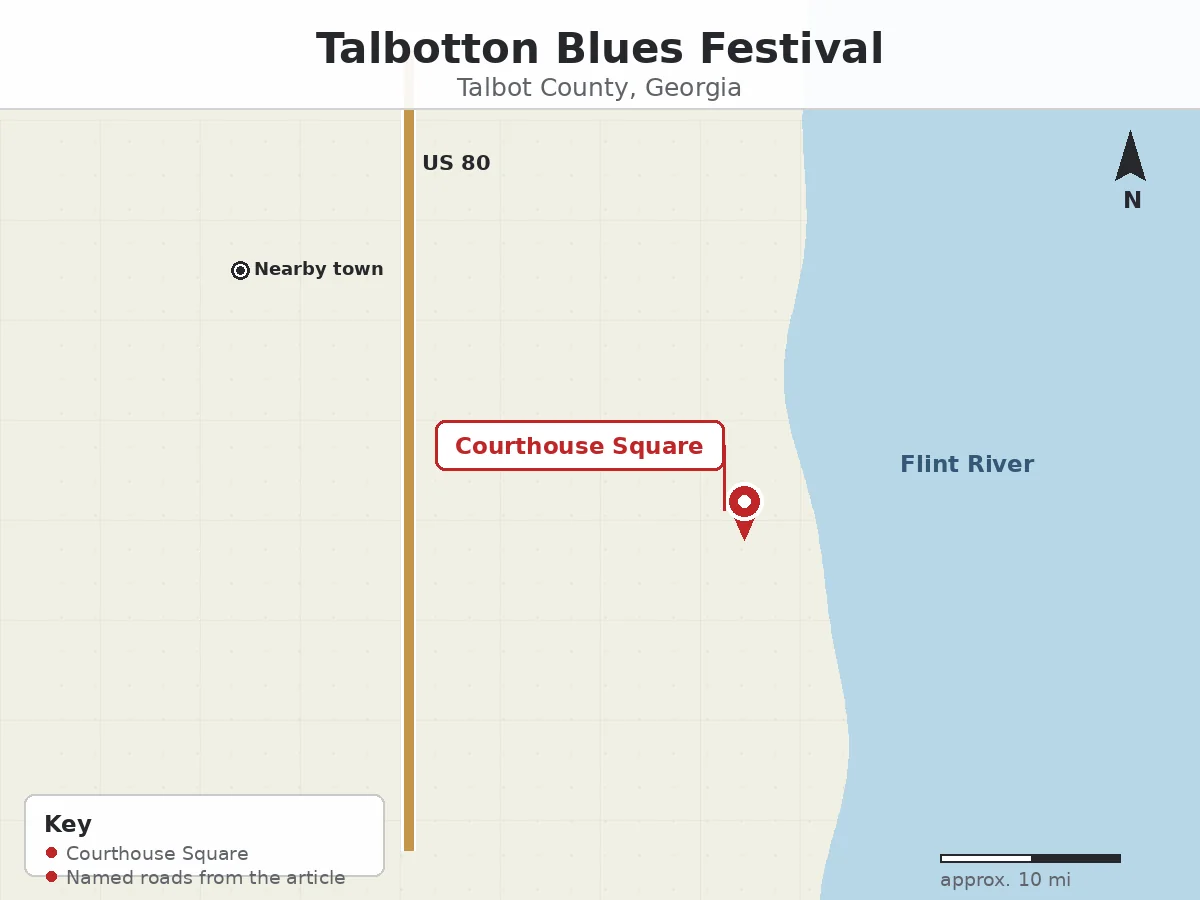
The map below locates Talbotton Blues Festival at the courthouse square in Talbot County, Georgia.
Frequently Asked Questions
When is the Talbotton Blues Festival?
The 2026 festival is listed for October 24 and 25, 2026, on MySmithsonian. Earlier editions were held on a Saturday in May. Confirm the current schedule with Zion Church Restoration, since the date has changed.
Is it free to attend?
No. Past editions charged $15 in 2023 and $20 in 2024, with lower per-person prices for groups of three or more. The 2026 price was not confirmed, so check with the organizers.
Where is it held?
It is held on the grounds of Zion Episcopal Church, 27 Jackson Avenue, in Talbotton, Georgia. Past editions have also used the nearby Straus-LeVert Hall.
How long does it last?
Earlier editions ran from about 11 a.m. to 6 p.m. on a single day. The 2026 listing shows two dates, October 24 and 25, but gives no hours, so confirm times before you travel.
What is Talbot County known for?
The county is known for its antebellum history, its 1892 courthouse, early women’s education at LeVert College and a farming economy once built on cotton, peaches and livestock. Livestock remains the largest agricultural product by value.
Is it suitable for children?
Yes, it is an outdoor daytime event with a relaxed atmosphere. No dedicated children’s programming was confirmed, so plan your own activities for younger kids and bring seating.
What should I bring?
Bring a lawn or camp chair, sun or weather protection, and cash or a card for food and vendors. Coolers were allowed in 2023, but check current policy.
Are pets allowed?
The sources reviewed did not state a pet policy. Ask the organizers before bringing a dog, especially because the church interior tours are part of the experience.
What to Expect From the Next Talbotton Blues Festival
Is Talbotton Blues Festival held every year?
Yes, Talbotton Blues Festival is an annual event.
When is the next Talbotton Blues Festival?
The next Talbotton Blues Festival is expected each year. Check with the organizers in the county for the confirmed date.
Does the Talbotton Blues Festival schedule change?
The performers, vendors, and activities at Talbotton Blues Festival change from year to year.
Last updated: October 2026
Talbotton is a small town, and the festival gives it something larger than its size: a stage at a church that has stood since 1848 and a reason for people from Columbus, Atlanta and beyond to see a part of Georgia they might otherwise drive past. If you want live blues in a setting that has not been polished for tourists, with a good plate of barbecue and a chance to support the preservation of a rare Georgia landmark, this is a trip worth making.